Urban Birds - BirdLife Australia (original) (raw)
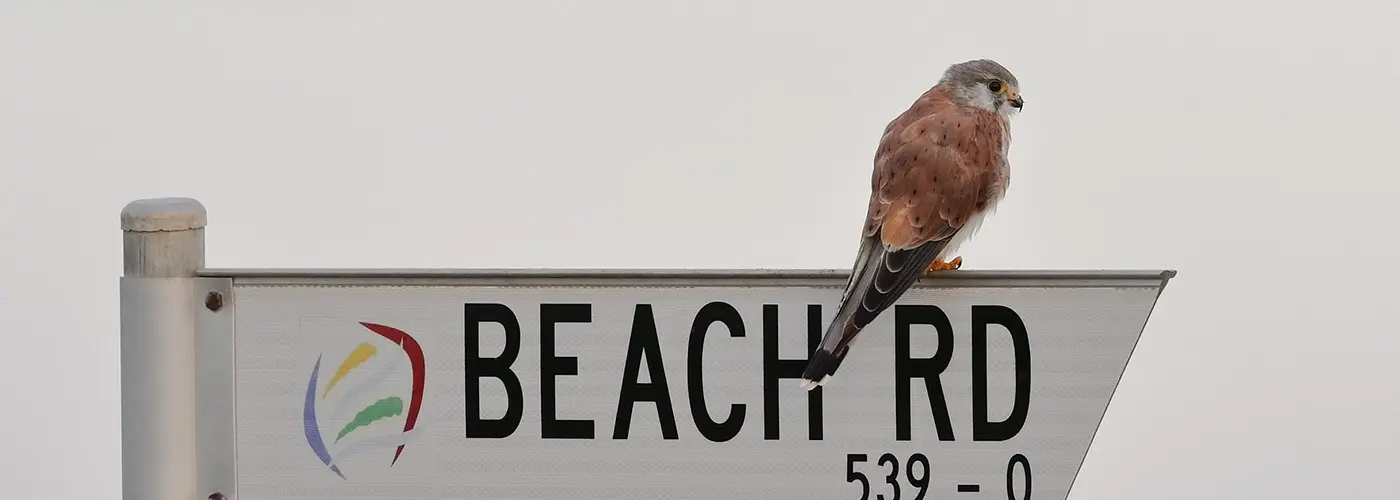
Photographed by Doug Castle. Nankeen Kestrel
Urban sprawl has a huge impact on native birds. BirdLife Australia's Urban Bird Program protects birds and their habitats across our rapidly changing and expanding cities.
90% of Australians live in urban areas. It is where we have the biggest impact on nature.
Key points
- Although many species of Australian birds are declining in urban areas (and declining overall), a few have flourished and become overabundant.
- Introduced species can act as pests and make resources scarce for native birds.
- Threatened birds are over-represented in urban areas compared to other habitats.
Urbanisation is one of the most dramatic and rapidly expanding forms of man-made change to our landscapes. Urban spaces introduce predators, exotic plants and competitors to the native wildlife and change animal behaviour. This can spell disaster for native birds.
BirdLife Australia is engaging communities in our cities
The Urban Birds Program is a series of initiatives that focus is saving birds and their habitat in Australia’s cities. Various initiatives are doing things like:
- Researching bird diversity in gardens, urban bushlands, parks and public areas
- Developing and increasing the community’s understanding and involvement with the current status of birds
- Encouraging a ‘hands on’ culture of monitoring for bird presence and absence
- Fostering a love for birds and helping people to learn how to live with them
- Putting the information learnt from research and conservation projects into practice to protect our urban bird populations
Educating Australia’s next generation of conservationists
Birds in Schools is an environmental education project designed by BirdLife Australia and its Urban Birds Program. Available online through BirdLife Australia’s e-learning platform, Birds in Schools enables teachers right across Australia to deliver education and action for birds with support from BirdLife Australia.
Birds in Schools engages students in the scientific process by investigating and monitoring the birds and habitats in their school grounds. Students use their own observational skills and ideas to develop and implement action plans to help their local birdlife. Action plans may include:
- Planting native plants
- Installing nest boxes or bird baths
- Delivering education campaigns in their school or local neighbourhood
Saving birds in urban areas
The Urban Birds Program is at work in cities across Australia, researching, protecting and providing education about the urban birds that surround us. Many of our projects are helping to make a difference for birds in urban environments.
Urban Birds Conservation Action Plan (UBCAP): You can’t make a difference without a plan. With the UBCAP, we’ve identified the key threats faced by urban birds and prioritised certain conservation strategies.