There's More Than One Reason Why Europe Does Crime Dramas Better Than the U.S. (original) (raw)

Published May 4, 2025, 2:05 PM EDT
Jen Vestuto is a TV Features Writer for Collider. A born and raised New Yorker, she started her career on set as a production assistant for shows like Law & Order: SVU and Person of Interest. In LA, she worked in the writers' rooms for The Vampire Diaries and Nancy Drew. Along with her writing partner, she joined the writing staff of Nancy Drew in Season 2 and stayed on the run of the show, which ended in 2022 with Season 4.
Jen grew up on Long Island in a loud Italian family. She's been writing creatively since she was in elementary school and would often make her younger sister act out scenes from her favorite movies with her. Jen is also a massive sports fan and was an athlete herself growing up.
Writing features for Collider gives her the opportunity to share her passion for great storytelling and compelling characters.
Crime dramas are one of the most beloved genres for TV fans, drawing audiences in with the intrigue of solving crimes and the complex characters involved. While the U.S. has its share of notable shows, European crime dramas possess a unique quality that resonates more deeply with global audiences, including those in the U.S. From the gritty realism of Happy Valley to the pulse-pounding twists of Line of Duty, UK crime dramas have consistently captivated viewers across the globe. But what makes these shows so compelling, especially compared to their American counterparts?
European Crime Shows Aren't Afraid to Take Risks and Lean Into Complex Characters
One of the most striking aspects of European crime dramas is their willingness to take major risks in storytelling. From the very beginning of the British hit Line of Duty, prolific writer Jed Mercurio proved he wasn’t afraid to kill off characters who, in a traditional U.S. show, would have been set up for long-term story arcs. What sets this approach apart is that it’s never done for shock value or gratuitous drama. Each death serves a purpose, driving character development rather than just advancing the plot.
Most U.S. crime shows lean heavily on the “whodunnit” aspect, which certainly makes for great storytelling but often prioritizes plot over character. That’s what made The Fall such a bold and refreshing series — it took the risk of splitting its narrative focus between Detective Stella Gibson (Gillian Anderson) and the serial killer she was hunting, Paul Spector (Jamie Dornan). Instead of fixating on the crime itself, the show delves into the psychology of both characters, exploring what drives them and how their obsessions shape their actions. It doesn’t shy away from uncomfortable themes like manipulation and power, offering a level of depth that many American crime dramas tend to avoid.
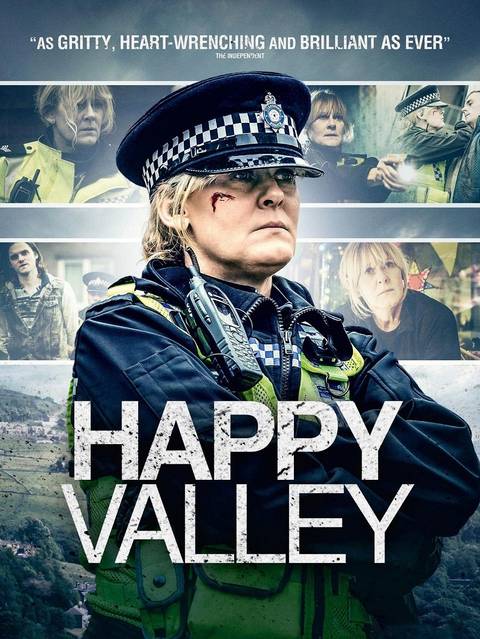
While the mystery and crime-solving elements are engaging, it’s the characters that make these series unforgettable. Sarah Lancashire’s portrayal of Catherine Cawood in Happy Valley is nothing short of brilliant — she’s a sharp, determined cop, but also a grieving mother struggling to raise her grandson. The show’s crime narratives feel deeply personal, intertwined with her experiences rather than just being procedural cases-of-the-week. Similarly, Broadchurch may have a compelling mystery at its core, but its real strength lies in how the crime affects the entire ensemble cast. Olivia Colman’s Ellie Miller, in particular, is thrown into emotional turmoil as she finds herself on both sides of the crime, making for a deeply layered and human story.
European Shows Focus More on Slow-Burn Tension Rather Than Action-Packed Set Pieces
Of course, everyone loves a great action sequence — when it's done right. But as big-budget films and spectacle-driven TV have shown, action without substance can feel hollow. While the U.S. has its exceptions, American crime dramas often fall into this trap, focusing on explosive moments with a "shoot first, ask questions second" approach over deeper storytelling. In contrast, European crime dramas distinguish themselves through slow-burn tension, using character-driven narratives to create suspense rather than relying on high-speed chases or shootouts. These shows understand that true tension often comes from quiet, emotionally charged moments where every word and gesture carries weight.
Broadchurch exemplifies this approach by turning a single murder investigation into an emotionally devastating experience. Instead of focusing solely on solving the murder, the series explores its ripple effect on an entire community, peeling back layers of grief, guilt, and hidden secrets. This deeply layered storytelling contrasts sharply with many U.S. crime dramas, which tend to prioritize procedural beats and rapid plot developments over emotional nuance. Similarly, Line of Duty delivers some of the most gripping scenes on television. While the show does include occasional action sequences, its most intense moments take place in a single conference room, where high-stakes interrogations unfold. In these scenes, even the simple act of revealing a piece of evidence can completely shift the power dynamic, keeping viewers on edge.
 Related
Happy Valley takes this even further, building tension through raw, emotionally charged moments and gritty realism. It forgoes the over-the-top action that American audiences have grown accustomed to in cop procedurals — action that, at this point, many have become desensitized to. Instead, the show captivates viewers with its deliberate pacing, where every moment serves a purpose. Remarkably, not a single gun is pulled throughout the entire series, yet a simple knock on a door that turns into a foot chase feels far more exhilarating than any high-stakes standoff.
Scandi Noir Thrives on Atmosphere and Emotional Realism

Sofie Gråbøl as Sarah Lund in The Killing
Image via DR1
While the UK has produced some of the greatest crime shows of our time, the dark and moody dramas from Scandinavian countries, known as "Scandi Noir," have become one of the most defining subgenres on international television. These shows trade sunny, high-gloss visuals for bleak, wintry landscapes and morally complex detectives unraveling deeply atmospheric cases. The tone is slow-burning and introspective, grounded in realism, emotional restraint, and the psychological toll of police work. Unlike many American crime dramas that rely on slick pacing or tightly plotted procedural beats, Scandi Noir leans into silence, discomfort, and ambiguity. It’s less about the big reveal and more about the lingering unease of a society that feels uncomfortably real.
For many non-Scandinavian viewers, the gateway into the genre was Forbrydelsen, better known in the U.S. as The Killing. While the American remake had its own strengths, especially under showrunner Veena Sud, the Danish original stood out for its unflinching portrayal of grief, institutional failure, and political decay. The pilot of the U.S. version closely mirrors the original, borrowing many of its best elements while building on an already near-perfect foundation. Other standouts like Wisting, Wallander, and The Bridge similarly strip away the polish of traditional TV crime dramas and ground their stories in emotional truth. Even their detectives aren’t immune to the toll of the work, and it’s that vulnerability, paired with stark visuals, that makes Scandi Noir so gripping and distinct from its flashier American counterparts.
The rising popularity of UK crime dramas in the U.S. proves that audiences are craving more complex, character-driven storytelling over formulaic action. Shows like Mare of Easttown — which shares striking similarities with Happy Valley — demonstrate that American TV is starting to embrace this approach. Meanwhile, the massive success of UK shows in the US, like Netflix's recent hit, Adolescence, highlights the growing demand for darker, more intricate narratives that favor emotional depth over spectacle.
Hollywood has attempted to remake European crime dramas with mixed results. Some have done well, but most often fall short. For example,Gracepoint, the ill-fated remake of Broadchurch — failed to emulate what made the original so compelling, proving that simply copying a hit show isn’t enough. While American television has made strides in embracing deeper, more character-driven crime dramas, it still faces tough competition from European series that have mastered the art from the start and continue to captivate audiences worldwide.
Release Date
2014 - 2023-00-00
Directors
Sally Wainwright, euros lyn, Tim Fywell, Neasa Hardiman, Patrick Harkins, Fergus O'Brien
Writers
Sally Wainwright
Creator(s)
Sally Wainwright