Is Jonathan Nolan Right? Did Weekly Releases of 'Westworld' Hurt the Show? (original) (raw)

Published May 28, 2024, 6:24 PM EDT
Liam Gaughan is a film and TV writer at Collider. He has been writing film reviews and news coverage for ten years. Between relentlessly adding new titles to his watchlist and attending as many screenings as he can, Liam is always watching new movies and television shows.
In addition to reviewing, writing, and commentating on both new and old releases, Liam has interviewed talent such as Mark Wahlberg, Jesse Plemons, Sam Mendes, Billy Eichner, Dylan O'Brien, Luke Wilson, and B.J. Novak. Liam aims to get his spec scripts produced and currently writes short films and stage plays. He lives in Allentown, PA.
Summary
- Westworld struggled with a weekly release format, leading to a decline in viewership.
- Recent binge-dropped shows like The Bear and Ripley have benefitted from cinematic qualities.
- Streamers should embrace unique release strategies tailored to a show's creative direction for success.
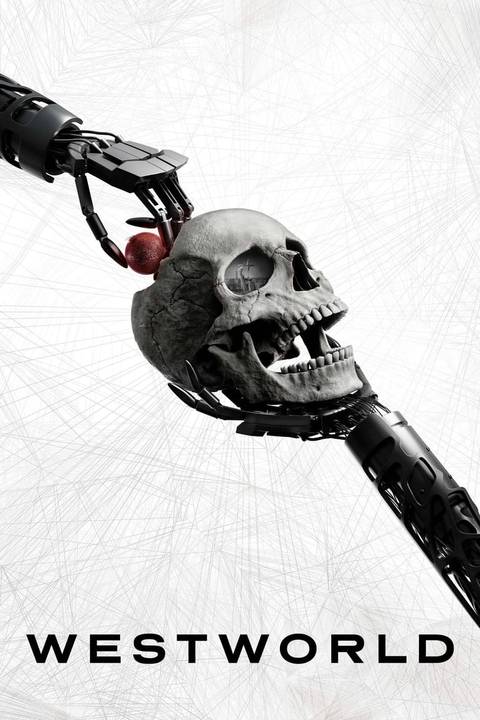
The rise and fall of HBO’s Westworldis one of the most interesting stories in the last decade of entertainment. Initially, the buzzy, expensive reboot of the classic science fiction western of the same name seemed like HBO’s next “blockbuster series,” which could feasibly fill the gap created by the end of Game of Thrones . Although Westworld started off strong with great ratings and a plethora of award season nominations, interest in the show began to decline over time, with many noting a drop in quality. Westworld struggled to retain the level of enthusiasm created by its first season; after the series was shockingly canceled after the fourth season’s finale, the series was removed from the Max streaming platform entirely.
In a FYC event for Prime Video’s Falloutmoderated by Christopher Nolan, _Westworld_’s co-creator Jonathan Nolanadmitted in a Q&A that the show’s “first season was structured very much in the same way that we would structure a movie-long reveal,” and that “releasing it on a linear schedule, people online kind of figured out some of the twists ahead of schedule.” Nolan suggested that Westworld would have benefitted if viewers could “watch it like a movie,” and perhaps the release strategy was to blame for the show’s declining viewership. Westworld may have benefitted from a binge drop, but the success of recent shows has shown there’s no "one size fits all" approach to releasing streaming shows.
Release Date
2016 - 2022
Network
HBO
Showrunner
Jonathan Nolan, Lisa Joy
Cast


Thandiwe Newton
Maeve Millay
At the intersection of the near future and the reimagined past waits a world in which every human appetite can be indulged without consequence.
Main Genre
Sci-Fi
Seasons
4
‘Westworld’ Couldn’t Sustain a Weekly Release
One of the long-standing arguments in favor of releasing a show on a weekly basis is that over time, a series can have a “water cooler” effect where the hype grows, thanks to the discussion and debate that goes on between episodic releases. Given that Westworld was a series that was built on a series of shocking reveals, it made sense that HBO chose this model, particularly since it was intended to be the network’s next big genre venture following Game of Thrones. However, the mythology of Westworld grew too dense to sustain viewership over an extended time period. The show was told in a non-linear manner with a revolving set of lead characters, some of whom are absent for entire episodes; it became much less easy to “drop in” when so much background knowledge was required.
Individual episodes of Westworld may have suffered from the sustained narrative. Nolan stated that he and co-creator Lisa Joy had “wrote it exactly the same way we would write a movie where you have to play fair with the audience.” The issue with that is that some episodes feel completely expositional and don’t advance the story. On the other hand, certain installments could feel overwhelming because they loaded the viewer up with spectacle that ultimately felt like filler. While the series certainly earned a passionate fanbase of fans who enjoyed digging into the mythology, a majority of viewers didn’t want to make the same commitment to learning the ins and outs of the universe for ten weeks at a time. Even if Nolan and Joy are holding out hope to complete _Westworld_’s final season in some form, they’d ultimately be developing it for a niche audience.
Recent Shows Have Benefitted From Binge Drops

Carmen (Jeremy Allen White) in a sweater in the dining room decorated for Christmas in The Bear.
Image via FX
The inherent challenge with binge dropping a show all at once is that it will only be able to dominate the entertainment discourse for a limited amount of time; comparatively, weekly released shows are able to prolong the discussion as fans theorize and speculate about each recent episode. However, truly great shows benefit from the binge drop if they give viewers enough to discuss. FX’s The Bear released both of its first two seasons all at once, and immediately drew an audience of active viewers who enveloped the series in a single viewing. Although there's been a cast made that the series needs to embrace a more weekly drop format, the upcoming release of _The Bear_’s third season now feels like one of the “must-watch” event shows of the summer.
Similarly, shows that have more cinematic qualities succeed when viewed all at once. Netflix’s Patricia Highsmith adaptation Ripley is one of the most cinematic television shows ever made. The beautiful cinematography from Robert Elswitt, stellar writing from Steven Zaillian, and intricate sound design make it feel more technically advanced than a majority of theatrically released films. Forcing viewers to wait a week between installments could have been disruptive to the immersive experience. Ripley requires a viewer’s undivided attention and would be much less haunting if breaks were inserted in inopportune places.
 Related
Jonathan Nolan Hopes to Make 'Westworld's Cancelled Final Season
Nolan is currently working on another sci-fi series, 'Fallout'.
Streamers Have Succeeded With Experimental Release Windows
Streamers think that they have to choose between “binge drops” and “weekly releases,” but experimental release strategies have proven to be beneficial for unique programs. Amazon Prime Video enacted a strategy for both The Boys and The Lord of the Rings: The Rings of Power where a few episodes were released all at once, followed by a weekly release of subsequent installments. This helped to fully indoctrinate viewers into the world and remind them of how the universe functioned, as both shows have fairly dense mythologies. However, releasing subsequent episodes on a weekly basis allowed viewership to grow as critical acclaim for the shows began to peak. Given that The Boys is already renewed for a fifth season, it appears to be a strategy that is in the show’s favor.
If the collapse of Westworldshould teach the industry anything, it's that streamers should be open to unique release strategies based on the programs’ creative direction. It certainly seems that there was a discrepancy between Nolan and Joys’ ambitions for Westworld and what HBO intended the show to be. Perhaps getting creators involved in the release process could yield greater success for genre shows in the future.
Westworld is available to rent on Amazon in the U.S.