All 5 Adapted Screenplay Oscar Winners of the 2020s, Ranked (original) (raw)

Jeffrey Wright on the poster for American Fiction
Image via Orion Pictures

Published Feb 26, 2025, 6:28 PM EST
David is a Senior Editor at Collider focused primarily on Lists. His professional journey began in the mid-2010s as a Marketing specialist before embarking on his writing career in the 2020s. At Collider, David started as a Senior Writer in late 2022 and has been a Senior Editor since mid-2023. He is in charge of ideating compelling and engaging List articles by working closely with writers, both Senior and Junior, as well as other editors. Occasionally, David also reviews movies and TV shows and writes episode recaps. Currently, David is also writing his second novel, a psychological horror satire that will, hopefully, be picked up for publication sometime next year.
Sign in to your Collider account
The Academy Award for Best Adapted Screenplay honors those works that adapt previously published material into works of cinematic art. There's something truly daunting about taking something that already worked in another medium and trying to translate it into live-action. Throughout the Academy's near-100-year history, notable past winners have included classics like Gone with the Wind, The Godfather, The Silence of the Lambs, and The Social Network.
The 2020s have so far acknowledged several great adapted screenplays with the Oscar. From war satires to sweet coming-of-age tales to harrowing, thought-provoking dramas, the last five winners of this prestigious award have produced some truly great pictures that will surely stand the test of time. This list will rank every Best Adapted Screenplay Oscar winner of the 2020s based on their quality, how well they adapt the material they're based on, and how they compare to previous victors in this often overlooked but no less meaningful category.
5 'CODA' (2021)
Screenplay by Sian Heder Based on the Film 'La Famille Bélier' by Victoria Bedos, Thomas Bidegain, Stanislas Carré de Malberg, and Éric Lartigau
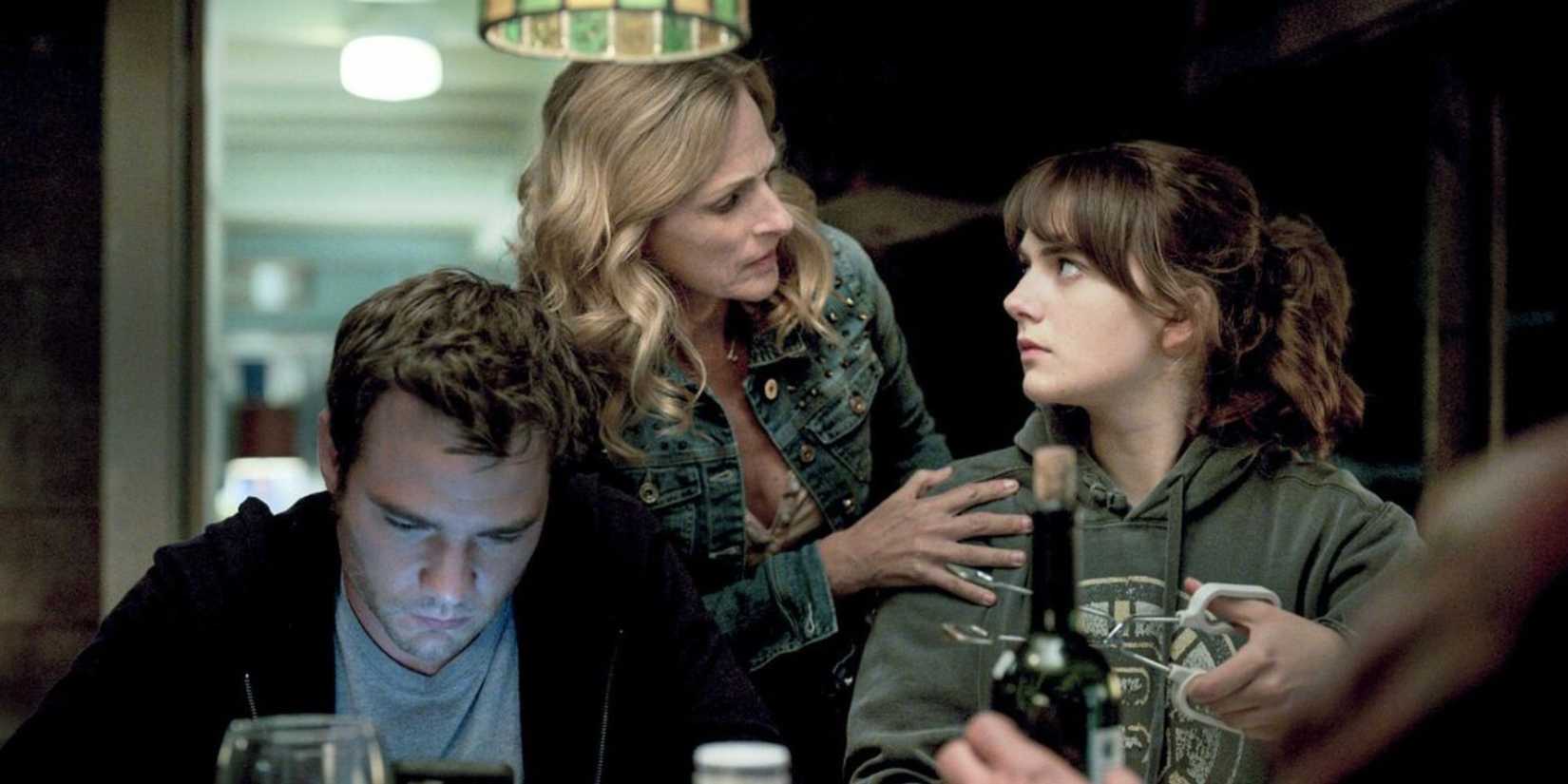 Image via Apple TV+
CODA is one of the most divisive Best Picture winners of all time. Some consider it a heartwarming and crowd-pleasing movie worthy of all the praise it received, while others disregard it as a Hallmark reject with nothing new or interesting to say. The truth is that this story about a young girl who struggles between pursuing her musical dreams and supporting her deaf family struck a chord with audiences and Academy members in 2022, allowing it to win all three Oscars it was nominated for.
The film is based on the French film La Famille Bélier and is pretty much a faithful adaptation. It keeps the basic plot, structure, characters, and themes, only updating the language and some of the more distinct sensibilities. Of all the nominees, CODA changes the least from its source material; less an adaptation and more of a translation, CODA is content with just updating what needs updating. There's nothing wrong with a remake staying close to the original, but considering it was against some all-time great adaptations that actually reinvented their respective stories to fit a cinematic medium (Dune, particularly), CODA's victory in this category is as questionable as its Best Picture win.

CODA
Release Date
August 13, 2021
Cast
Emilia Jones, Eugenio Derbez, Troy Kotsur, Ferdia Walsh-Peelo, Daniel Durant, Marlee Matlin
Runtime
111 minutes
Director
4 'Jojo Rabbit' (2019)
Screenplay by Taika Waititi Based on the Novel 'Caging Skies' by Christine Leunens
Taika Waititi as Imaginary Adolf Hitler sitting beside Roman Griffin Davis as Jojo in the forest in Jojo Rabbit
Image via Searchlight Pictures
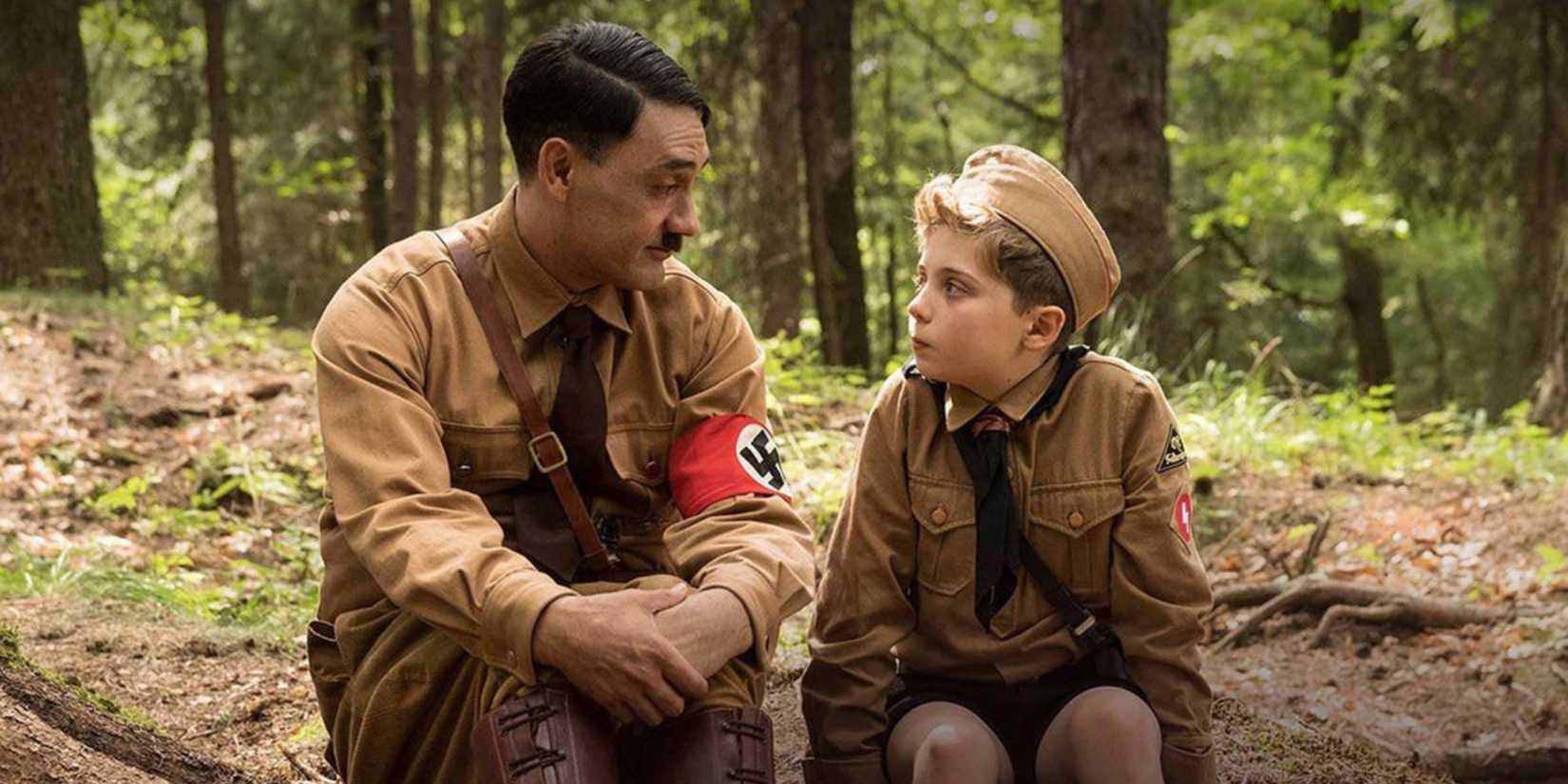
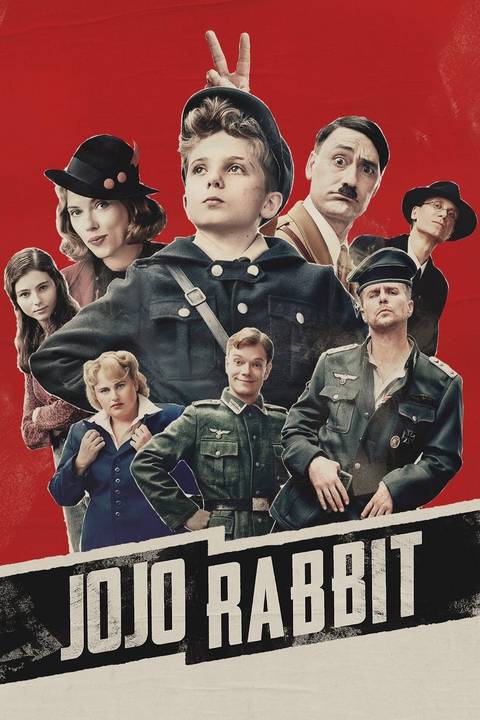
Taika Waititi's Jojo Rabbit is a well-meaning and ultimately crowd-pleasing coming-of-age war movie that sounds far more subversive than it is. The film follows young Jojo (Roman Griffin Davis), a Hitler Youth member whose perception of the war changes when he discovers his mother (Scarlett Johansson) is housing a Jewish girl (Thomasin McKenzie). Waititi plays a bumbling version of Hitler, who acts as Jojo's imaginary friend.
The idea of a Nazi child with Hitler as his imaginary friend might sound too offensive for some, but Jojo Rabbit is ultimately a tale of a young boy coming into his own in a world full of issues he clearly doesn't understand. Waititi can't help but inject his brand of irreverent, absurdist humor into the story, which is far more straightforward and somewhat dramatic on the page. The imaginary Hitler, by far the film's most divisive element, is also Waititi's addition. The result is a film that will delight some and greatly annoy others. Of all the winners, Jojo Rabbit is perhaps the one that most adapts its source material, changing genres and adding characters while still respecting the essence. Whether those changes were for the better is another matter entirely.
Jojo Rabbit
Release Date
October 18, 2019
Cast
Thomasin McKenzie, Roman Griffin Davis, Scarlett Johansson, Taika Waititi, Sam Rockwell, Rebel Wilson, Alfie Allen, Stephen Merchant, Archie Yates, Luke Brandon Field, Sam Haygarth, Stanislav Callas, Joe Weintraub, Brian Caspe, Gabriel Andrews, Billy Rayner, Christian Howlings, Gilby Griffin Davis, Hardy Griffin Davis, Curtis Matthew, Robert East, James McVan, Judith Georgi, Victoria Hogan, Bethany Adams
Runtime
108 minutes
Director
3 'Women Talking' (2022)
Screenplay by Sarah Polley Based on the Novel 'Women Talking' by Miriam Toews
 Image via United Artists Releasing
Sarah Polley wrote and directed the 2022 period drama Women Talking, based on the eponymous novel by Miriam Toews. Inspired by a harrowing real-life story, the film is set in a secluded Mennonite community where the women realize they've been victims of sexual abuse at the hands of the men. It stars an ensemble, including Rooney Mara, Claire Foy, Jessie Buckley, Ben Whishaw, and Frances McDormand.
An ode to female solidarity, Women Talking lives up to its title. The film is mainly a series of exchanges between its female characters, who, through their shared experiences, find solace and catharsis in righteous anger and newfound purpose. Women Talking is very much about the power of words and how saying them out loud can lead to liberation. The screenplay is the real star of this picture, and while the actresses rise to the challenge, the focus remains on Polley's ability to craft a story entirely through a series of dialogues. This approach might make Women Talking something of a challenging viewing experience, but the poignant and thought-provoking discussions it provokes are more than enough to make it one of the best dramas of the last 25 years.
2 'The Father' (2020)
Screenplay by Florian Zeller Based on the Play 'The Father' by Florian Zeller

Anthony Hopkins wearing a red shirt in The Father
Image via Sony Pictures Classics
A masterful Anthony Hopkins won a second Oscar for his performance in Florian Zeller's The Father. Based on Zeller's eponymous play, this heartbreaking and often ruthless drama follows Anthony, an aging Welsh man who is succumbing to dementia. Oscar-winner Olivia Colman co-stars as Anthony's daughter, Anne, who struggles to connect with him.
Like Women Talking, The Father is all about the words. Zeller respects the story's play-like qualities, keeping the action grounded in only a few players and limiting the setting to only a few rooms. The result is an intimate drama about aging and forgetting whose stripped-down approach only enhances the story's themes. Zeller's screenplay is a masterclass in empathy in writing: the writer/director keeps a firm grasp on the story, never succumbing to sentimentality. Instead, he remains an observer of human nature and, in Hopkins, finds the perfect vessel for his story. The Father is surprisingly straightforward in its observations, but that doesn't make it any less compelling or, ultimately, affecting.

The Father
Release Date
March 12, 2021
Runtime
97 minutes
Director
Florian Zeller
1 'American Fiction' (2023)
Screenplay by Cord Jefferson Based on the Novel 'Erasure' by Percival Everett
Cord Jefferson's American Fiction is a brilliant and riveting deconstruction of stereotypes and society's overreliance on them. A never-better Jeffrey Wright stars as Thelonious "Monk" Ellison, a Black writer and professor who, frustrated with the state of his career, writes a highly satirical book full of stereotypes. However, the book is mistaken for "serious" literature and becomes a bonafide hit, sending Monk on an unexpected journey.
As biting as it's funny and as insightful as it's clever, American Fiction is a topical and brilliant satire that never settles for an easy way out. What's truly impressive is how Jefferson takes a relatively straightforward story and injects it with so much heart and wit that's not necessarily missing from the page (it's not), but that needs to become more overt for a visual medium. Yet, American Fiction never feels pretentious or like it's preaching to the choir. There's honesty and gravitas in its deconstruction of familiar tropes, blended with a sharp sense of humor brought to life by a career-best Jeffrey Wright. American Fiction takes some liberties when adapting the novel, but it's all in service to providing a more streamlined cinematic experience that never sacrifices the story's themes or, more importantly, its messages.
NEXT: Every Best Original Screenplay Oscar Winner of the 2020s, Ranked