Dandelion Benefits (Backed by Tradition and Research) (original) (raw)
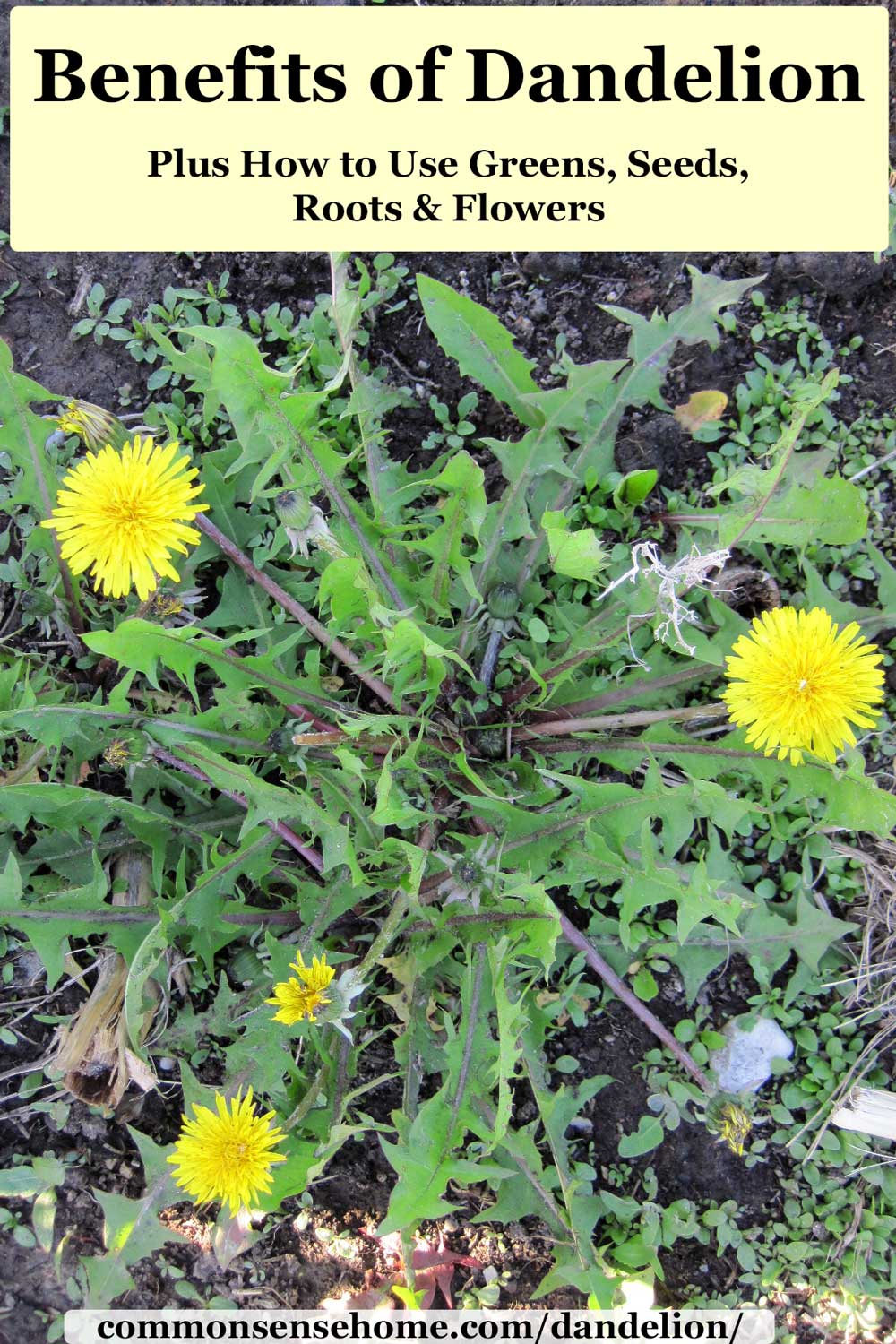
Dandelions (Taraxacum officinale) are often treated like a nuisance, but they’re an extremely useful plants. These bright yellow “weeds” support health in multiple ways—from nourishing the body to helping manage oxidative stress.
Modern research confirms what traditional herbalists have long known: dandelions offer a wide range of potential health benefits.

Table of Contents
- Dandelion Benefits
- 1. Nutrient Dense “Free Food”
- 2. Supports Digestion and Gut Health
- 3. Helps Relieve Constipation
- 4. Rich in Antioxidants That Protect Cells
- 5. May Help Regulate Blood Sugar
- 6. Supports Liver Function
- 8. May Support Heart Health
- 9. Potential Anti-Cancer Properties
- 10. Soothe Sore Muscles and Joints
- 11. Wart Remover
- Side Effects and Interactions
- A Simple Way to Think About Dandelion Benefits
In this guide, we’ll look at the top dandelion benefits, along with practical ways to use the leaves, flowers, and roots. NOTE: Never collect plants for food or medicine from areas that have been sprayed with herbicides or other chemicals.
1. Nutrient Dense “Free Food”
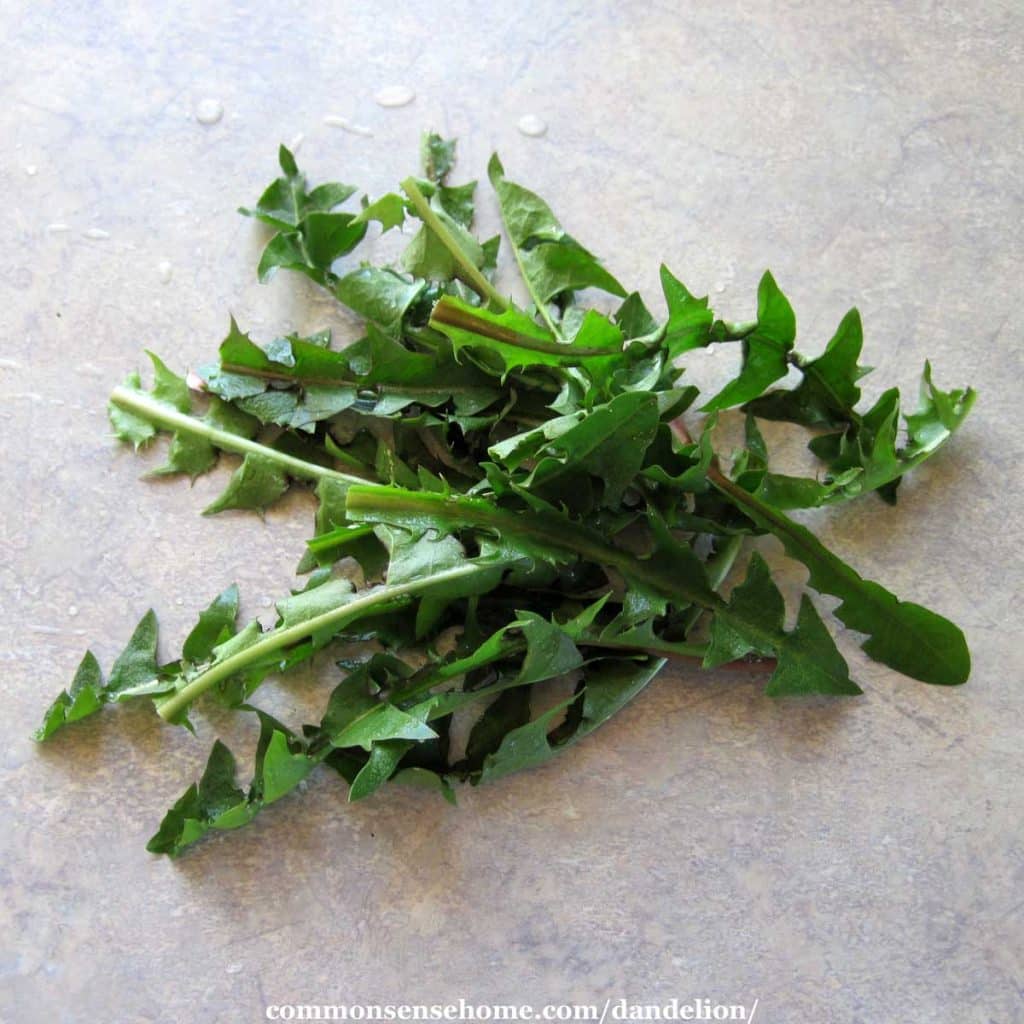
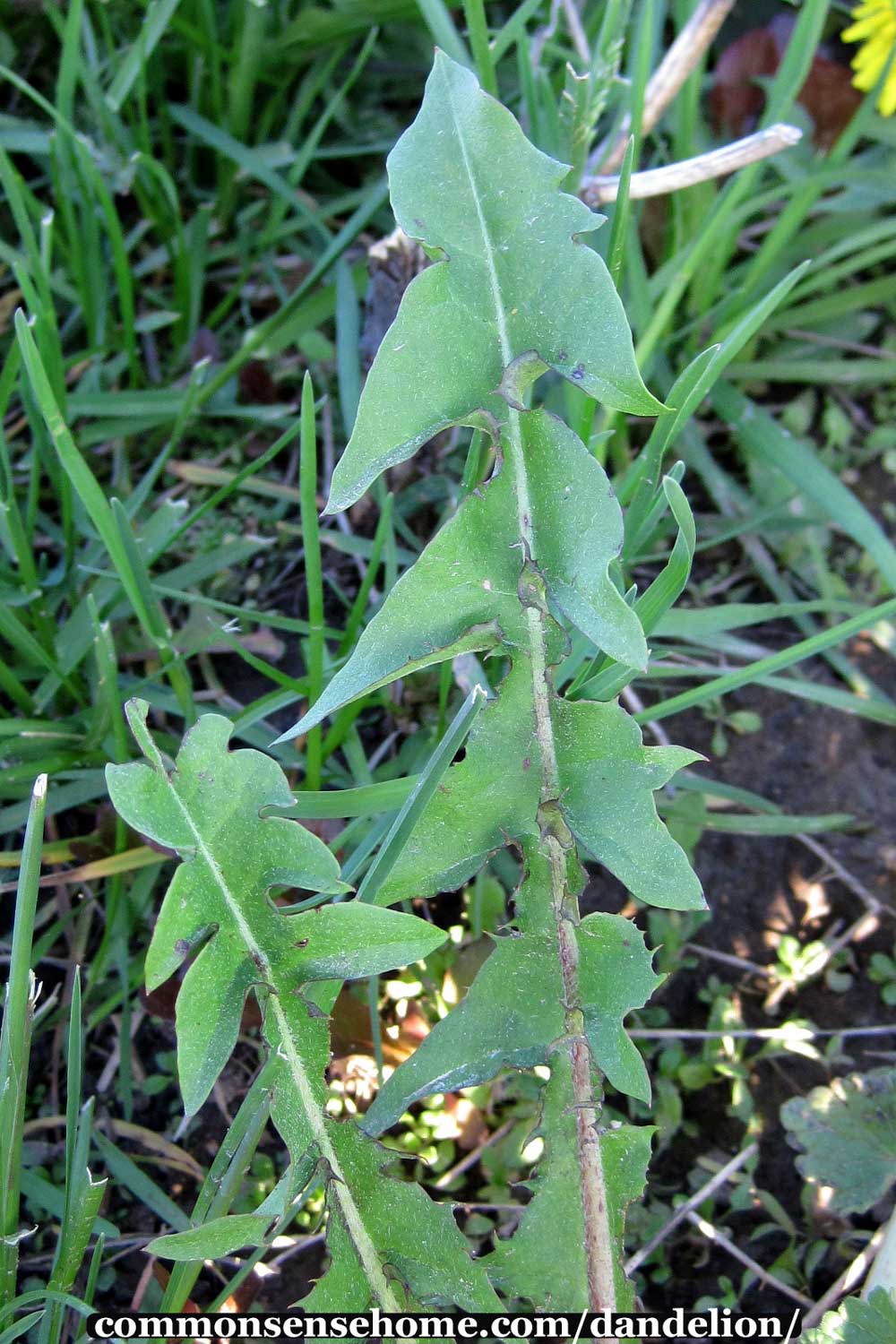
Dandelion leaves are one of the most nutrient-dense wild greens you can eat. They are edible raw or cooked, although they are always somewhat bitter. They are best in spring, before the flowers bloom.
As the season progresses, the leaves become more bitter. Plants growing in the shade or thick grass may be less bitter than those growing on open ground.
They contain vitamins A, C, and K, along with calcium, iron, and potassium. Their antioxidant properties help neutralize free radicals, which may otherwise damage cells and contribute to aging and disease.
Mix the greens with other spring greens in salads, or sauté with oil and seasonings. To reduce bitterness, boil for 10 minutes and pour off the water. (This will reduce some nutrients.) In recipes, use them like parsley or spinach.
Rabbits enjoy the greens, as do many other farm animals such as goats, pigs and horses.
Dandelion seeds are edible, too. They can be nibbled off the white puffy parachute tops, or pinched off and gathering in quality to be made into seed milk.
Dandelion root contains inulin, a prebiotic fiber that feeds beneficial gut bacteria. This supports digestion and overall health.
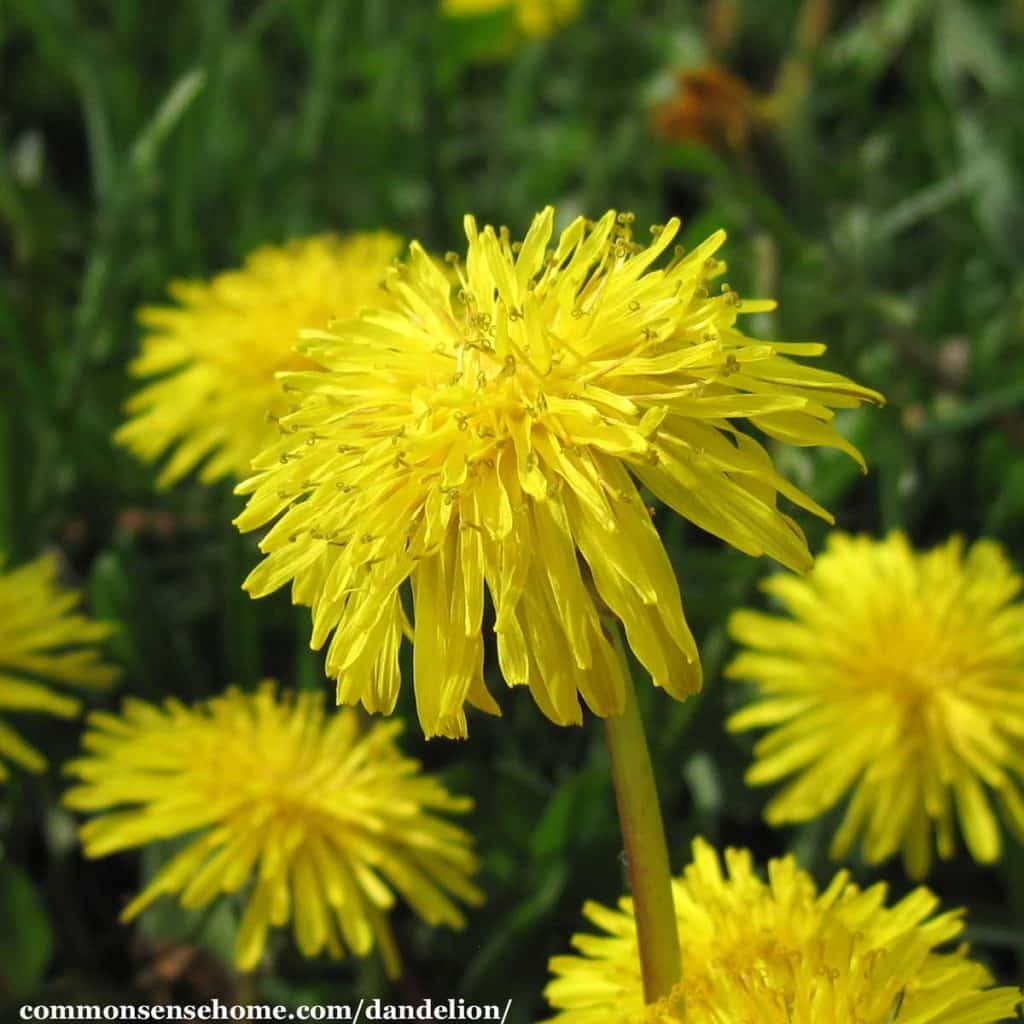
We use the flowers for wine and jelly each year. Dandelion wine is lovely – more like a very good brandy. (Get the wine recipe here and the jelly recipe here.) Add the flower petals to salads, breads or desserts, or turn the whole blossoms into fritters.

2. Supports Digestion and Gut Health
Bitters like dandelion stimulate digestive juices. This helps your body break down food more efficiently and absorb nutrients.
Traditionally, dandelion has been used as both a cholagogue (increasing bile flow) and a choleretic (increasing bile production). That makes it helpful for sluggish digestion and fat metabolism.
Many people find that a cup of dandelion tea before meals improves digestion naturally. Adding the greens to a salad may also boost bile flow.
3. Helps Relieve Constipation
The inulin of the roots acts as a prebiotic and helps to bulk up stool. The potassium and magnesium in the leaves may help relieve bloating and constipation. (Constipation is commonly associated with potassium and magnesium deficiencies.)
4. Rich in Antioxidants That Protect Cells
Studies suggest that dandelion contains compounds such as polyphenols and beta-carotene that help protect cells from damage. Research shows that dandelion extracts may reduce oxidative stress. This is a key risk factor in chronic conditions like heart disease and cancer.
Use dandelion flowers to lighten freckles and age spots, relieve sunburn and tighten pores. In Healing Wise, Susun Weed suggests covering freshly picked dandelion blossoms in boiling water. Cover your container and let steep for one hour. Strain and reserve liquid.
Place warm flowers on your target skin areas, and relax for ten minutes. Remove flowers and rinse with the flower liquid. Treat before bedtime and leave the dandelion water residue on overnight for best results.
5. May Help Regulate Blood Sugar
Some research shows that supporting stable blood sugar levels may be another dandelion benefit.
A small study suggested that participants taking dandelion root and leaf powder had significantly increased ability to manage fasting blood glucose. Compounds in dandelion may also improve insulin sensitivity.
This may be because dandelion roots contain levulin. Levulin allows the liver to convert fructose in glycogen without insulin secretion.
6. Supports Liver Function
Dandelion has long been used as a liver tonic, and modern studies suggest it may offer protective effects. Research on dandelion root extract indicates it may:
- Reduce oxidative damage in liver cells
- Support detox pathways
- Help reduce fat accumulation in the liver
These effects are linked to the plant’s bioactive compounds and antioxidant activity.
7. Natural Diuretic (Without Potassium Loss)
Unlike many commercial diuretics that can deplete potassium, dandelion leaves are naturally rich in this mineral. While they help reduce water retention, they also help replenish potassium. This makes them a gentler option for fluid balance.
8. May Support Heart Health
Because of its effects on fluid balance, antioxidants, and potential impact on cholesterol, dandelion may help reduce certain cardiovascular risk factors.
Some studies suggest that dandelion extracts may help:
- Reduce blood lipids
- Support healthy blood pressure
- Improve circulation
Again, more human studies are needed, but the traditional use aligns with emerging research.

9. Potential Anti-Cancer Properties
Laboratory studies show that dandelion root extract may slow the growth of certain cancer cells. It may even trigger apoptosis (programmed cell death). While this research is still early, it highlights the plant’s potential as part of a holistic wellness approach.
Read more about harvesting and using dandelion roots here.
10. Soothe Sore Muscles and Joints
Infuse dandelion flowers in oil to make an ointment for sore muscles, stiff joints or dry skin. Gather enough blossoms to fill a jar, and cover with olive oil. Infuse for a week or two and then strain. See How to Infuse Herbs for more detailed instructions.
11. Wart Remover
Apply the sap from the flower stalk directly to warts, calluses corns and rough skin. Rub in and repeat as needed. (The sap is antimicrobial.)
Side Effects and Interactions
Dandelion is generally considered safe for most people, but there are a few things to keep in mind:
- Some individuals may experience allergic reactions or skin irritation
- It may interact with diuretics, antibiotics, or blood sugar medications
- Because it affects fluid balance and digestion, start with small amounts
As always, check with a healthcare provider if you have existing conditions or are pregnant or nursing.
A Simple Way to Think About Dandelion Benefits
Dandelion isn’t just a weed—it’s a whole-body support plant.
- Leaves → nourish and mineralize
- Roots → support digestion and liver function
- Flowers → offer gentle topical and antioxidant benefits
It’s one of the easiest ways to move from “consumer” to “producer”—right in your own yard. (If you still have too many plants, we share how to manage dandelions here.)
To “dig in deeper” with dandelions, check out The Dandelion Workshop online course. I explain how to make and use your own tinctures, salves, teas, and infusions. There are step-by-step demonstration videos showing how to make: Dandelion jelly, Dandelion wine, Dandelion tincture, and more!


This article is written by Laurie Neverman. Laurie was raised on a small dairy farm in northwest Wisconsin, where she gathered wildflowers from the woods and pastures. She and her family live in northeast Wisconsin, on a 25 acre homestead. Every season is a new opportunity to learn more about working with wild plants.
Originally published in 2012, last updated in 2026.