Elderberry Tea 101: Recipe, Health Benefits, Q&A (original) (raw)
Elderberries have been used for centuries as a natural remedy, especially during cold and flu season. One of the simplest and most comforting ways to enjoy them is as a warm, soothing cup of elderberry tea. Whether you grow your own, forage for wild ones, or buy dried berries, elderberry tea is an easy home remedy to keep on hand.
In this post, we’ll walk you through how to make elderberry tea, why it’s good for you, and answer some common questions. I’ve also included a blended tea with extra immune boosters that’s great for gifting.
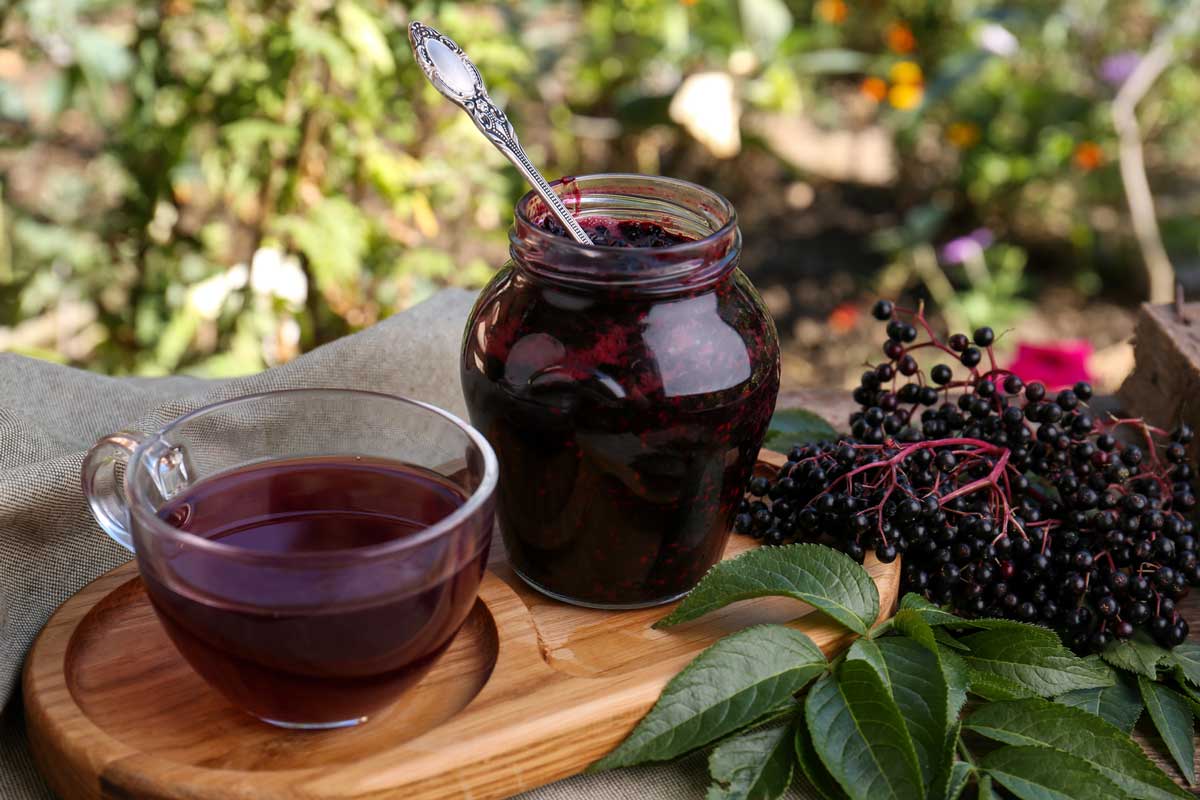
Table of Contents
Which Elderberries Are Used for Tea?
There are many elderberry species around the world. The two most commonly used for teas, syrups, and herbal remedies are:
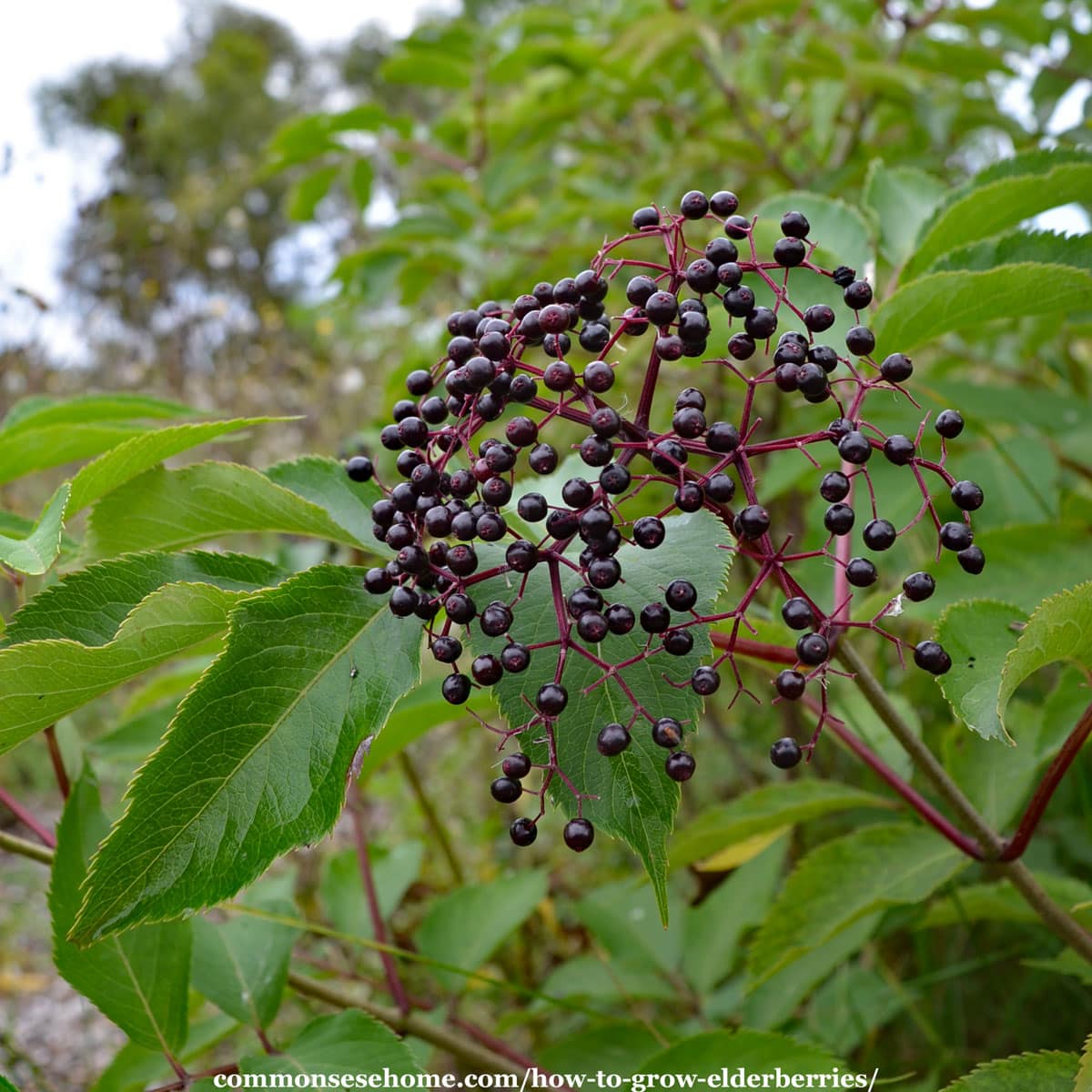
- European elder (Sambucus nigra – black elderberries): Native to Europe and parts of Asia, this is the species most often studied for its health benefits. Most commercial dried elderberries come from Sambucus nigra.
- American elder (Sambucus canadensis): Native to North America, this elderberry grows wild across much of the United States and Canada. It’s very similar to S. nigra and can be used the same way.
Both produce clusters of dark purple berries that should always be cooked before use. Avoid red elderberries (Sambucus racemosa), which can be toxic.
For help identifying wild elderberries in your area, see our guide to Wild Elderberry Identification.
Benefits of Elderberries
Elderberries are rich in antioxidants, vitamins, and flavonoids that help support immune health. Studies suggest elderberries may:
- Shorten the duration of colds and flu when taken at the first sign of symptoms.
- Ease congestion and sore throats, thanks to their natural anti-inflammatory properties.
- Provide antioxidants, which help fight oxidative stress in the body.
- Support overall wellness, especially during seasonal transitions when our immune systems get a workout.
Elderberry tea is light, hydrating, and naturally sugar-free (unless you choose to add honey). It’s a cozy drink to warm up with on chilly days, but you can also serve it iced in summer for a refreshing twist. You can use fresh, frozen, or dried berries.
5 Stars 4 Stars 3 Stars 2 Stars 1 Star
No reviews
You can use either fresh or dried elderberries to make tea. Dried berries are easiest to find and store, and they’re what most people use.
Prep Time: 1 minute
Cook Time: 15 minutes
Total Time: 16 minutes
1 tablespoon dried elderberries (or 2–3 tablespoons fresh or frozen)
1 1/2 cups water
Optional: 1 cinnamon stick, a slice of fresh ginger, or a couple of cloves
Honey or lemon, to taste
- Combine elderberries and water in a small saucepan.
- Bring to a gentle boil, then reduce heat and simmer for 15 minutes. Note: Cook elderberries to break down naturally occurring compounds that may cause stomach upset if eaten raw.
- Strain through a fine mesh strainer to remove the berries.
- Pour into your favorite mug and sweeten with honey or add lemon, if desired.
Notes
This recipe makes about one serving. If you’d like to make a larger batch, simply multiply the ingredients.
Tips for the Best Elderberry Tea
- Add immune-boosting herbs: Try blending in echinacea, rose hips, or hibiscus for extra vitamin C and flavor.
- Spice it up: Cinnamon, ginger, and clove pair well with elderberries and add warming qualities.
- Make it iced: Brew the tea, let it cool, then pour over ice with a slice of lemon.
- Batch brew: Make a quart at a time and store in the refrigerator for up to 3 days.
Winter Immune Support Apple-Elderberry Tea
Apple naturally pairs well with elderberry, adding sweetness to rounds out the tart berry flavor. This apple-elderberry tea blend is a soothing home remedy, or you can use it for gifting. The hibiscus and rose hips add vitamin C, and the spices improve circulation and digestion.
Ingredients (makes about 1 quart of loose tea mix):
- 1 cup dried elderberries
- 1 cup dried apple pieces (unsweetened)
- ½ cup dried hibiscus petals
- ¼ cup dried rose hips
- ¼ cup cinnamon chips (or 3–4 broken sticks)
- 2 tablespoons dried ginger pieces
- 1 tablespoon whole cloves
Instructions (for one pot of tea):
- Add 2–3 tablespoons of the tea mix to 3 cups water.
- Bring to a gentle boil, then simmer 15–20 minutes.
- Strain, sweeten with honey or maple syrup if desired, and enjoy warm.
For gifting, package the dried tea blend in a mason jar or craft paper bag. Add a rustic label with brewing instructions. Pair it with a small jar of local honey and a wooden honey dipper for a ready-made winter wellness kit. Add a fun mug or other tea blends for a more substantial gift.
Loose Berries vs. Tea Bags – Why It Matters
You may see “elderberry tea” sold in pre-packaged tea bags, but there are a couple of reasons to choose loose dried berries instead:
- More potent and versatile: With whole dried berries, you can control how strong you make your tea. You can also add extra herbs and spices, or simmer a larger batch for the whole family. Most tea bags contain just a small amount of elderberry — often blended with fillers or flavoring.
- Skip the microplastics: Many commercial tea bags are sealed with plastic or made from nylon, PET, or polypropylene. When you steep them in hot water, tiny microplastics can leach into your cup. A 2019 study found that some plastic tea bags can release billions of microplastic particles per cup. That’s not what you want in your “healthy” tea.
- Save money: Buying loose dried elderberries in bulk is usually cheaper per cup than pre-packaged tea bags. A pound of dried berries can make dozens of pots of tea, while a box of tea bags often costs more for far less fruit.
- More sustainable: Loose berries stored in a glass jar or tin create less waste than single-use tea bags and packaging.
If you prefer convenience, you can make your own “tea bags” with reusable muslin or cotton bags. You can also use tea balls or tea strainer that fit right in your cup. I have both, and like the strainer a bit better. I’ll brew in a glass measuring cup, and the pour over into my mug through the strainer.
Where to Get Elderberries
If you don’t have elderberry bushes growing nearby (yet), don’t worry — there are several ways to get berries for tea.
- Grow your own: Elderberries are hardy shrubs that thrive in many climates, especially zones 3–8. Once established, they produce generous clusters of berries every summer. They’re a great addition to a homestead or backyard food forest. Learn how to grow elderberries. We planted a few bushes years ago, and now we have a bounty of berries every year.
- Forage in the wild: In many areas, wild elderberries grow along roadsides, ditches, and woodland edges. Just make sure you’ve identified them correctly and harvest from clean areas away from traffic or chemical sprays.
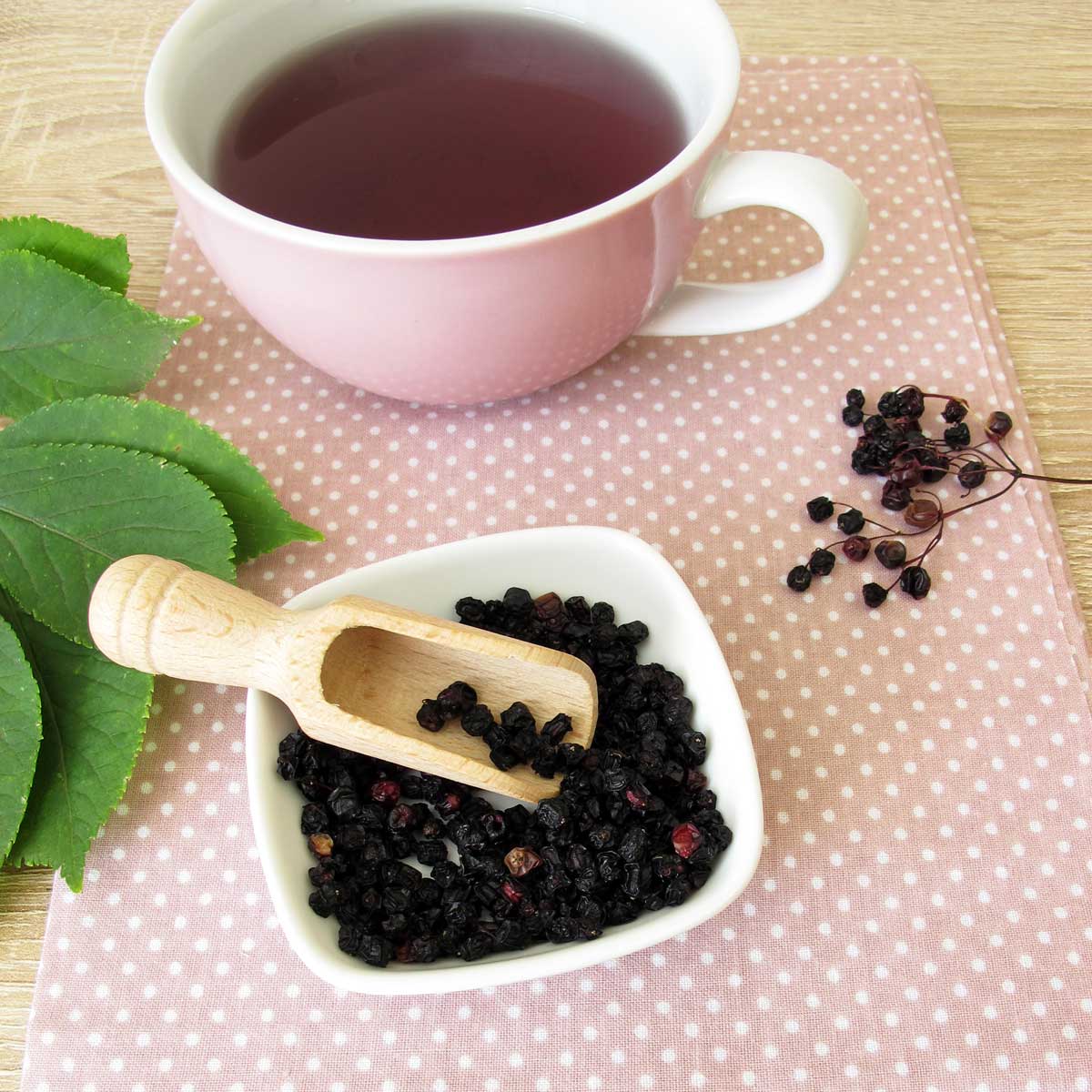
- Buy dried elderberries: You can purchase dried elderberries online or in local health food stores. Look for organic dried elderberries to avoid pesticide residue. Check reviews to make sure you’re getting whole berries, not dusty leftovers.
A small bag of dried berries goes a long way, making dozens of cups of tea. Stored in a cool, dry place in an airtight jar, they’ll last a year or more.
Frontier Co-op Organic Dried Elderberries, European Whole - Non-GMO Elderberry Berries Dried - For Tea, Immune Support - Kosher | 16 Ounce (Pack of 1)
Starwest Botanicals Organic Elderberries - Dried Elderberries for Syrup, Tea, Gummies, & Jam, Certified Kosher, Non-GMO - Bulk 2 lb Bag
Green Hill Tea Elderberry Fruit Tea Blend with Hibiscus and Black Currant, Tea – 4 oz
Frontier Co-op Organic Dried Elderberries, European Whole - Non-GMO Elderberry Berries Dried - For Tea, Immune Support - Kosher | 16 Ounce (Pack of 1)

Starwest Botanicals Organic Elderberries - Dried Elderberries for Syrup, Tea, Gummies, & Jam, Certified Kosher, Non-GMO - Bulk 2 lb Bag

Green Hill Tea Elderberry Fruit Tea Blend with Hibiscus and Black Currant, Tea – 4 oz

Frequently Asked Questions About Elderberry Tea
Can you drink elderberry tea every day?
Yes, many people enjoy a daily cup, especially during cold and flu season. Like any herb, moderation is best — 1–2 cups per day is generally considered safe for most adults.
Is elderberry tea safe for kids?
Elderberry tea is often given to older children, but always cook the berries thoroughly. For young children, consult with a healthcare provider before regular use.
Does elderberry tea have caffeine?
No, elderberry tea is naturally caffeine-free, making it a good choice for evenings or for those avoiding caffeine.
What does elderberry tea taste like?
It has a mild, earthy, slightly tart flavor — similar to blueberry or cranberry, but not as sweet. Adding honey or spices balances the tartness.
Can I use elderberry flowers instead of berries?
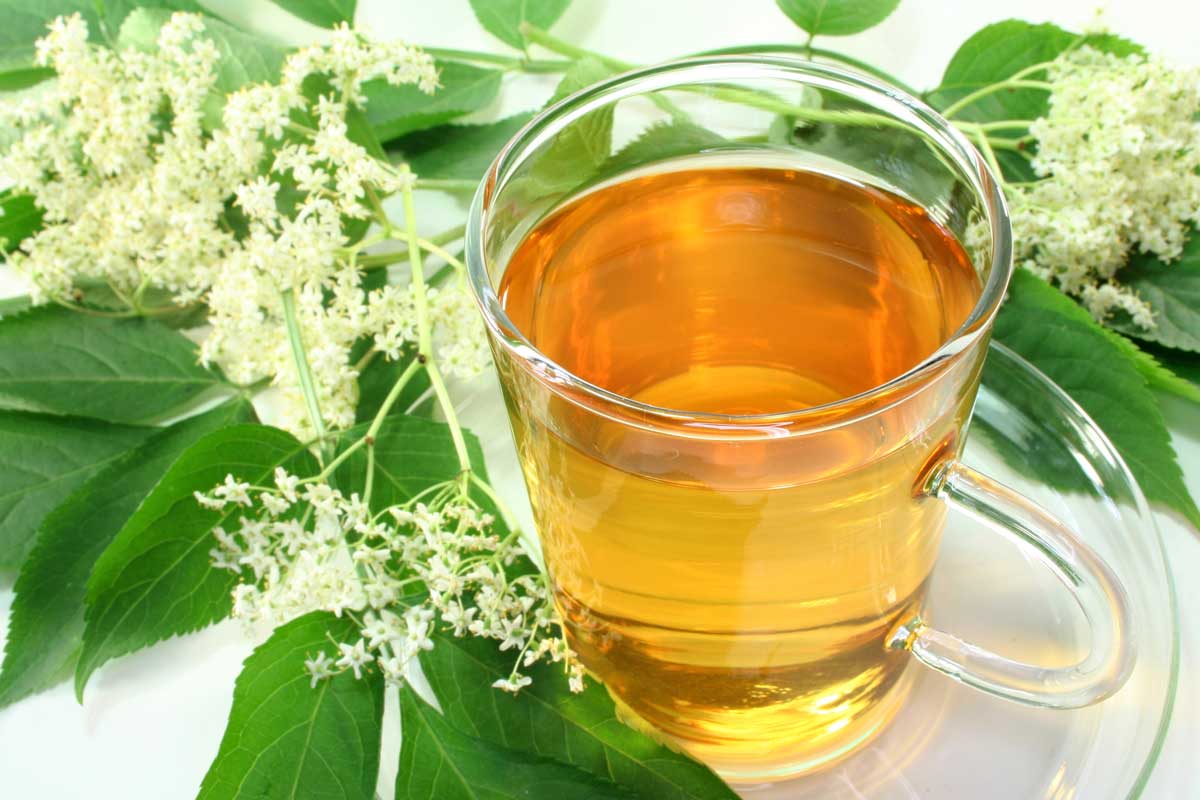
Yes! Elderflowers make a delicate floral tea with different properties. They’re traditionally used to help with fevers and seasonal allergies. Since the flowers are more delicate, we don’t need to simmer the tea.
Simply cover 1–2 teaspoons dried elderflowers (or 2–3 fresh flower heads) with one cup boiling water. Cover and let steep for 10–15 minutes (covering keeps in the beneficial vapors). Strain and sweeten with honey or lemon if desired.
Time Tested Remedies
Elderberry tea is a simple, time-tested way to support your immune system naturally. It’s easy to make, inexpensive, and adaptable to your taste. Whether you enjoy it plain, with warming spices, or iced with lemon, it’s a soothing addition to your home remedy toolkit.
You may also enjoy:
How to Make Elderberry Syrup with Fresh or Dried Berries
Want even more elderberry wisdom? Check out The Wild Apothecary – Volume 1, which features elderberry, plantain, and sweet violet.

This article is written by Laurie Neverman. Laurie was raised on a small dairy farm in northwest Wisconsin, where she gathered wildflowers from the woods and pastures. She and her family now live in northeast Wisconsin, where they combine intentional plantings and semi-wild areas. Every season is a new opportunity to learn more about working with wild plants.