In 1960, workmen laying a water main in Sussex hit old masonry, and it wasn’t just rubble: it exposed one (original) (raw)
When laborers were working on a trench for a new water main at Fishbourne in 1960, they came across masonry foundations buried beneath the surface. Initially, the foundation stones seemed to be nothing more than ordinary rubble that had always been exposed when workers were building something; however, archaeologists quickly realized that the structure was far from ordinary, as it came to be called 'Fishbourne Roman Palace', the largest Roman civil settlement found in England until then.
This chance discovery soon evolved into a huge archaeological dig that would span several years. According to the University of Southampton, the discoveries made over nine seasons of excavation compelled historians to revisit the concept of Roman power and high culture in ancient Britain. This was important, given the prevailing perception of Roman Britain as dominated by forts, roads, and a military presence.
Fishbourne offered something completely different. The magnitude of the site suggested that the Romans' domination in Britain could manifest itself in luxurious architecture, lavish ceremony, foreign cultural influences, and upper-class domestic settings to a degree that had not previously been considered feasible so far from the Roman Empire proper.
As reported by Bournemouth University, the villa at Fishbourne remains the largest Roman civil residence found in Britain, with floor space exceeding that of Buckingham Palace. This comparison explains well why the discovery came as such a shock to the archaeological world. The masonry unearthed in Sussex did not belong to some remote villa or country farmhouse.
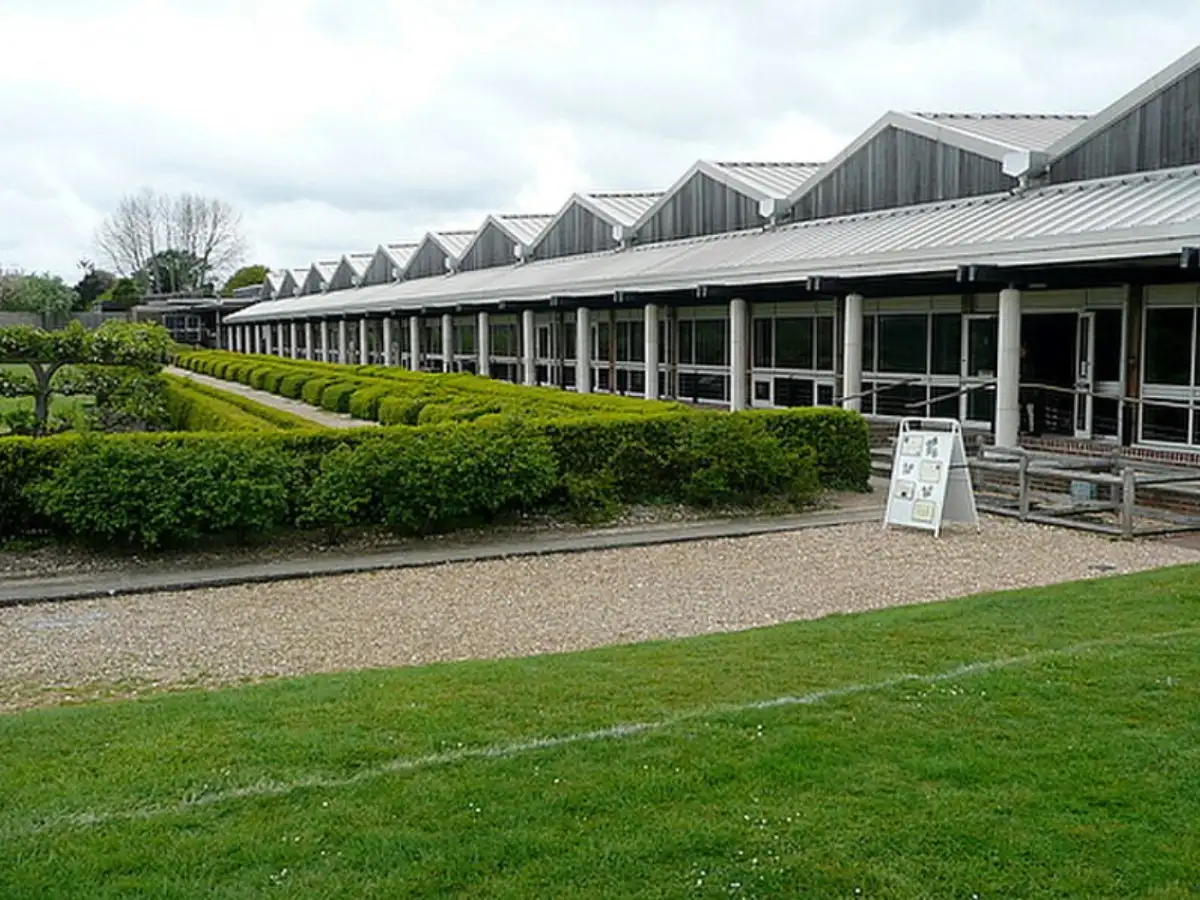
Fishbourne Palace | Image Credit: Wikimedia Commons
Fishbourne revealed how Roman Britain shifted from military control to elite display
One of the crucial discoveries at Fishbourne concerned the palace's origin, which was not independent of the history of conquest. Archaeological excavations revealed that the original purpose of the palace area was a military supply camp, built in relation to the invasion of Rome in Britain in AD 43, which then became a luxurious palace by the end of the first century.

Live Events
According to the University of Southampton dig summary, the transformation of the structure played an essential role in revealing how Roman power developed within Britain. The historical importance of this development lay in its ability to concentrate two forms of Roman power within a single building: military and elite power.
Roman Britain soon began to exhibit evidence of its ability to create a highly sophisticated environment for elites that could reflect imperial cultural styles elsewhere in the empire. This aspect was highlighted by the importation of specific architectural styles from Rome. As mentioned in Internet Archaeology, the excavation led to the discovery of highly valued decorations and portraits reflecting Roman elite culture, including marble portrait heads.
Among other things, one of the portraits found during the excavation was a portrait of a young Nero. As reported by Bournemouth University’s historical survey, the portrait did not establish only a connection between Fishbourne and the Roman conquest, but also to the empire’s visual culture.
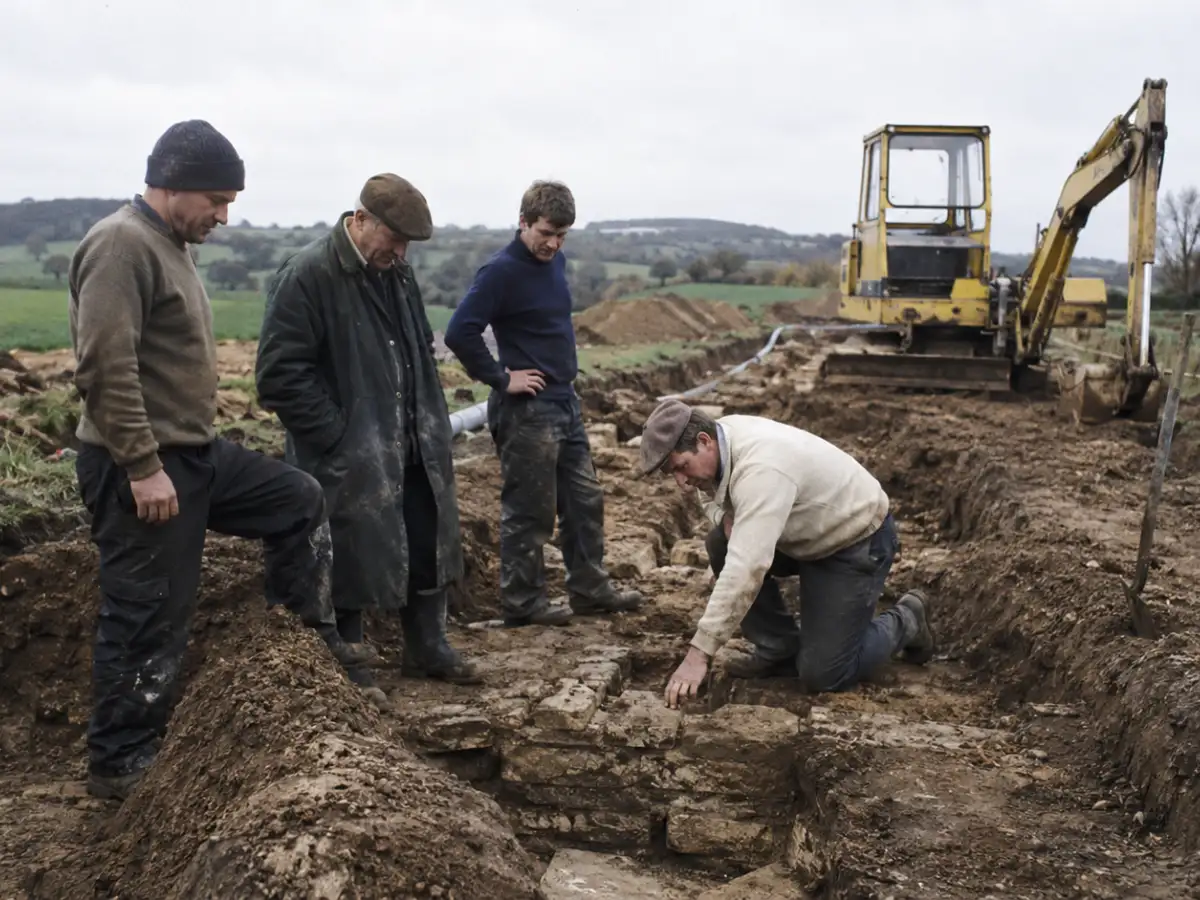
Archaeological excavations revealed that the original purpose of the palace area was a military supply camp, built in relation to the invasion of Britain by the Romans in AD 43 | Image Credit: Gemini
The discovery changed how historians understood Roman Britain permanently
The significance of Fishbourne forced historians to broaden their perception of what life was really like in Roman Britain. Until the discovery of Fishbourne, Roman Britain was often viewed from a military perspective, with a focus on military infrastructure, but with Fishbourne, another image emerged: one of an aristocratic household, grand architectural style, imported luxury items, and aristocratic life.
As stated in the University College London conference archive, Fishbourne remains one of the most significant archaeological discoveries, shedding light on the impact of early Roman culture in Britain. The Fishbourne excavation showed that Romanization in Britain was not achieved solely through military infrastructure but also through grand architectural design.
The sheer size of the site reinforced that message repeatedly, since a house larger than Buckingham Palace necessarily required a massive amount of work, planning, materials, and resources. Such buildings were never meant simply to be lived in; they were meant to be seen and to showcase the power of their occupants. As noted by Internet Archaeology, the portraits and architecture at Fishbourne combined to create an intentionally crafted visual world intimately connected with high-society Romans.
But what made this particular episode so fascinating was the sheer element of chance: nobody looking at ancient texts had any way to know such a find would occur. There were no imposing ruins to be found sticking out above ground level. It took nothing more than a typical ditch dug for a modern sewer line to uncover the structure's buried architecture. Once the walls were discovered, it became obvious that this site could not be reduced to random debris. Rather, the site changed our understanding of Roman Britain, showing it was more complex and wealthy than previously thought.