In 1991, hikers in the Alps saw a body in melting ice and found Europe’s oldest known natural human mummy, (original) (raw)
Synopsis
The year 1991 marked a pivotal moment in archaeological history when Ötzi the Iceman was uncovered in the Alps. This astonishingly preserved figure from over five millennia ago provides an extraordinary insight into life during the Copper Age. His artifacts and attire are treasure troves of information, enriching our understanding of this era.
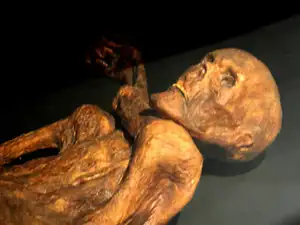
The mummified remains of Ötzi on display at the South Tyrol Museum of Archaeology | Wikimedia Commons
In September 1991, an ordinary Alpine hike turned into something extraordinary, changing the course of modern archaeology. While out for a walk, Helmut and Erika Simon spotted what looked like a body on a glacier along the Austria-Italy border. No one imagined they'd stumbled upon an ancient find; they thought it might just be a recent victim of a climbing accident, considering the dangerous conditions up in those mountains.
According to a review in the National Center for Biotechnology Information, what first looked like a modern-day fatality was actually one of the oldest and best-preserved mummies ever found, and the initial confusion gave way to astonishment when tests revealed the person's true age.
But what the world didn't know then was that the body had been preserved in ice for over five thousand years. When people discovered its true age, it was named Ötzi the Iceman. He's a Copper Age mummy, naturally preserved, that gave scientists tons of insights into how Europeans lived way back then.
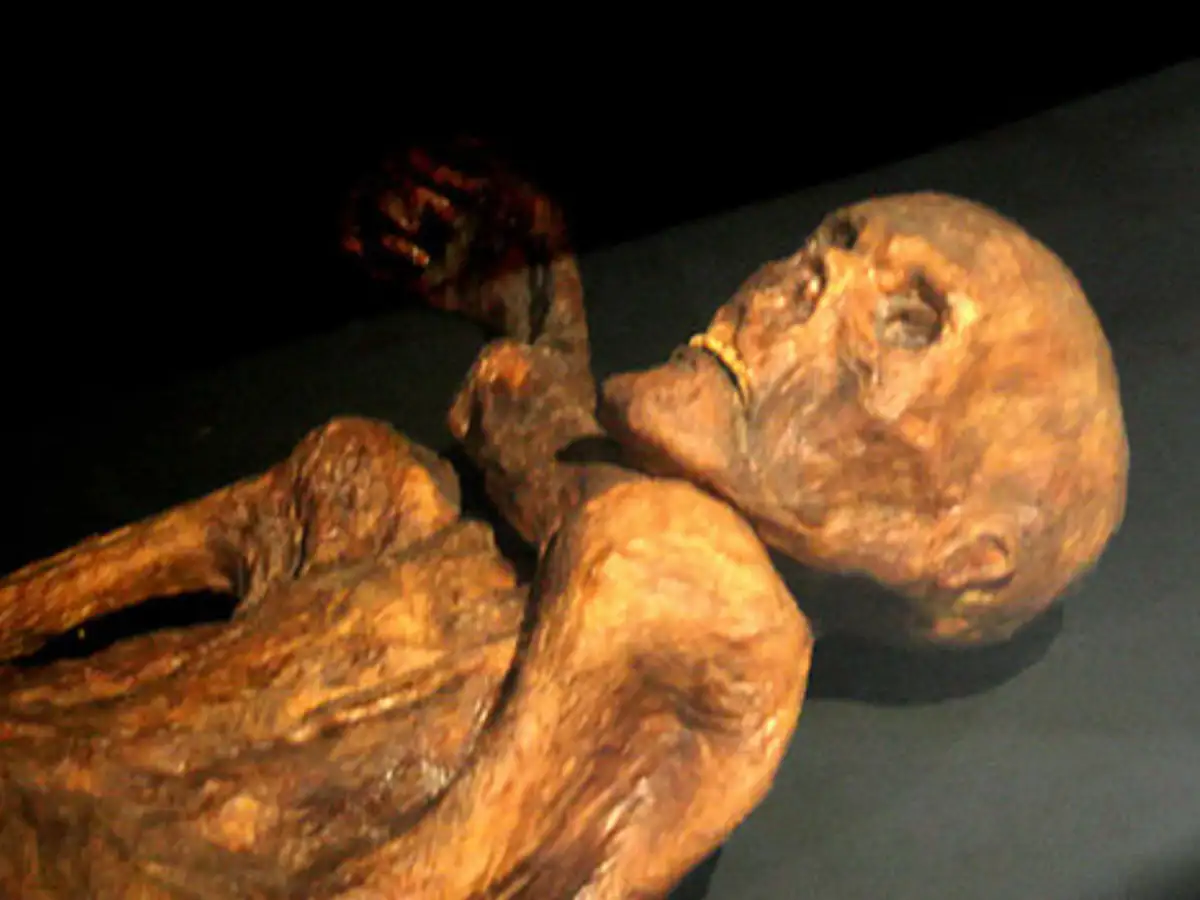
The mummified remains of Ötzi on display at the South Tyrol Museum of Archaeology | Wikimedia Commons
What looked like a modern tragedy
On September 19, 1991, up at about 3,200 meters in the main Alpine ridge, they made a discovery. This spot is where people first came across the naturally mummified Ötzi, complete with his gear. Found poking out from the melting glacier ice in the Ötztal Alps, Ötzi was, at the time, mistaken for something else entirely.
The first folks to come upon him were a pair of hikers, Helmut and Erika Simon, who thought they stumbled onto a recent mountaineering casualty, and understandably so too. The ice had done such a great job preserving him that his real backstory wasn’t apparent right away, but as experts looked more closely and examined the stuff he was buried with, they realized this was no ordinary recent find. It turned out to be way bigger, and they were actually peering into the depths of prehistory.

Live Events
The glacier had preserved a Copper Age traveler
The story got even more fascinating. Current Biology published a study uncovering Ötzi's last meal and confirming he lived around 5,300 years ago during Europe's Copper Age. This study also points out that an important factor in finding his remains was melting glacier ice in 1991. Without that, the spot might've stayed put, covered by frozen water. This ice worked as a giant freezer for ages, protecting everything there from vanishing. Not just Ötzi, but his clothes and tools too, had been shielded from decay thanks to those cold temperatures and steady conditions inside the glacier.
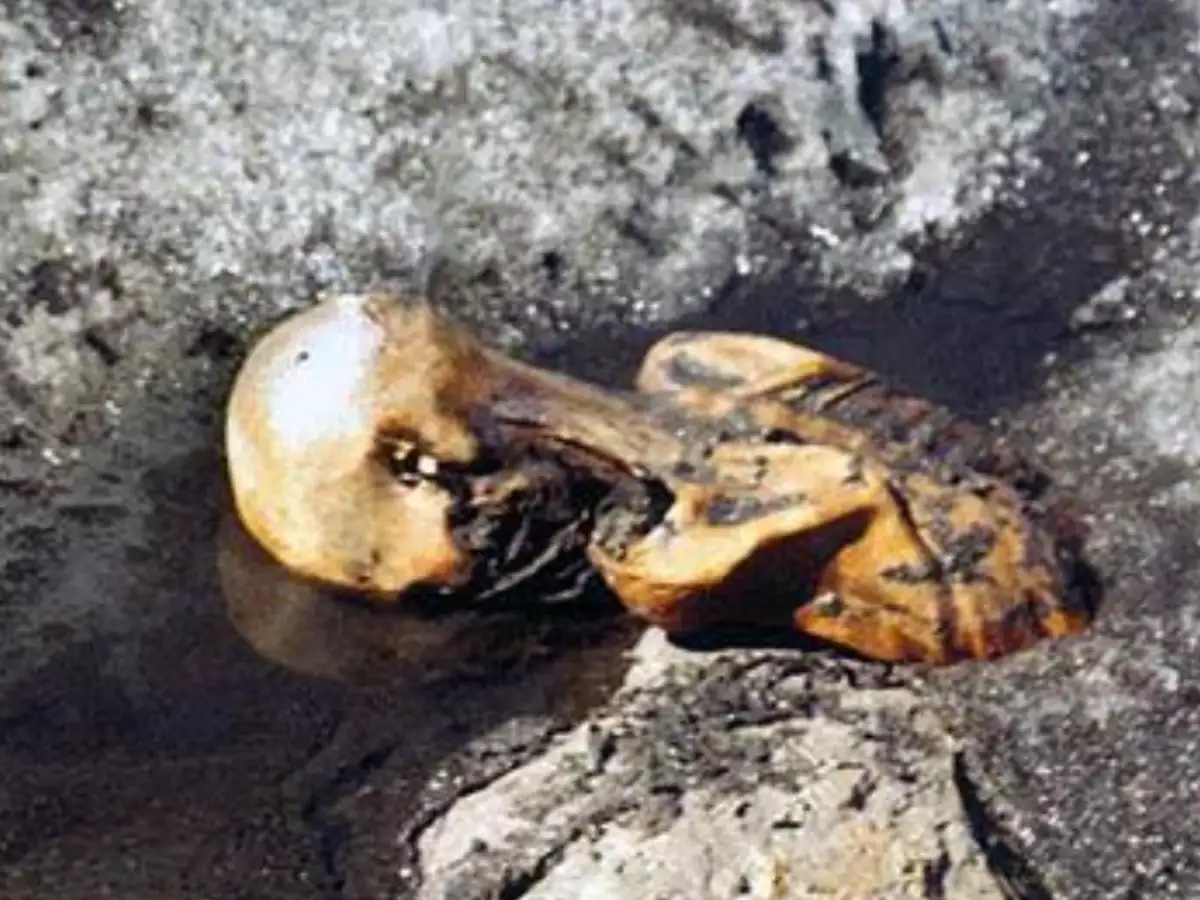
Ötzi frozen in the glacier, photographed by Helmut Simon upon discovery in September 1991 | Wikimedia Commons
A time capsule from prehistoric Europe
Ötzi mattered because more than just his body was preserved. As a PLOS ONE study notes, he had a complete set of gear and personal stuff too. That turned the find into a special peek at daily life in the Copper Age. Nowadays, researchers keep discovering new things. In 2023, a Cell Genomics study shows Ötzi is the world’s oldest glacier mummy, living around 3350 to 3120 BCE. Even after over thirty years since we found him, scientists use new tech to uncover details on his origins, health, food, and surroundings.
This find reminds us that history can surface in unexpected ways, since archaeologists usually discover ancient sites through digs and planned studies. Yet, Ötzi showed up thanks to melting glaciers and plain luck- someone found him just because the ice preserved him for over 5,000 years before revealing him. It's the mix of fortune, protecting frost, and clever detective work that makes Ötzi so fascinating. The Simons, Helmut and Erika, were looking for modern accident remnants; instead, they stumbled upon a huge historical treasure. Over three decades on, Ötzi still tops the charts for showing how a random find can reshape our views of ancient times.
(Catch all the US News, UK News, Canada News, International Breaking News Events, and Latest News Updates on The Economic Times.)
Download The Economic Times News App to get Daily International News Updates.
...moreless