Root cause: India’s spice crown under threat as quality concerns trace back to farms (original) (raw)
India, the land of spices, is now facing the looming threat of losing its crown as the global leader in the spices trade. Although the country continues to dominate the global spice trade with exports of around Rs 40,000 crore annually, repeated shipment rejections and tightening international food safety standards have exposed a critical weakness in the value chain, experts say. A significant part of the problem, they say, originates at Indian farms, where indiscriminate pesticide use, the continued use of banned chemicals, limited adoption of integrated pest management (IPM), and poor awareness of sustainable alternatives are undermining the quality and export competitiveness of Indian spices.
The fragmented structure of farms in the country makes this even worse. Spices are grown across vast, varied regions mostly by small and marginal farmers who lack modern tech, expert guidance, and affordable digital solutions. As global food safety rules tighten, experts say India needs a dedicated policy to deliver traceable, residue-safe, sustainable spices. Madhya Pradesh, Gujarat, Rajasthan, Andhra Pradesh, and Telangana are the major producers of spices in India.
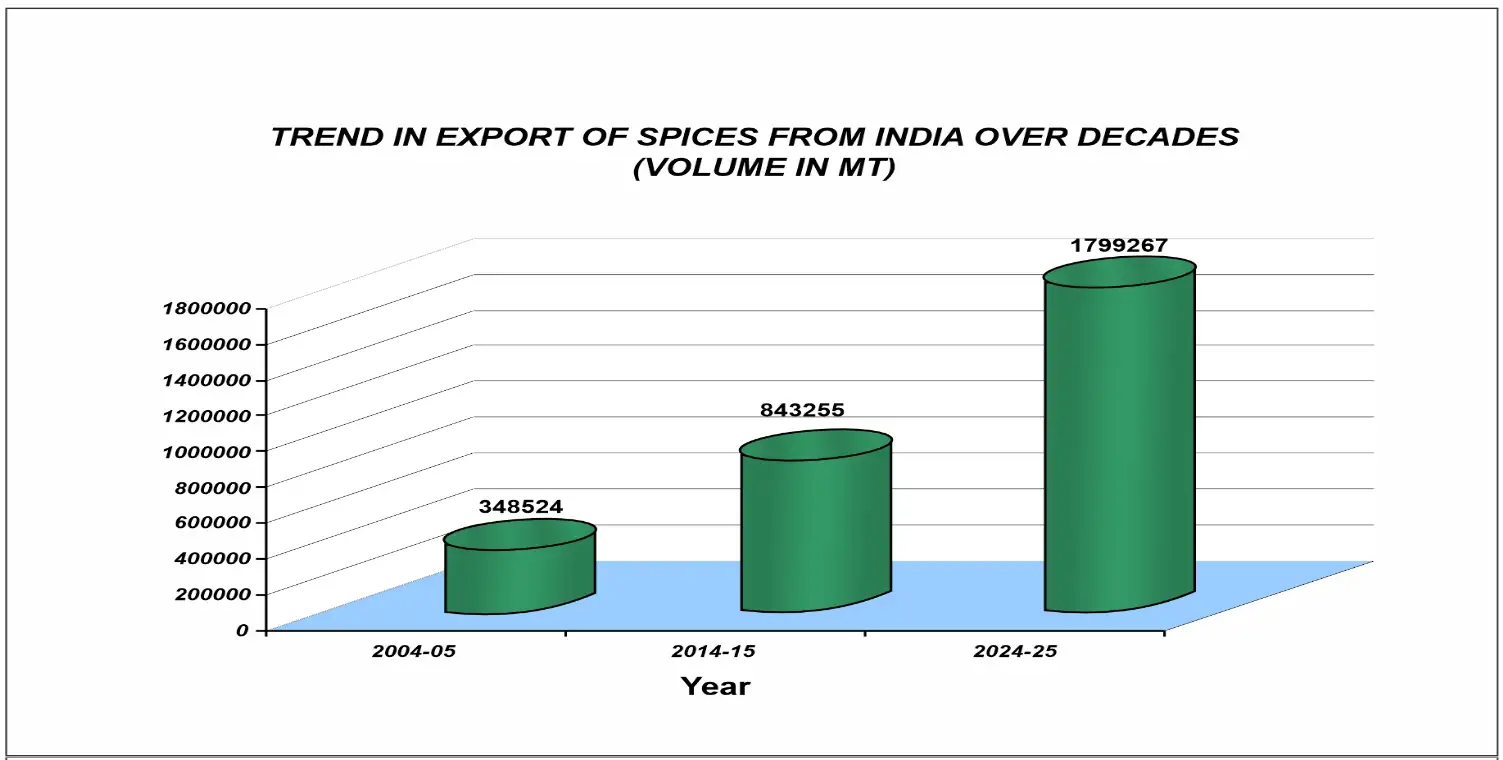
Source: Spices Board of India
U. Karthik, Director of Asian Spices & Co. and Co-Chairman of the Federation of Indian Spice Stakeholders (FISS), believes that India needs a multidisciplinary committee, comprising scientists, industry representatives, farmer groups, and policymakers to periodically update cultivation protocols and develop scientifically validated packages of practices (POP) that can deliver pesticide-free, high-yielding, and fully traceable spice production. “Even within the recommended packages of practices of agricultural institutions, such as ICAR, chemical pesticides continue to be prescribed for crops like cumin,” he says.
Karthik further highlights that export compliance challenges today extend beyond pesticide residues. “Importing markets, such as the UK and the European Union (EU), have introduced additional regulatory requirements. In cumin, for instance, testing for Pyrrolizidine Alkaloids (PAs) has become mandatory over the past two years, with a maximum allowable limit of 400 parts per billion (ppb),” says Karthik.
Notably, India exports more than 225 spices and value-added spice products to nearly 200 countries, according to the Spices Board of India. India is the world’s largest consumer of spices. China, US, and Bangladesh are among the leading export destinations.

Live Events
In recent years, Indian spices have come under heightened scrutiny in key export markets, particularly in the US and the EU, following a series of shipment rejections linked to excessive pesticide residues, including ethylene oxide, microbial contamination such as Salmonella, and the presence of unapproved food additives. Global food safety regulators have repeatedly flagged and halted consignments for failing to comply with prescribed Maximum Residue Limits (MRLs) and other import standards.
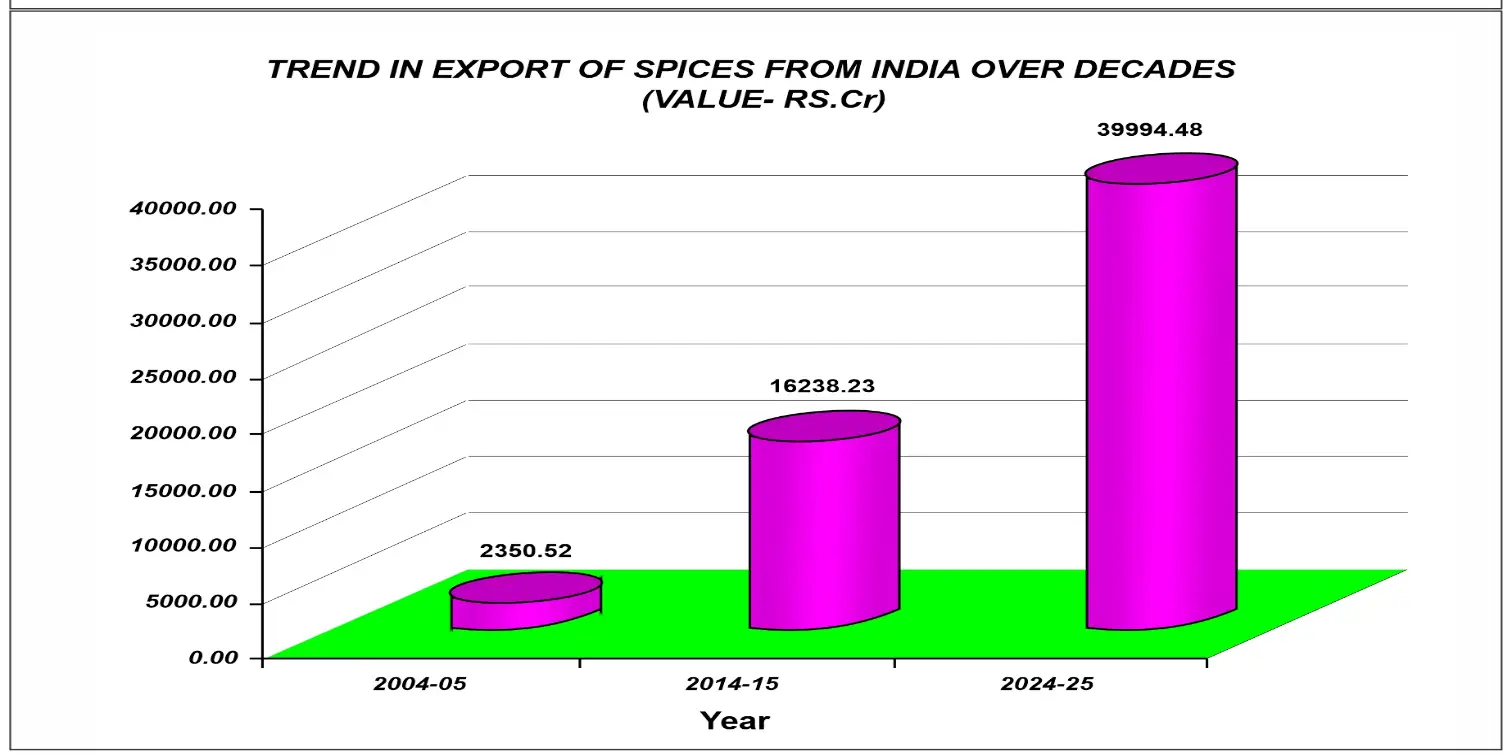
Source: Spices Board of India
Traceability: The missing link
Experts argue that export-quality spices begin with farmer-level traceability systems capable of linking cultivation practices, pesticide applications, testing records, and final consignments back to individual farms. Aditya Sesh, Member of the Expert Committee on eNWRS, an initiative under the Ministry of Agriculture & Farmers’ Welfare, says mixing produce from different farms during aggregation creates varying quality and chemical profiles, making traceability and contamination control harder before processing and exporting.
“Past testing data showed failure rates of nearly 12% in some consignments, causing not just direct losses but reputational damage to Indian agricultural exports. A single rejected container can cost Rs 25 lakh to Rs 1 crore, excluding return freight, destruction, demurrage, extra inspections, and higher compliance costs on future shipments. Mixing of produce during aggregation remains a persistent traceability challenge. With the global food safety norms tightening, India must significantly scale up monitoring, farmer education, traceability, and scientific compliance systems,” adds Sesh.
India’s reputation challenge
Speaking at a PHDCCI event in April, Smita Sirohi, ICAR National Professor and MS Swaminathan Chair, highlighted the scale of the challenge facing India’s spice exports. During the event, she noted that India accounted for more than 6,800 of the nearly 13,800 global rejections recorded in the spices, flavours and salts category. Since 2003, the EU alone has issued nearly 413 alerts against Indian herbs and spices.
“The main issue is pesticide contamination, especially ethylene oxide. Early cases triggered broad scrutiny, with isolated rejections hurting India’s reputation across categories like sesame. Varying regional regulatory limits have further amplified buyer concerns. The root problem is at the source. Fixing it needs coordinated action by the Spices Board and industry. Policy can enable, but closing gaps in production, processing, and compliance is key. Claims of natural occurrence or transit contamination need scientific proof via research with ICAR, unsupported explanations damage credibility. This signals a wider gap with global standards. India must back its export volume leadership with equal strength in quality and trust,” says Sirohi.
Domestic GI tags aren’t enough, as India lacks GI recognition in key markets like the EU, while Sri Lanka’s GI cinnamon earns a premium, says Sirohi. At home, weak awareness, inconsistent quality, and poor branding dilute GI value. India also lags on value addition, exporting mostly raw ingredients while global demand shifts to finished blends for Western cuisines.
“Similarly, products like turmeric are exported in raw form instead of higher-value derivatives like curcumin. Branding and product communication are also weak. International buyers expect detailed specifications, composition, active content, and quality metrics, which Indian exporters often fail to provide adequately. Finally, long-term relationships with global buyers remain underdeveloped. While India participates in trade fairs, it lacks sustained engagement with importers and industry bodies, unlike competitors who maintain continuous institutional linkages,” says Sirohi.
R.G. Agarwal, Chairman Emeritus, Dhanuka Agritech, says Indian spice rejections aren’t only about contamination. They reflect farm practices, post-harvest handling, processing controls, destination-country standards, and trade compliance. While real cases include pesticide residues, ethylene oxide, aflatoxins, and microbial issues, not every rejection means systemic contamination across Indian spices.
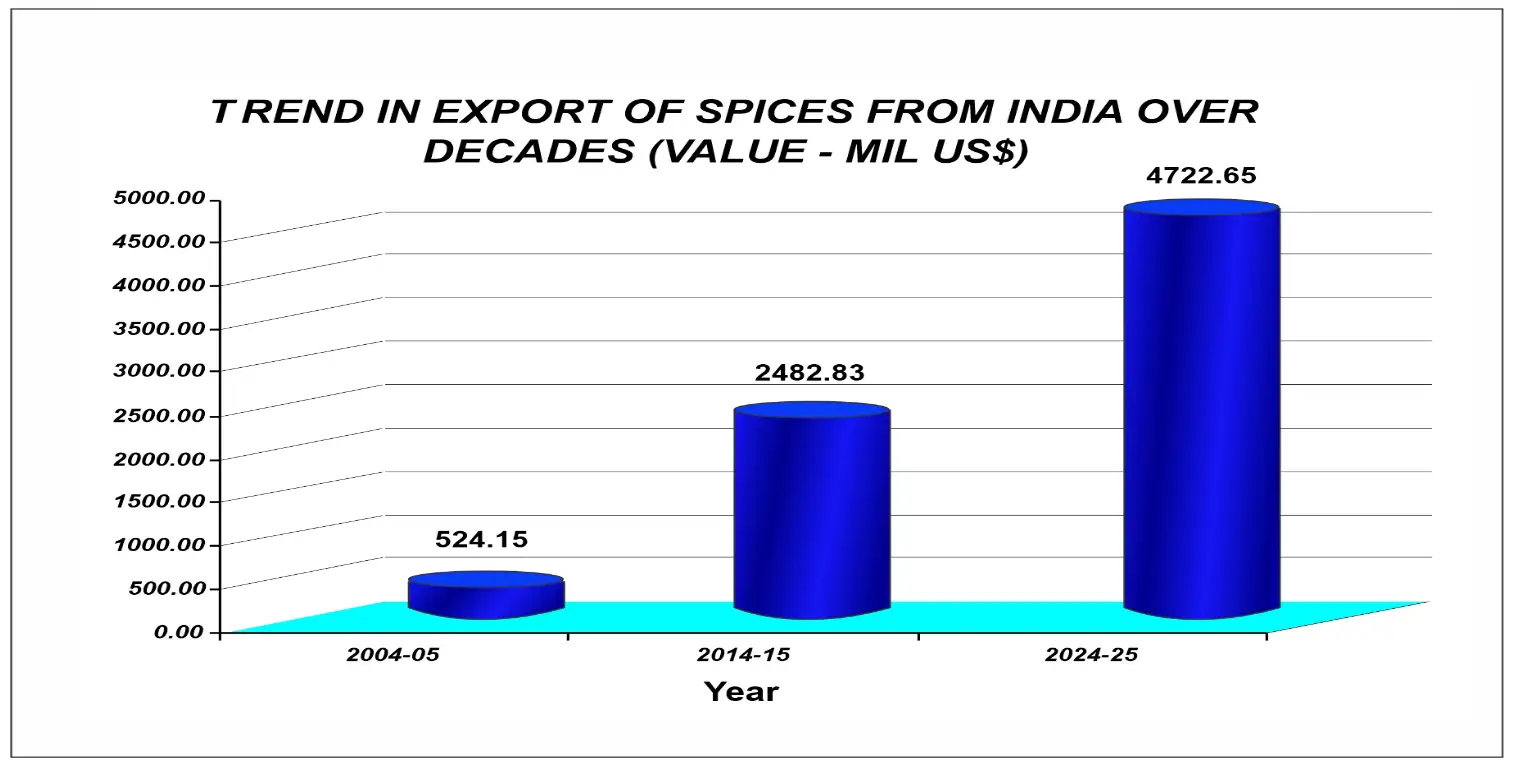
Source: Spices Board of India
“A major challenge is regulatory divergence. Codex MRLs (maximum residue limits) are intended to support food safety and facilitate international trade, and the WTO-SPS framework encourages harmonisation around international standards. However, importing countries often apply their own residue limits or zero-tolerance positions, sometimes stricter than Codex. This creates a complex compliance environment for exporters, especially when one country permits a residue level while another treats the same residue as non-compliant. This is a critical gap to be addressed by global regulators and deliberate about how they can allow multiple standards for the same activity in the same crop with the same GAP across the globe,” adds Agarwal.
Agarwal proposes a spice traceability system modeled on APEDA’s GRAPENET for grapes, digitally linking farm registration, pesticide use, residue testing, and consignment traceability to plot level. A “SpiceNet” run by the Spices Board or ICAR-NRCSS with exporters would let buyers source only from farmers following approved protocols, he says.
The road ahead
Industry leaders agree India needs an integrated farm-to-brand strategy. The spice challenge starts at the farm, not the port. Karthik stresses that proper threshing at the farm level is critical to remove stalks, stones, and sand. Cross-contamination between IPM-grade spices and allergens like mustard must be prevented. Post-procurement, batch testing and SOP-driven cleaning and sortex are essential. This farm-to-process integration ensures quality, consistency, and traceability. He argues global trust demands consistent quality, world-class processing, and certifications like ISO 22000 and BRC.
“Despite a 5,000-year legacy, Indian spices aren’t the global benchmark for quality, aroma, or medicinal value,” says Karthik. GI-tagged spices need promotion and sustained global branding to build authenticity. Like Californian almonds, India should use stories of sustainability, traceability, and farmer livelihoods. In value addition, India exports over 70% of spices as raw bulk, losing margins from blends, oleoresins, and nutraceuticals. Low R&D hinders innovation in extraction and functional foods. India also has less than 1% of the $14 billion global seasoning market, lagging China and the US, a major missed opportunity,” says Karthik.
A spice manufacturer says the ‘purity to prosperity’ chain, consumers, processors, and farmers, is misaligned: consumers want premium quality, but farms treat spices as bulk commodities, and poor mandi handling creates inconsistency, leaving processors to spend more on cleaning than innovation. “Multiple checkpoints raise costs, yet consumers pay for defect removal, not better quality. The goal is a “spice route” built on trust and consistency, not volumes,” he adds.