Florida Vegetable Gardening Guide (original) (raw)
Vegetable gardening offers fresh air, sunshine, exercise, enjoyment, mental therapy, nutritious fresh vegetables, and economic savings, as well as many other benefits (Figure 1). Vegetables can be grown year-round in Florida if attention is paid to the appropriate planting dates (Table 1). Warm season vegetables such as tomatoes and peppers are damaged or killed by frosts and freezes and won’t thrive when the soil is too cool. North Florida is especially vulnerable so residents of that region should note the dates of late frosts. (see https://plantmaps.com/en/us/lf/state/florida/average-last-frost-dates-map). Frosts and freezes occur occasionally in Central Florida and rarely in South Florida.
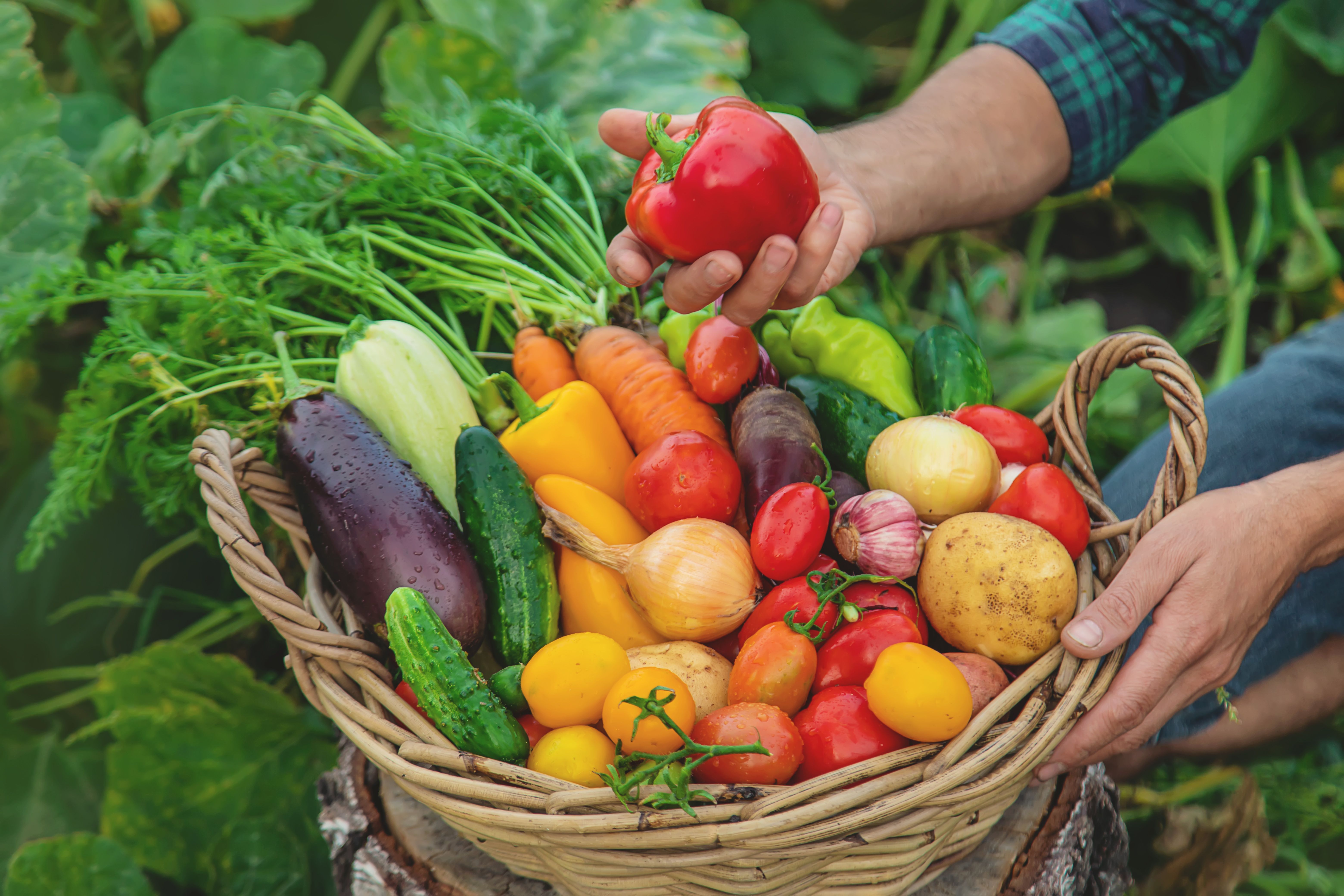
Figure 1. Vegetable gardening offers fresh air, sunshine, exercise, enjoyment, mental therapy, nutritious fresh vegetables, and economic savings, as well as many other benefits.
Credit: Adobe Stock Image
Planting times are also available on any device from https://floridafresh.ifas.ufl.edu. To use, simply enter your zip code and a list of vegetables will be generated for the time of year. Again, note frost dates for your area and adjust planting times accordingly.
While this guide provides recommendations primarily for traditional home gardens, the information may be useful in other situations, such as community gardens, market gardens, and unconventional approaches like container and raised bed gardens (see Gardening in Raised Beds [https://edis.ifas.ufl.edu/ep472]).
Site
For convenience, locate the garden near the house on a well-drained site close to a source of water and in a location that receives at least six hours of direct sunlight daily. With proper care, vegetables may also be included in the landscape among ornamental plants. Coastal sites are also suitable. Where possible, rotate the garden from place to place to help control soil diseases and other pests.
Plan
Before planting, draw a garden plan that includes the name, location, and planting date(s) of the vegetables you want to grow. Use the planting guide (Table 1) to develop your plan. Make a list of supplies and order or purchase seeds early if you intend to grow your own transplants. The planting guide lists which vegetable seedlings transplant easily and which do not. Vegetables that are difficult to transplant should be seeded directly into the garden or started in containers first.
Soil Preparation
Gardeners often plant on whatever soil type is available, but it is usually worthwhile to improve the garden plot with additions of organic matter (see below). This is also a suitable time to do a soil pH test, see “Adjusting Soil pH” below. Spade or plow the plot at least three weeks before planting. At planting time, smooth and firm the soil surface.
Organic Matter
Most Florida soils are low in organic matter and therefore benefit from the addition of organic matter such as animal manure, rotted leaves, compost, commercial soil mixes, and/or cover crops. Composted organics may be applied at planting time; un-composted organics (such as fresh grass clippings) should be composted first or mixed into the soil at least a month before seeding. Due to low and inconsistent levels of nutrients in compost, accompanying applications of inorganic or organic fertilizer may be beneficial (ee "Fertilizing" below). Thoroughly mix liberal amounts of un-composted organics in the soil well in advance of planting, preferably at least a month before seeding. Animal manure if used should be spread at a rate of 25–100 pounds per 100 square feet and should be worked into the soil 90–120 days before harvesting any vegetables. See Organic Vegetable Gardening in Florida (https://edis.ifas.ufl.edu/hs1215).
Compost
Create your own "garden gold" by converting yard wastes to compost (Figure 2). Composting is easy to do and yields a high quality soil amendment which greatly benefits Florida's infertile native soils. See Compost Tips for the Home Gardener (https://edis.ifas.ufl.edu/EP323).
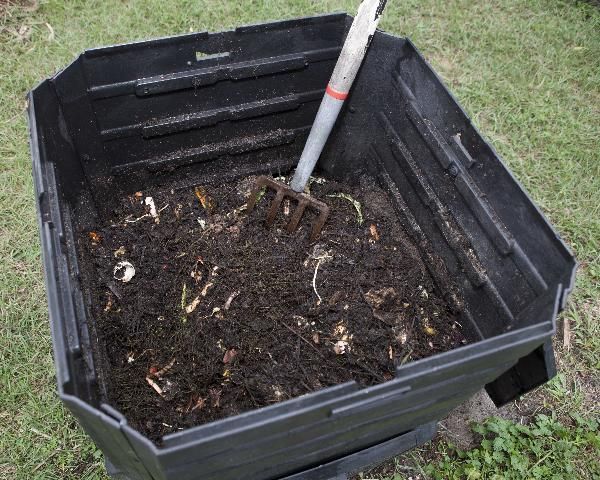
Figure 2. Create your own "garden gold" by converting yard wastes to compost
Credit: UF/IFAS
- Buy a compost unit or build one from recycled wood pallets, concrete block, sturdy wire, etc. The minimum size should be 3'×3'×3'.
- Make successive, 3-4-inch-thick layers of plant waste—such as leaves, lawn clippings, shredded branches, and wood chips. Kitchen scraps may also be used.
- Animal (not pet) manure, finished compost, blood meal, or fertilizer can be added to each layer if desired.
- Moisten each layer and keep the pile moist.
- Turn the pile frequently to add oxygen and help the decomposition process.
- Depending on how intensively it is managed, compost should be ready for use in two to twelve months, when plant parts are fully decomposed.
- Cover the pile to keep rain from leaching nutrients from it.
Cover Crops (Green Manure)
Cover crops can be planted in off-seasons to prevent erosion and to suppress weeds and nematodes. The following cover crops are recommended for Florida gardens:
- Summer: cowpea, velvet bean, soybean, sunflower, and sunn hemp
- Winter: cereal rye (FL 401), crimson clover, and Austrian winter pea
When a cover crop is turned into the soil, the decaying organic matter (green manure) supplies organic matter and nutrients. Some cover crops, such as sunn hemp, sorghum, and rye, can also suppress nematodes.
For more information, see Nematode Management in the Vegetable Garden (https://edis.ifas.ufl.edu/NG005) and Soil Organic Matter, Green Manures, and Cover Crops For Nematode Management (https://edis.ifas.ufl.edu/vh037).
Adjusting Soil pH
Soil pH is important because it determines how available nutrients are to plants. The best pH range for vegetable gardens on sandy soil is between pH 5.8 and 6.3. If your soil pH is between 5.5 and 7.0, no adjustment in pH needs to be made.
If your soil pH is below 5.5, apply lime at a rate recommended by a reliable soil testing facility, such as the UF/IFAS Extension Soil Testing Laboratory https://soilslab.ifas.ufl.edu/extension-soil-testing-laboratory/. Two to three pounds of finely ground dolomitic limestone per 100 square feet will usually raise the pH one point. Caution: Application of lime when it is not needed may create plant nutrition problems. Lime is best applied two to three months before the garden is to be planted. However, lime may be applied as late as one or two weeks before planting. Make sure the lime is thoroughly mixed into the soil to a depth of 6-8 inches, then water the soil to promote the chemical reaction.
If your soil pH is naturally above 7.0 (alkaline), where limestone, marl, or shells are present, there is no practical way of permanently lowering soil pH. Additions of acidic organic matter will help, but only temporarily. Use a fertilizer that contains micronutrients. If the high pH is the result of previous over-liming, application of granular sulfur (1 lb/100 sq ft) will lower soil pH.
Unless large quantities of organic matter are applied, commercial synthetic fertilizer is usually needed for Florida gardens. Gardeners find it convenient to use commonly available fertilizer grades such as 10-10-10. However, some Florida soils contain adequate phosphorus (the middle number), and additional amounts should not be added as phosphorus is a pollutant in surface water such as lakes and rivers. A soil test will provide guidelines for the amount of phosphorus and other nutrients to apply.
Using the amount of fertilizer recommended on the product or based on your soil test results, broadcast fertilizer over the entire garden plot just before planting. During the growing season, 2 or 3 light applications of fertilizer can be applied as needed. Apply the fertilizer just beyond the outer leaves. Leafy vegetables such as lettuce, kale, and collards benefit from side dressings of nitrogen-containing fertilizer such as ammonium nitrate. Tuber and root crops, like carrots and potatoes, respond to potassium fertilizer such as muriate of potash.
More information on organic fertilizers and nutrient management can be found in Organic Vegetable Gardening in Florida (https://edis.ifas.ufl.edu/hs1215).
Vegetables cannot tolerate standing water from excessive rainfall or irrigation. At the same time, vegetables need soil moisture to grow and produce. Frequency of irrigation depends upon rainfall, the age of the crop, and your soil type. Young plants need frequent but light irrigation; maturing crops need more water but less often. Sandy soil demand more frequent irrigation than clay, muck, or amended soils. Conserve water by adding organic matter to the soil and using mulch. There are diverse types of irrigation, and more than one method may need to be used. Drip irrigation and micro sprayers are among the most efficient systems. See, Efficient Irrigation for Florida-Friendly Edible Landscapes (https://edis.ifas.ufl.edu/publication/EP617). Make a slight depression at the base of plants to hold water until absorbed by the soil.
Gardeners can extend the growing season with protective covers and structures that reduce plant stress and damage from hot and cold temperatures. Commercial growers use shade houses, high tunnels, and row covers; gardeners can adopt modifications of these approaches (Figure 3). To learn more, see Veggies and Herbs Made in the Shade (https://edis.ifas.ufl.edu/hs1228) and Row Covers for Growth Enhancement (https://edis.ifas.ufl.edu/cv106). Remove covers when plants that need bees for pollination begin to flower. These are all the vegetables listed in Table 1 as members of the Squash/Cucurbitaceae family.
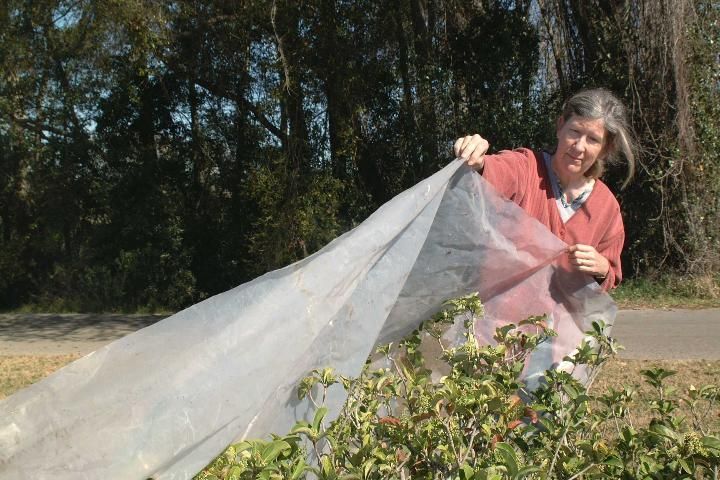
Figure 3. Commercial growers use shade houses, high tunnels, and row covers; gardeners can adopt modifications of these approaches.
Credit: UF/IFAS
Pests in the vegetable garden include weeds, insects, mites, diseases, nematodes, and even animals such as raccoons and birds that might consume the vegetable crop.
A gardener has many options for reducing pest problems; see Natural Products for Managing Landscape and Garden Pests in Florida (https://edis.ifas.ufl.edu/in197). Pesticides can be harmful to people, pets, beneficial insects, and the natural environment and should be used only after all other pest-management steps have been taken. When choosing pesticides, use the least toxic pesticides first.
No-Pesticide Approaches
- Follow recommended planting date(s) listed for each vegetable in Table 1. However, be aware that vegetables planted in late summer or early fall (August or September) will be susceptible to insects and diseases that thrive in hot weather. Likewise, cold-tender vegetables planted in late winter or early spring may be damaged by frosts or freezes if not protected with covers (see "Extending the Gardening Season" above for more information on covers).
- Rotate vegetables so that the same vegetable (or a member of the same vegetable family) is not planted repeatedly in the same areas. The plant family for each vegetable is listed in Table 1.
- Till or hand-turn the soil well in advance of planting to discourage soil insects—especially when the garden is a converted lawn area. The garden soil should be turned and free of weeds, grass, and woody material at least 30 days before planting.
- Control weeds in and around the garden because they can be a source of insects and diseases. Weed control is best accomplished by mulching and hand-pulling or hoeing small weeds. Recommended mulches are straw, fallen leaves, and unfinished compost. Wood mulches and un-decomposed sawdust should not be used. Weeds around the outside of the garden and between rows can be reduced by putting down several layers of newspaper and then covering them with leaves.
- Choose adapted varieties with resistance or tolerance to nematodes and common diseases (Table 2).
- Purchase healthy transplants that are free of insects and disease symptoms (such as leaf spots or blights). Avoid transplants that are already flowering. Consider growing your own transplants from seed (Figure 4).
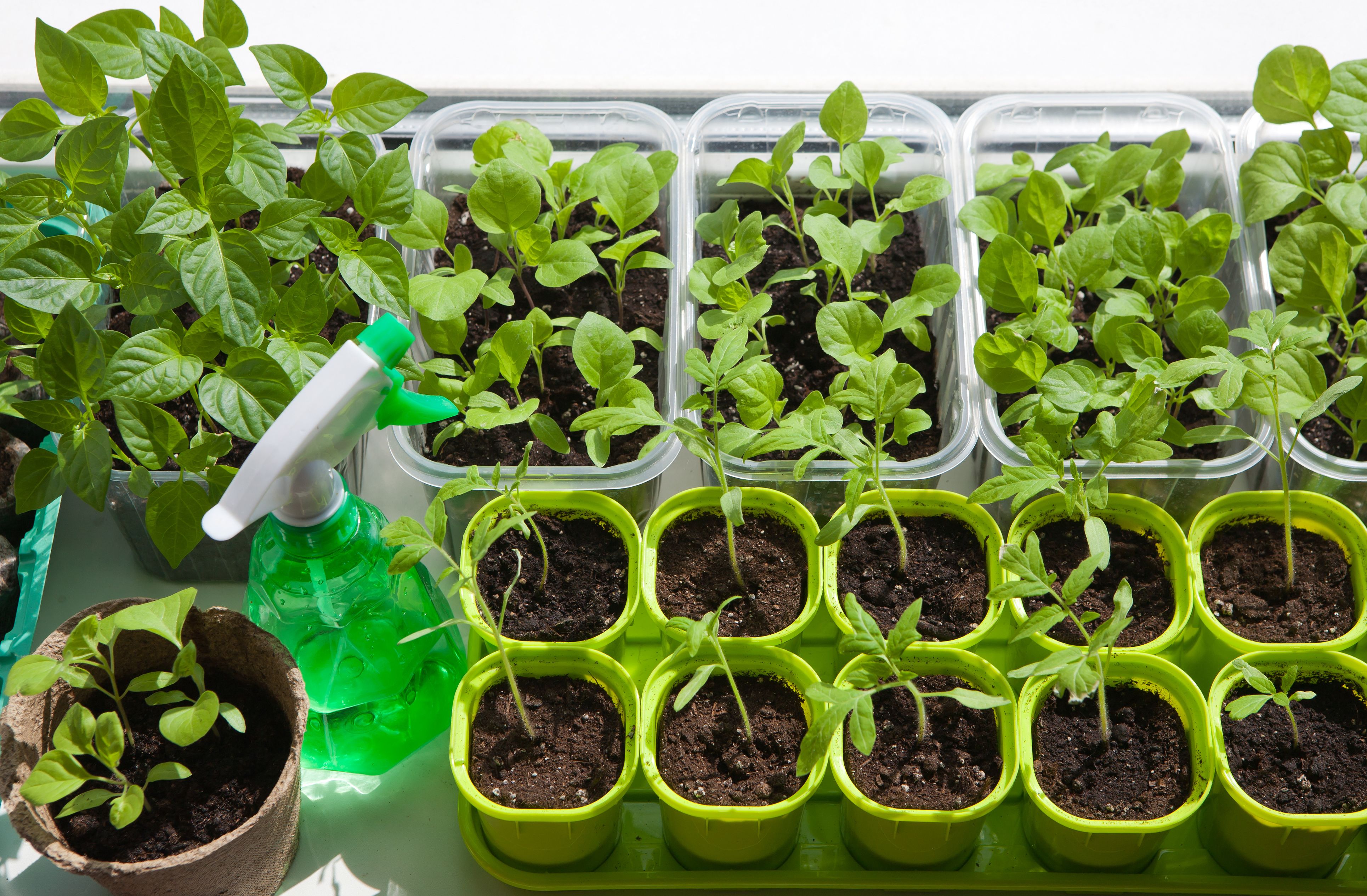
Figure 4. Consider growing your own transplants from seed.
Credit: Adobe Stock Image
- Protect plants from cutworms by placing a collar around the plant stems. The collar can be made from a bottomless plastic cup or a waxed cardboard carton. The collar should extend a few inches above and at least an inch below the surface of the ground.
- Keep plants growing vigorously and in a state of good health by supplying appropriate amounts of water and fertilizer. Healthy plants are often able to survive insect attacks. Too much nitrogen, however, can make plants more inviting to aphids and whiteflies.
- Monitor or scout the garden twice weekly for pest problems. This includes inspecting the plants from the bud to the soil, including both upper and lower leaf surfaces. Record notes on pest problems and the performance of different varieties. Include photographs of insects, diseases, and beneficial insects that you find.
- Identify beneficial insects (praying mantis, spiders, big-eyed bugs, assassin bugs, lady beetles [also called ladybugs or ladybird beetles], and all wasps). Some of these insects can be purchased, but keep in mind that many beneficial insects exist naturally in Florida, and purchased beneficials will leave if there are no insects for them to eat.
- Plant flowers in the vegetable garden. They provide nectar and pollen that attract beneficial insects.
- Remove large insects by hand and destroy. Place them in a container of soapy water, where they will sink and drown.
- Watch for early disease symptoms. Remove and destroy any diseased leaves or plants to slow spread.
- Do not panic and start spraying at the first sign of insect damage. Most plants that produce fruits, pods, or ears can stand a 10%–20% loss of leaves without loss of potential yields.
- Harvest ripe crops promptly. Allowing overripe fruits to remain on the plants often invites additional insect problems.
- Remove unproductive plants and compost or dispose of them.
- Use soil solarization to reduce nematodes—microscopic worms that attack vegetable roots and reduce growth and yield. This technique uses the sun's energy to heat the soil and kill soilborne pests. To solarize soil, first remove vegetation, then break up and wet the soil to activate the nematodes. Cover the soil with a sturdy, clear plastic film. Weigh down the edges with additional soil to keep the plastic in place. Soil solarization should be done during the warmest six weeks of summer. Hot temperatures (above 130°F) must be maintained for the best results. See Nematode Management in the Vegetable Garden (https://edis.ifas.ufl.edu/NG005).
- Add organic matter to the soil to help reduce nematode populations. Organic matter improves the capacity of the soil to hold water and nutrients and, in turn, improves plant vigor and resistance to pests.
- See also Organic Vegetable Gardening in Florida (https://edis.ifas.ufl.edu/hs1215).
Using Pesticides Wisely
If you choose to use pesticides, refer to Table 3 and follow pesticide label directions carefully.
- Use pesticides only when a serious pest problem exists. Your local UF/IFAS Extension office can provide information about insect identification. Organic gardeners can use certain products (Bt, for example and others; https://edis.ifas.ufl.edu/in197).
- Protect bees and other pollinators. Apply insecticides late in the day when they are less active. Malathion, carbaryl, and pyrethroids are especially harmful to bees (Figure 5).
- Spray the plant thoroughly, covering both the upper and lower leaf surfaces.
- Do not apply pesticides on windy days or when rain is imminent.
- Prevent spray burn; make sure the plants are not under moisture stress. Water, if necessary, and let leaves dry before spraying. Avoid using soaps and oils when the weather is hot.
- Control slugs with products containing iron phosphate. Products with metaldehyde as the active ingredient are extremely toxic to animals, such as dogs and wildlife that may be attracted to the bait.
- Prevent fungus diseases. Purchase fungicide-treated seed. Many common diseases can be controlled by spraying with fungicides if control efforts begin early—ideally before symptoms appear. Look for these "active ingredients" on the label: chlorothalonil, maneb, or mancozeb fungicide. Powdery mildews can be controlled with triadimefon, myclobutanil, sulfur, or horticultural oils. Rusts can be controlled with sulfur, propiconazole, or tebuconazole. Sprays are generally more effective than dusts.
- Read the label. Not every off-the-shelf pesticide can be used on every vegetable or on vegetables at all. Make sure the vegetable and the pest are on the label before purchasing the product. Follow label directions for measuring and mixing. Pay close attention to "waiting periods"—the time that must elapse between the application of a pesticide and harvest. For example, broccoli sprayed with carbaryl (Sevin®) should not be harvested for two weeks after application. Follow all safety precautions on the label and keep people and pets out of the area until sprays have dried.
UF/IFAS Extension agents are located in every county to advise you further. Contact information can be found at http://sfyl.ifas.ufl.edu/find-your-local-office/.
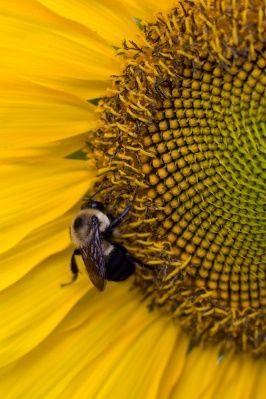
Figure 5. Apply insecticides late in the day when they are less active. Malathion, carbaryl, and pyrethroids are especially harmful to bees.
Credit: UF/IFAS
Thanks to Dr. Brett W. Bultemeier, Extension assistant professor and director of the UF/IFAS Pesticide Information Office for reviewing the pesticides listed in this publication. Retired or relocated faculty that contributed to the original and subsequent revisions of this publication include: James M. Stephens, retired vegetable crops specialist, UF/IFAS Department of Horticultural Sciences, R. A. Dunn, retired professor, UF/IFAS Department of Entomology and Nematology; G. Kidder, retired professor, UF/IFAS Department of Soil, Water, and Ecosystem Sciences; D. Short, retired professor, UF/IFAS Department of Entomology and Nematology; G. W. Simone, retired professor, UF/IFAS Department of Plant Pathology; and Amanda Gevens, former assistant professor, UF/IFAS Department of Plant Pathology, Susan Webb, retired associate professor, UF/IFAS Department of Entomology and Nematology.
Table 1. Planting guide for Florida vegetables.
View Table
Table 2. Suggested varieties for Florida gardens.
View Table
Table 3. Products currently labeled for insect and mite management in home vegetable gardens. Important: Confirm that the vegetables you are treating are listed on the pesticide label.
View Table