Edinburgh University Press Blog (original) (raw)
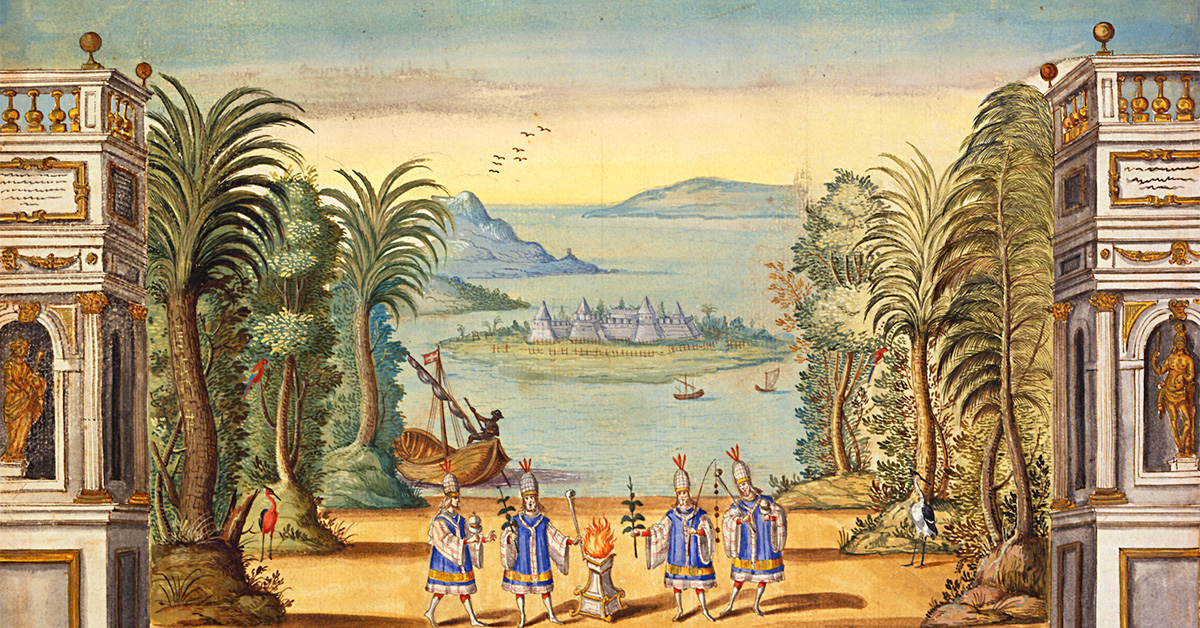
Q&A with the author of Performing Worlds at the Baroque Court of Christine of France
This interview explores how Christine of France used Baroque court spectacles to shape political authority, global imagination, and cultures of consumption.
May 8, 2026
Read more: Q&A with the author of Performing Worlds at the Baroque Court of Christine of France
Q&A with Belal Abu-Alabbas, author of Al-Bukhārī
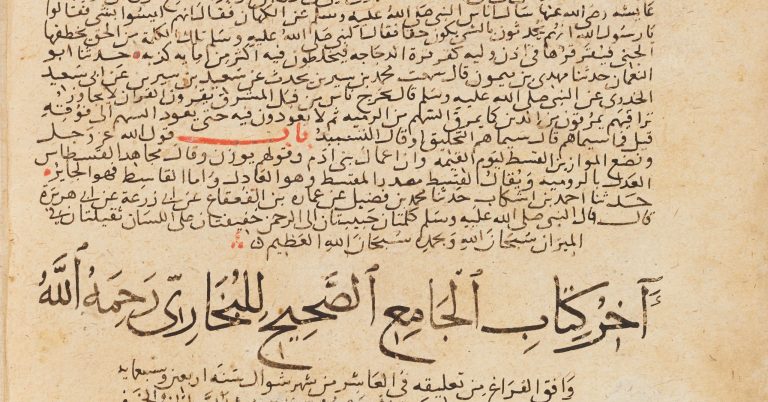
Belal Abu-Alabbas explores the making of the first comprehensive critical biography of Muhammad ibn Ismāʿīl al-Bukhārī.
- OnMay 5, 2026
Q&A on French Horror

Q&A with Reece Goodall, author of French Horror
- ByEdinburgh University Press
- OnApril 23, 2026
Five of the most unusual Sunday Opening conditions

Peter looks at how wartime Britain reshaped cinema-going on Sundays
- ByEdinburgh University Press
- OnApril 20, 2026
Interview with Maggie Humm
Maggie Humm reflects on feminist criticism, life-writing, and Virginia Woolf’s influence.
- ByEdinburgh University Press
- OnApril 17, 2026
Standing on the Shoulders of Giants: From William Still’s Underground Railroad Records to Digital Analysis
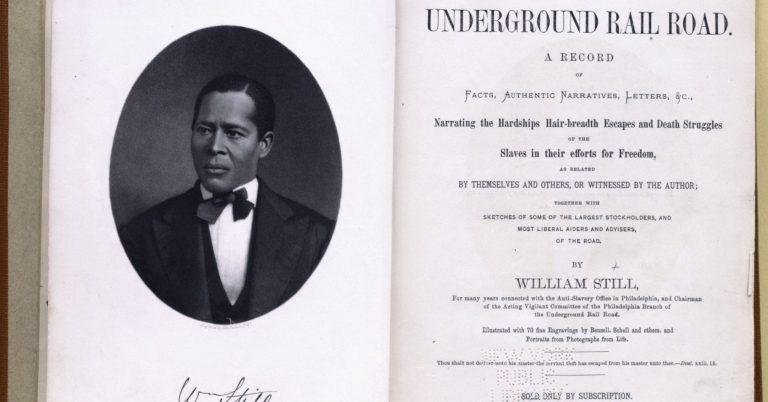
Jeremy Mennis and Nilgun Anadolu-Okur trace the journey of William Still’s 19th century Underground Railroad records into their 21st century digital forms.
- ByEdinburgh University Press
- OnApril 16, 2026
Beyond ‘girlboss feminism’: queering Irish women’s writing
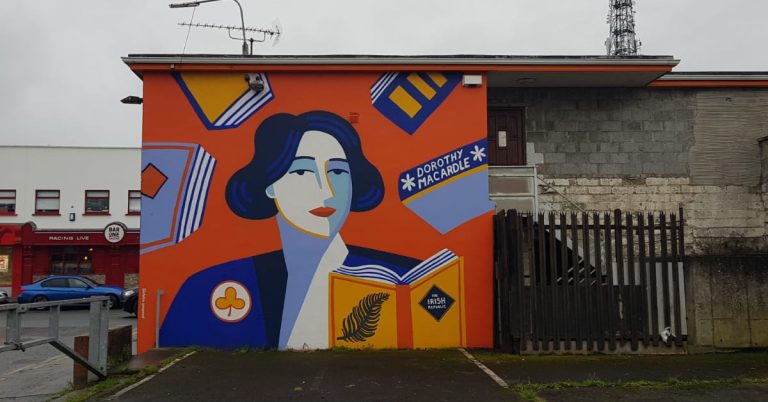
Naoise Murphy re-examines Irish women’s writing through queer and feminist perspectives, exposing how literary narratives can obscure violence and postcolonial complexity.
- ByEdinburgh University Press
- OnApril 13, 2026
Q&A: ‘Wladzio D´Attainville and the House of Balenciaga (1924–1948)’
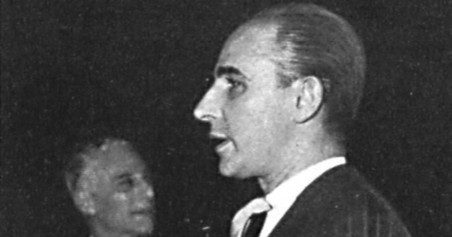
Ana Balda uncovers Wladzio D’Attainville's crucial impact on Cristóbal Balenciaga's fashion empire.
- ByEdinburgh University Press
- OnApril 10, 2026
Q&A: The Rise and Fall of the Barmakids
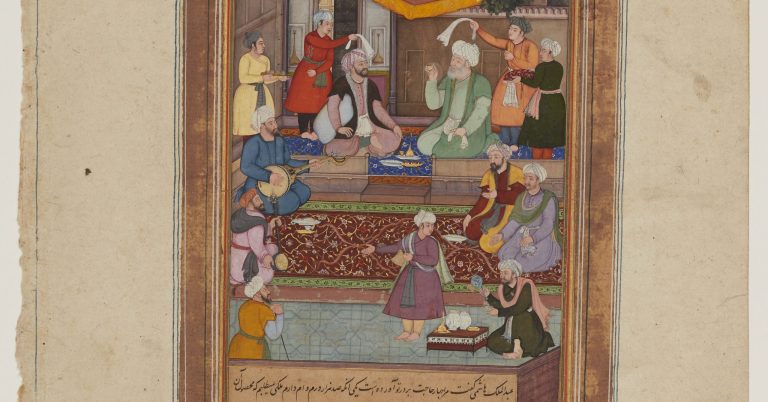
Tales of courtly intrigue, moral testing, romance and reversals of fortune from a rare Persian manuscript…
- ByEdinburgh University Press
- OnApril 7, 2026
Who needs advice?
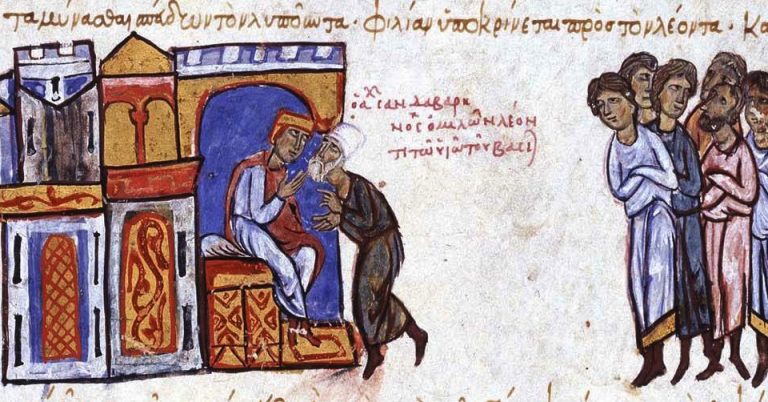
Margaret Mullett investigates advice literature from Byzantine texts to modern self-help culture.
- ByEdinburgh University Press
- OnApril 2, 2026