India-US deal can be finalised only after Section 301 probe is over, says official (original) (raw)
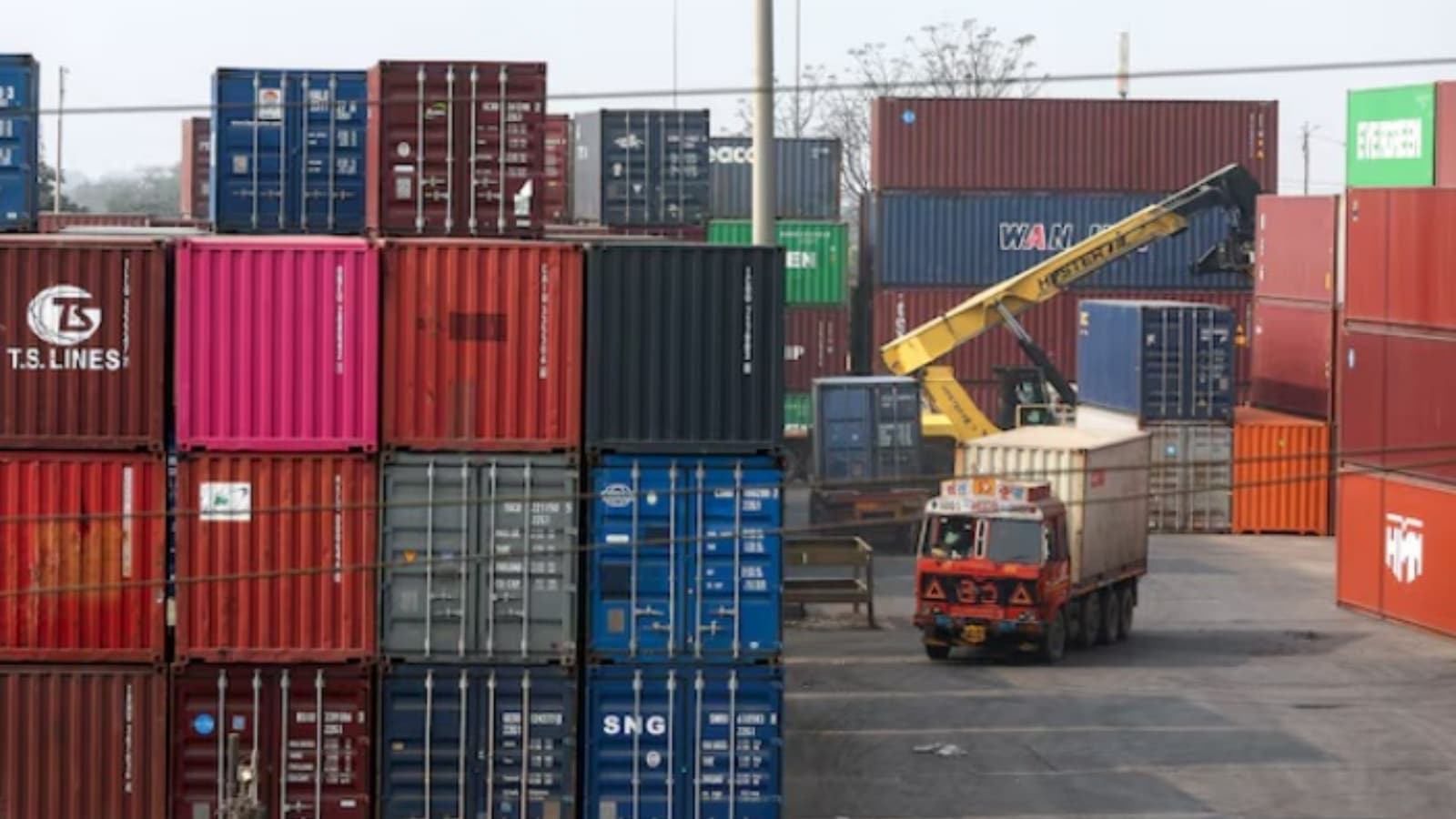 A results of probe on “excess capacity” is pending on India and 15 other countries.
India and US trade deal can be finalised only after US Section 301 probe comes to an end, a government official said, adding that New Delhi has sought assurance that Washington opens no further probes on the country after the trade deal is signed.
Commerce Minister Piyush Goyal last week said that India and the US will sign the “first tranche” of the bilateral trade deal by mid-July. The US has already proposed new Section 301 tariffs on 60 countries, which are expected to come into effect after July 7. Washington has set 12.5% tariffs on 54 countries, including India, China and 10% of six countries, such as Pakistan and the EU.

Result of the “excess capacity” probe on India and 15 other countries is still pending. The outcome is expected in the coming weeks. And the Indian concession under the trade deal would be in exchange of the cumulative tariffs set as a result of the two probes.
However, under Section 301 of the US Trade Act 1974, the US can announce other kinds of restrictions beyond tariffs. Non tariff barriers can also restrict Indian exports to the US, and signing a deal could mean giving up more control of sovereign trade policies to the US.
But the absence of the deal could accelerate the weakening of the domestic currency and flight of foreign capital that had begun since late last year. The war in the Gulf region and higher oil prices have further weakened India’s macroeconomic conditions. More tariffs could add to India’s fiscal worries.
The US team had come to India from June 2-4 for finalisation of the deal and US Trade Representative Jamieson Greer is expected to reach India later this month.
The Switzerland-based think-tank Global Trade Alert (GTA), in a report last year, pointed out that the US has incorporated restrictive third-country provisions — informally referred to as “poison pills” — in three trade instruments: the 2018 US-Mexico-Canada Agreement (USMCA), the 2025 US-Malaysia Agreement on Reciprocal Trade (ART), and the 2025 US-Cambodia ART.
Story continues below this ad
The GTA report said that while there were provisions in the USMCA that could trigger a collapse of Mexico and Canada’s agreement with the US if they sign a deal with “non-market economies”, in the case of Malaysia and Cambodia, the trigger is even broader — applying to any deal the US believes “jeopardises essential US interests” or poses a “material threat to economic or national security”.
For India, however, any such provision could become challenging for its industrial growth and infrastructure development. For instance, due to tensions with China, India was unable to procure tunnel boring machines from China owing to a lack of customs clearances.
The machines finally managed to reach India last month after tensions with China eased.

Ravi Dutta Mishra is a Principal Correspondent with The Indian Express, specializing in economic policy and financial regulations. With over five years of experience in business journalism, he provides critical coverage of the frameworks that govern India's commercial landscape. Expertise & Focus Areas: Mishra’s reporting concentrates on the intersection of government policy and market operations. His core beats include: Trade & Commerce: Analysis of India's import-export trends, trade agreements, and commercial policies. Banking & Finance: Covering regulatory changes and policy decisions affecting the banking sector. Professional Experience: Prior to joining The Indian Express, Mishra built a robust portfolio working with some of India's leading financial news organizations. His background includes tenures at: Mint CNBC-TV18 This diverse experience across both print and broadcast media has equipped him with a holistic understanding of financial storytelling and news cycles. Find all stories by Ravi Dutta Mishra here ... Read More
- Tags:
- India US trade