Bacteriology Notes - Microbe Notes (original) (raw)
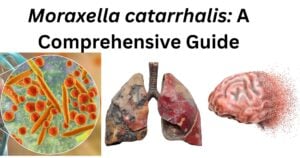
Moraxella catarrhalis, previously known as Neisseria catarrhalis and Branhamella catarrhalis, is commonly found as a commensal organism in the human respiratory tract. However, it can act as an opportunistic pathogen, … Read more

Fusobacterium nucleatum is a Gram-negative bacterium commonly found in the normal flora of the human oral cavity. It plays a crucial role in the formation of dental plaque. Although generally … Read more

Borrelia burgdorferi is a pathogenic spirochete that is the primary causative agent of Lyme disease, a common vector-borne illness. It is transmitted to humans through the bite of infected Ixodes … Read more

Bifidobacterium longum is a type of probiotic that resides in the human gastrointestinal tract, particularly abundant in infants, and remains a significant component of the adult gut microbiota. It survives … Read more
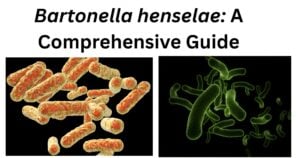
Bartonella henselae is a member of the genus Bartonella, one of the most common types of bacteria worldwide. This bacterium is the causative agent of cat-scratch disease, which spreads to … Read more
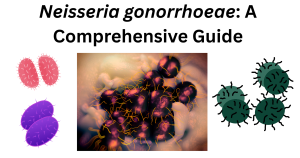
There are two types of Neisseria: pathogenic and non-pathogenic. Neisseria gonorrhoeae is a pathogenic Gram-negative bacterium that causes gonorrhea. Albert Ludwig Sigesmund Neisser discovered the bacterium in 1879. Gonorrhea is a sexually transmitted infection (STI) and … Read more
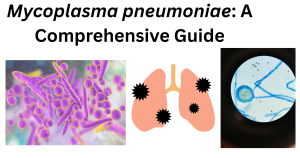
Mycoplasma pneumoniae is a bacterium belonging to the class Mollicutes, that can infect humans. It usually causes upper respiratory tract infections but can also cause pneumonia. Many extrapulmonary infections have … Read more
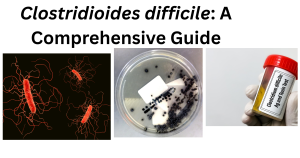
Clostridioides difficile, formerly known as Clostridium difficile, is a bacterium most commonly found in soil and hospital environments and is responsible for causing diarrheal illness. The bacterium infects individuals taking antibiotics. It produces … Read more
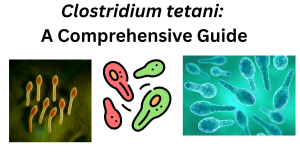
Clostridium tetani is the causative agent of tetanus. Spores of Clostridium tetani are responsible for a disease commonly found in soil, ash, human feces and gut, feces of some animals, and on … Read more
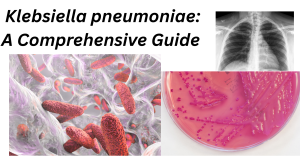
Klebsiella pneumoniae is a Gram-negative bacillus which is found mainly in the stool and respiratory tract of humans and is responsible for causing various illnesses from wound infections to pneumonia. … Read more