Earth’s Moon (original) (raw)
OBSERVE THE MOON
NASA's interactive map for observing the Moon, every day of the year.
Moon Composition & Structure
Like Earth, the Moon consists of three main layers: a crust, a mantle, and a core.
Billions of years ago, the Moon was a molten world. As it solidified, the heaviest materials (metals like iron) sank down into the Moon’s center, and the lighter materials (lower density rocks) rose towards the surface. The result is a structure a bit like a chocolate-dipped cherry – solid core, mostly solid/partly liquid mantle, and thin outer crust.
Artemis II Crew Image
Far Side of the Moon
The Moon's far side gets as much sunlight as its near side.
Like Earth, the Moon has a day side and a night side, which change as the Moon spins through space. The Sun always illuminates half of the Moon while the other half remains dark.
The far side of the Moon was about 20% sunlit during the Artemis II crew's lunar flyby. Around the farthest point in their journey, the astronauts saw both the Moon and Earth in a waxing crescent phase.
Artemis II Crew Image
Far Side of the Moon
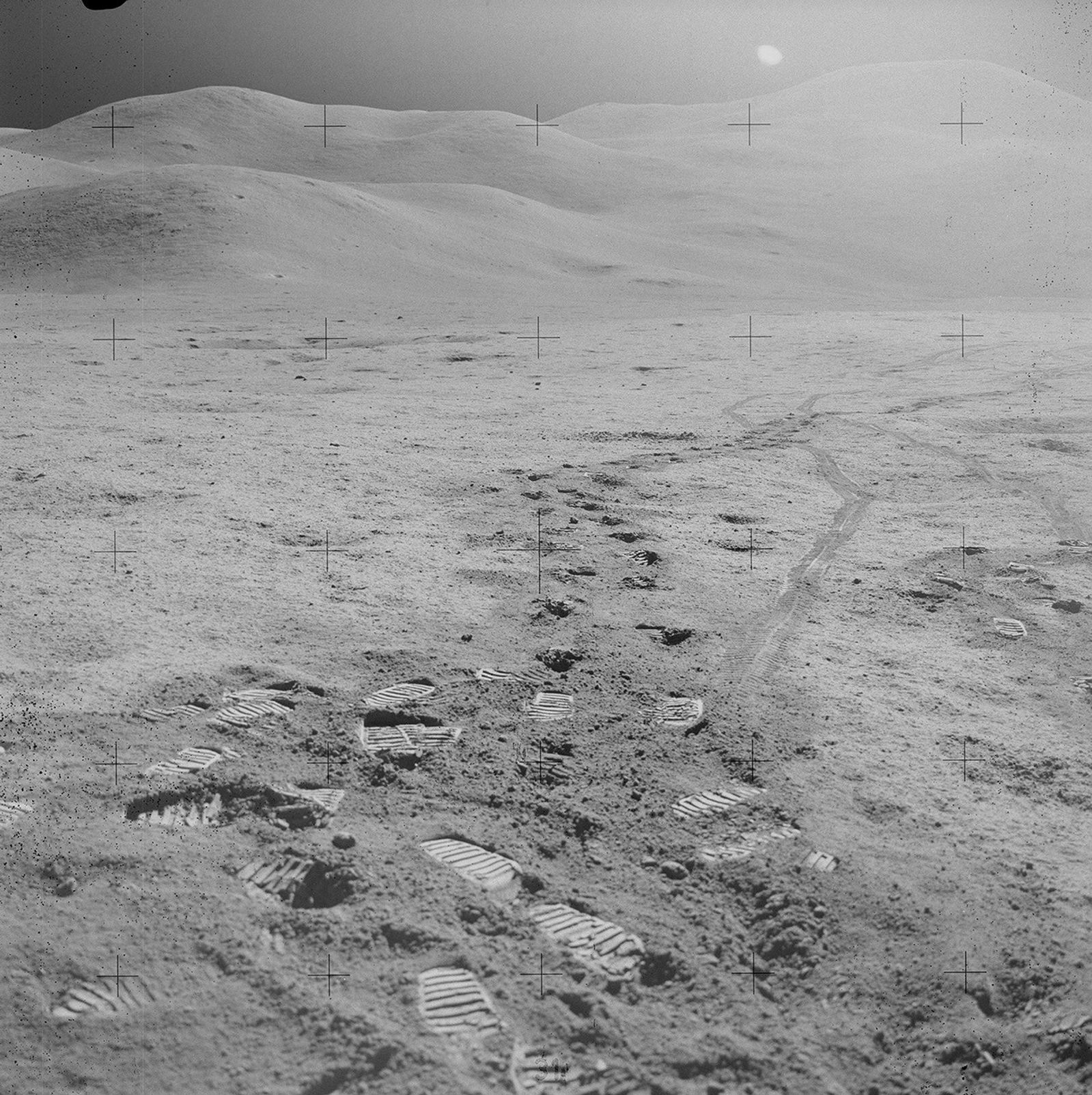
Moon Dust
We can learn a lot from studying Moon dust—and, the Moon's powdery surface presents challenges for human and robotic explorers.
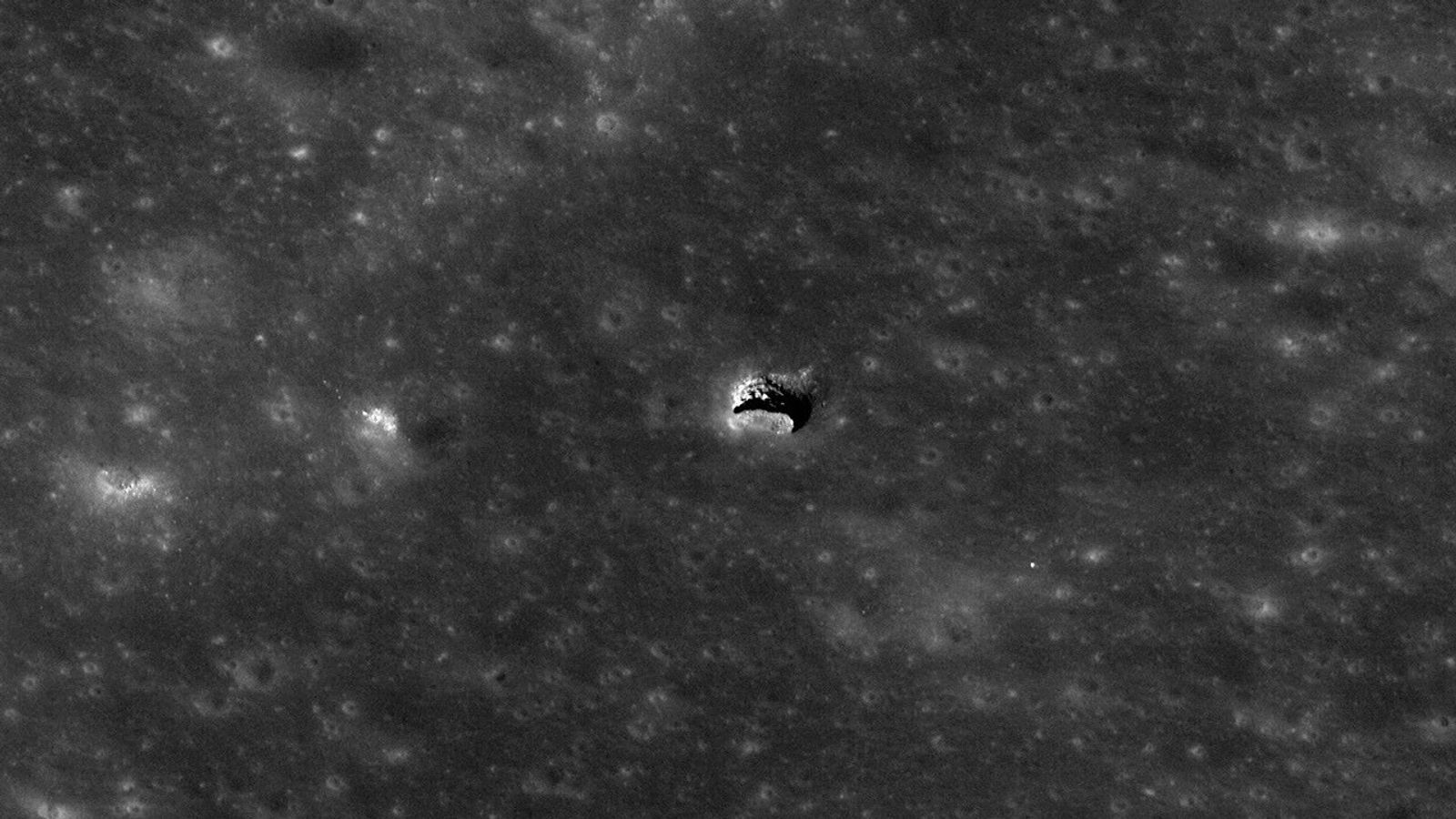
Lunar Volcanism
The Moon does not have erupting volcanoes today, but it was once flooded with flowing lava.

The Moon & Tides
As distant as the Moon may seem, its gravitational pull plays a huge role in the formation of Earth's ocean tides.
Featured Video
Moon Phases 2026
This visualization shows the Moon's phase and libration at hourly intervals throughout 2026, as viewed from the Northern Hemisphere.
EXPLORATION X Science
The Science of Artemis
The Moon is a 4.5-billion-year-old time capsule, pristinely preserved by the cold vacuum of space.
Artemis II carried its crew farther from Earth and closer to the Moon than any human has been in over half a century. The astronauts on board were both scientists and subjects as they flew around the far side of the Moon and back.
EXPLORATION X Science
The Science of Artemis
Observe the Moon
Daily Moon Guide
NASA’s interactive map for observing the Moon each day of the year.
Moon Observation Journal
Spend the next month getting to know the Moon.
International Observe the Moon Night
You're invited! Learn more and see how people around the world #ObserveTheMoon together.
Lunar Melt Mappers
Help NASA map the Moon's molten flows with Lunar Melt, a citizen science project. Anyone with access to a computer can join in!
Keep Exploring