NOIRLab / NSF National Optical-IR Astronomy Research Laboratory (original) (raw)
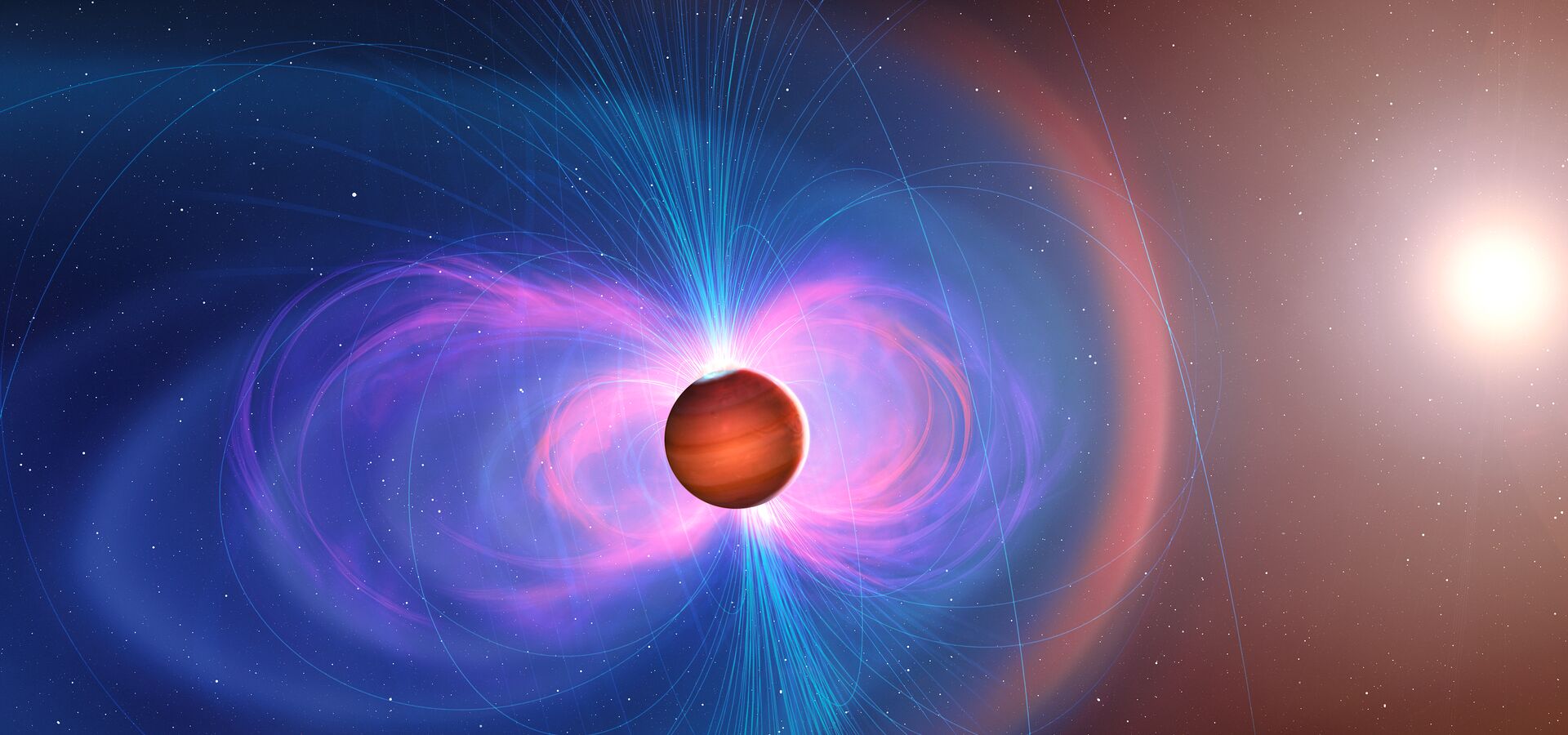 Science Release: 2 June 2026 — noirlab2614 Strange Winds Reveal Strongest Hints Yet of Magnetic Activity in Exoplanets Using the Gemini North telescope in Hawai‘i and the European Southern Observatory’s Very Large Telescope, a team of astronomers measured wind speeds on seven very hot, Jupiter-like exoplanets. The observations revealed that the winds on these planets are most likely governed by magnetic fields, providing the first robust measurement of magnetic activity on planets outside the Solar System.
 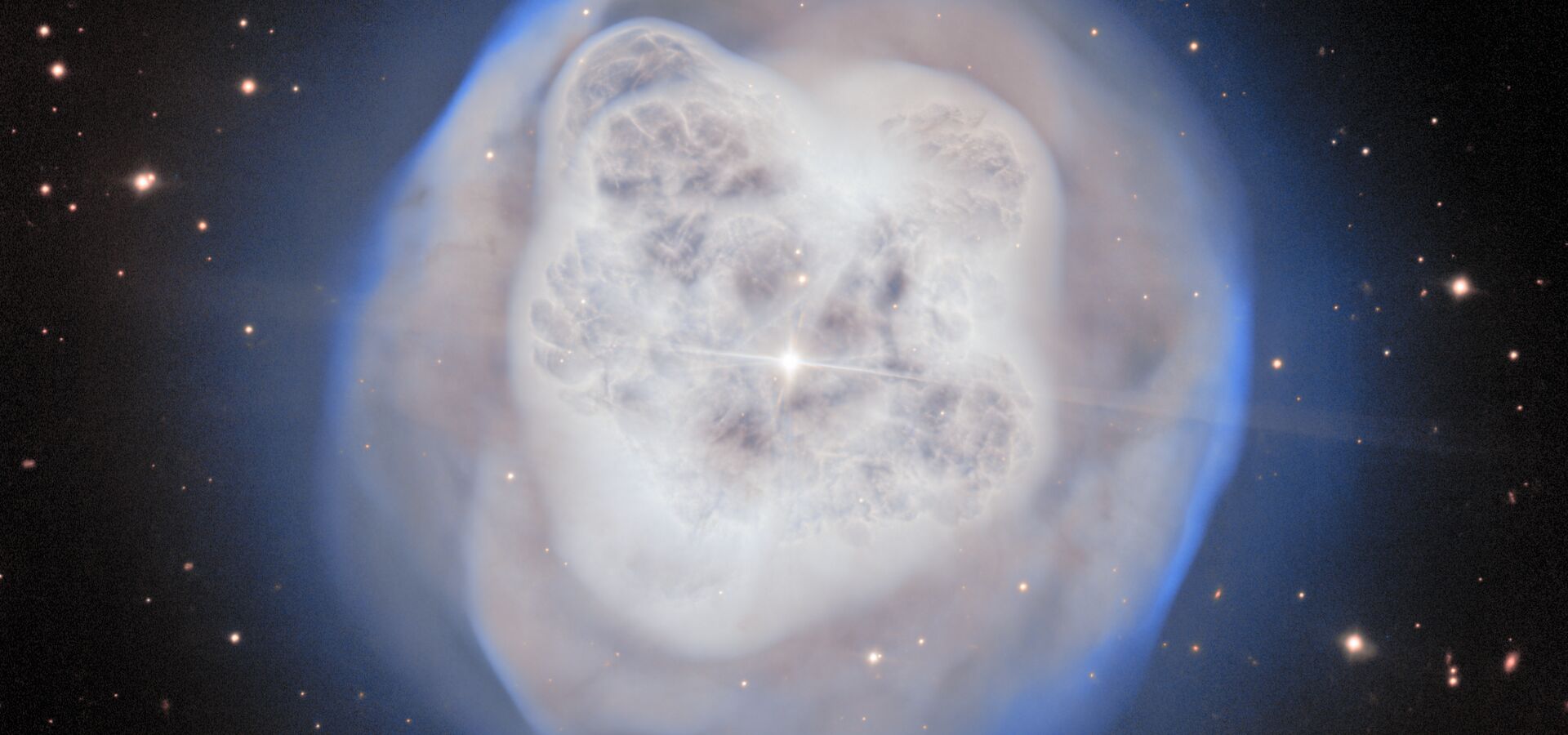 Photo Release: 21 May 2026 — noirlab2613 Gaze into the Crystal Ball Nebula and See the Light Emitted by a Dying Star 1500 Years Ago The 8.1-meter Gemini North telescope, located on the summit of Maunakea in Hawai‘i, has captured NGC 1514, nicknamed the Crystal Ball Nebula, in awe-inspiring detail. This nebula, with its mesmerizing glow of gas, harbors hints of a past stellar death, and its asymmetrical shell is now being shaped by the pair of binary stars that lie at its center.
 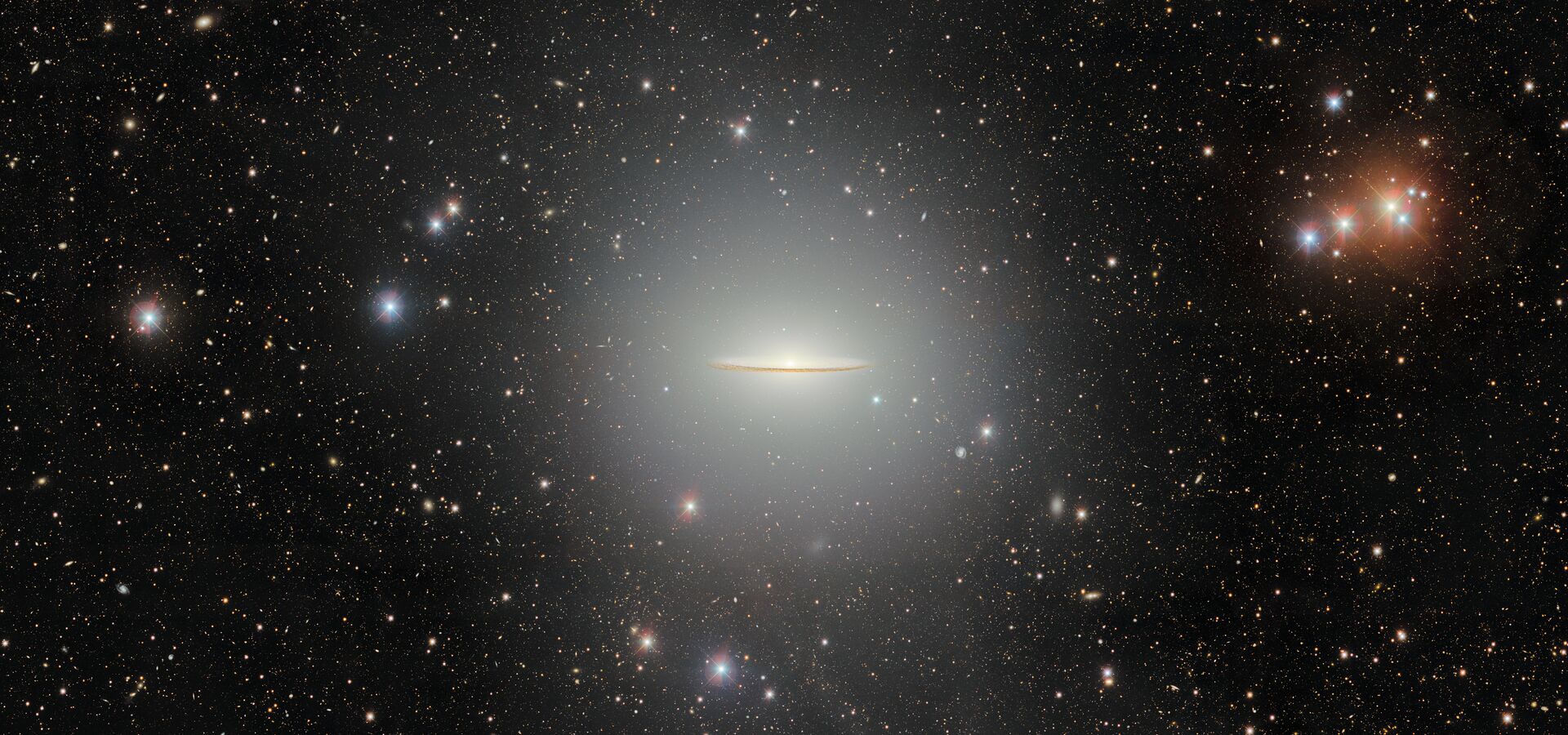 Photo Release: 24 April 2026 — noirlab2612 Sombrero Galaxy: The Universe’s Dusty Brimmed Hat Revealed Like Never Before Messier 104, nicknamed the Sombrero Galaxy, is a popular target for amateur observing and astronomical research. Its recognizable extended halo, as well as a faint stellar stream, are captured in exquisite detail in this image from the Department of Energy-fabricated Dark Energy Camera, mounted on the U.S. National Science Foundation Víctor M. Blanco 4-meter Telescope at Cerro Tololo Inter-American Observatory in Chile, a Program of NSF NOIRLab.
 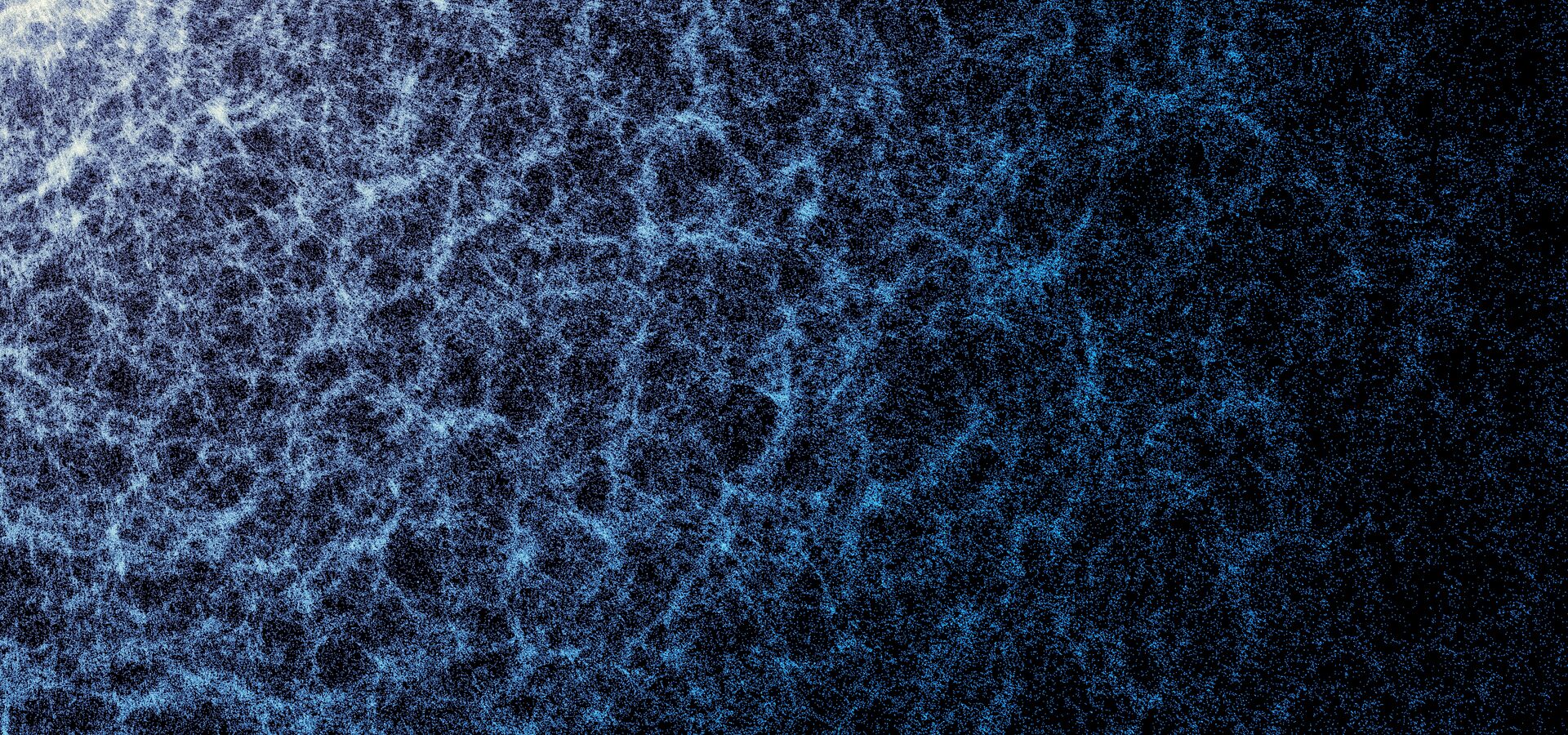 Organization Release: 15 April 2026 — noirlab2610 DESI Completes Planned 3D Map of the Universe and Continues Exploring DESI has mapped more than 47 million galaxies and quasars, creating the largest high-resolution 3D map of our Universe to date. Because of the instrument’s excellent performance and hints that dark energy might evolve, DESI will continue observations into 2028 and further expand the map. DESI was constructed with funding from the U.S. Department of Energy Office of Science and is mounted on the U.S. National Science Foundation Nicholas U. Mayall 4-meter telescope.
 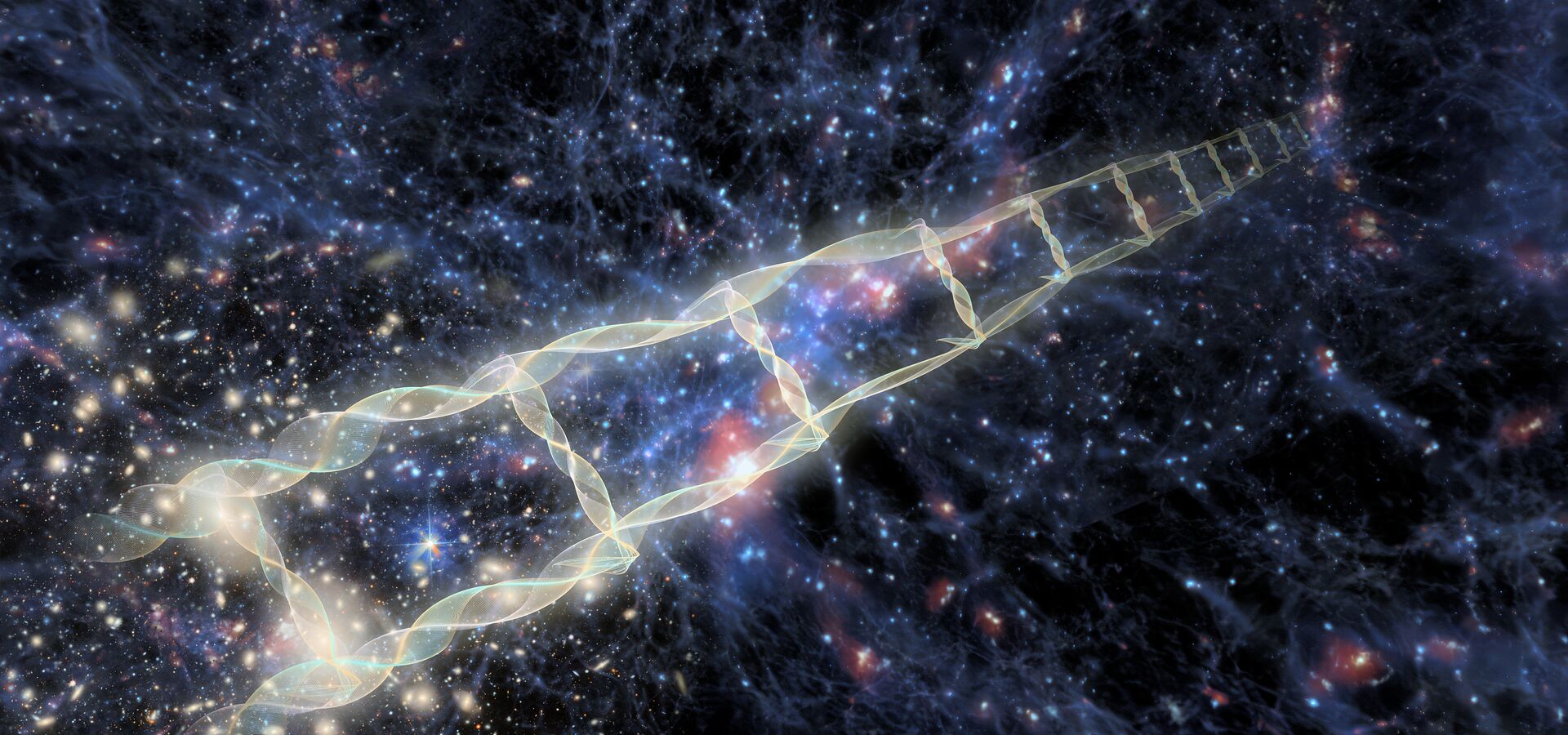 Science Release: 10 April 2026 — noirlab2611 The Local Universe’s Expansion Rate Is Clearer Than Ever, but Still Doesn’t Add Up An international collaboration of astronomers has produced one of the most precise measurements yet of how fast the local Universe is expanding. The result deepens one of the most significant challenges in modern cosmology. John Blakeslee, astronomer at NSF NOIRLab, funded by the U.S. National Science Foundation, is a member of the collaboration, and telescopes across two NSF NOIRLab Programs contributed data.