17 Restaurants On the Wine Glasses They Use (original) (raw)
17 Restaurants on the Wineglasses They Use

By ,a senior kitchen and dining writer at the Strategist. Previously, she was an editor at Bon Appétit and has worked in food media for nine years.
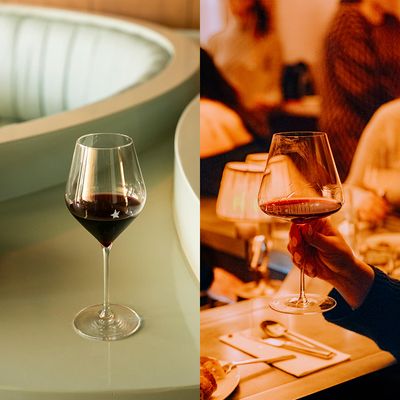
Photo-Illustration: The Strategist; Photos: Leon’s Oyster Shop, Kort Havens, Cole Wilson
The way people consider wineglasses runs the gamut from very serious to quite casual. Maybe they’re the type of person who thinks a big red or a sparkling white tastes different depending on what it’s poured into, or maybe they’re the type of the person who doesn’t care, as long as their glass looks nice, feels good to sip from, and isn’t supremely delicate.
Turns out, the pros at restaurants and wine bars are no different. As always, they’ve put a ton of thought into which glasses they place at their own tables (last time I asked them about steak knives, and the opinions were many). Sometimes they deeply consider how different wines expresses themselves in various vessels; other times they choose based on a memory of drinking somewhere fun. Here, 17 spots around the country — a mix of fancy and dive-y, formal and playful, old and new — highlight what they use and why they love them.
Want to be emailed about sales and other updates to your saved products? Success! You'll get an email when something you've saved goes on sale.
Yes
New! You can now save this product for later.
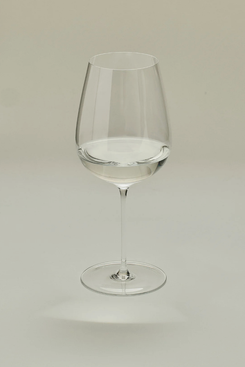
A friend of mine who used to work in consulting — he didn’t really do anything in glassblowing originally — started this company. I am very particular about my glassware and have always felt that wineglasses are either too big or too small. This is the perfect-size wineglass. From a restaurant perspective, it’s large enough because you get all the scents and it also appeases the person that wants the big wineglass. But visually, it has the right proportions to appease me, who doesn’t like these giant wineglasses. Essentially, I think the secret they realized was that the bowl is made very close to Zalto’s. But my problem with the Zalto is that when you swirl it — and this a very niche problem — it feels unwieldy because it’s so lightweight. The Bobo has a shorter stem, so the center of gravity is much lower on the glass. It’s thin, it’s elegant, but it’s also very comfortable to use. —**Flynn McGarry, owner and chef**
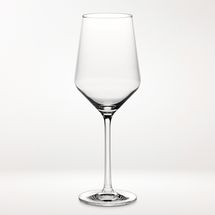
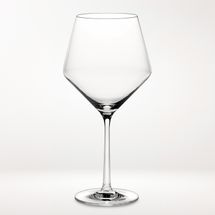
When we opened Bell’s, we were looking for simplicity, durability, and cost. Like many small restaurants starting out, we did not have a budget for luxury stemware, so we chose two glasses from the Schott Zwiesel Pure line: a Sauvignon Blanc or white-wine glass, which we call the AP (or all-purpose) White, and a Pinot Noir glass, the AP Red. The AP White became our multipurpose glass for sparkling wines and lighter, less structured whites. The AP Red serves double duty, used for bigger whites, including Chardonnay and similarly structured varieties, as well as all red wines.
I promised everyone, especially my wife [the chef], that we would upgrade once we could afford something nicer. The funny thing is that every time we have experimented with other glassware over the years, we have ended up coming back to this line.
Bell’s operates as a fast-paced bistro at lunch and transitions into a more elegant tasting menu and prix fixe experience at night, so we need glassware that works hard operationally while still feeling refined in a guest’s hand. These glasses are sturdy without feeling heavy, polished without being precious, generous without being oversize, and versatile enough to support the full range of wines we pour. They have proven to be true workhorses: visually elegant, operationally reliable, and well suited to the rhythm of our service. —**Greg Ryan, co-owner**
Want to be emailed about sales and other updates to your saved products? Success! You'll get an email when something you've saved goes on sale.
Yes
New! You can now save this product for later.
Want to be emailed about sales and other updates to your saved products? Success! You'll get an email when something you've saved goes on sale.
Yes
New! You can now save this product for later.
Want to be emailed about sales and other updates to your saved products? Success! You'll get an email when something you've saved goes on sale.
Yes
New! You can now save this product for later.
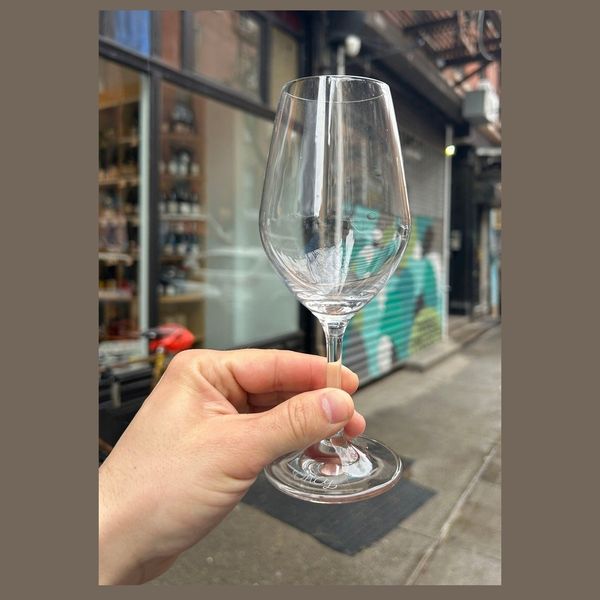
Our friends at Ordinaire in Oakland and at the importer Percy Selections (the name Orcy is Ordinaire + Percy) fabricate these glasses in Burgundy and import them on a tiny scale for a few friends in natural wine. They are simple, beautiful, and durable. Our 46-seat restaurant is small for Chicago, and the glasses are small for Chicago. Many of our wines show best taken in little tranches. Each glass offers a fresh moment to observe and enjoy. The Orcy glasses suit our scale and hold the wine with the same intimacy of our restaurant. —**Cubby Dimling, co-wine buyer**
Want to be emailed about sales and other updates to your saved products? Success! You'll get an email when something you've saved goes on sale.
Yes
New! You can now save this product for later.
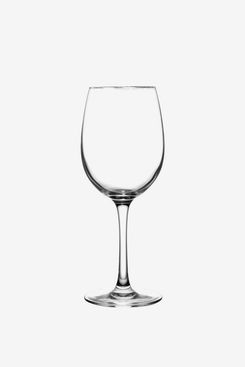
With a place like Leon’s (in an old garage), we like to lean into the high/low. You might expect a short tumbler, or a casual Duralex, but I think a proper wineglass is a little unexpected. We serve the deepest grower Champagne list in Charleston but also buckets of High Life ponies. I like the mix.
These glasses in particular are nice because they aren’t the thick country-club wineglasses you see sometimes. They have a thin and elegant lip and stem but aren’t so slight as to read fanciful or dainty. We are, at the end of the day, a very busy restaurant, and breakage is always a consideration. These are robust enough to withstand the abuse inflicted by a 600-cover day. We use one glass for everything —another operational decision that allows us to save time, and I think the glass is versatile enough to work across varietals. —**Brooks Reitz, owner**
Want to be emailed about sales and other updates to your saved products? Success! You'll get an email when something you've saved goes on sale.
Yes
New! You can now save this product for later.
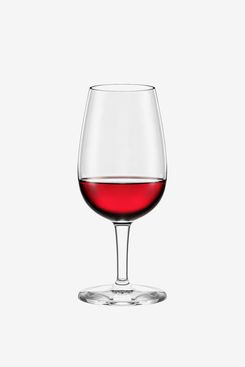
We use the Stölzle INAO tasting glass in every space I own and have since we opened Rebel Rebel in 2018. While an INAO glass comes with its own professional pedigree, they’re our house glasses for largely sentimental reasons. They remind me of the places where I first fell in love with wine: Le Verre Volé, Château Yvonne, the Ten Bells on Broome Street circa 2011. When I placed our first order with the local restaurant-equipment supplier here, they couldn’t understand what I was thinking, but suffice to say it’s caught on. Practically speaking, their short stem means they’re sturdier than their counterparts, which is a nice bonus. The one drawback? They’re easy to steal. —**Lauren Friel, owner and wine director**
Want to be emailed about sales and other updates to your saved products? Success! You'll get an email when something you've saved goes on sale.
Yes
New! You can now save this product for later.
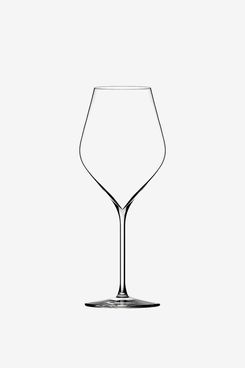
In my experience as a diner, without being at a Michelin, multi-star venue with an _Über_-traditional wine program, I don’t necessarily think that certain wines are really enhanced by using one specific glass versus another. If you can find a universal glass that is a nice shape, it can add something to a variety of wines. And in terms of our style of service and the attitude we want to promote, one glass made sense. There’s a casualness that’s a bit more democratic in recognition that wine itself should be accessible.
In 2023, I took a trip to Champagne, France. There was a glass I had taken a photograph of at one of the tastings I attended there. It was a tasting glass that was sort of more of a white-wine glass — delicate but not overly fragile feeling. When we started thinking about glassware for the restaurant about a year later, I went back to the photos from my trip and found the company.
They had no American distributor at the time, but I contacted them when we went to Paris and they sent some samples of a variety of different glasses to our hotel. We sat in the lobby tasting wine until we found one we really loved. We were looking at things like, How big is the opening at the top of the glass to bring all those aromas to your nose? How does it feel ergonomically? This brand has mouth-blown pieces and then they have machined pieces. Generally, mouth-blown stuff is miles above but, like, $70 a stem. That’s just not what most people want at home. But when you taste from our glasses, which are machined, they feel mouth-blown — the way the stem moves with the weight of the wine when you twirl your glass. It makes it more of an elevated drinking experience than with a clunkier glass.
The other detail is the size of the bowl. If people are buying a bottle, and you bring them a big Zalto or something, it doesn’t matter when you don’t pour heavy because they’re drinking the whole bottle. But if people are buying a glass, it reads different. That psychology was something we considered; we didn’t want a glass that’s going to measure as a meager pour. We felt like, optically, this was a hospitable glass. —**Jill Bernheimer and Julian Kurland, co-owners**
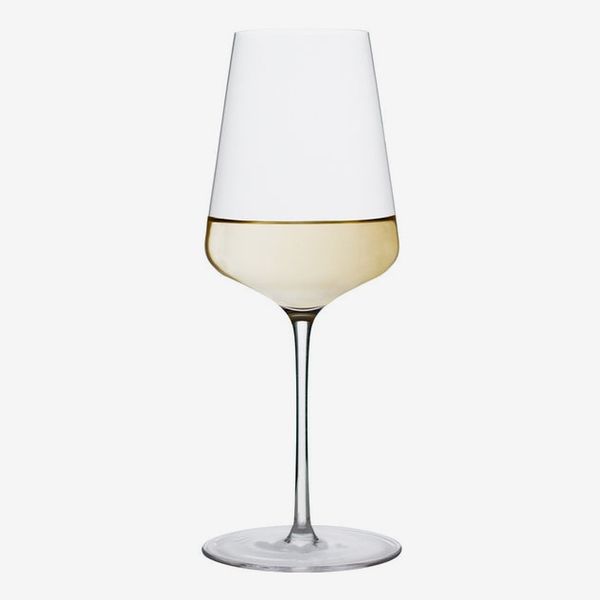
New! You can now save this product for later.
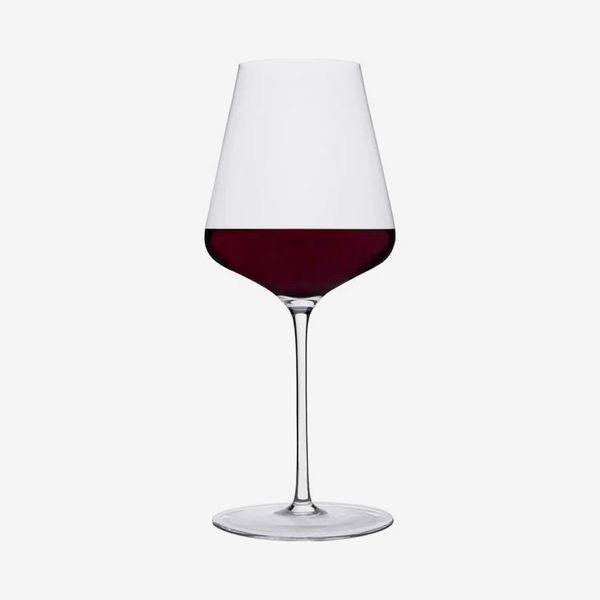
New! You can now save this product for later.
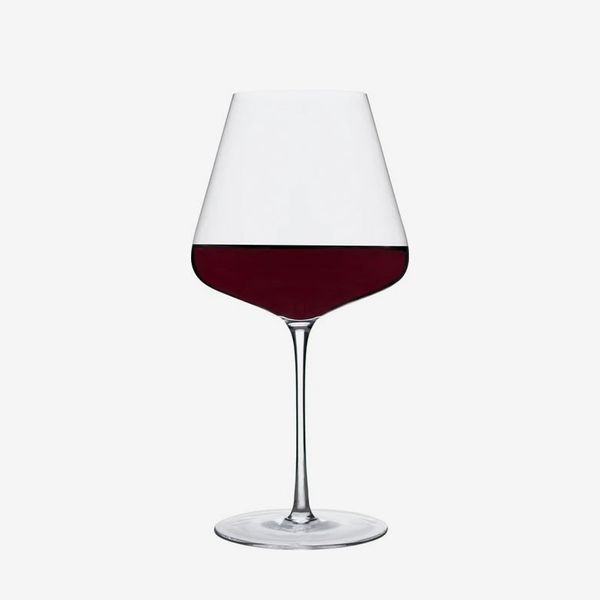
New! You can now save this product for later.
After working with Zalto for many years, Sophienwald caught my eye because they offer very similar quality in a slightly smaller size. And the stem is shorter, which contributes to a sturdier look. We use them at Claud and Penny, as well as Stars.
There were inevitably moments when placing a Zalto down that a guest would express being nervous. I get it! Sophienwald just doesn’t really have that. They’re able to wow without being intimidating. They impress visually but never instill fear. They balance looking delicate while still being sturdy enough, offering a baseline of comfort for our guests. We want someone to enjoy what’s in their glass rather than worry about whether or not they’ll break it. —**Chase Sinzer, owner**
Want to be emailed about sales and other updates to your saved products? Success! You'll get an email when something you've saved goes on sale.
Yes
New! You can now save this product for later.
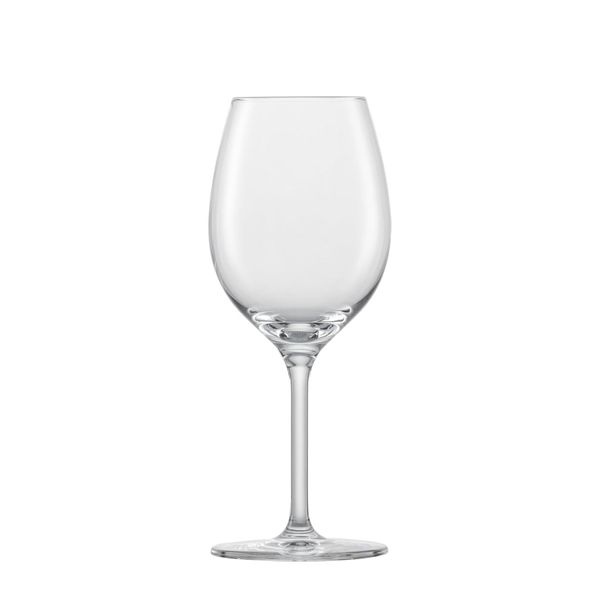
These are the nicest glasses I’ve found within a reasonable budget, crafted in Germany from crystal. They’re extremely durable, and, for me, our wine glasses have to have a level of beauty that matches the durability — form follows function. They hold up well. It’s a universal glass, appropriately sized for the wines we serve. We don’t serve heavy wines or wines with tremendous age, so the 12-ounce bowl makes sense. They’re not super-thin and hand blown like a Zalto, a glass like that is wonderful but breaks too easily for a busy pizzeria. —**Joe Beddia, owner and chef**
We are always open to trying new glasses, so whenever we get samples of something new, we play around with it for a few weeks, tasting as many different types of wine in it as possible. If it consistently makes a certain style of wine taste better, we will add it to the rotation. At the end of the day, our only priority is to make the wine taste as delicious as possible
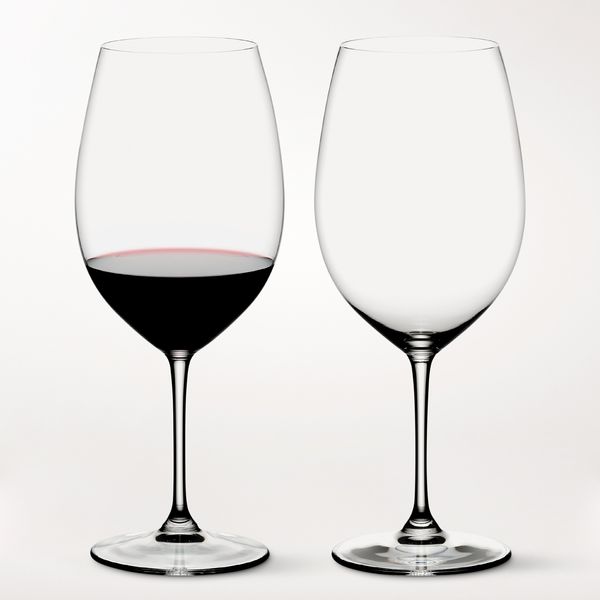
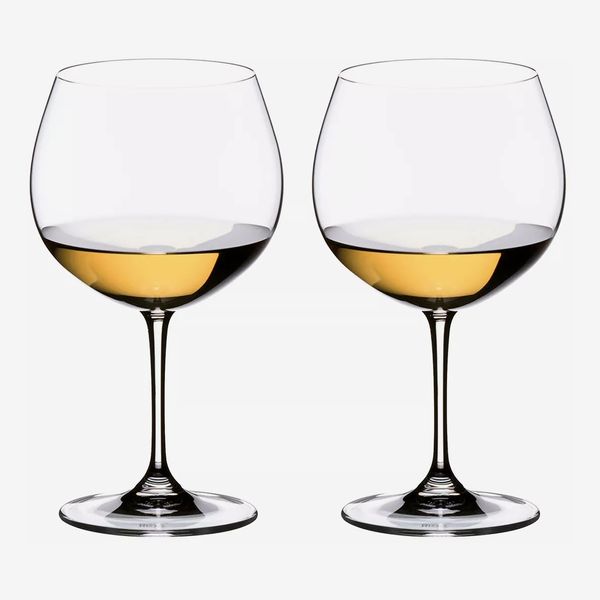
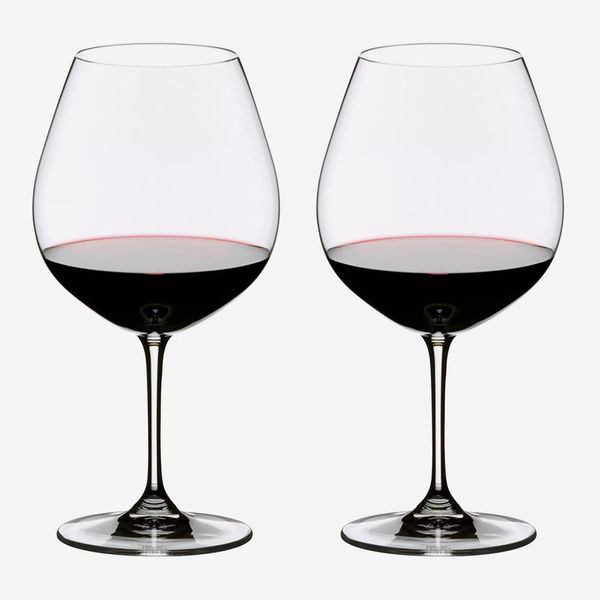
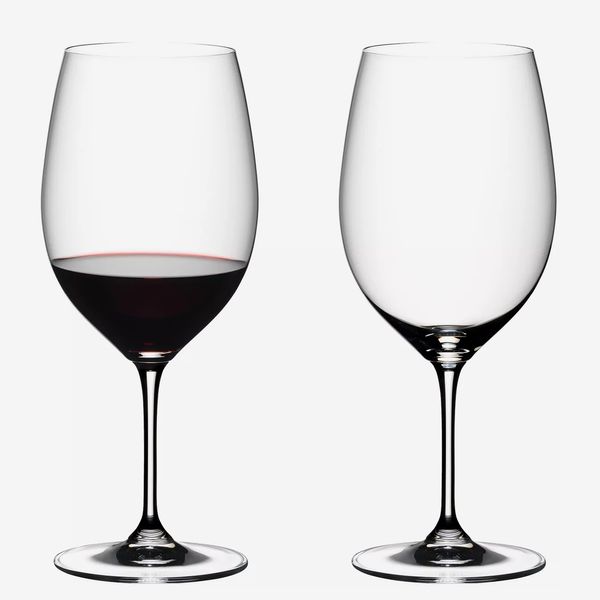
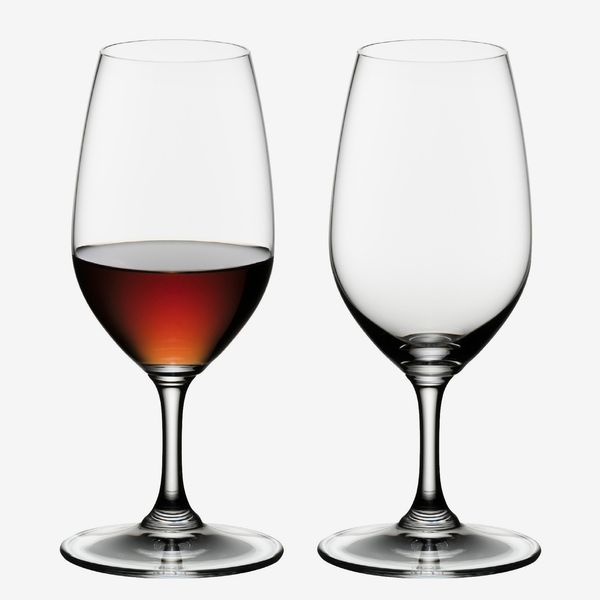
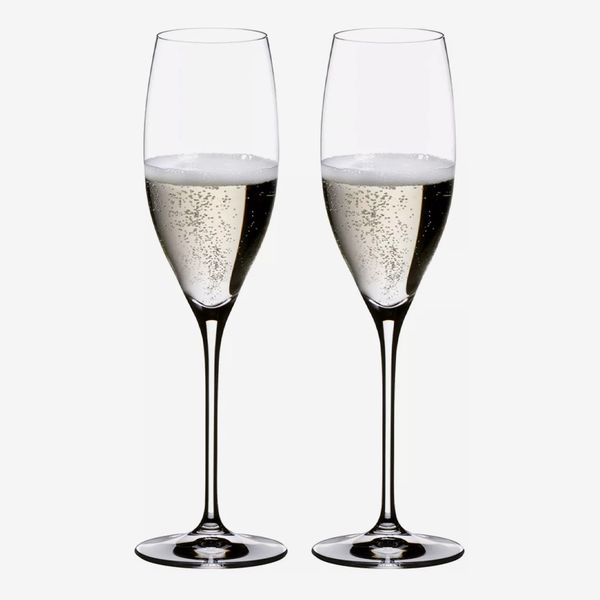
The brand we have worked with the longest — 30-plus years — is Riedel. The Vinum Riesling Grand Cru glass is essentially our AP White glass, used for crisp, refreshing wines like Sauvignon Blanc (or most Italian whites, like Carricante, Verdicchio, Arneis, etc.). The Vinum Montrachet is designed for oak-aged whites, and we find classic California Chardonnay does very well in these. The Vinum Burgundy is used almost exclusively for Pinot Noir, and the Vinum Bordeaux is great for most other reds with one notable exception I will mention shortly. Lastly, we use the Vinum Port glass for port and vin santo–style sweet wines. (We stopped using traditional flutes ten-plus years ago, although we do keep some Riedel Vinum Cuvée Prestige stems around in case anyone really needs a flute.)
New! You can now save this product for later.
New! You can now save this product for later.
New! You can now save this product for later.
New! You can now save this product for later.
New! You can now save this product for later.
New! You can now save this product for later.
While lighter, fresher Nebbiolos are great in the Vinum Burgundy glasses, the Sensory Glass (made for Roberto Conterno by Schott Zwiesel) is simply the best glass out there for more serious Barolo and Barbaresco wines.
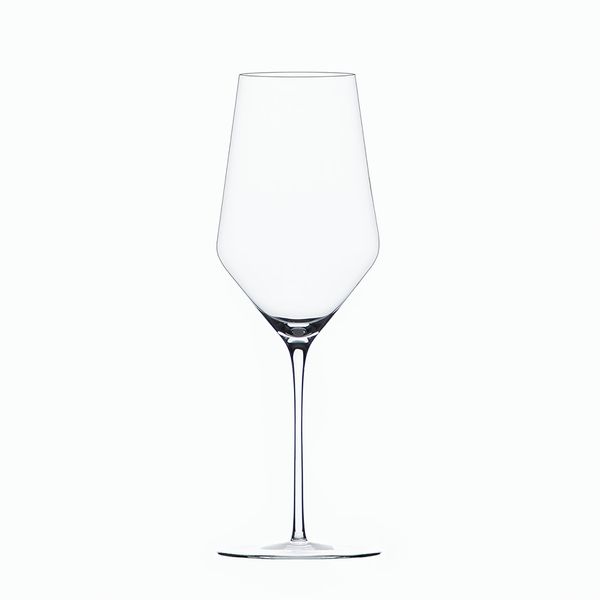
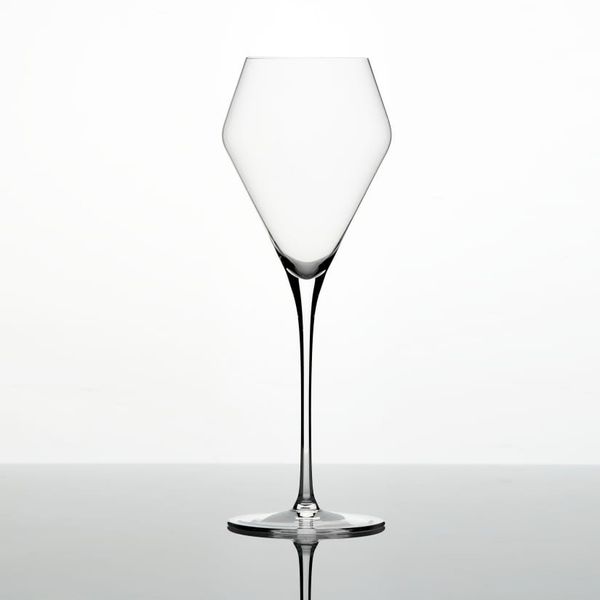
We have used Zalto’s white-wine glass as our Champagne stem for years, and since we started using the Sensory glasses, we added Zalto’s Bordeaux stem so we could offer a bigger, handblown glass for non-Nebbiolo red wines. We also use Zalto’s Sweet Wine glass for more aromatic sweet wines.
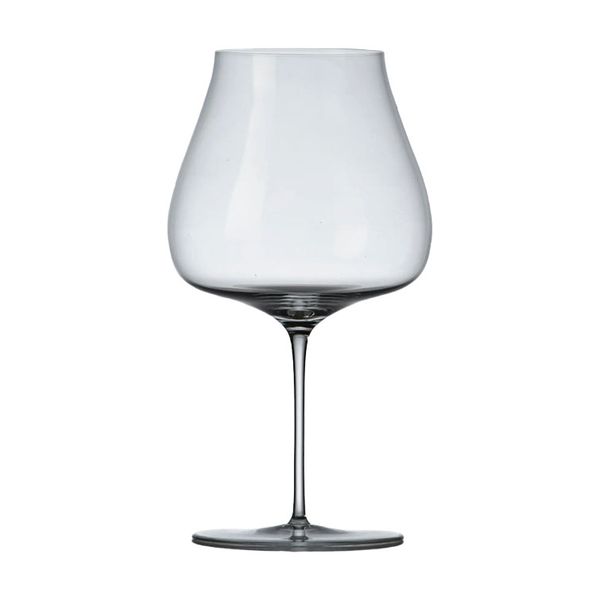
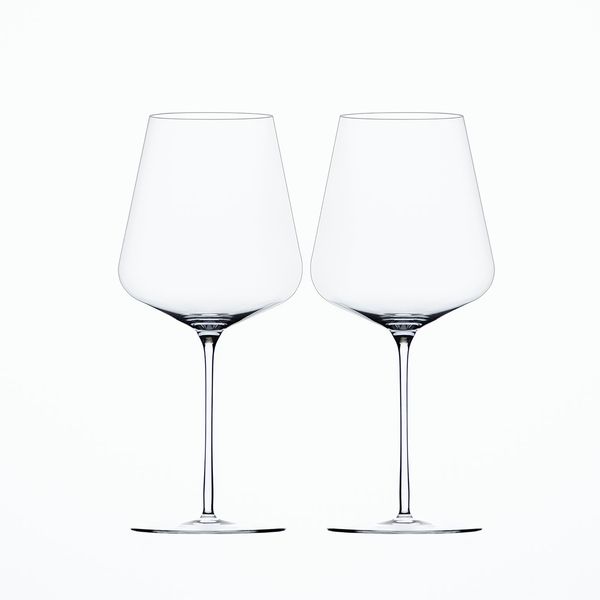
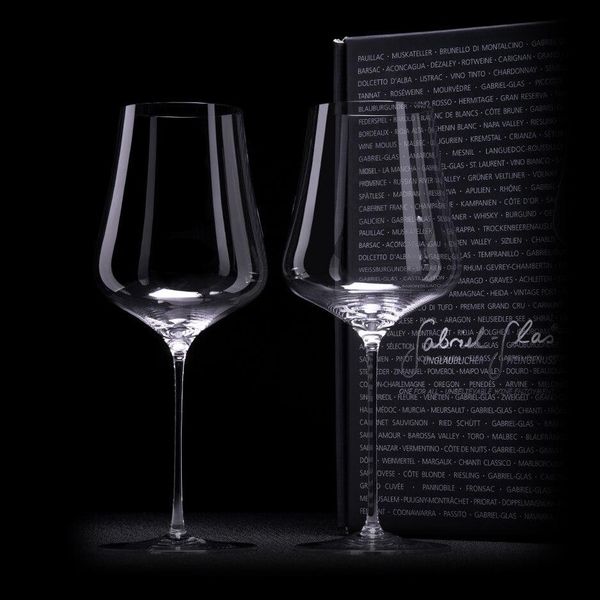
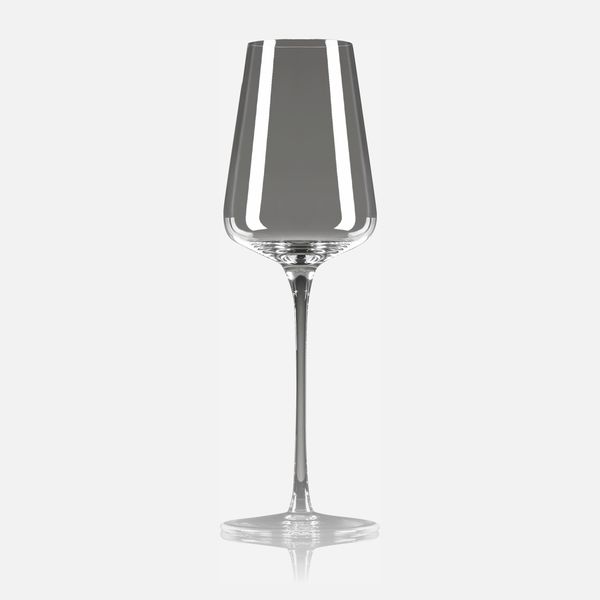
The Gabriel Glass Gold Edition is used for many styles of wine, including fuller whites that may see oak but are not creamy or buttery (Fiano di Avellino, Friulano, Pinot Bianco, etc.), richer sparkling wines that have a more toasty or oxidative profile (Krug, Bollinger, Vilmart), and, surprisingly, some very light reds, such as Schiava and Rossese. We use Sophienwald’s Phoenix Purus glass for lighter sweet wines and for smaller pairing pours. And the most recent addition is Italesse’s T-Made 95 Oslavia glass for macerated whites and orange wines. —**Gianpaolo Paterlini, wine director**
New! You can now save this product for later.
New! You can now save this product for later.
New! You can now save this product for later.
New! You can now save this product for later.
New! You can now save this product for later.
New! You can now save this product for later.
New! You can now save this product for later.
Want to be emailed about sales and other updates to your saved products? Success! You'll get an email when something you've saved goes on sale.
Yes
New! You can now save this product for later.
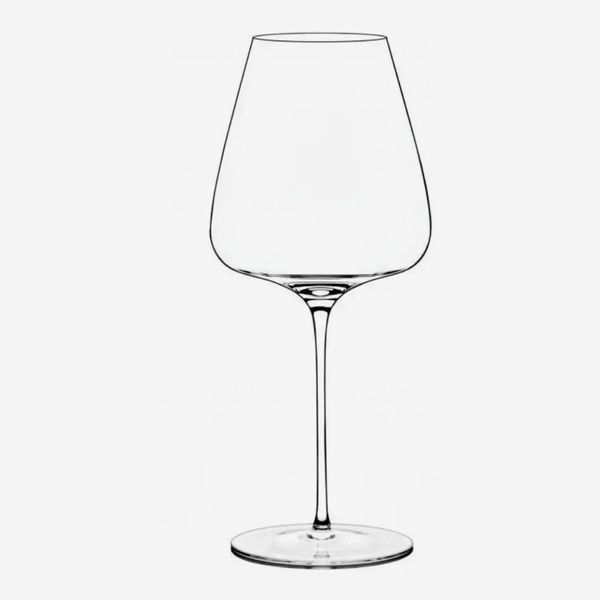
At both Le Pigeon and Canard, we use the Riedel Restaurant line for bottles of red and many white wines. For our all-purpose glasses, for most wines by the glass and wine pairings, what we use at each restaurant diverges. At Le Pigeon, it’s this Richard Brendon glass designed with Jancis Robinson to truly be a complement to many kinds of wine. It is a beautiful curved glass that has a nice rounded bottom and gently tapered sides that really accentuates most wines, especially when served in tasting portions, which we do a lot of. I can’t even begin to count how many samples of different glasses we tried before I found this one. I had given up my search — almost — for a new AP glass and was in New York having lunch at Gramercy Tavern. They had it, so I had a great lunch and found our new glass. —**Andy Fortgang, co-owner and wine director**
Want to be emailed about sales and other updates to your saved products? Success! You'll get an email when something you've saved goes on sale.
Yes
New! You can now save this product for later.
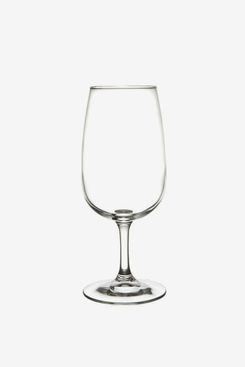
LoLo is a high-volume wine bar. On any given night, we see somewhere between 200 to 400 guests come in in various states of inebriation. So we need a glass that can withstand the rigors of service on Austin’s East Sixth Street. We love these glasses because they’re hardy and cost effective. They’re also standard practice in natural-wine bistros worldwide, where we learned to appreciate the beverage in the first place. Where it really gets fun is when practicality and politics align. We’re no stranger to “wine professionals” snubbing their noses at being forced to imbibe from such “modest” glassware, but that’s also the point. To quote our dear friend Aaron Ayscough: “before natural wine was auctioned online, it was served at lunch tables on farms. When tasting in [winemaker’s] cellars, the pragmatic and thrifty vignerons who actually make the wine typically employ simple, sturdy glassware. Why should we need anything more complicated to appreciate it?” —**Matt Bowman and Adam Wills, co-owners**
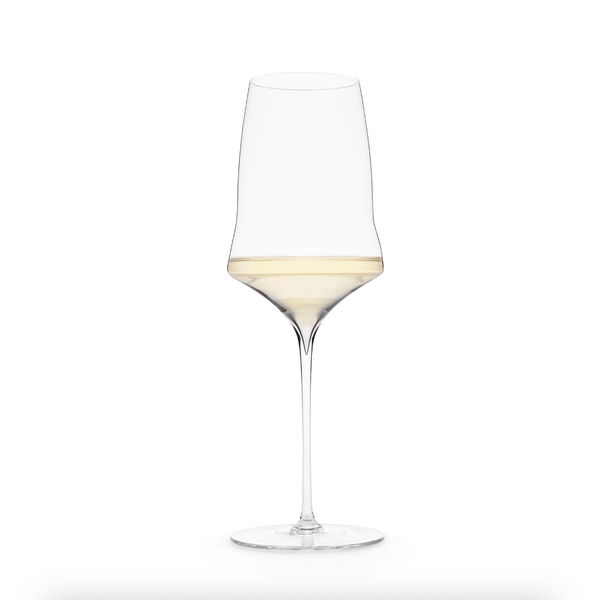
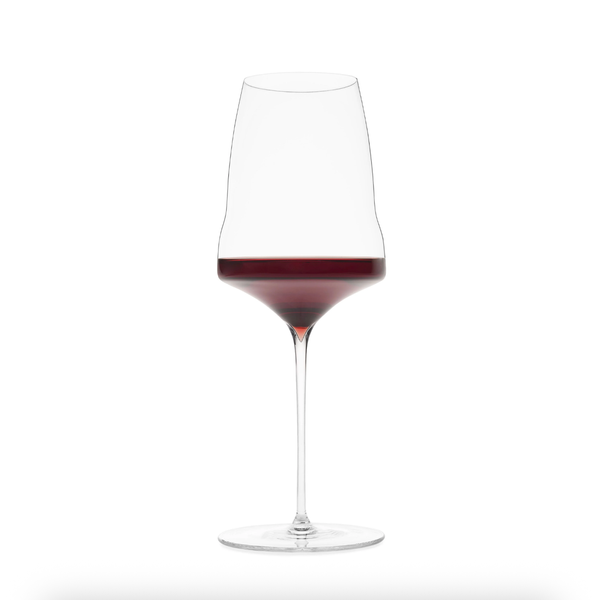
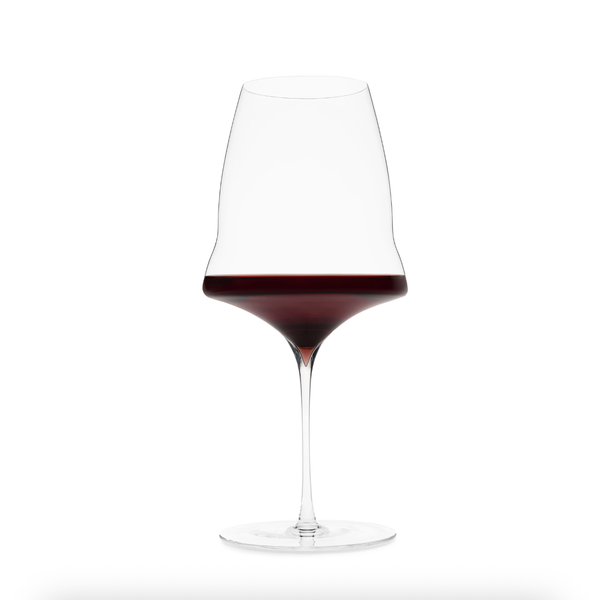
The first time I saw Josephinenhütte in action was in Germany when I visited Hermann Ludes in the Mosel. And I couldn’t shake the association of the white-wine glass with this beautiful high acid wine from the Mosel as I first experienced it. To add more to the decision, there was a Zalto shortage during the pandemic; restaurants couldn’t find any way to get more Zaltos. Learning about Kurt Josef Zalto (the creative and glassmaker behind Josephinenhütte) and his story, and eventually getting to meet and connect with him, was another reason I gravitated toward the glassware. When we were opening Smithereens, I didn’t know the capacity at which these glasses would be used, but I knew we had to have the white-wine glasses, given our focus on the opening chapter of our wine list (the theme was Riesling).
We started with the white-wine glasses because of our preference for Riesling. We switched to red-wine glasses when focusing on Grenache, and we invested in universal glasses when we decided to concentrate on Chardonnay. So the journey of deciding which glasses to source stemmed from the flow of our wine program and the different themes that we’ve explored.
The shape of the bowl is interesting and visually arresting. But that shape also has purpose and intent, which Kurt explains when discussing the design of the glass. Swirling the wine creates a natural boundary from the glass’s kink, allowing the wine to absorb air, which enhances the aromatics. I also enjoy the weight of the glass; it feels like an extension of your hand. It feels natural to swirl, akin to holding an instrument rather than a glass. —**Nikita Malhotra, partner and beverage director**
New! You can now save this product for later.
New! You can now save this product for later.
New! You can now save this product for later.
Want to be emailed about sales and other updates to your saved products? Success! You'll get an email when something you've saved goes on sale.
Yes
New! You can now save this product for later.
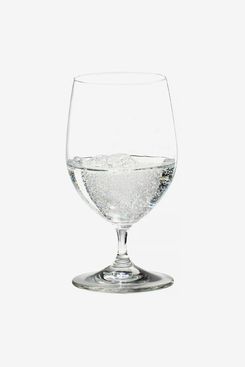
Tell Me started as a pop-up featuring natural wine. What we do revolves around the idea that while we’re totally nerdy and meticulous about our wine list, we want you to feel relaxed in our space and focus more on the adventure you’re having rather than whether you’re doing things “right.” This philosophy, of course, influenced all our decisions about how we curated the environment at Tell Me, including glassware. We went with Riedel water glasses because they are short-stemmed, casual and effortless, and don’t draw attention to themselves. You wont be afraid to mess something up or to have fun with this glass in your hand. A long-stemmed glass can draw attention to itself, making you aware of its handling and treatment and perhaps subconsciously yourself. It seems less intentioned for mingling. Our little Riedel water glasses allow forgetting, which is essential to the kind of authenticity we thrive on. And they still hit the most important marks for drinking wine, being lightweight crystal with a wide-enough bowl for swirling. As far as drawbacks, they chip easily and do not hold up very well in the dishwasher, and they have increased in price over the last few years. We also have Gabriel-Glas glasses for when people get special bottles or are in a more ponderous mood. —**Uznea Bauer, founder and co-owner**
Want to be emailed about sales and other updates to your saved products? Success! You'll get an email when something you've saved goes on sale.
Yes
New! You can now save this product for later.
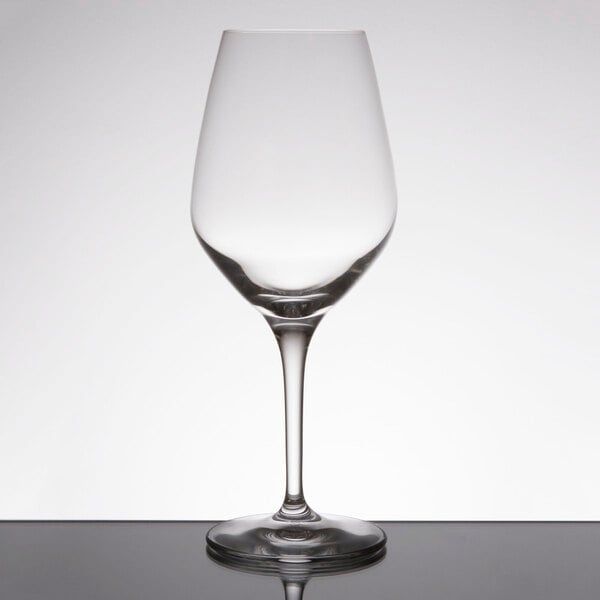
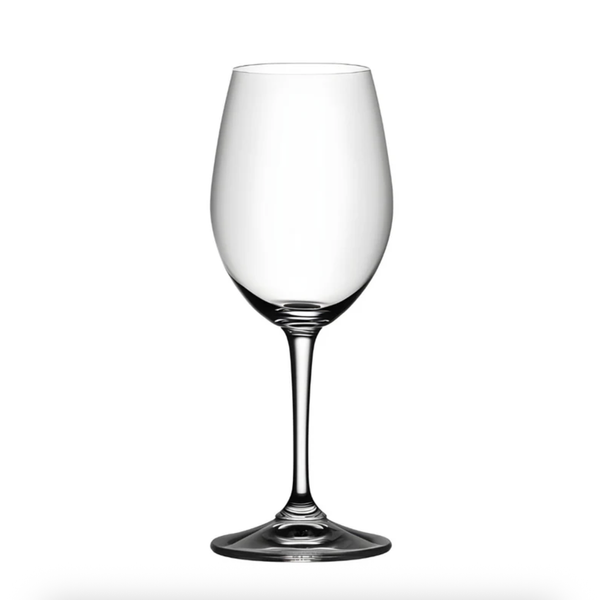
Practicality matters just as much as aesthetics. At Anelya, in the spirit of Ukrainian dining, the table fills up quickly — multiple dishes, shared plates, lots of movement. People are constantly reaching across, passing food, leaning in. So we needed a glass that wasn’t too tall, too wide, or top-heavy. Something stable, compact, and unobtrusive. We tested a number of options, but this was the one that struck the right balance. It feels good to hold, doesn’t dominate the table, and quietly supports the way we want people to eat and interact.
The size feels just right too — not too large, not too delicate. The glass itself is thin and refined but still durable enough to handle the realities of a busy dining room. Another top selling point: a bowl that’s generous enough to let the wine open up but restrained enough to work across the board.
We focus almost entirely on Eastern European wines, with a few that drift into Central Europe, but always with a through-line of Slavic identity. These are wines that, for a lot of guests, are unfamiliar territory. I think there’s still a misconception that Eastern European wines aren’t “refined” in the way people associate with, say, France or Italy.
In reality, these wines are deeply rooted in Old World traditions — arguably even older than what most people think of as “Old World” wine — going back thousands of years. The terroir, the varietals, the techniques all carry a sense of history and place that’s incredibly rich and expressive. So the glass plays an important role in how that story is received. It feels familiar and comfortable in your hand, easy to drink from, not intimidating. But at the same time, it has just enough elegance and refinement to match the quality and depth of what’s in it. In a subtle way, it helps set expectations, telling the guest, “This is approachable, but it’s also serious.” It’s one of those rare pieces that quietly does everything well without drawing attention to itself. —**Johnny Clark, owner and chef**
Want to be emailed about sales and other updates to your saved products? Success! You'll get an email when something you've saved goes on sale.
Yes
New! You can now save this product for later.
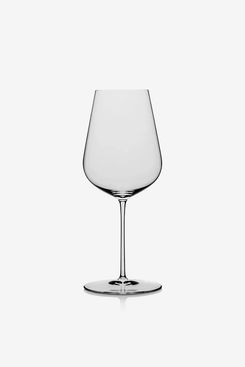
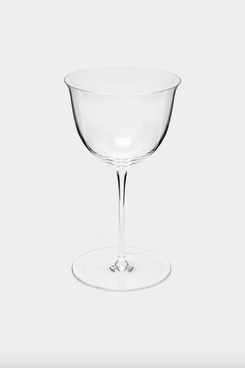
Technically, Riedel’s Degustazione is a white-wine glass, but I think it performs well as an all-purpose. To me, it’s the perfect restaurant wineglass for a few reasons: (1) the long(-ish) stem and curvature of the glass makes swirling fun, (2) the bowl is big enough to experience the wines’ aromatics, (3) it’s sturdy but not weighty and can endure a lot of use, (4) it’s elegant and looks great on the table, and (5) it’s easy to clean and polish … with the right polishing cloth! —**Andrew Lawson, owner**
Want to be emailed about sales and other updates to your saved products? Success! You'll get an email when something you've saved goes on sale.
Yes
New! You can now save this product for later.
I’ve been an admirer of Lobmeyr crystal for as long as I can remember. For the first couple of decades at Quince, it would have been irresponsible of me to use them in service. When we redesigned the restaurant a couple of years ago and shrunk the dining room, we went for it. The glasses are incredibly delicate, but they’ve held up in service, which speaks to the quality of the materials. In my view, it’s the ideal intersection of form and function. The bowl shape isn’t quite traditional, but it’s not so decorative that it’s distracting. Like a lot of the more trendy wineglass-makers, it feels very light in hand. Conventional wisdom is that a lighter glass provides for a more “intimate” drinking experience. In my view, a lighter glass simply makes you focus on what’s inside. —**Lindsay Tusk, co-owner**
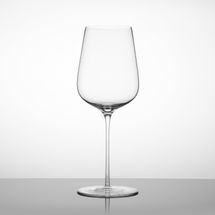
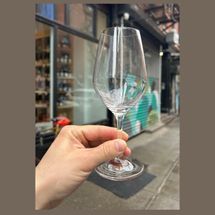
We have two kinds of wineglasses at Crevette: an elegant, lightweight stem from a company called Glasvin, which we use for higher-end bottles and special occasions. They unfortunately do break quite frequently, so we try not to use them too much during busy hours. And then we have more casual, smaller, sturdier bistro glasses from a company called Orcy, which are embossed with our logo. These transport you to a natural wine bar in Paris — playful and unpretentious and easy to hold. They’re an everyday, stronger glass that doesn’t break easily in the daily hustle and bustle of service. —**Ed Szymanski, co-owner and chef**
Want to be emailed about sales and other updates to your saved products? Success! You'll get an email when something you've saved goes on sale.
Yes
New! You can now save this product for later.
Want to be emailed about sales and other updates to your saved products? Success! You'll get an email when something you've saved goes on sale.
Yes
New! You can now save this product for later.
- The 108 Best Father’s Day Gift Ideas
- The 28 Best Early Prime Day Deals (So Far)
- The Strategist Summer 100
- I Replaced My Tretinoin With This $30 Retinal Cream See All
The Strategist is designed to surface useful, expert recommendations for things to buy across the vast e-commerce landscape. Every product is independently selected by our team of editors, whom you can read about here. We update links when possible, but note that deals can expire and all prices are subject to change.
17 Restaurants on the Wineglasses They Use Your product is saved! You’ll receive emails when your saved products go on sale. Manage preferences.