How to Clean Like a Monk: 11 Tools for Tidying Up (original) (raw)
The 11 Things a Japanese Monk Uses to Tidy
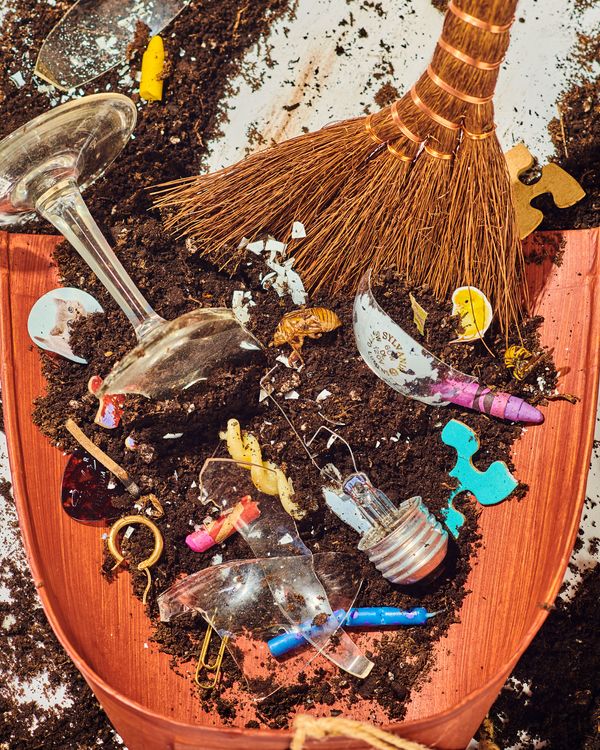
Photo: Joe Lingeman/JOE LINGEMAN
Shoukei Matsumoto, a Japanese Buddhist monk (and the author of A Monk’s Guide to a Clean House and Mind), cleans for two hours most days at his temple in Tokyo. “When it’s raining,” he says, “I polish stuff for holy rituals; when it’s sunny, I go clean the courtyard, sweep up leaves.” While many Buddhist monks in Tokyo and farther afield in Japan do actually use modern appliances (vacuums and even Roombas) to tidy, Matsumoto says he prefers tools made of natural materials, things that are “symbolic of a simple life.” Here, his favorite cleaning products — useful to monks and non-monks alike.
“Even when I began living as a monk, I didn’t fully understand the importance of cleaning. Whatever the school, monks work hard to keep their temple very tidy. In Japanese Buddhism, we don’t separate the outdoor world from the inner world. If you keep your environment clean and tidy, you keep your inner world — your mind — clean and tidy.”

Want to be emailed about sales and other updates to your saved products? Success! You'll get an email when something you've saved goes on sale.
Yes
New! You can now save this product for later.
Photo: Courtesy of vendor
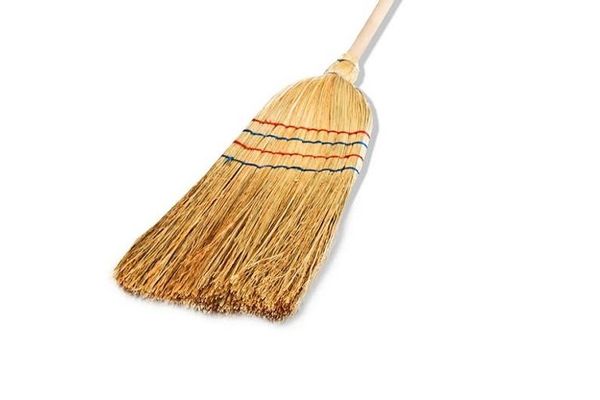
“You should never use the broom you use outside for cleaning inside; we consider that dirty, just like going inside a house with shoes on. For outside, the brush should be bigger, and the material should be hard enough to sweep leaves or cigarette butts off of stone. This one’s brushis broomcorn. A softer broom might not be strong enough to push that stuff.”
Want to be emailed about sales and other updates to your saved products? Success! You'll get an email when something you've saved goes on sale.
Yes
New! You can now save this product for later.
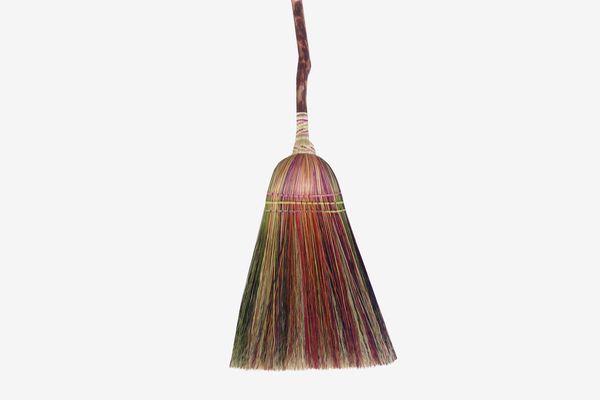
“This broom’s brush creates a nice, meditative sound as you sweep it. In Japan, it’s very normal to sweep not only the land your house is on but also land around it, like public sidewalks or nearby parks or gardens.”
Want to be emailed about sales and other updates to your saved products? Success! You'll get an email when something you've saved goes on sale.
Yes
New! You can now save this product for later.
Photo: Courtesy of vendor
“The brush on a broom for sweeping inside should be softer and smaller. Japanese houses sometimes have tatami floors, and hard bristles may hurt the surface of that. Plus, inside you’re mostly sweeping away dust, and a softer brush, like this one, is fine for that.”
Want to be emailed about sales and other updates to your saved products? Success! You'll get an email when something you've saved goes on sale.
Yes
New! You can now save this product for later.
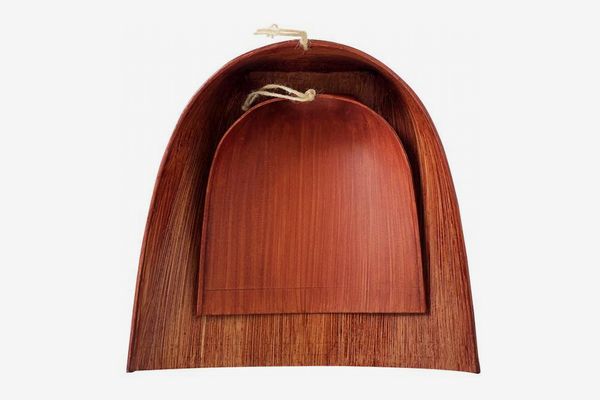
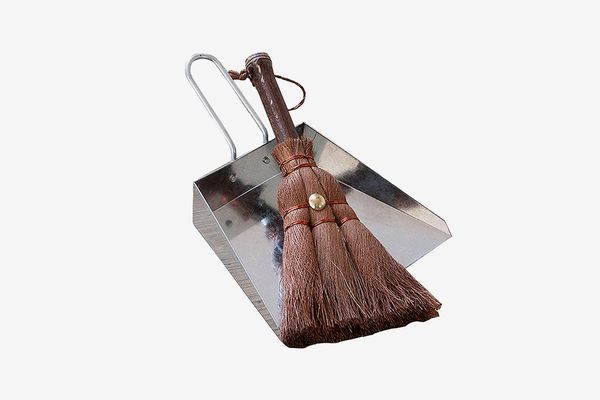
This dustpan and brush, carried by Los Angeles–based tools-and-accessories line RT1home, is made from bamboo and washi, a Japanese paper used in screen-making. “It’s beautiful, but decorative — it’s high craftsmanship that’s functional and efficient,” Matsumoto says. “In my experience, when I use good stuff like this to clean, it becomes more meditative and ritualistic.”
Want to be emailed about sales and other updates to your saved products? Success! You'll get an email when something you've saved goes on sale.
Yes
New! You can now save this product for later.
Photo: Courtesy of vendor
“Use thisto clean up any little mess on the table. Don’t put the dustpan on the table; hold it under the edge to catch whatever you’re sweeping off of it.”
Want to be emailed about sales and other updates to your saved products? Success! You'll get an email when something you've saved goes on sale.
Yes
New! You can now save this product for later.
Photo: Courtesy of vendor
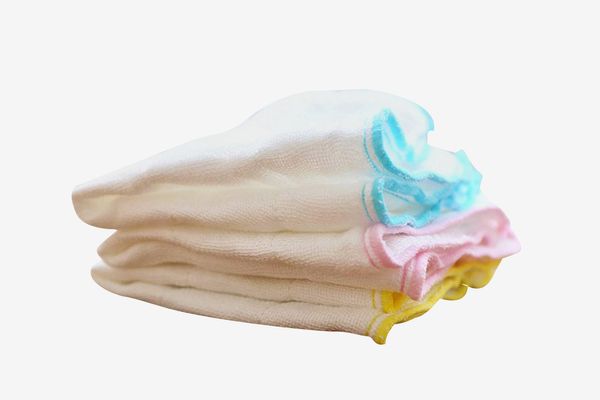
“This is a popular kitchen towelwe use in Japan to clean tables before meals or to wipe up spills or small bits of dust. I use a fresh one every day because, if you leave it out overnight, some bacteria may grow.”
Want to be emailed about sales and other updates to your saved products? Success! You'll get an email when something you've saved goes on sale.
Yes
New! You can now save this product for later.
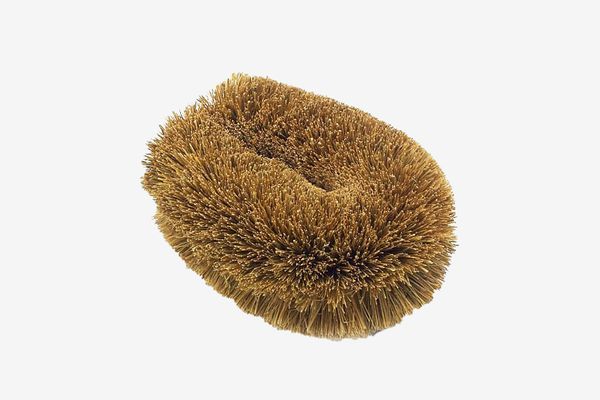
“The tawashi is another very popular Japanese cleaning tool. Use it to scrub dirty pans or bowls — not tables, because the bristles are very hard and could hurt wood or glass. The brush is very versatile. I keep separate tawashi for inside and outside. Outside, you can use it to polish metal, like hubcaps on cars. Inside, some people use it to clean the toilet.”
Want to be emailed about sales and other updates to your saved products? Success! You'll get an email when something you've saved goes on sale.
Yes
New! You can now save this product for later.
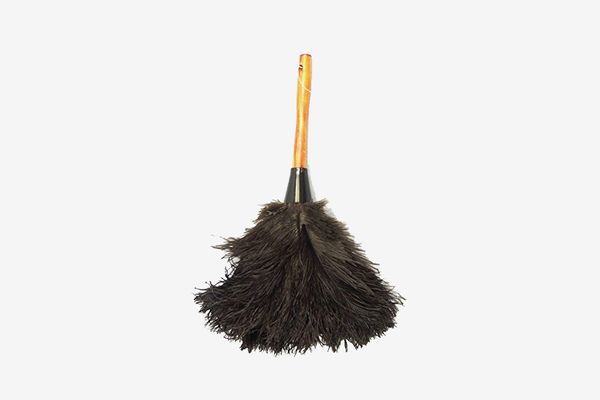
“A feather duster is the softest type of tool for cleaning. This is for the most delicate places, like butsudan: a small temple or shrine within many Japanese houses.”
Want to be emailed about sales and other updates to your saved products? Success! You'll get an email when something you've saved goes on sale.
Yes
New! You can now save this product for later.
Photo: Courtesy of vendor
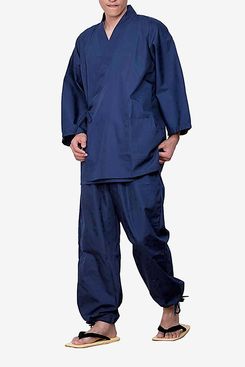
“Changing into specific clothes for cleaning can help the practice become intentional. Samue is workwear for monks; it’s good for cleaning as well as daily life. Wearing it can be a powerful way to change your mind — and your mood. I have three different kinds of the same samue, like Steve Jobs with his black turtlenecks.”
Want to be emailed about sales and other updates to your saved products? Success! You'll get an email when something you've saved goes on sale.
Yes
New! You can now save this product for later.
Photo: Courtesy of vendor
Want to be emailed about sales and other updates to your saved products? Success! You'll get an email when something you've saved goes on sale.
Yes
New! You can now save this product for later.
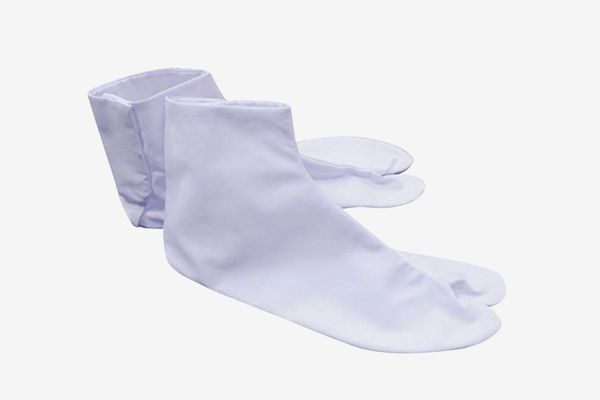
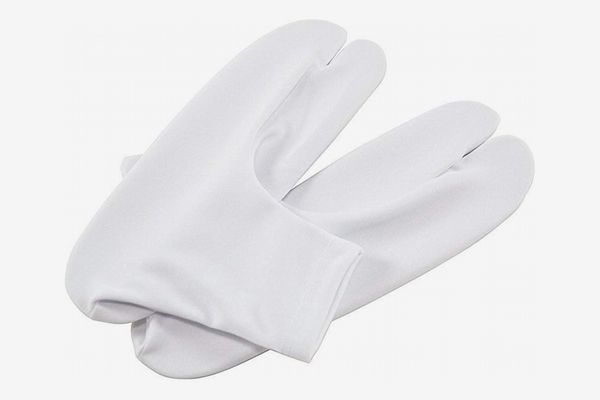
“Monks put so much energy into cleaning every day that even white tabi sockswon’t get dirty. Inside, we are often barefoot, but wearing tabi is good for cleaning holier spaces, like around the Buddha statue.”
Want to be emailed about sales and other updates to your saved products? Success! You'll get an email when something you've saved goes on sale.
Yes
New! You can now save this product for later.
Photo: Courtesy of vendor
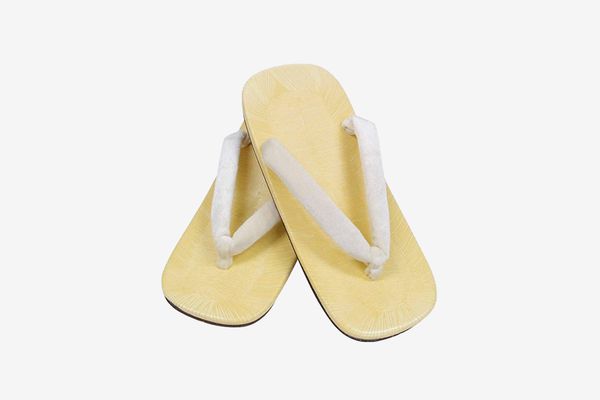
“These setta are considered shoes, so they’re for outside; I wear them to clean the garden. Setta mold to your feet. Some Buddhist monks in Japan practice on a mountain, and part of that practice is running and walking around the mountain for an average of 25 miles a day—in shoes like this.”
*A version of this article appears in the February 3, 2020, issue of New York Magazine. Subscribe Now!
The Strategist is designed to surface the most useful, expert recommendations for things to buy across the vast e-commerce landscape. Some of our latest conquests include the best acne treatments, rolling luggage, pillows for side sleepers, natural anxiety remedies, and bath towels. We update links when possible, but note that deals can expire and all prices are subject to change.
The 11 Things a Japanese Monk Uses to Tidy Your product is saved! You’ll receive emails when your saved products go on sale. Manage preferences.