Stephen King's IT: What The Controversial Sewer Scene Really Means (original) (raw)
A controversial scene from Stephen King's It novel hasn’t been adapted to TV or film, but it has a symbolic meaning. In 1986, Stephen King terrorized readers with the novel It, which introduced a shapeshifting monster. It is now a classic novel in the horror genre, and has expanded thanks to its different adaptations, including the prequel TV show Welcome to Derry.
The novel is divided into two parts, the first one following the Losers as kids as they are haunted by It in its different forms, and the second following the group as adults as It re-awakens after 27 years. Ultimately, the adult Losers defeat Pennywise once and for all by challenging the creature in the sewers, where it has lived for decades.
However, there’s a controversial scene in the novel that no film adaptations have included, nor did Welcome to Derry, and that’s the infamous sewer scene between Bev and the rest of the Losers Club.
Why The Sewer Scene In IT Is So Controversial
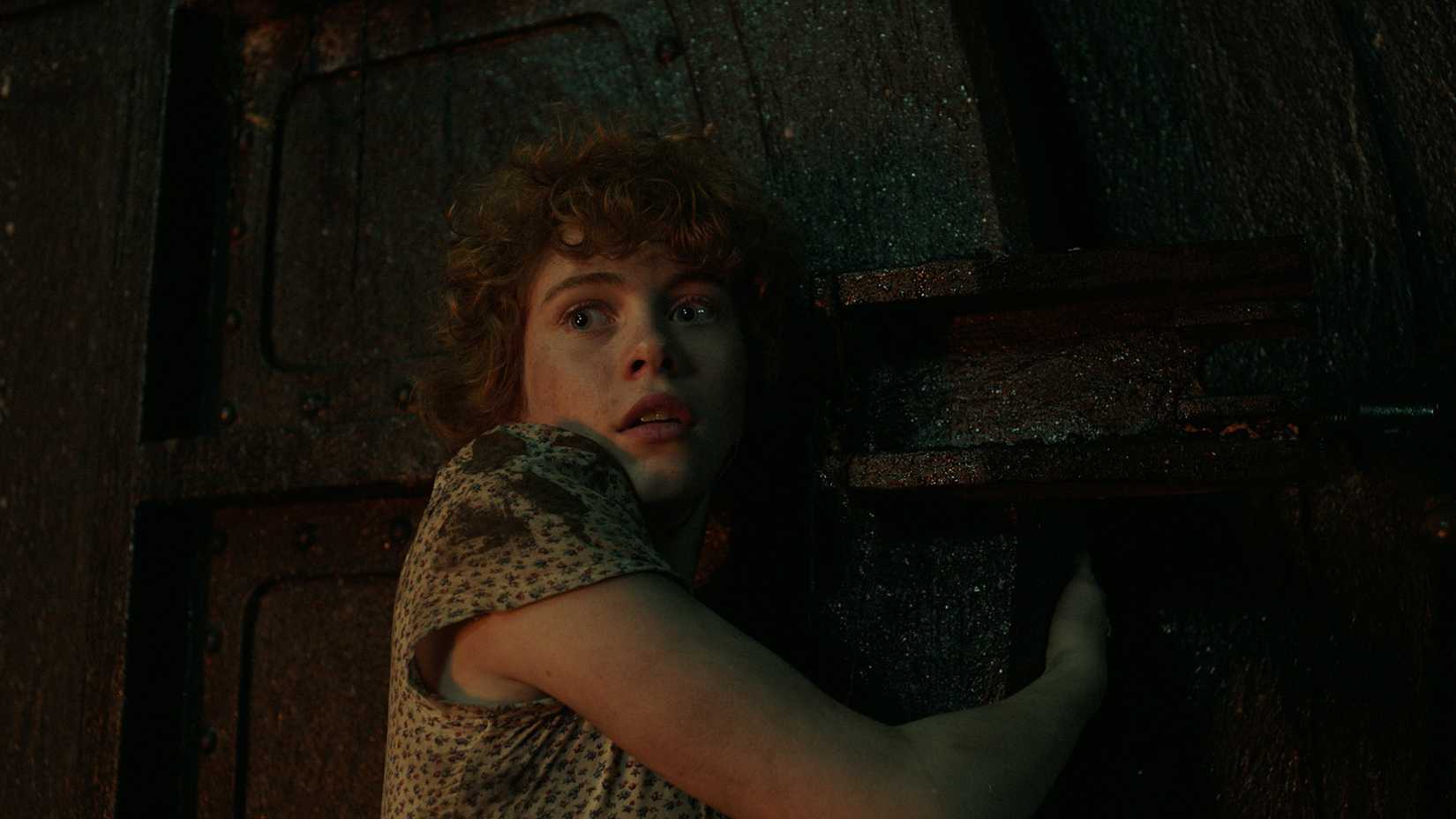
Bev looking scared in It 2017
When the Losers were kids, they went into the sewers to confront Pennywise. Once there, Bill Denbrough performed the “Ritual of Chüd” through which he met the turtle Maturin, creator of the universe and the antithesis of It. Maturin explained to Bill that the only way It could be defeated was through a battle of wills.
Bill then entered It’s mind and saw its true form, known as the “deadlights”, and managed to defeat it, albeit only temporarily. This would lead to one of the biggest Stephen King book controversies, in which, after getting lost in the sewers trying to make their way back to the surface, Bev decides to have sexual intercourse with the other Losers.
Bev does this to help them remember the way back so they can make it home, and, to the audience’s surprise, it works. The reasoning behind this is that, by taking this step, they'd lose their innocence and become adults (and thus not the prey Pennywise wanted), and in the process, Pennywise would lose his influence over them too.
Despite the narrative reasoning, it doesn't change the fact that Bev and the Losers are 11 years old when this happens. _It’_s sewer scene was the result of a creative decision that ended up being extremely controversial, and still looms over the book decades later.
What The IT Sewer Scene Really Means

The Losers underneath Neibolt Street's house in It 2017
The controversial sewer scene wasn't random. In the book, Bev realized that they were not going to find the exit without being unified, as they had been before weakening and defeating Pennywise, and the only way she could find to rebuild that bond between them was by having sex with them.
Of course, such a scene involving underage characters was extremely controversial and has been left out of all adaptations, but it has a meaning that goes beyond the act itself. In 2013, Stephen King (through his office manager, Marsha DeFillipo) shared on the message board of his official site what the controversial scene in the sewers represents.
King explained that, at the time, he wasn’t thinking of the sexual aspect of it. Instead, he wrote it as the connecting link between childhood and adulthood, as the Losers Club knew they had to be together again, and described it as “another version of the glass tunnel that connects the children’s library and the adult library.”
King added that he's aware that, with time, there has been more sensitivity and attention to issues like the sewer scene. One of the screenwriters of It, Gary Dauberman, told EW that the sex scene is one that “_everybody kind of brings up_” and that's “_such a shame_”, as other important things are happening in the story.
Whether the scene captures Stephen King's intent is up to every reader, but it’s important to know that the sewer scene in It, as controversial as it is, is not there just to add shock value. The scene had a purpose when Stephen King wrote it, and the fact that it hasn’t been removed from any version of the novel proves this.
What Stephen King Has Said About The IT Sewer Orgy

Stephen King looking to his left in front of Doctor Sleep cover art
Credit: Jerome Domine/Abaca/startraksphoto.com
As mentioned above, Stephen King has already spoken about the sewer scene in It, likening it to a passageway from childhood into adulthood. King also explained that the scene was meant to show the Losers Club growing closer and banding together, and that it was a necessary act for them to escape the tunnels.
However, King also accepts that the scene hasn't aged well. Still, King finds it fascinating just how much controversy the scene has attracted, telling Vulture in 2017 that he’s fascinated by the amount of comments the sex scene has received but not the “_multiple child murders_” throughout the novel.
How The Sewer Was Featured In It: Welcome To Derry Season 1
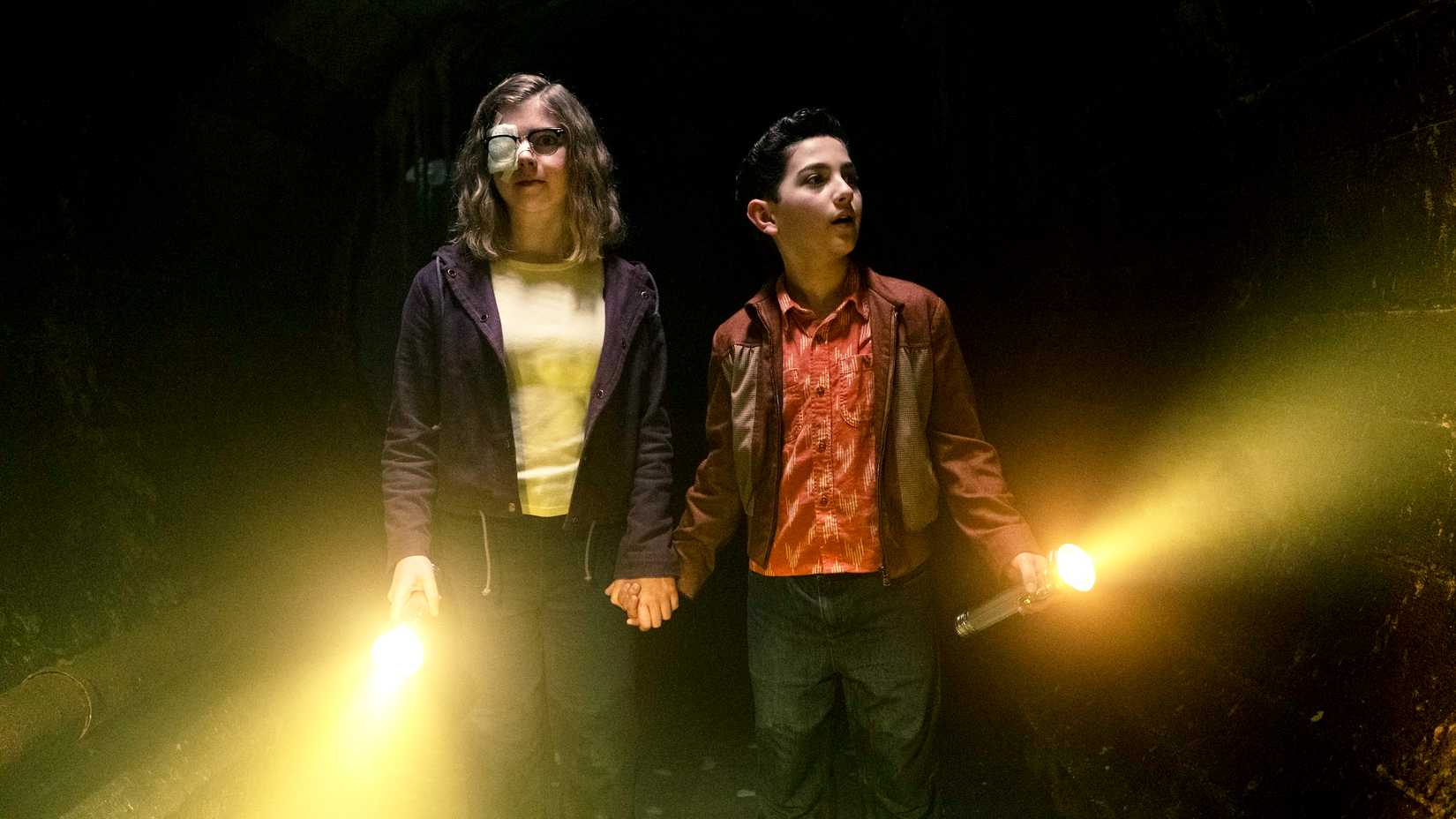
Marge and Rich holding hands in It Welcome to Derry
Image via HBO
As previously mentioned, the sewer scene as it is in the novel wasn’t included in the prequel series Welcome to Derry, either, but the show does take its characters into the sewers. Instead of going there by themselves, the kids are led to the sewers by It posing as their dead friend, making them believe he survived It’s attack.
Once in the sewers, Pennywise reveals itself, and the kids run for their lives. At the same time, the adults of the story, who are on a mission to find It’s lair as ordered by the military, also have a close encounter with the creature. There’s nothing sexual in any of those scenes, with Welcome to Derry simply using the sewers as It’s lair.
Other Stephen King Novel Moments Too Gross For Movie Adaptations
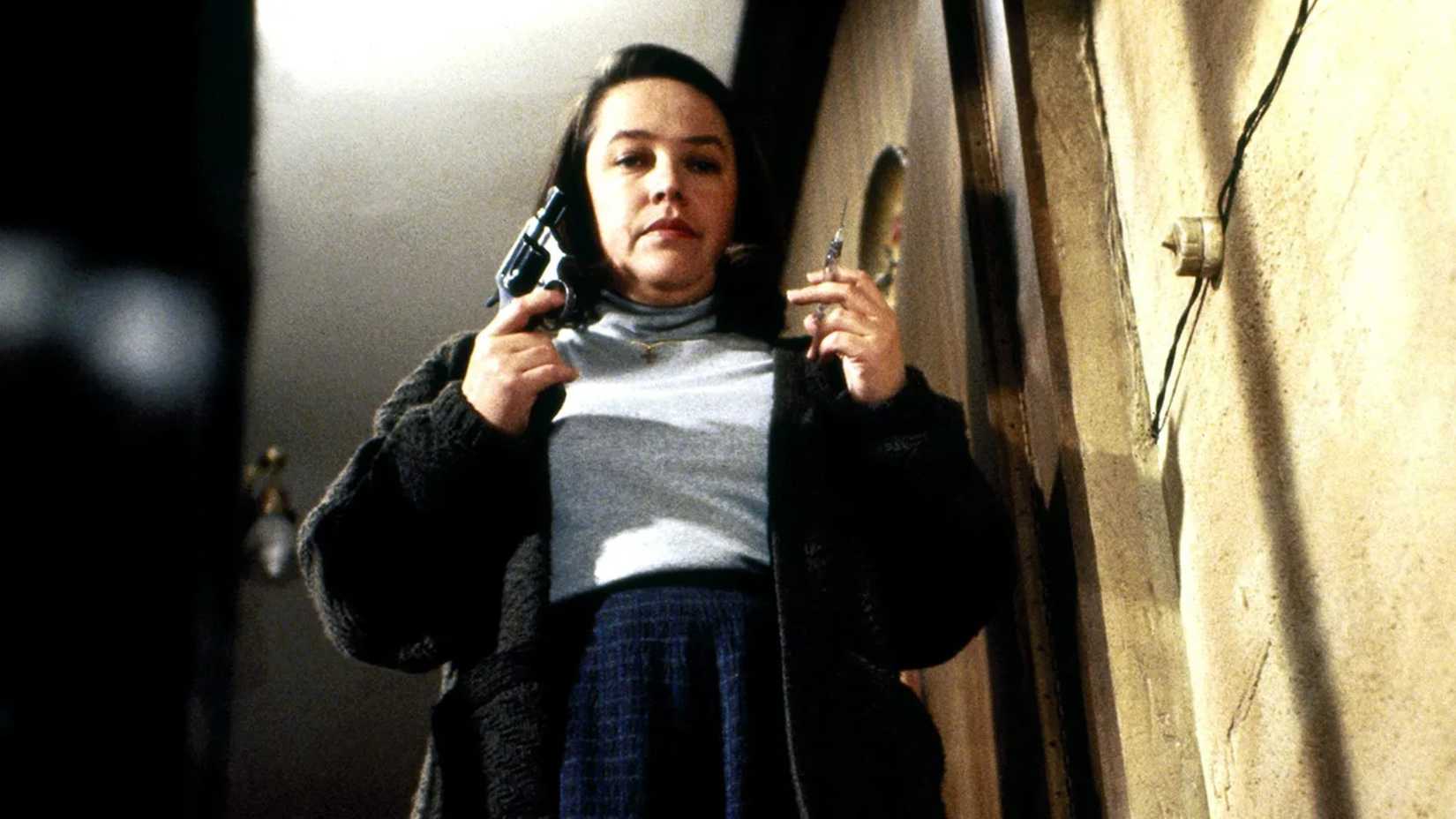
Annie stands at the top of the stairs with a gun and needle in Misery.
Movies based on Stephen King's books are generally known for being creepy and disturbing, but many are far tamer than the source material. In 1993, George Romero adapted The Dark Half, a lesser-known King novel he wrote under his Richard Bachman pseudonym.
While George Romero is no stranger to the visceral, finding his own acclaim directing movies like Night of the Living Dead, even he felt King's depiction of cop Edding getting brutally castrated in The Dark Half was too much for the big screen.
The already harrowing and underrated Misery adaptation is, in fact, a watered-down presentation of King's vision. Kathy Bates terrified audiences as Annie Wilkes, and it would have been worse had director Rob Reiner opted to adapt and include the detailed passage where Wilkes drives over a state trooper with a lawnmower.
Where The Sewer Ranks Among Stephen King's Most Talked About Book Moments

The Losers Club looks at the quarry in It 2017
The It sewer sex scene is far from the only shocking scene in Stephen King's bibliography. The author reached such high levels of acclaim partly due to never being afraid to push himself or the reader into uncomfortable territory. This has, understandably, led to several other moments in his stories that became talking points.
For example, in Carrie, there's a difficult conversation the titular character has with Sue Snell following her rampage at the school prom. Carrie learns, much to her guilt, that the carnage she'd caused had placed so much stress on Sue that she'd suffered a miscarriage.
King holds nothing back during this passage and fully dives into the levels of emotional trauma felt by Sue and the sense of loss she feels, which is an especially difficult read given how young the character is, too.
There's also the moment in The Shining when Jack disfigures his own face with a mallet. Given how many shocking moments there are in The Shining in general, it shows just how visceral and disturbing the sequence is that it's highlighted repeatedly by readers.
The It sewer sex scene is difficult to read simply due to what's happening and the characters involved, and nothing else Stephen King has written, no matter how gory or psychologically chilling, has come close to matching this moment when it comes to infamy.
Sources: EW, Vulture.
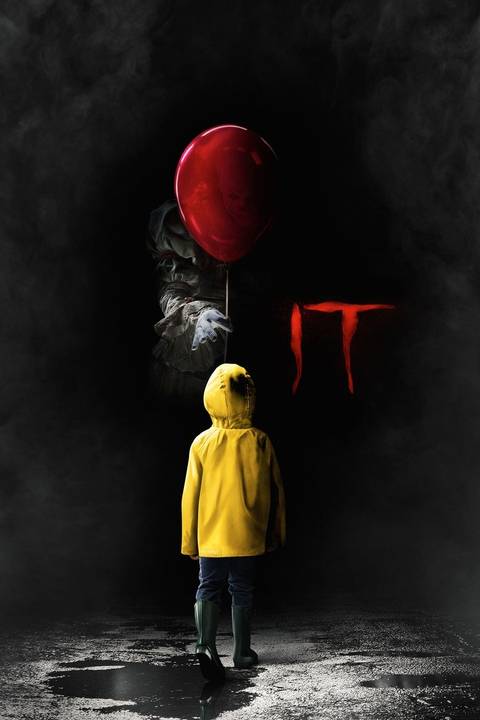
Release Date
September 8, 2017
Runtime
135 minutes
Director
Andy Muschietti
In the film It, a group of seven children in a small Maine town, known as The Losers Club, confronts various life challenges, including bullies and a malevolent entity. The creature, which takes on the guise of a clown named Pennywise, becomes the focus of their courageous battle.
Writers
Cary Joji Fukunaga, Gary Dauberman, Chase Palmer
Franchise(s)
IT
Budget
$35 million
Studio(s)
Warner Bros. Pictures, Sony
Distributor(s)
Warner Bros. Pictures, Lionsgate, 20th Century, Sony