Space Daily — Space, science, and the human mind. Since 1995. (original) (raw)
Latest
All articles →
 Mind & MeaningPsychologist Laura Carstensen uncovered a surprising upside to growing older: as our sense of the time we have left grows shorter, we invest more in the people and activities that matter most to us This piece summarises published research on ageing and emotional well-being. We are not psychologists or clinicians, and nothing here is psychological advice. By Space Daily Editorial Team · Jun 17, 2026
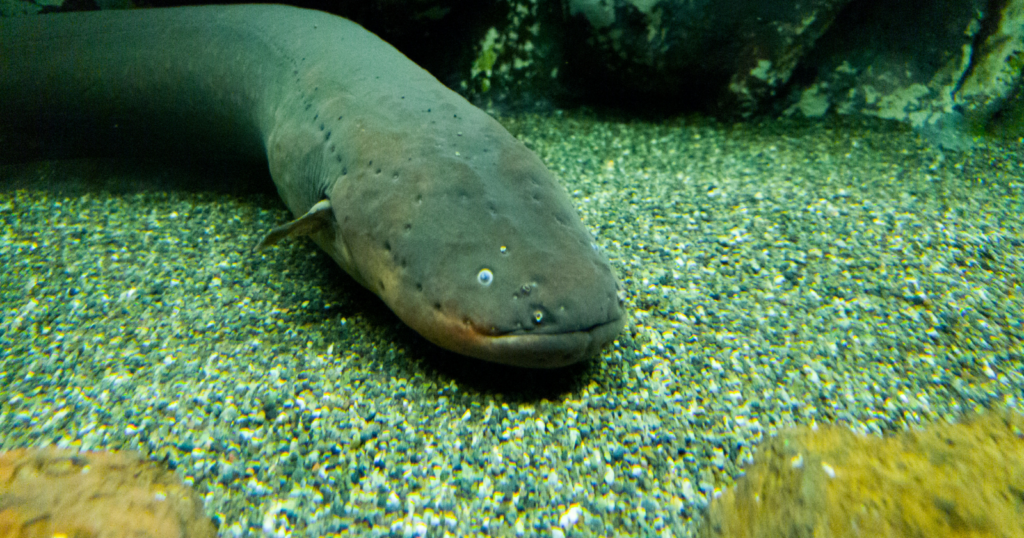 Flora And FaunaThe electric eel can generate a jolt of around 600 volts — several times the shock from a household socket — by stacking thousands of specialised cells together like tiny batteries, and rather than only zapping prey underwater, it has been filmed rearing up out of the water to press its chin directly against a larger attacker The number that anchors everything is about 600 volts. That is the peak discharge an electric eel can deliver, several times the roughly 120 volts of a North American wall socket. By Space Daily Editorial Team · Jun 17, 2026
 PsychologyQuote by Hannah Arendt: “Loneliness is not solitude. Solitude requires being alone whereas loneliness shows itself most sharply in company with others.”e: "He who has a why to live for can bear almost any how." Thought of the week, from Hannah Arendt: "Loneliness is not solitude. Solitude requires being alone whereas loneliness shows itself most sharply in company with others. By Daniel Moran · Jun 17, 2026
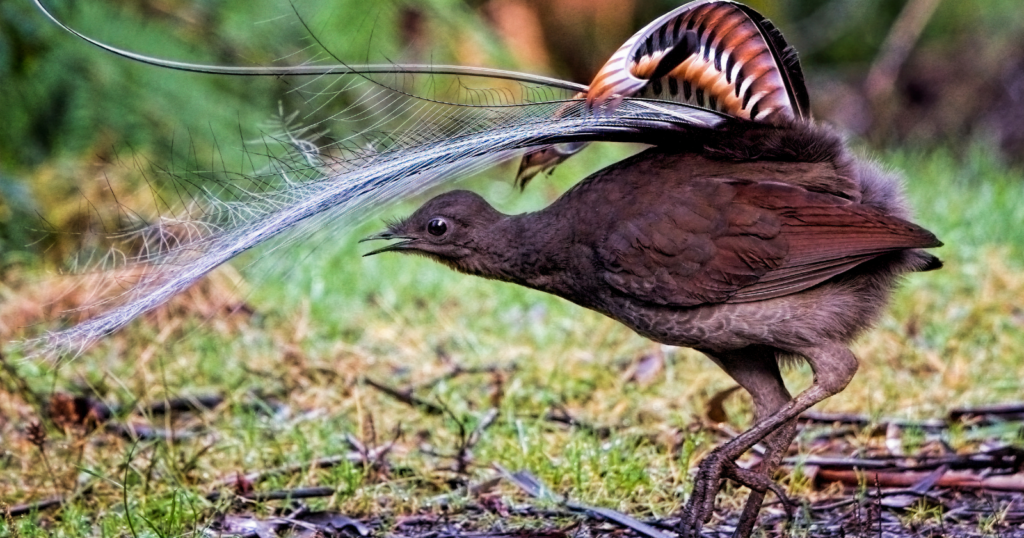 Flora And FaunaThe Australian superb lyrebird can imitate almost any sound it has ever heard — chainsaws, camera shutters, car alarms, the calls of more than 20 other species — with enough accuracy that the birds being imitated often can't tell the difference When researchers at the Australian National University played recordings of superb lyrebird mimicry to grey shrike-thrushes, the shrike-thrushes responded to the fakes much as they would to one of their own. By Space Daily Editorial Team · Jun 16, 2026
 ScienceIn 2021, a team at Nottingham Trent University led by Nadja Heym surveyed almost 1,000 people and found that the dangerous personalities don't lack empathy — they just use the cognitive half without the affective one In 2021, a team at Nottingham Trent University surveyed almost 1,000 people in the UK and found something that broke the standard textbook on dangerous personalities. By Space Daily Editorial Team · Jun 16, 2026