Space Daily — Space, science, and the human mind. Since 1995. (original) (raw)
Latest
All articles →
 ScienceEngineers trying to warn people 10,000 years from now about buried nuclear waste realised that no language could be trusted to last that long. So they imagined warnings that would not depend on words alone: fields of jagged concrete thorns, hostile earthworks and monuments designed to feel dangerous before they were understood. The message they wanted to send was almost anti-monumental: this is not a place of honour, and nothing valued is buried here. The problem was not how to write a warning sign. It was how to write one for people 10,000 years from now, after every language on it may have changed beyond recognition. By Space Daily Editorial Team · Jun 10, 2026
 ScienceIt feels obvious that heavy things fall faster than light ones, but drop a hammer and a feather where there is no air to slow them and they hit the ground at the exact same instant, the same result an astronaut proved by releasing both on the airless surface of the Moon. Drop a hammer and a feather on Earth and the result seems obvious. The hammer hits the ground first. By Space Daily Editorial Team · Jun 10, 2026
 Mind & MeaningWe tend to define boredom as the feeling of having nothing to do, but it might really be a failure of attention — a restless ache of wanting to engage your mind and being unable to. Ask most people what boredom is and you get a version of the same answer: it is what happens when there is nothing to do. By Mal James · Jun 10, 2026
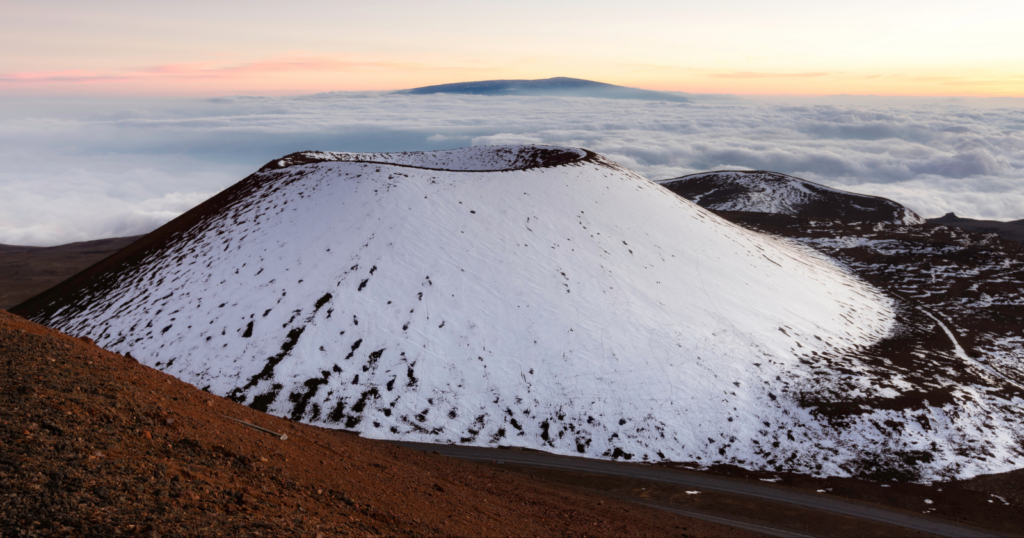 ScienceEverest is the highest mountain above sea level, but most of Mauna Kea in Hawaii is hidden beneath the Pacific, and measured from its base on the ocean floor to its summit it stands more than a kilometre taller than Everest, making it the tallest mountain on Earth. Mount Everest keeps the title most people mean when they talk about the highest mountain on Earth. By Space Daily Editorial Team · Jun 10, 2026
 Human BehaviourBy 2030, Korean women are projected to become the first population in human history with an average life expectancy above 90 years — exceeding even Japan — according to a Lancet study of 35 industrialized nations, in a demographic shift driven by improvements in cardiovascular health and near-universal healthcare access In February 2017, an international team led by Majid Ezzati, professor of global environmental health at Imperial College London, published a paper in The Lancet projecting future life expectancy across 35 industrialised countries. By Space Daily Editorial Team · Jun 10, 2026