original ) (raw )
All articles →
What’s up in
The psychology of ambition, isolation, and meaning under extremes — and what frontier life teaches us about being human.
What’s up in
Physics, climate, planetary science, and the research that shapes how we understand the universe.
Space, science, and the human side of the frontier. Since 1995.
Space Daily is an independent publication covering three connected beats: the space industry, the science behind it, and the psychology of ambition, isolation, and meaning under extremes. Founded in Tokyo in 1995, we’ve built a thirty-year archive of rigorous reporting on the people, missions, and ideas pushing humanity outward — and on the human dynamics shaped by frontier life. The same ambitions, pressures, and patterns of mind that drive humanity to the stars also shape how we live on Earth. We employ modern AI technologies to support our editorial workflows; every published piece is editorially directed and reviewed.
More about us →
Highlights of the most important news in space, science, and the human side of the frontier — delivered to your inbox via Substack.
Read recent issues on Substack →
 PsychologyThe Stoic philosopher Seneca observed that what makes a person genuinely happy is not how much they have, but how little they need to be content — and the small jolt of his observation, two thousand years later, is that most modern definitions of the good life are still organized around acquiring more of exactly the things he warned would never quite settle the longing they were meant to satisfy If you had to summarise Seneca's most uncomfortable observation in a single sentence, it would be this: most of what you are spending your life trying to acquire is not actually going to satisfy you when you get it.
  Human BehaviourA Mediterranean diet rich in vegetables, fish, and olive oil reduces dementia risk even in people carrying two copies of the APOE4 gene variant — which raises Alzheimer's risk 12-fold — according to a 2025 Harvard study in Nature Medicine, in the first finding that a daily food pattern can partially overcome a genetic predisposition long thought to be inescapable For people who carry two copies of the APOE4 gene, the message from clinical medicine over the past three decades has been blunt: your risk… By Space Daily Editorial Team · Jun 16, 2026
 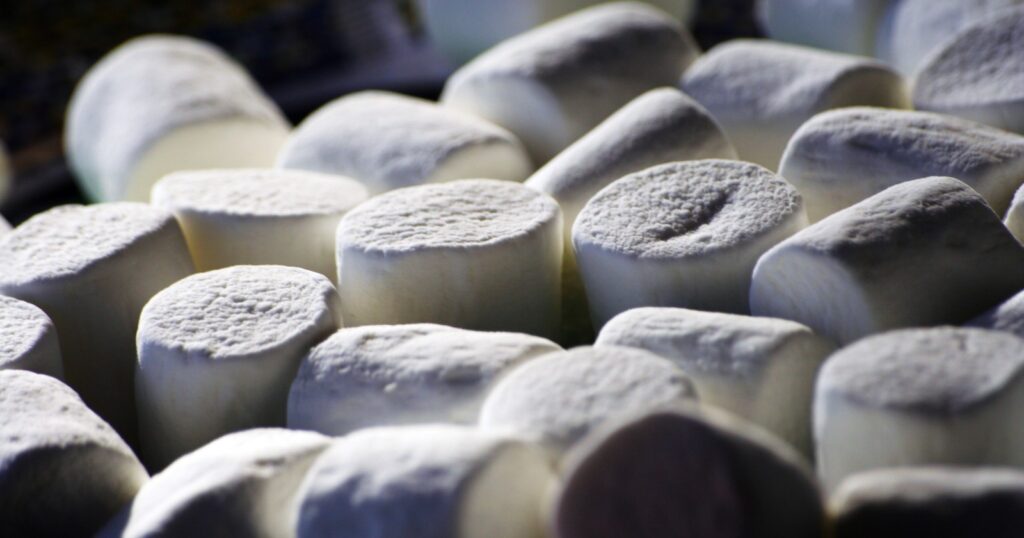 PsychologyThe marshmallow test, redone with ten times as many children, found that a four-year-old's willpower mostly stopped predicting teenage success once family background was taken into account The marshmallow test is one of the most repeated stories in popular psychology. A small child is left alone with a treat and told that waiting will earn a second one. By Space Daily Editorial Team · Jun 16, 2026
  ScienceThe hundreds of skeletons in a frozen Himalayan lake were blamed on one ancient disaster, until DNA showed some of the dead came from the eastern Mediterranean and died about a thousand years apart Roopkund Lake sits more than 5,000 metres up in the Indian Himalayas, a shallow body of meltwater that stays frozen for much of the year. By Space Daily Editorial Team · Jun 15, 2026
 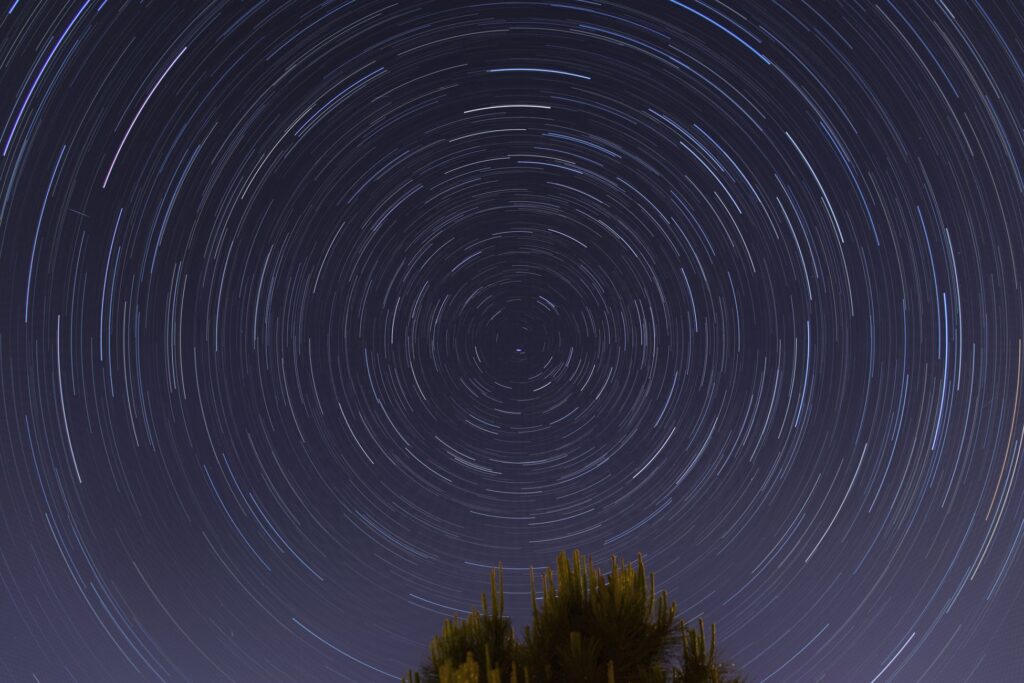 Space IndustryThe International Space Station orbits Earth roughly every 90 minutes, yet for years no American spacecraft could reach it — a gap a single private company stepped in to close On July 8, 2011, Space Shuttle Atlantis lifted off from Kennedy Space Center on STS-135 carrying four astronauts and a logistics module… By Space Daily Editorial Team · Jun 15, 2026
 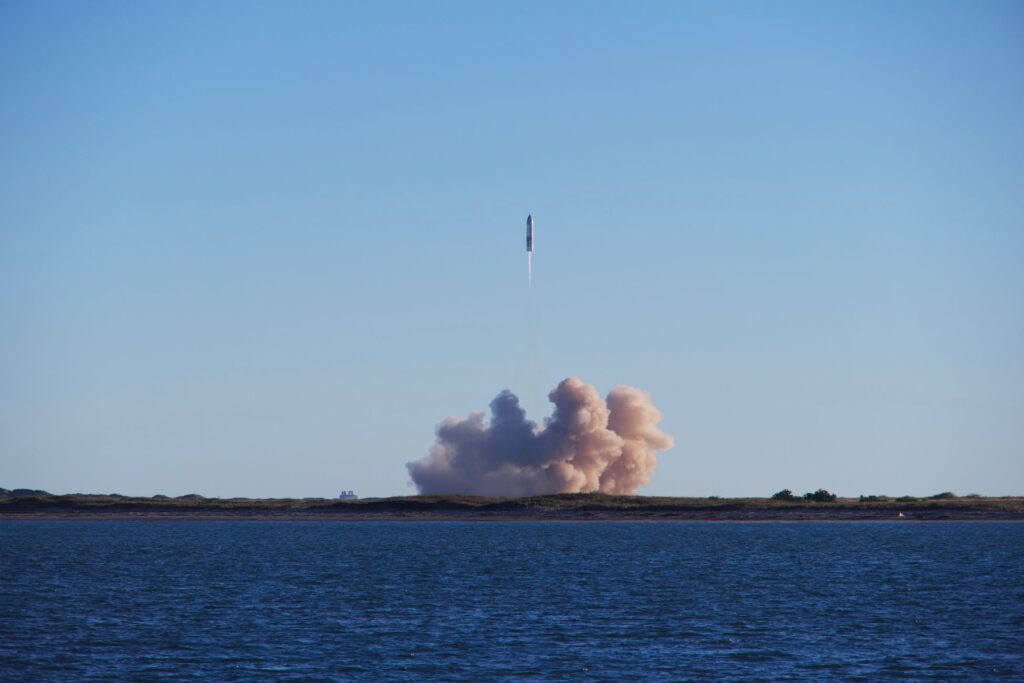 AerospaceNASA still has no American-built way to reach the International Space Station except SpaceX's Dragon capsule — a dependency that has lasted years and shows no sign of ending soon When Butch Wilmore and Suni Williams finally splashed down off the Florida panhandle in late March 2025 after more than nine months on the International Space Station, they came home inside a SpaceX Crew Dragon. By Space Daily Editorial Team · Jun 15, 2026