Sustainability - Macmillan Publishers (original) (raw)

For more than a decade sustainability has been a core value of Macmillan. We aim to do less harm and more good to the Earth by actively pursuing sustainable practices to reduce and reverse the impact our business has on the environment. Macmillan has committed to setting Science Based Targets and will continue to make efforts to reduce our impact on the environment and achieve these goals. Our commitment to sustainability is integral to the decisions we make and the company we have become.
Jon Yaged, CEO, Macmillan Publishers USA
As a digital learning company, we’re committed to running our business in sustainable ways: reducing our environmental impact, using our resources wisely, and building products that support a healthier future. That includes developing responsible, ethical technology that strengthens learning. This work makes us stronger as a company, prepares students to lead in a more sustainable future, and supports the communities we serve.
Susan Winslow, CEO, Macmillan Learning
Carbon Emissions
In 2010, Macmillan decided to prioritize the carbon dioxide emissions responsible for the climate crisis as our most pressing issue and set a goal of a 65 percent reduction of our scope 1, 2, and major scope 3 carbon emissions (over our 2010 baseline) by the end of 2020 for Macmillan USA.
We have invested significant resources in becoming more efficient in our paper consumption and rigorously well informed regarding our paper supply. This dedication was rewarded with a reduction in the carbon intensity per metric ton of directly purchased paper required to print our books by 72.63% between 2010 and 2023.
Macmillan is committed to annually measuring, monitoring, and reducing our carbon footprint. In 2024, we implemented Watershed, a comprehensive climate solutions platform. This platform enables us to analyze our carbon data and closely monitor each aspect of our operations, allowing us to pinpoint areas with the highest impact and effectively reduce related emissions.
Macmillan Publishers have committed to setting Science Based Targets, both near term and Net Zero emission reduction goals. These targets will set ambitious yet achievable decarbonization goals for Macmillan to reduce emissions keeping in line with the latest climate science. We plan to share these targets and progress when available.
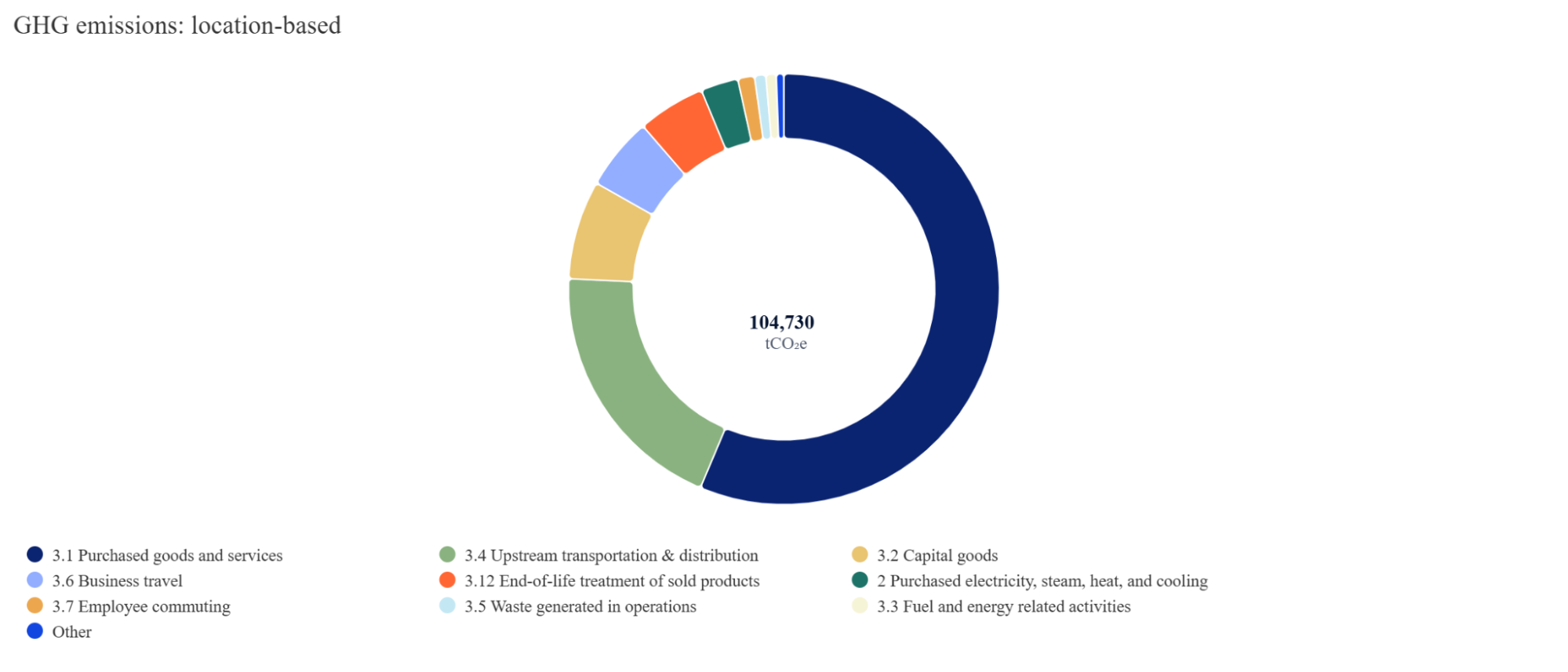
In 2023 the majority of Macmillan’s carbon footprint was in scope 3 category 1, purchased goods and services. This category encompasses our purchased paper and printing of books. Additional high impact areas that we aim to improve upon include logistics and travel related categories.
Making Books
Currently, 80% of Macmillan USA’s Trade division’s directly-purchased paper (by weight; net of recycled fiber) comes from fiber harvested from sawmill residuals. These North American forests have been certified to the standards of Forest Stewardship Council (FSC), Sustainable Forestry Initiative (SFI) and/or Programme for the Endorsement of Forest Certification (PEFC).
Twice a year, Macmillan randomly selects samples of books printed overseas to undergo fiber testing at a laboratory. This testing identifies the species of trees used to make the paper our books were printed on. If we find substantial non-compliance with our Paper Policy, for example, the presence of mixed tropical hardwood fibers then we will investigate the situation and may choose to not continue business with the printer.
Our paper policy can be found here.
Macmillan ESG and production teams are focused on increasing efficiencies and reducing waste through more sustainable book design. Our goal is to reduce paper weights across backlist paperback titles and limit the use of environmentally harmful special effects on older titles.
Macmillan, as a Holtzbrinck company, aligns with our global sustainability teams to achieve shared objectives. To support this effort and ensure that our partners act sustainably with responsible sourcing, we have established and shared the Holtzbrinck Supplier Sustainability Policy with our supply chain partners. Policy can be found here.
Commitments & Industry Engagement
America is All In
Macmillan has signed the “America is All In” pledge, reaffirming our commitment to meet the goals of the Paris Agreement. We have joined over 4,000 US organizations and companies in reaffirming its dedication to emissions reduction and promoting climate resilience.
AAP
As an active member of the Association of American Publishers (AAP), Macmillan is part of the organization’s Environmental Committee, which is dedicated to advancing environmental sustainability across the publishing industry.
Sustainable Forestry Initiative
In 2012, Macmillan Publishers joined as founding partners of the Sustainable Forestry Initiative® (SFI) Forest Partners® Program demonstrating our commitment to sustainable forestry and to increasing the acreage of certified forests under certification. The program facilitates the widespread certification of individual forest landowners and smaller paper wood product mills to the SFI standards along with state forests.
EPAT
Macmillan engages with EPAT, the Environmental Paper Assessment Tool, a platform developed to share supply chain data & promote sustainable paper procurement.
Operations
As of 2020, Macmillan procures 100% renewable energy for all facilities around the world through the purchase of Energy Attribute Certificates (EACs), or agreements with local utility suppliers. We recognize that simply procuring EACs to meet this goal is not enough, and we have turned to on-site solar to generate our own electricity. Macmillan Distribution completed installation of a 266kW solar array in May 2024. This array will generate approximately 340MWh of clean electricity annually, reducing fossil fuel demand and lowering MDL’s carbon footprint.
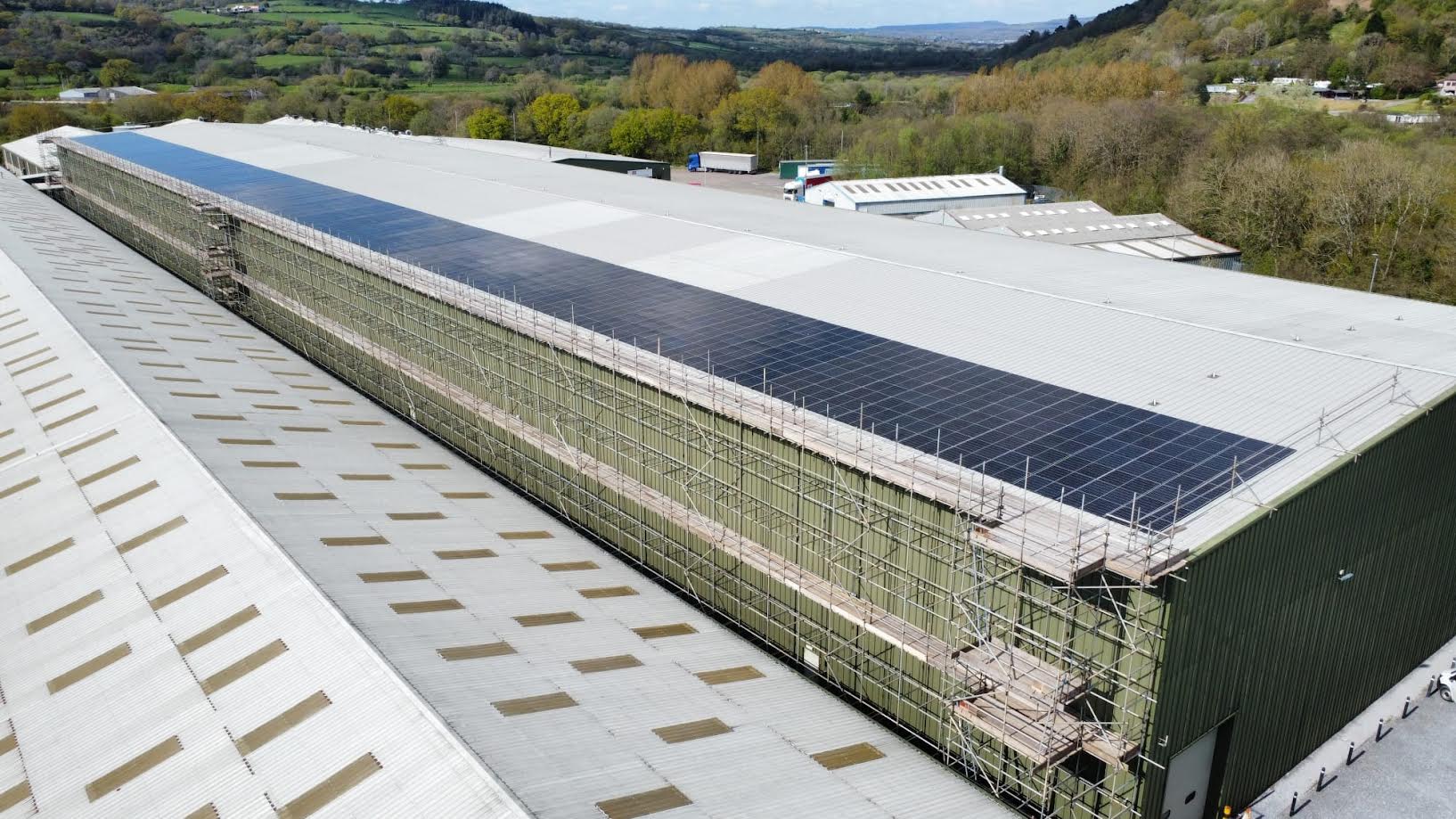
As of 2020, Macmillan procures 100% renewable energy for all facilities around the world through the purchase of Energy Attribute Certificates (EACs), or agreements with local utility suppliers. We recognize that simply procuring EACs to meet this goal is not enough, and we have turned to on-site solar to generate our own electricity. Macmillan Distribution completed installation of a 266kW solar array in May 2024. This array will generate approximately 340MWh of clean electricity annually, reducing fossil fuel demand and lowering MDL’s carbon footprint.
Employee Engagement
Sustainability is one of Macmillan’s core values, and we prioritize acting on this value by contributing to and volunteering with organizations in New York City. Our ESG team hosts biannual volunteer events for employees, where we partner with local environmental organizations including Billion Oyster Project, Central Park Conservancy and the New York Botanical Garden. These efforts are also driven by our Corporate Social Responsibility Program, MacImpact, which ensures our employees are given the time and resources to work with organizations they care about. More information about the organizations we partner with are below.
The Green Group – In 2025 Macmillan launched a sustainability Employee Resource Group. The Green Group is a space for employees across all departments to connect, discuss sustainability, and collaborate with one another for a more sustainable tomorrow. From in-office sustainability initiatives and workshops to volunteer
Voluntary Carbon Market
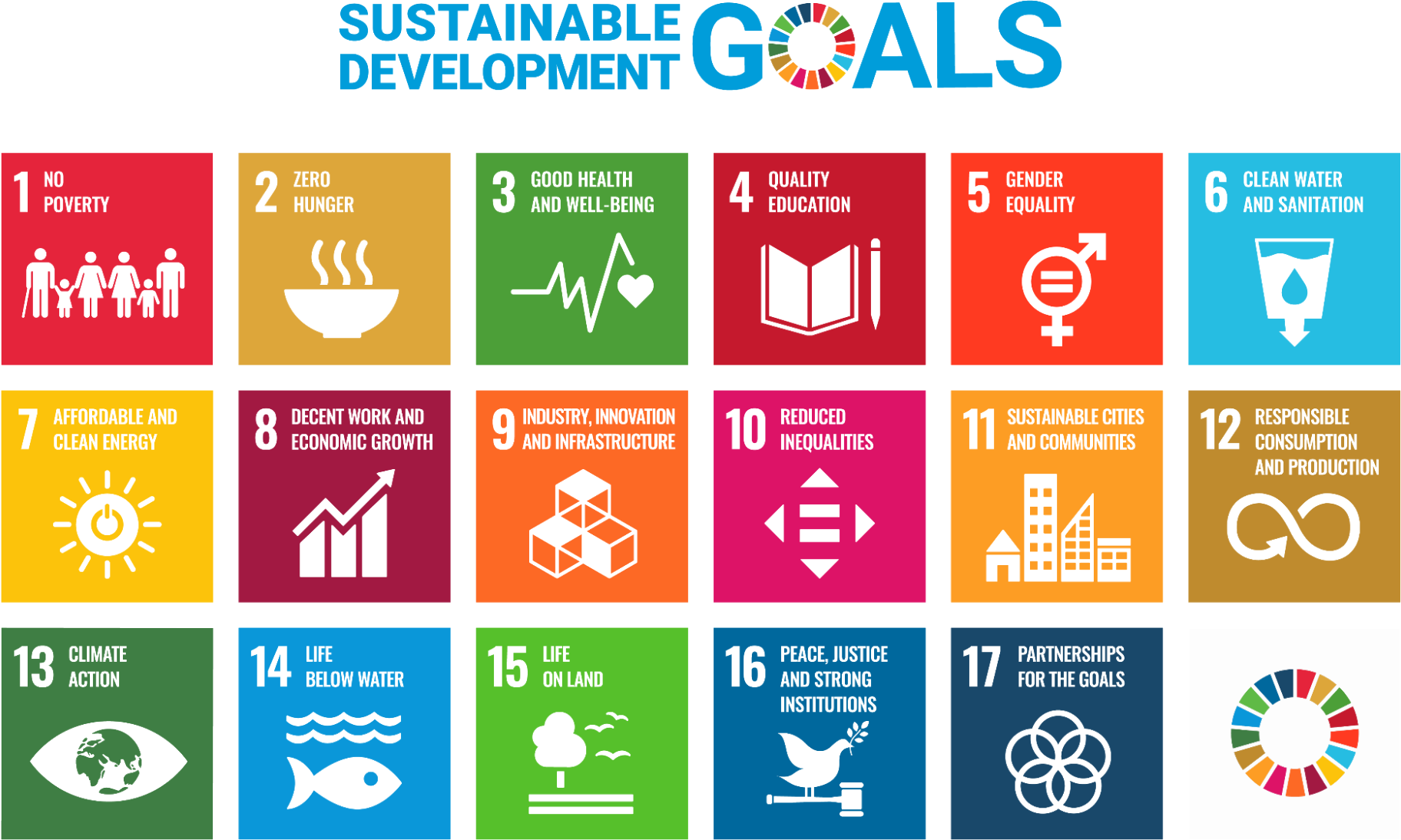
Macmillan purchases credible, third-party verified carbon removal and offset project credits from trusted organizations with comprehensive vetting processes. Many of the projects we support are located in or near areas in which we operate, procure manufacturing, or are in areas around the world that need sustainable conservation to preserve the landscape and provide extended societal benefits while also supporting livelihoods and local economies. Macmillan has focused on investing in high-quality and innovative carbon removal projects that work to preserve and replenish the natural resources our business utilizes. These projects contribute to the UN’s Sustainable Development Goals including – clean water & sanitation, life on land & climate action.

Riverlands Forest Project, USA – Improved Forestry Management program that increases forest carbon stocks by preserving and sustainably managing forestland.

Keweenaw Bay Indian Community IFM Michigan, USA – The Keweenaw Bay Indian Community Forest Carbon Project maintains forest carbon stocks above the regional baseline. This project provides climate benefits through carbon sequestration & provides a new revenue stream for forest owners.

ILTF/NICC & Blackfeet Nation Forest Carbon Project – Provides benefits to the Blackfeet Nation. Project focuses on enhanced carbon storage and provides benefits to the Blackfeet Nation. Projects return profits to reservation economies & communities
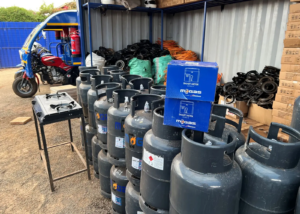
Pacific Biochar, USA – Biochar, a stable solid, rich in carbon that is made from organic waste material or biomass is stored in soil, effectively removing carbon from the atmosphere and improving soil health.
Regulatory Compliance
The regulatory environment for sustainability is constantly evolving. We remain dedicated to monitoring these updates and providing necessary compliance information annually, as required by the regulations. Macmillan views sustainability regulations as more than just a requirement; they’re an opportunity to deepen our dedication to environmental protection and foster a more sustainable publishing sector. We are optimistic that through close cooperation with our partners and customers, we will successfully meet all necessary requirements.
California Climate Disclosures
Themed Titles
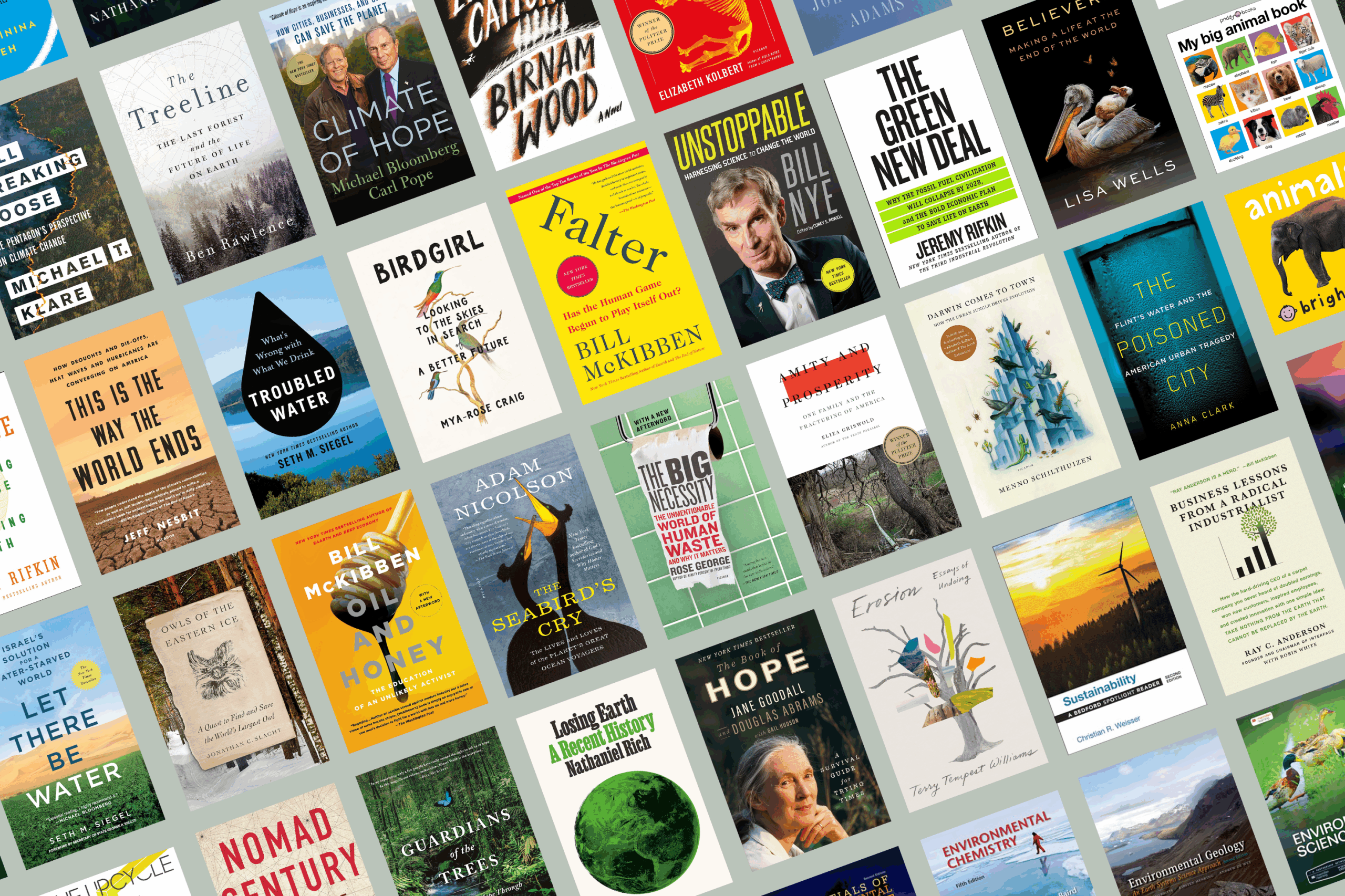
Macmillan publishes a wide-ranging and growing collection of titles focused on sustainability and environmentalism. These books explore topics such as climate resilience, biodiversity, water scarcity, and waste, and includes books for both adult readers and children across fiction and nonfiction.
Find more about our themed titles here.