Hannah Ritchie (@_HannahRitchie) on X (original) (raw)
99% of the Indian population has access to electricity. In 2000, this was just 59%. Even in 2010, just 76%. A massive achievement over the last few decades.ourworldindata.org/grapher/share-…
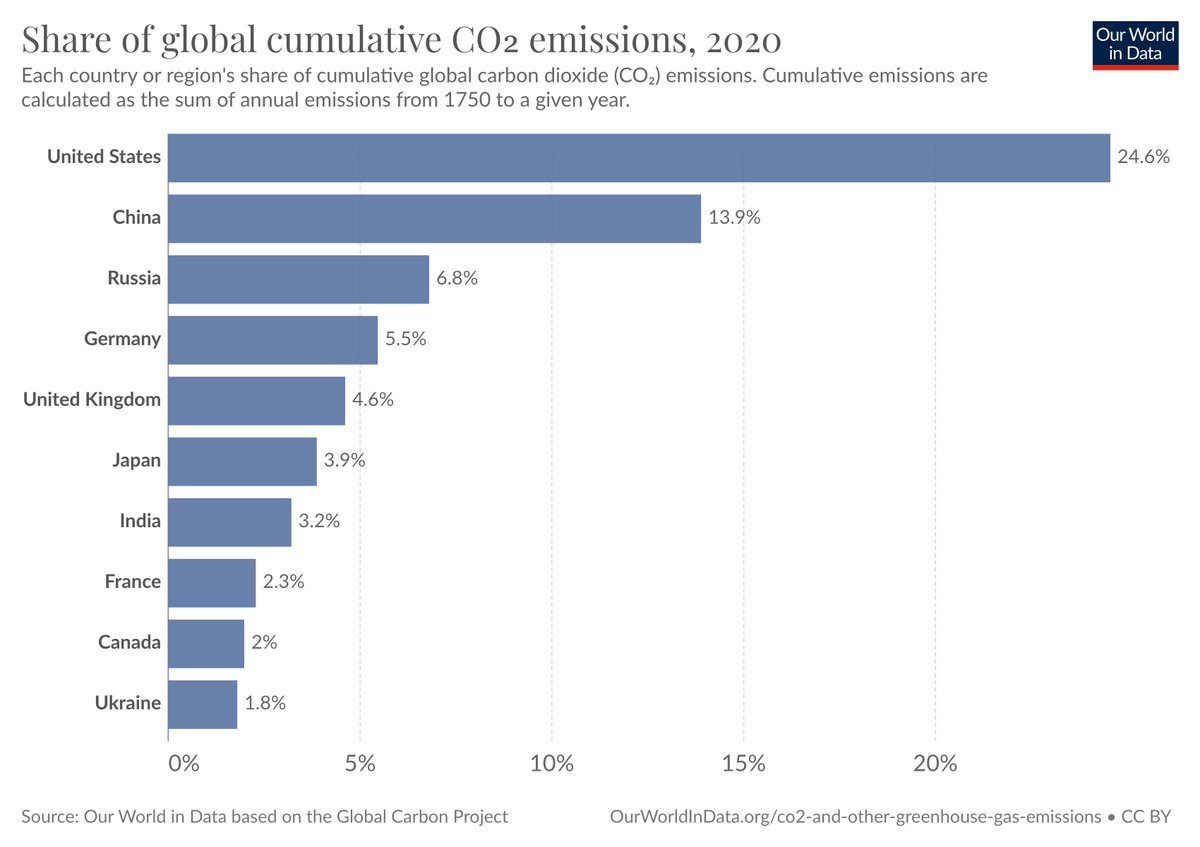
Four ways to look at global CO₂ emissions. 1. Which countries have contributed most historically? Share of cumulative CO₂ since 1750: 🇺🇸 US: 25% 🇨🇳 China: 14% 🇷🇺 Russia: 7% 🇩🇪 Germany: 5.5% 🇬🇧 UK: 4.6% 🇯🇵 Japan: 4% 🇮🇳 India: 3% 🇫🇷 France: 2.3% 🇨🇦 Canada: 2% 🇺🇦 Ukraine: 1.8%
A common miscommunication on climate change: 1.5°C and 2°C are targets, not thresholds. Moving from 1.49°C to 1.5°C does not throw us into the apolcalypse. Every 0.1°C is worth fighting for, even past 1.5°C.
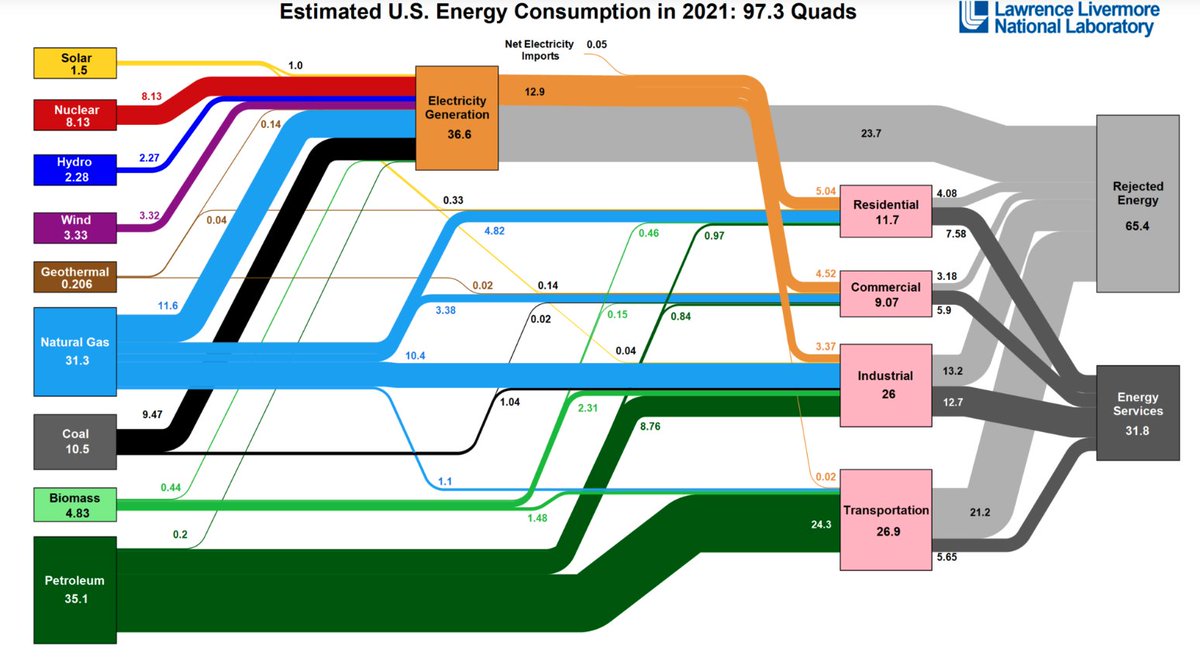
A common confusion is that to decarbonise, the world will need to produce the equivalent of coal, oil & gas in the form of low-carbon energy. That's not true. Most fossil energy gets wasted. In the US, just one-third gets turned into useful services. The rest is wasted as heat.
Soy is one of the leading drivers of deforestation. People often think of soy milk, tofu & similar products. But these make up only 4% of soy consumption. More than three-quarters (77%) of global soy goes to animal feed. From our work on deforestation: ourworldindata.org/soy
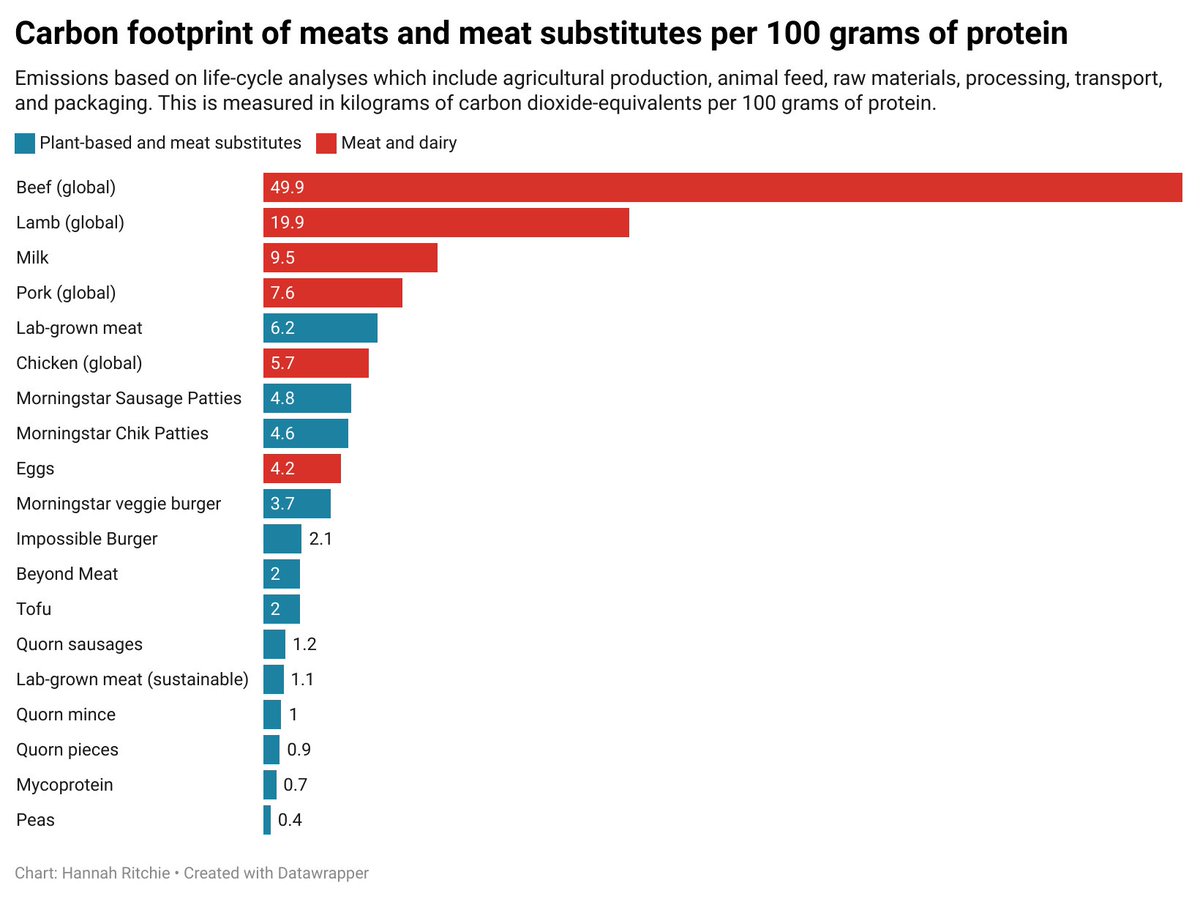
Are meat substitutes really better for the climate than meat and dairy? It was surprisingly hard to find a dataset that answered this question, so I started building one. I show the results in my new Substack post. Spoiler: yes, most are lower-carbon.hannahritchie.substack.com/p/carbon-footp…
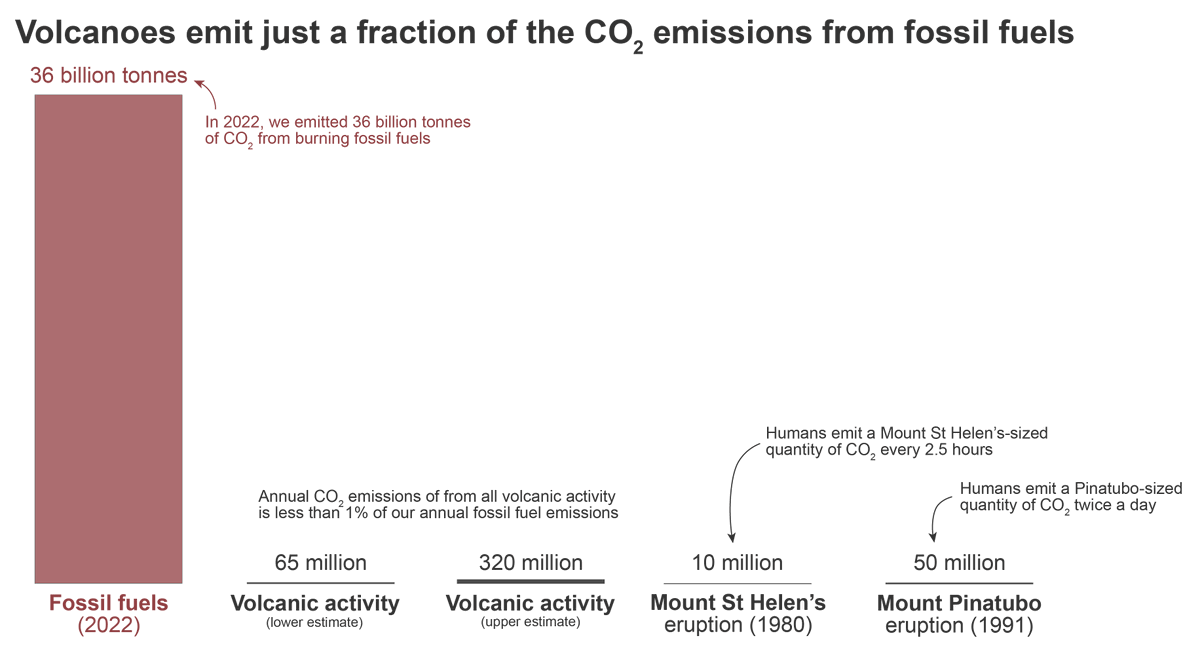
The CO2 output from a single volcano during a single eruption is considerably less that the total CO2 output from human activities during a year.climate.gov/news-features/…
‘Eat local’ is common advice for a low-carbon diet. But this has little impact on your carbon footprint. Transport accounts for only 6% of food emissions. Focus instead on *what* you eat. Food choices > food miles. Latest @OurWorldInData article: ourworldindata.org/food-choice-vs…
One of humanity's greatest achievements is stopping women from dying in childbirth. Maternal death rates (per 100,000 births) in the generations that came before me: Mum: 6 Grandma: 27 Great-grandma: 300 Great-great-grandma: 450
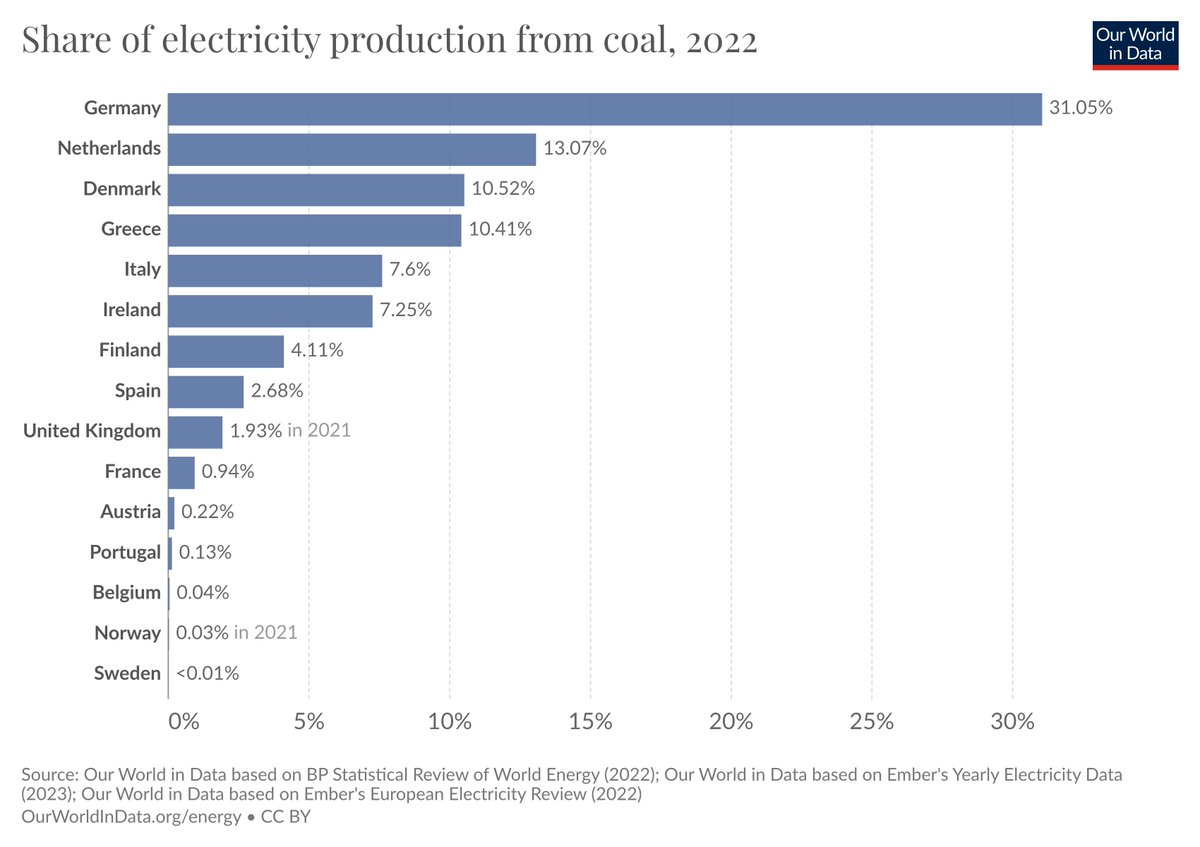
Share of electricity from coal (Germany vs. its W. European neighbours) 🇩🇪 Germany: 31% 🇳🇱 Netherlands: 13% 🇩🇰 Denmark: 11% 🇬🇷 Greece: 10% 🇮🇹 Italy: 8% 🇮🇪 Ireland: 7% 🇪🇸 Spain: 3% 🇬🇧 UK: 1.9% 🇫🇷 France: 1% 🇦🇹 Austria: 0.2% 🇵🇹 Portugal: 0.1% 🇧🇪🇳🇴🇸🇪 Belgium, Norway, Sweden: <0.1%
The problem with the framing: "doing X won't save the planet" is that it applies to everything. No single thing will solve climate change. If our threshold for taking action is whether it will singlehandedly solve all our problems, we will do nothing.
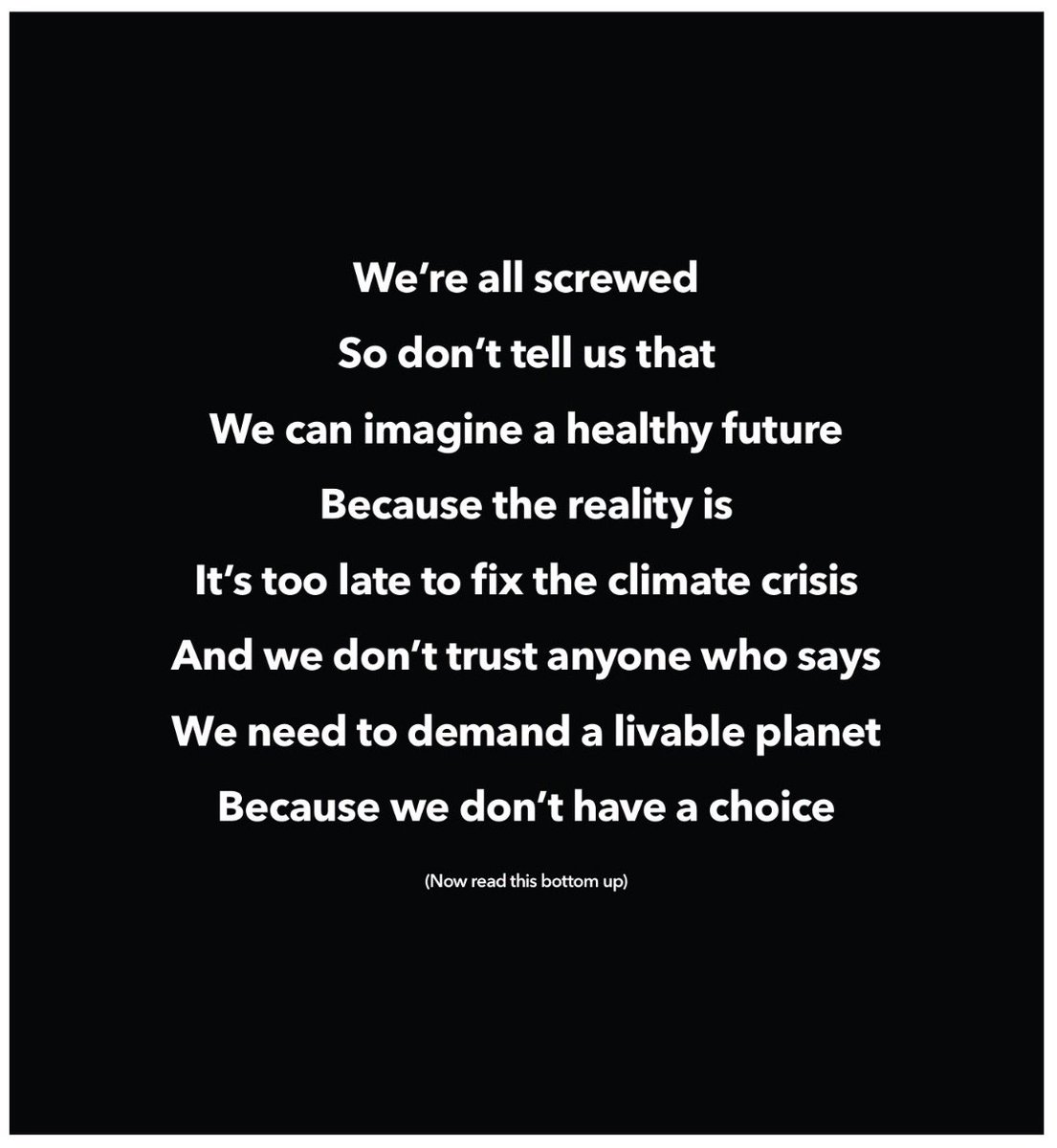
Most of my life is devoted to data, research & progress on climate change. But it's a field I nearly walked away from when I was younger. I was hopeless that anything could change. That's why I'm convinced we need a new narrative. My article in @WIRED :