New settlement of the Baden culture at site 8 in Kraków-Bieżanów, Lesser Poland (original) (raw)
2015, The Baden culture around the Western Carpathians eds. M. Nowak, A. Zastawny; „Via Archaeologica. Źródła z badań wykopaliskowych na trasie autostrady A4 w Małopolsce”
Abstract
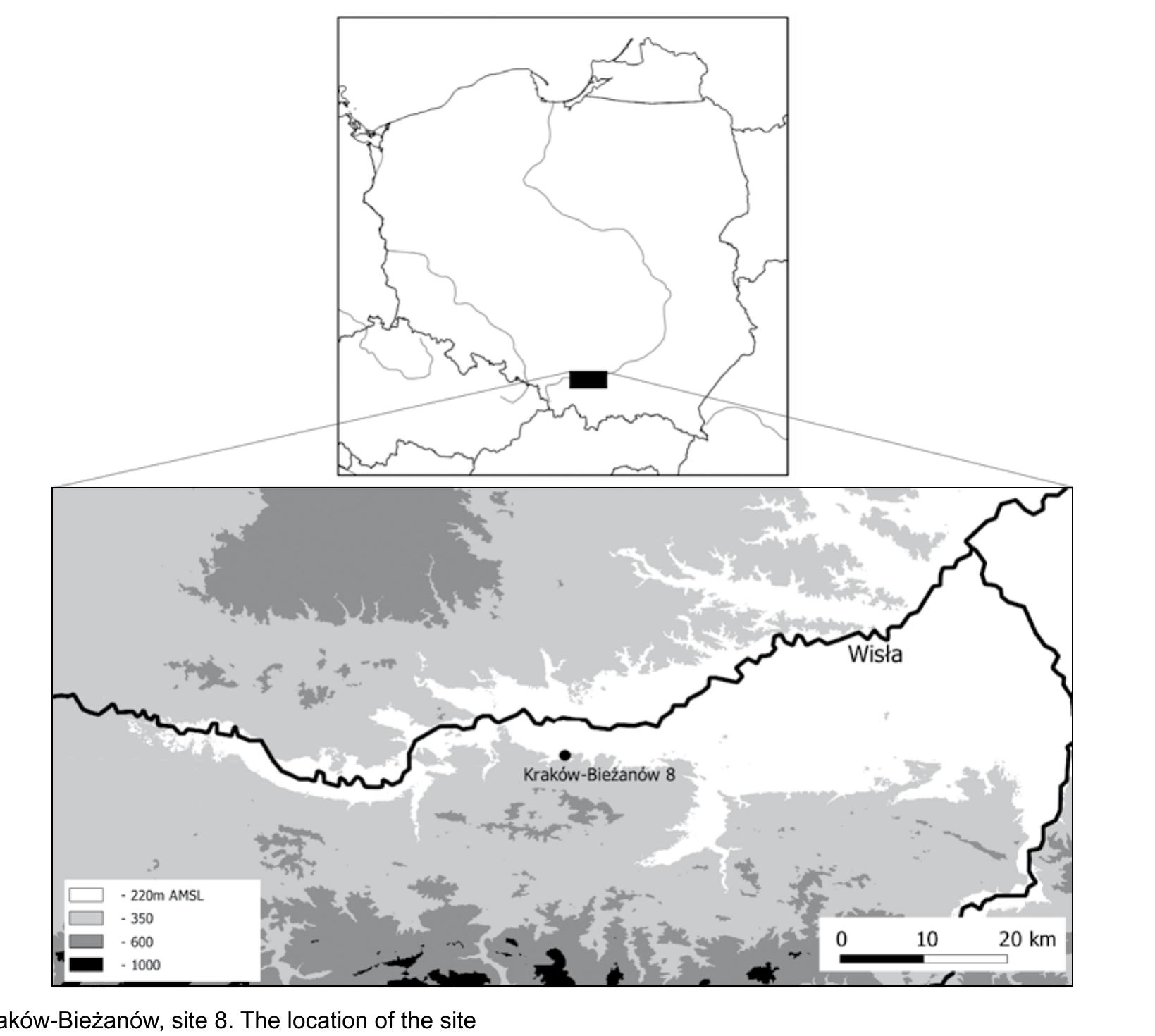
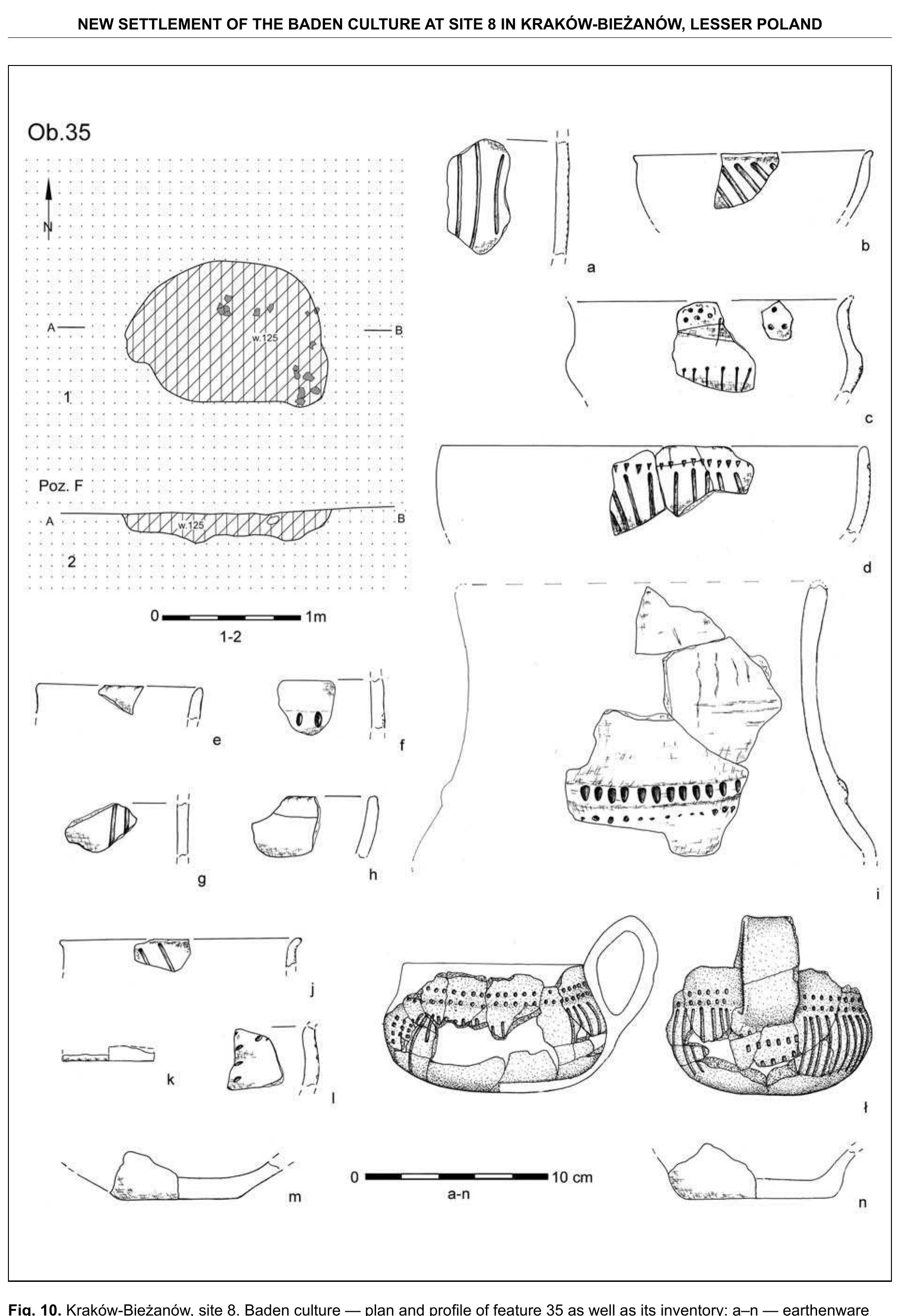
Site 8 in Kraków-Bieżanów is located on a promontory-like ramification of the northern slope of the Kaim Hill and reaches up to 231 m a.s.l. In the period between 2000 and 2007, rescue excavations that were connected with the construction of motorway A4 were conducted at the site. The site is a vast settlement complex representing human inhabitancy from the Late Palaeolithic up until modern times. In total, an area of 4,36 ha was explored. Amongst the discovered remains, 8 features, as well as 3393 pottery fragments that were found within both the features and the cultural layer, were ascribed to the Baden culture. Moreover, 3 clay spindle whorls and 27 flint artefacts of the culture in question were obtained from the features. Attention should be paid to feature 422, which had a deposit of ceramic cups that was placed in a characteristic alignment; this deposit has close analogues among other assemblages of the Baden culture. Characteristics of the earthenware, as well as radiocarbon dating obtained from feature 511, allow the dating of the assemblage discussed herein to the late classical Baden horizon.
Key takeaways

AI
- Site 8 in Kraków-Bieżanów reveals extensive Baden culture habitation with 3,393 pottery fragments.
- Rescue excavations from 2000 to 2007 covered an area of 4.36 hectares, uncovering over 90,000 artifacts.
- Feature 422 contained a unique deposit of ceramic cups aligned, indicating possible ritualistic practices.
- Radiocarbon dating from feature 511 yielded a date of 4390±35 BP, correlating to 3262-2910 BC.
- The findings suggest a single-manorial settlement linked to the Late-Classical Baden horizon.
Figures (23)
Marta Kaflinska, Irena Wojcik, Damian Stefanski
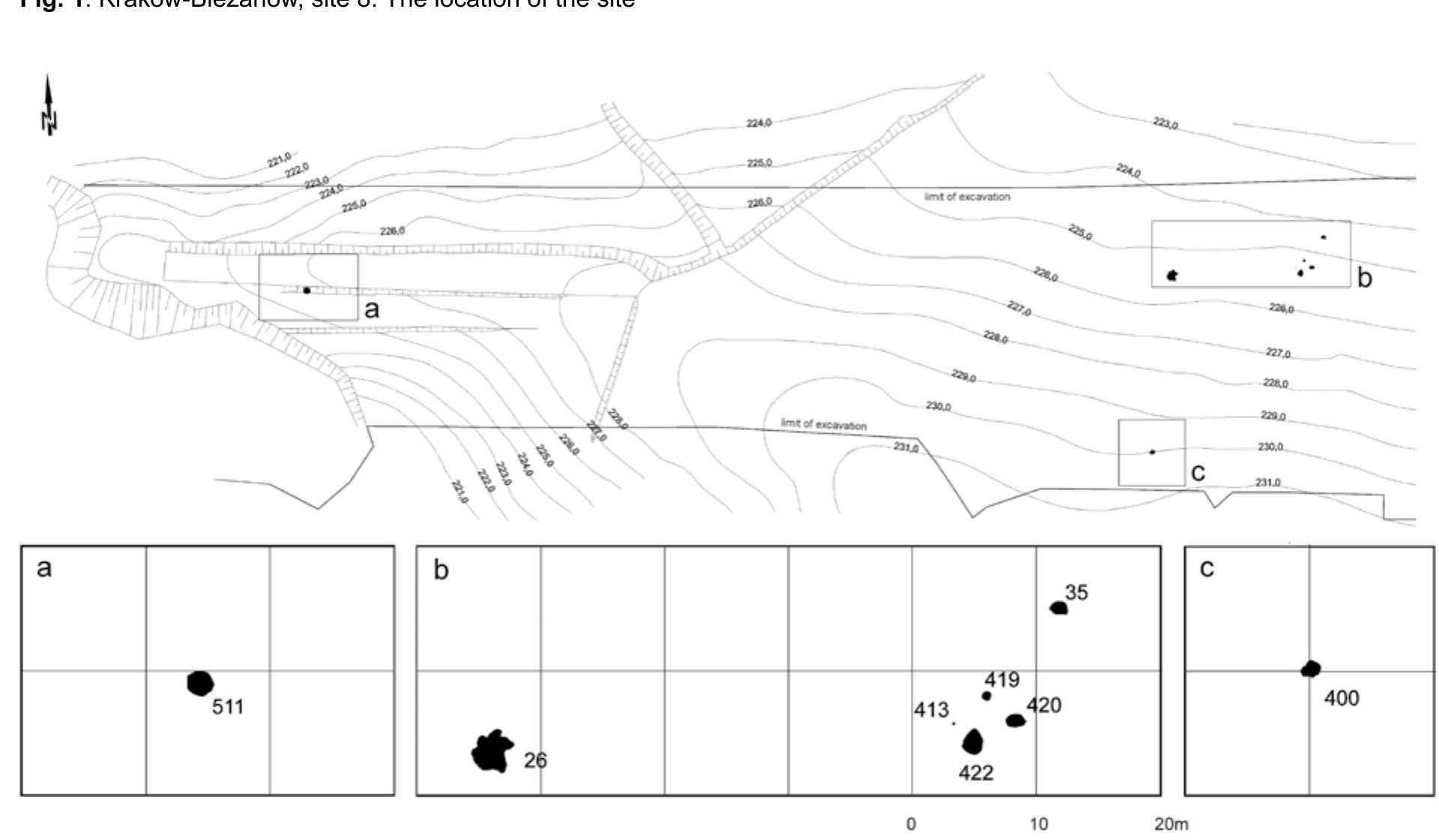
Fig. 2. Krak6w-Biezan6w, site 8. Distribution of features of the Baden culture in the settlement (Elaborated by B. Witkowsk< D. Stefanski)

Fig. 3. Krak6w-Biezanow, site 8. A horizontal projection of feature no. 422 (Photo by P. Owczarek) Marta Kaflinska, Irena Wojcik, Damian Stefanski
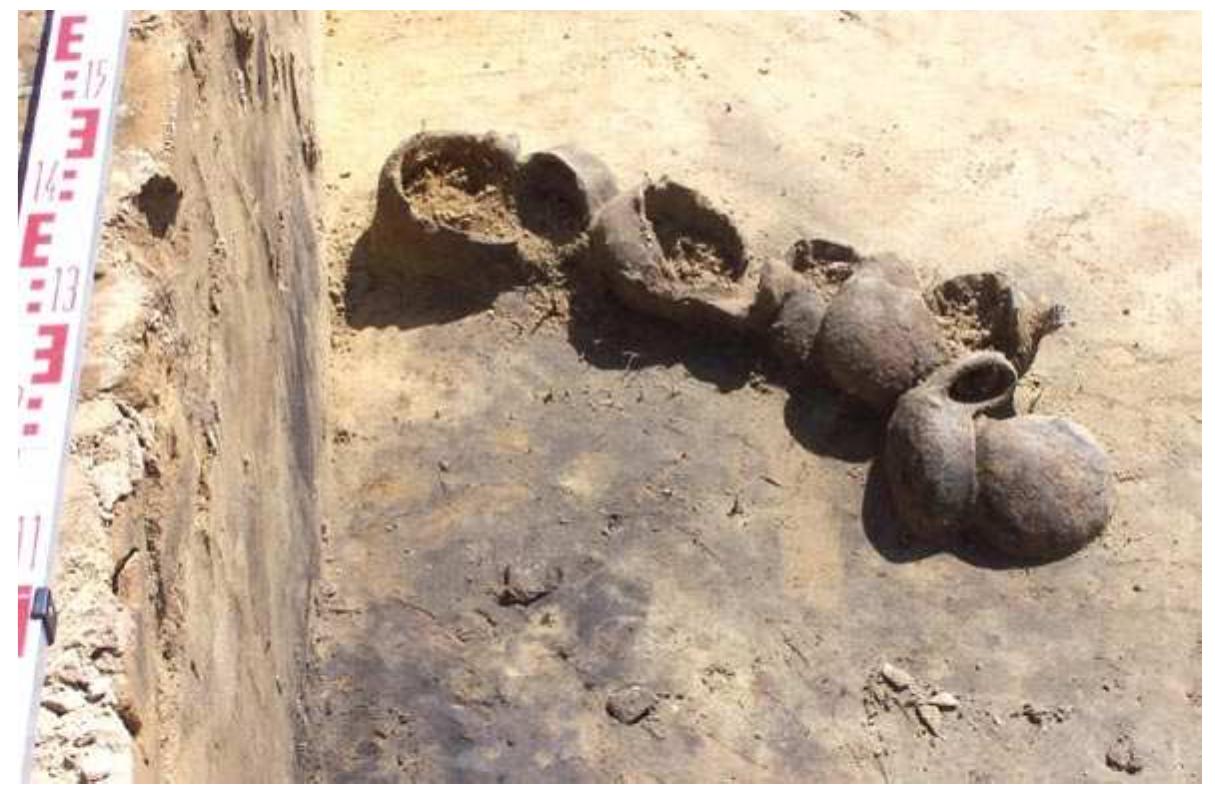
Fig. 4. Krak6w-Biezanéw, site 8. Vessels discovered in the bottom part of feature no. 422 (Photo by P. Owczarek)
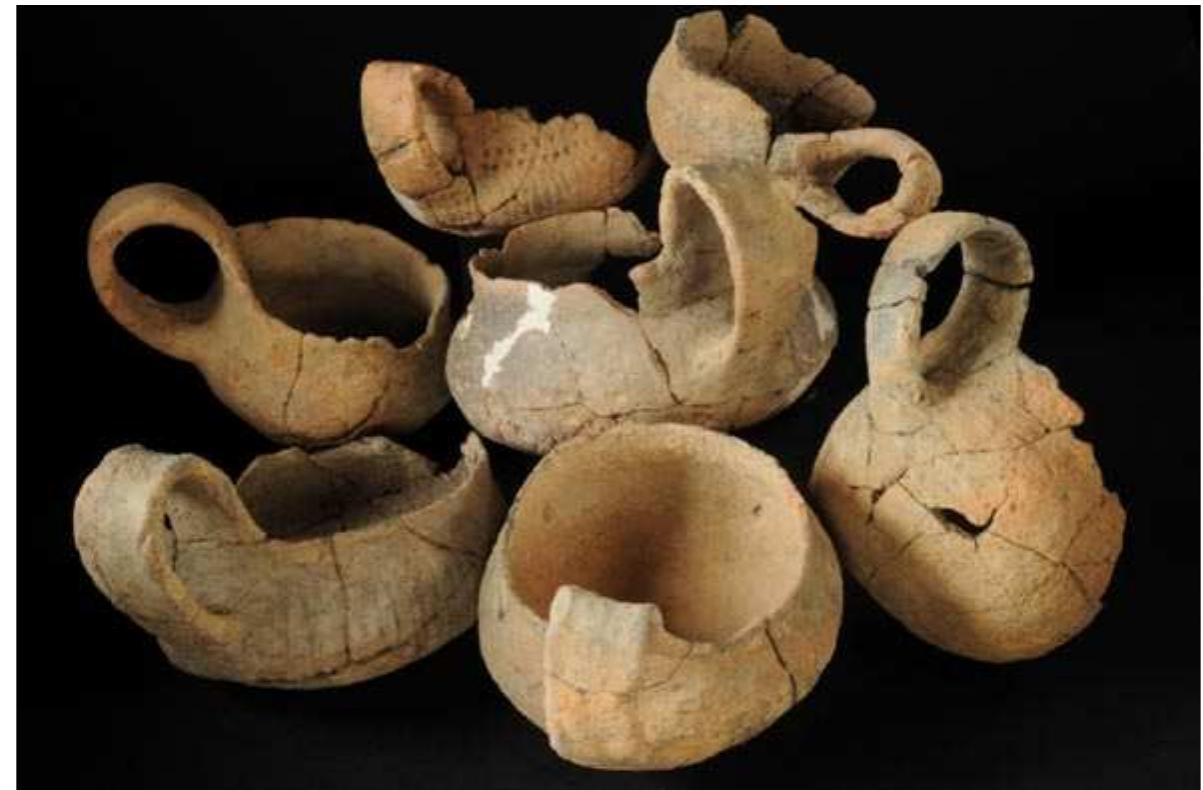
Fig. 5. Krak6w-Biezanow, site 8. Cups from feature no. 422 (Photo R. Stabonski)
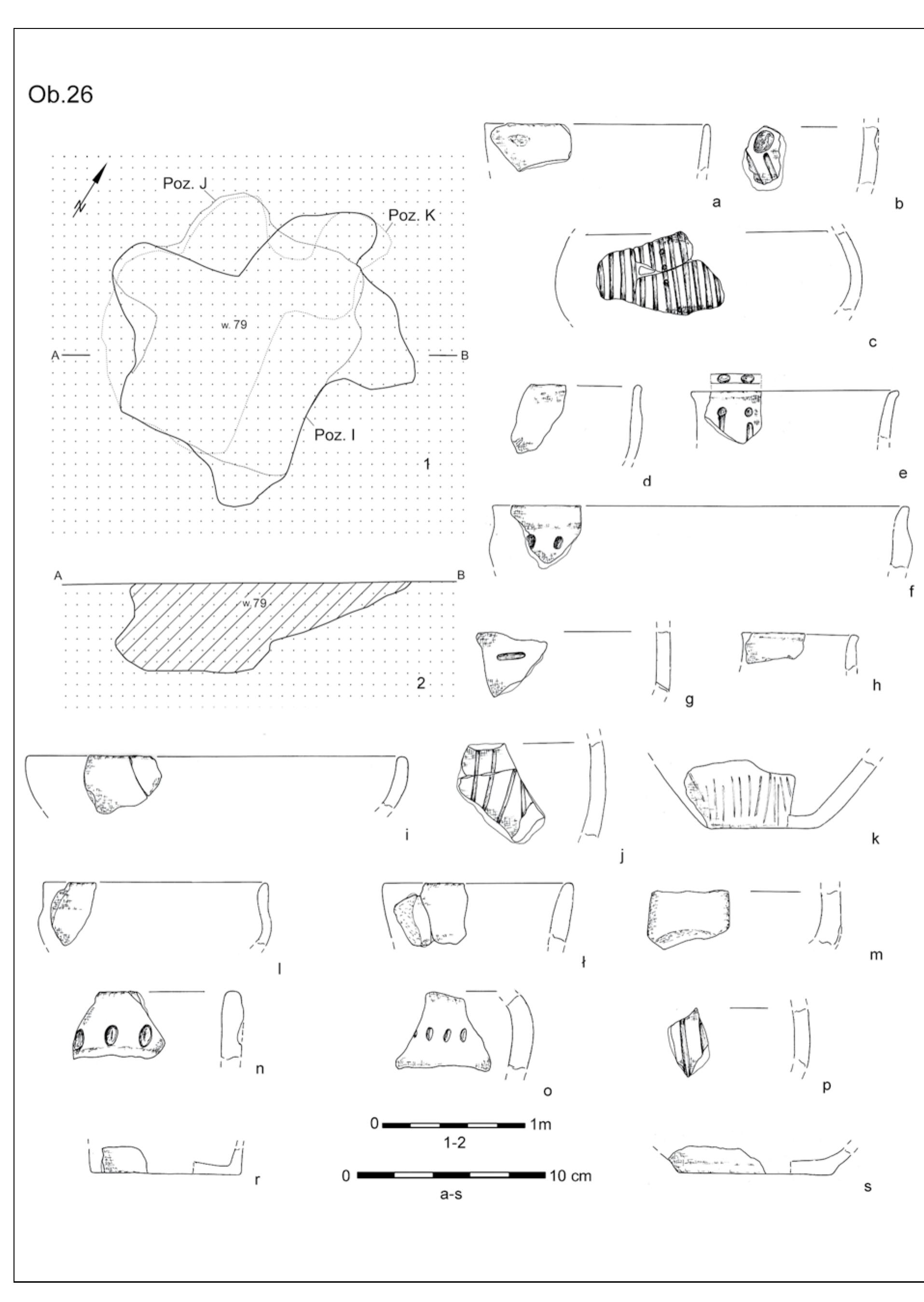
Fig. 6. Krak6w-Biezanow, site 8. Baden culture — plan and profile of feature 26 as well as its inventory: a-s — earthenwar: Marta Kaflinska, Irena Wojcik, Damian Stefanski
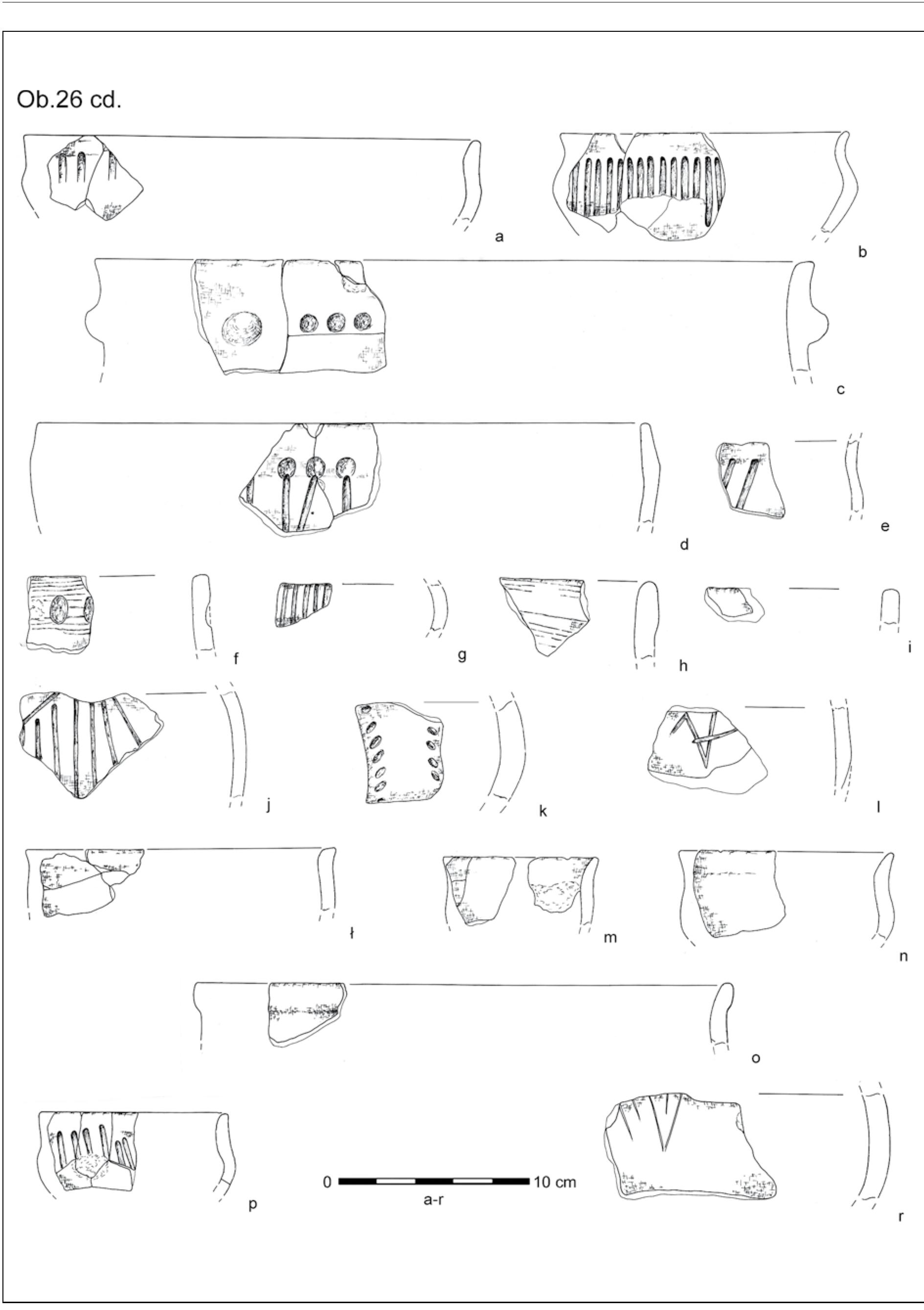
Marta Kaflinska, Irena Wojcik, Damian Stefanski Fig. 7. Krako6w-Biezanow, site 8. Baden culture — inventory of feature 26: a-r — earthenware

Fig. 8. Krak6w-Biezan6w, site 8. Baden culture — inventory of feature 26: a—x — earthenware NEW SETTLEMENT OF THE BADEN CULTURE AT SITE 8 IN KRAKOW-BIEZANOW, LESSER POLAND
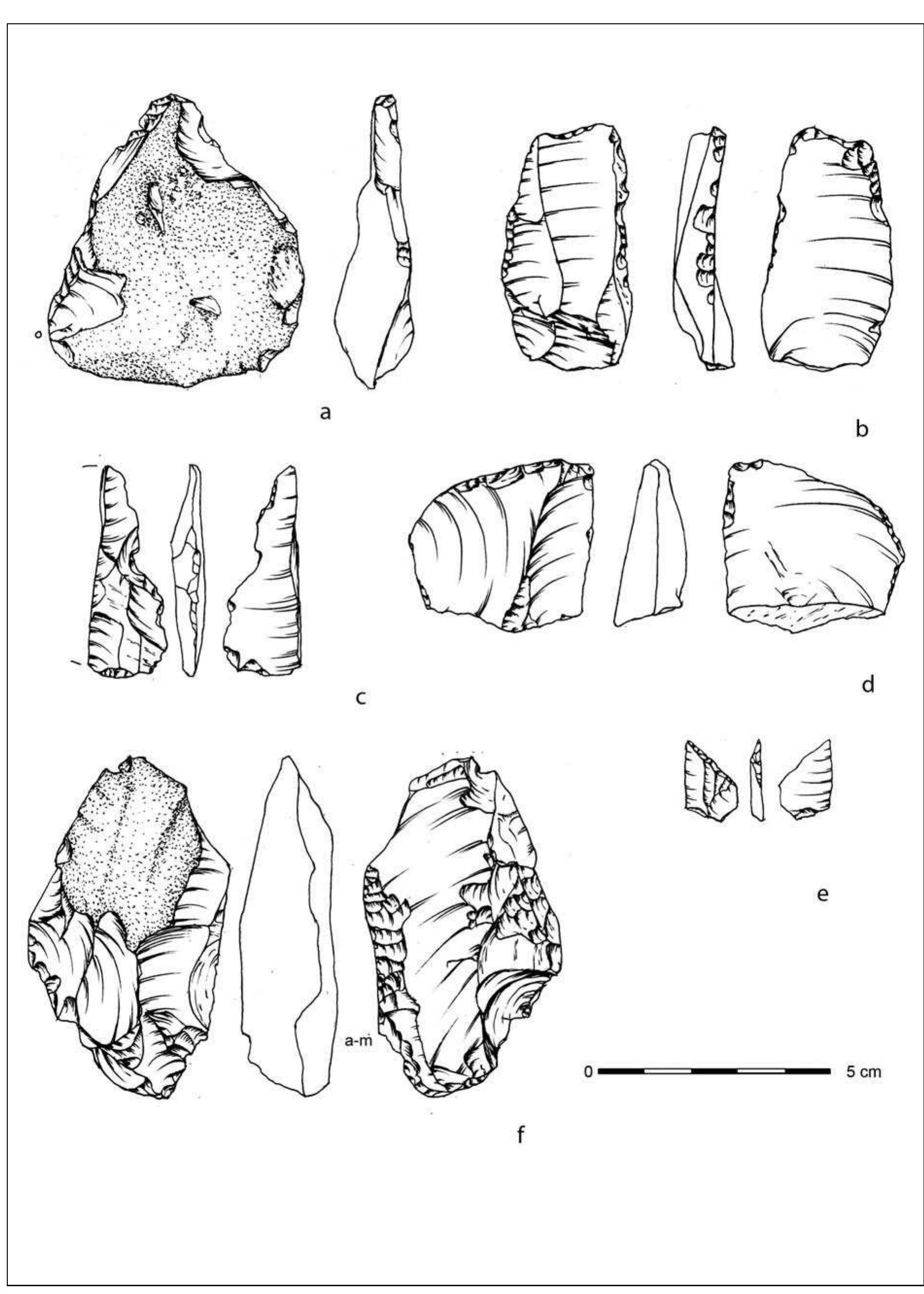
Fig. 9. Krak6w-Biezanow, site 8. Baden culture — inventory of feature 26: a—f — flint artefacts Marta Kaflinska, Irena Wojcik, Damian Stefanski
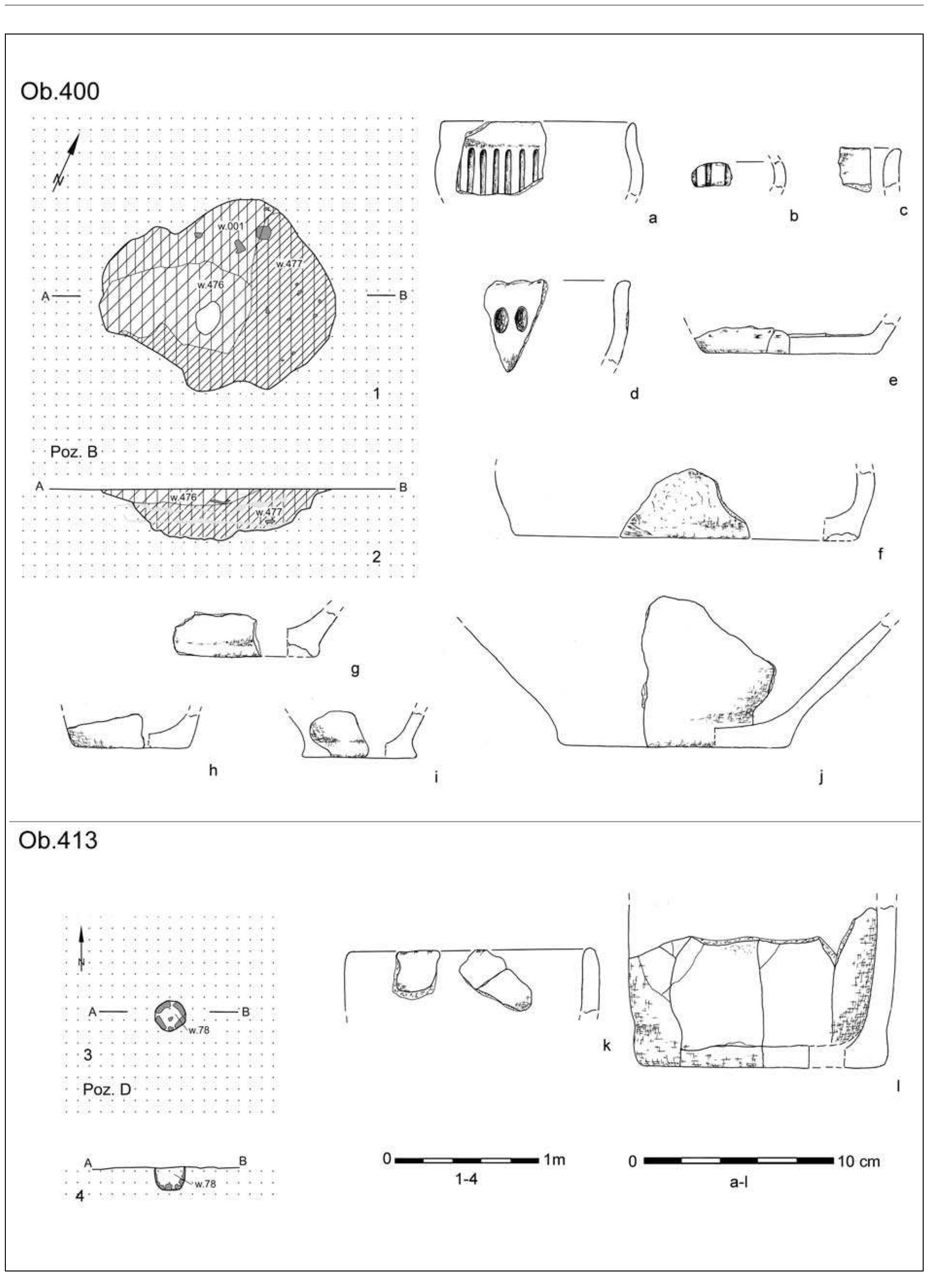
Marta Kaflinska, Irena Wojcik, Damian Stefanski Fig. 11. Krakow-Biezanow, site 8. Baden culture — plan and profile of features 400 and 413 as well as their inventories: a-f — earthenware
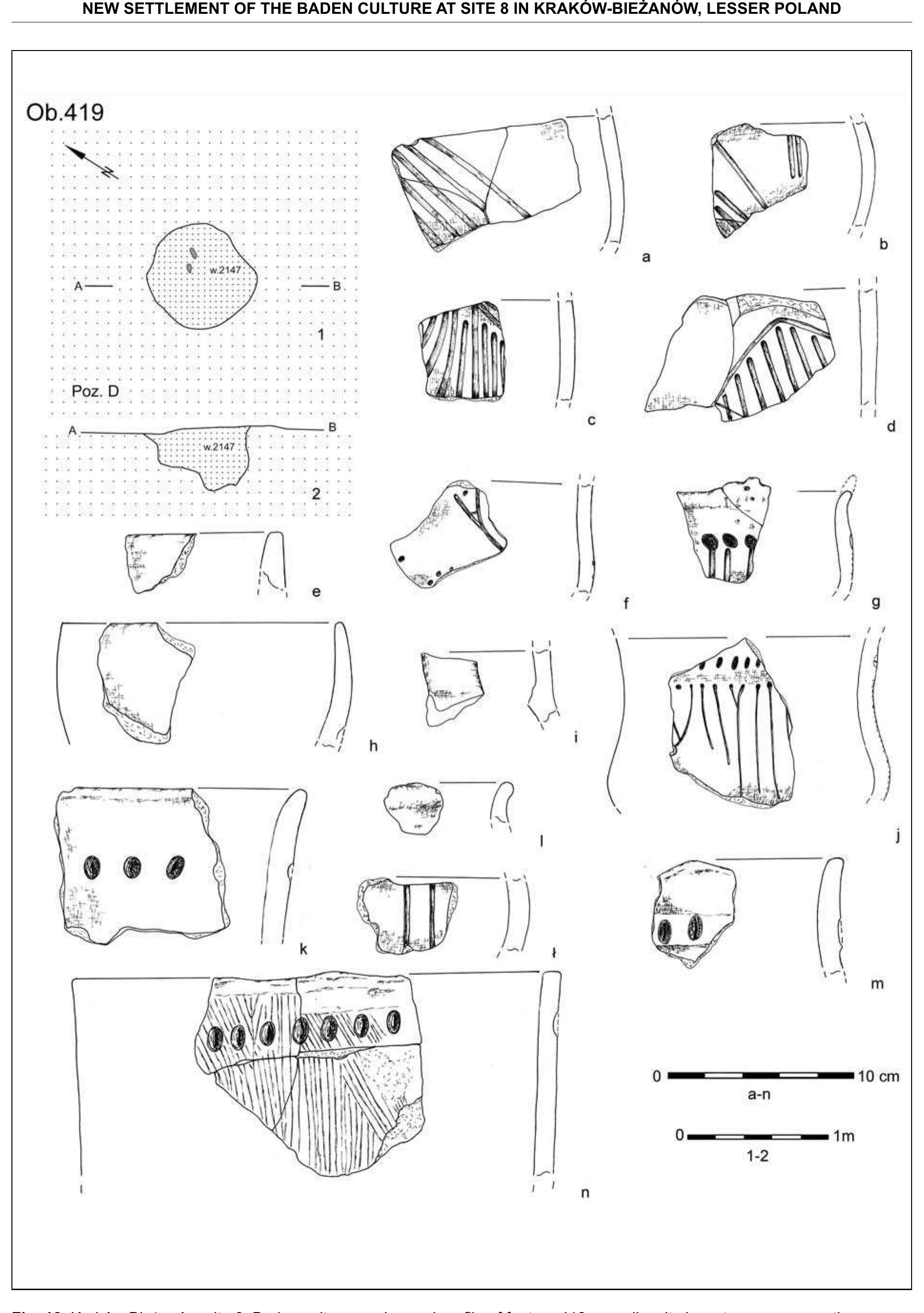

Fig. 13. Krakow-Biezanow, site 8. Baden culture — inventory of feature 419: a-f — earthenware Marta Kaflinska, Irena Wojcik, Damian Stefanski

NEW SETTLEMENT OF THE BADEN CULTURE AT SITE 8 IN KRAKOW-BIEZANOW, LESSER POLAND g. 14. Krakéw-Biezanéw, site 8. Baden culture — plan and profile of feature 420 as well as its inventory: a-e — earthenware
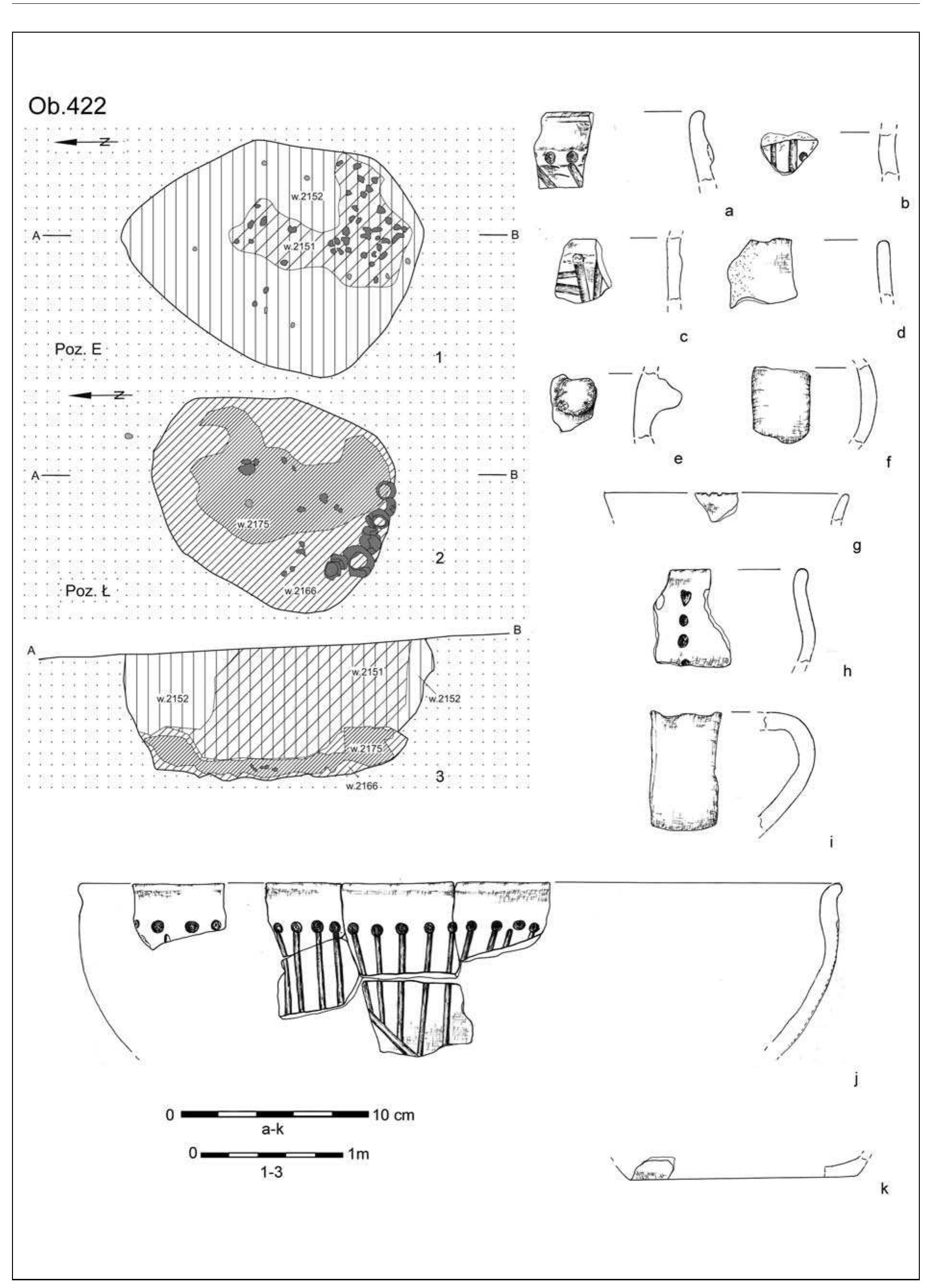
Marta Kaflinska, Irena Wojcik, Damian Stefanski . 15. Krak6w-Biezanow, site 8. Baden culture — plan and profile of feature 422 as well as its inventory: a-k — earthenwar
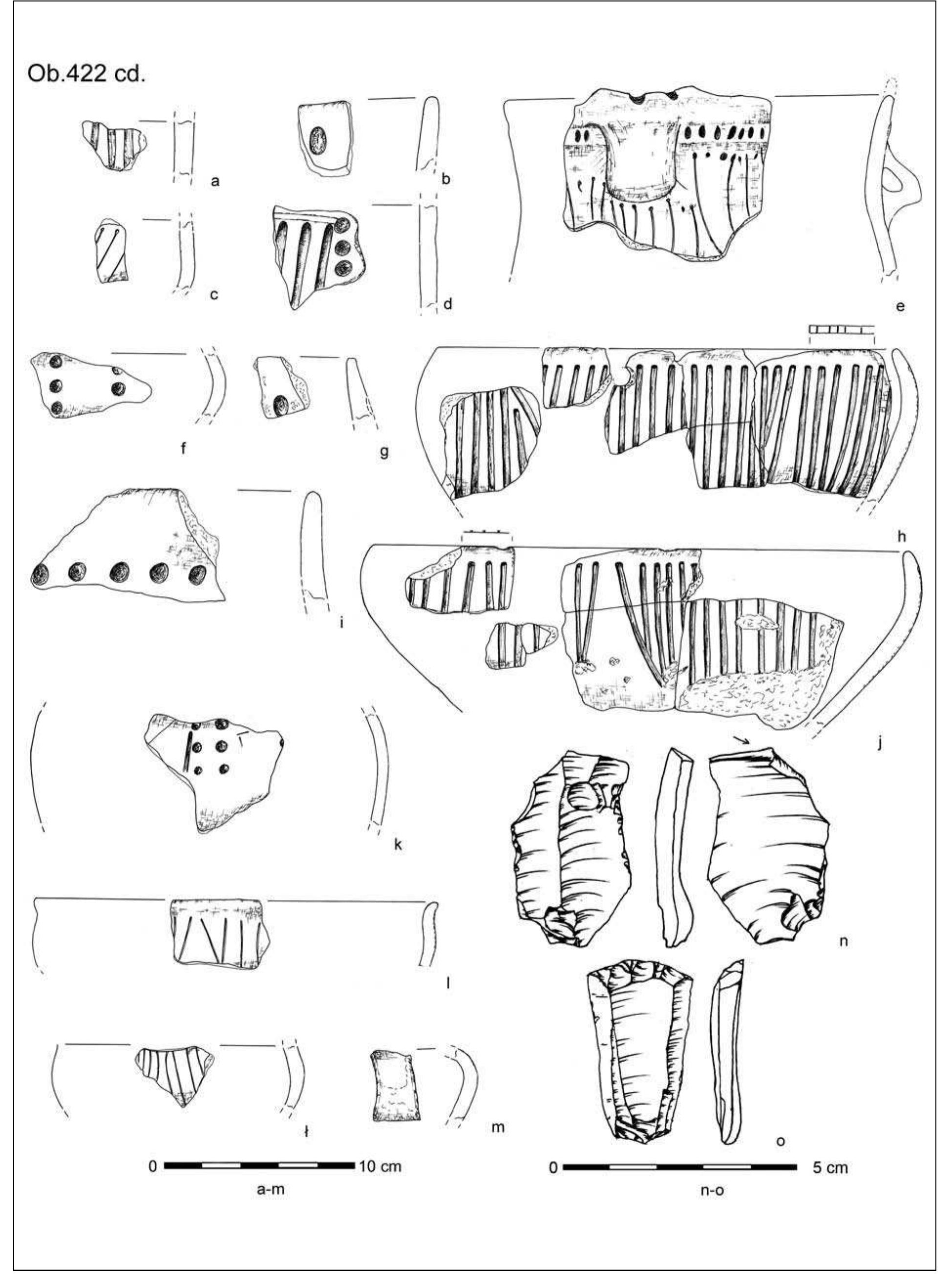
Fig. 16. Krakow-Biezanow, site 8. Baden culture — inventory of feature 422: a-m — earthenware; n, o — flint artefact NEW SETTLEMENT OF THE BADEN CULTURE AT SITE 8 IN KRAKOW-BIEZANOW, LESSER POLAND

Marta Kaflinska, Irena Wojcik, Damian Stefanski Fig. 17. Krak6w-Biezan6w, site 8. Baden culture — inventory of feature 422: a—i — earthenware
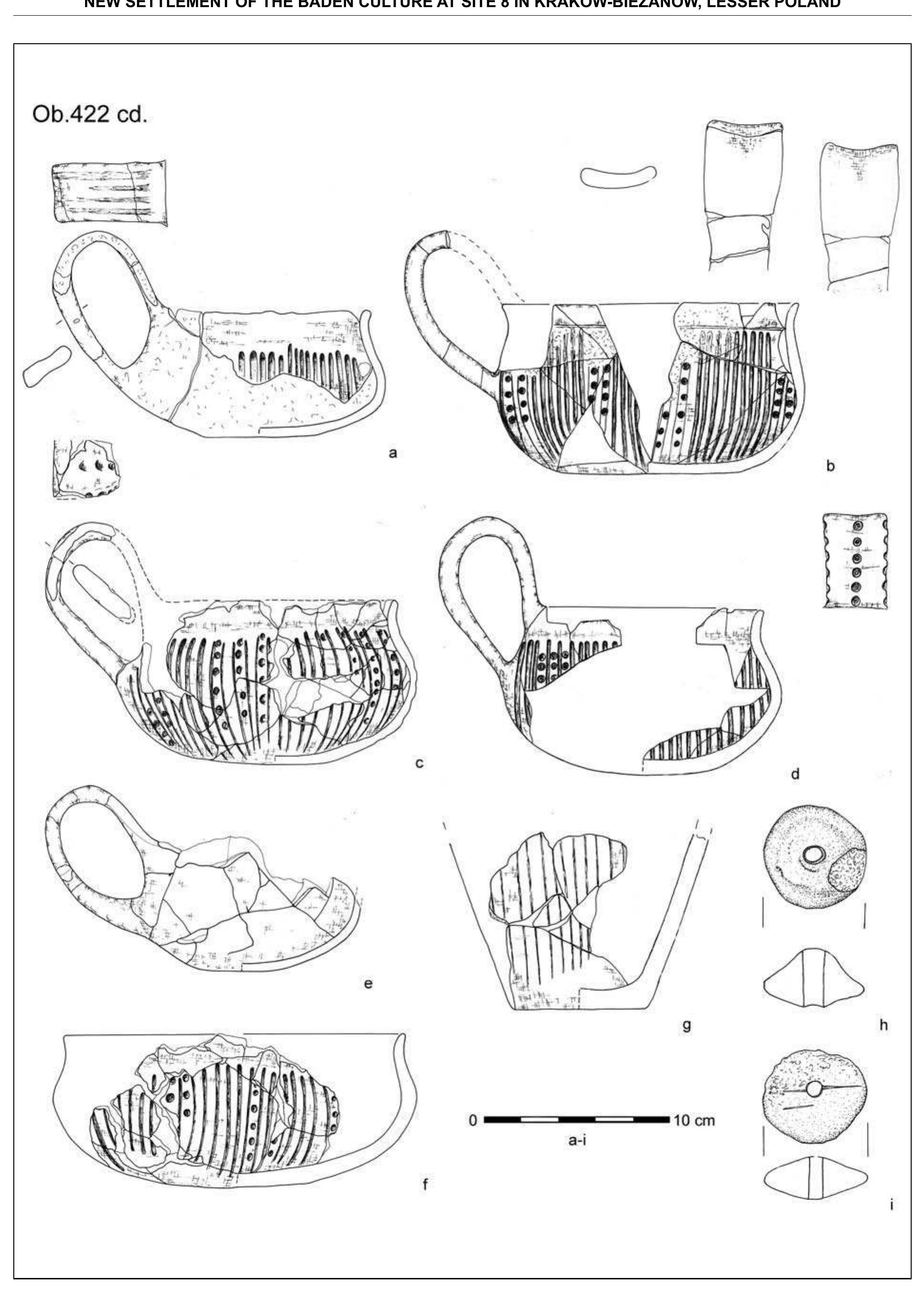
Fig. 18. Krakow-Biezanoéw, site 8. Baden culture — inventory of feature 422: a—i — earthenware
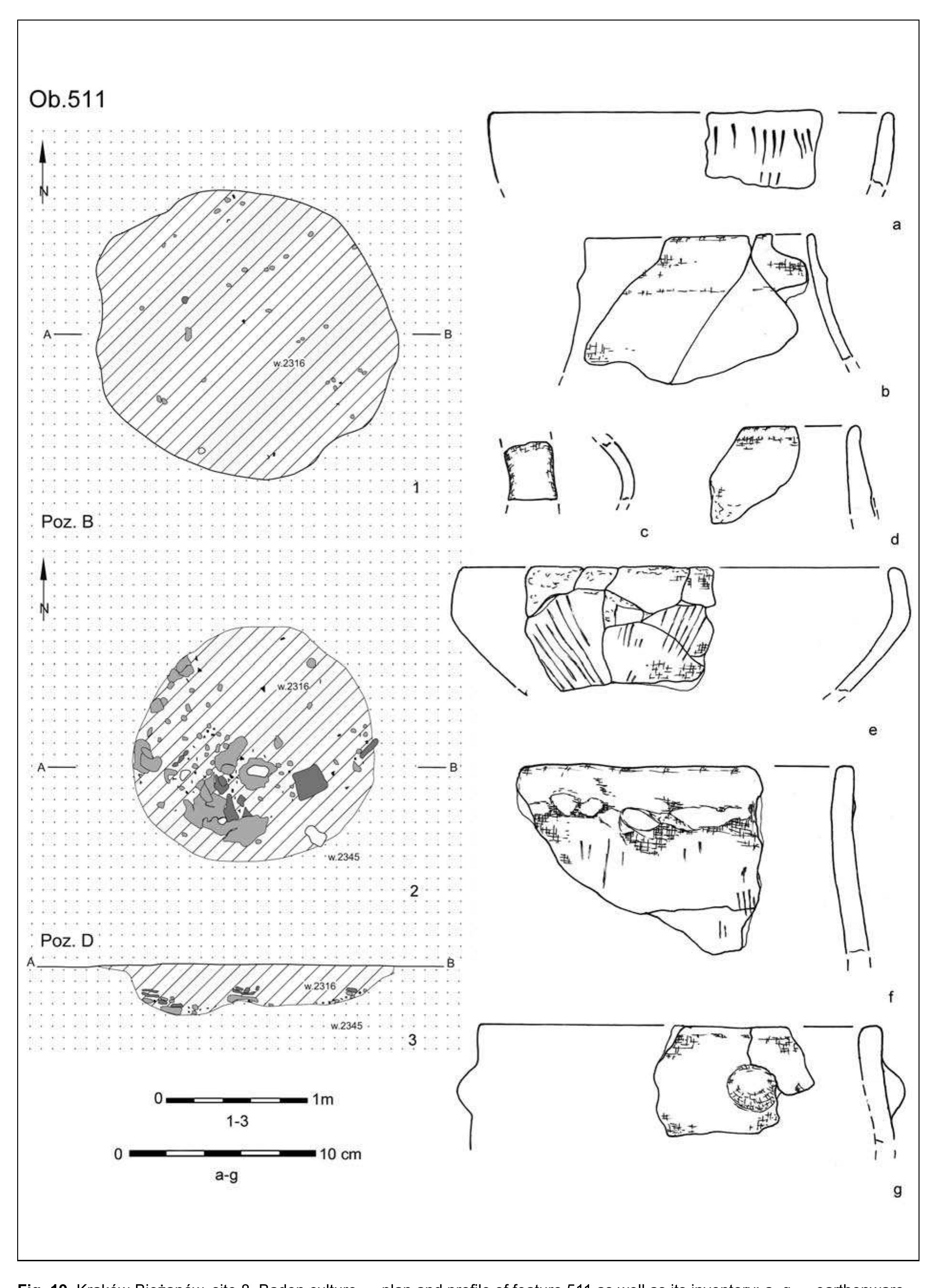
Marta Kaflinska, Irena Wojcik, Damian Stefanski
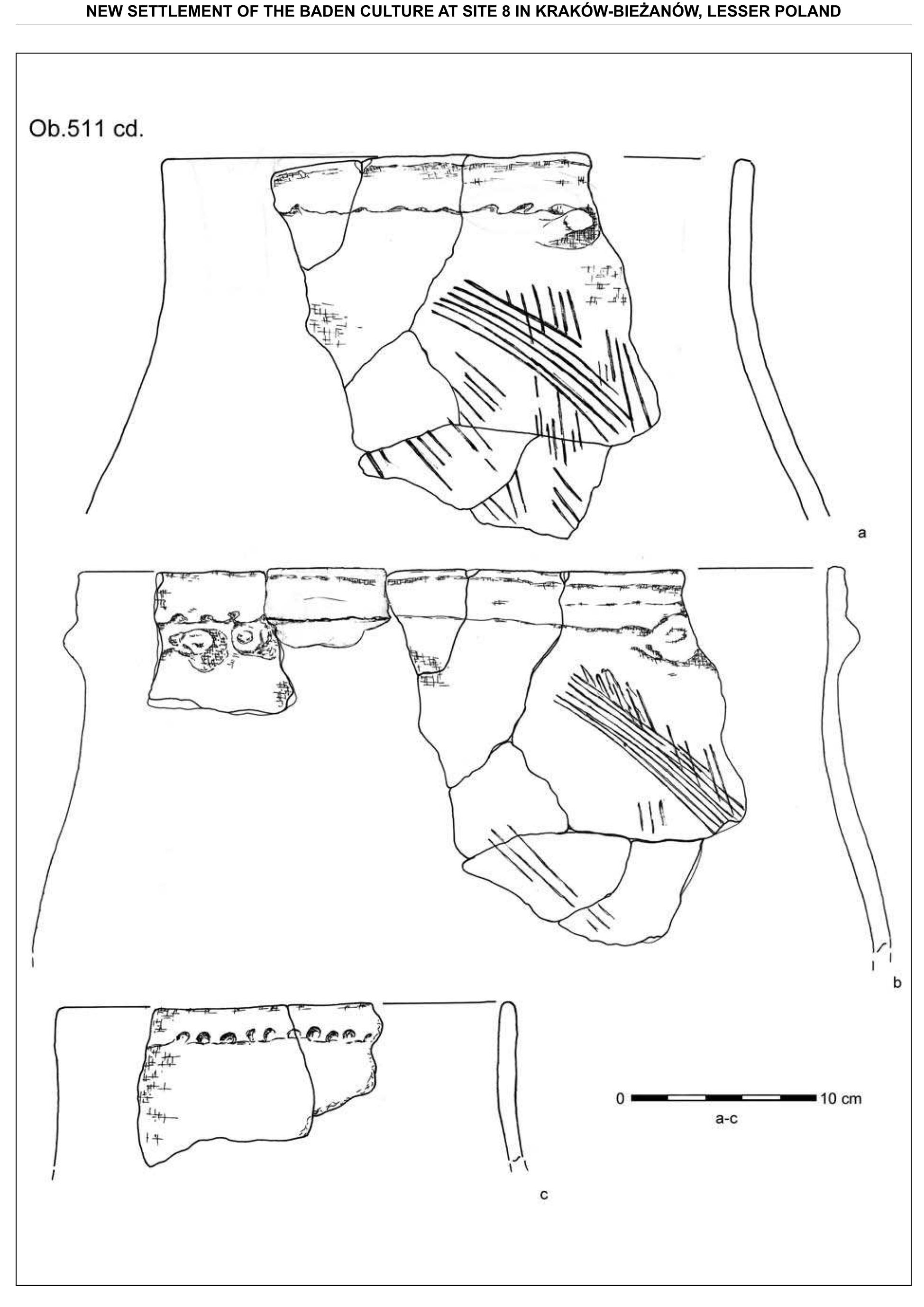
Fig. 20. Krak6w-Biezanow, site 8. Baden culture — inventory of feature 511: a-c — earthenware

Marta Kaflinska, Irena Wojcik, Damian Stefanski Fig. 21. Krakéw-Biezanow, site 8. Baden culture — inventory of feature 511: a-e — earthenware
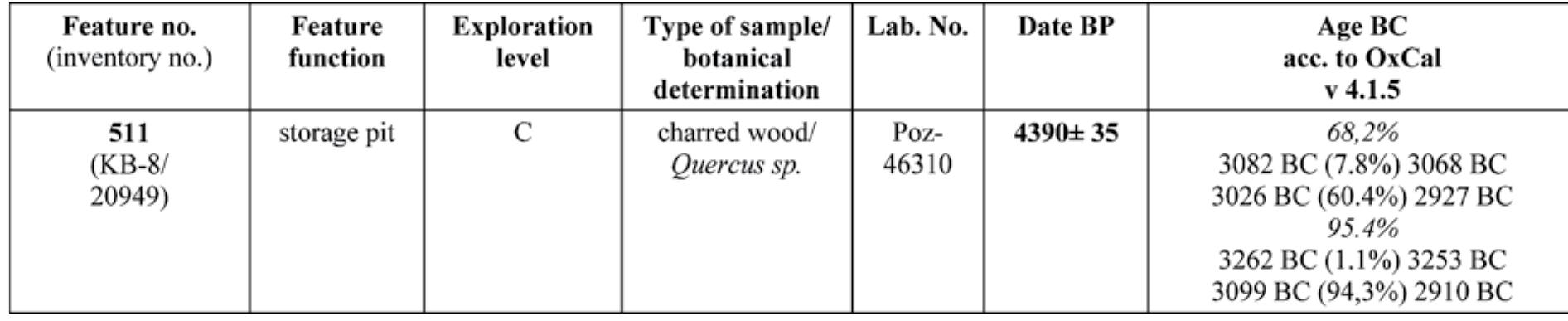
Table 1. Krak6w-Biezan6w, site 8. Results of date determination by means of radiocarbon method executed for a sample obtained from a storage pit of the Baden culture (feature 511). Analysis was carried out in the Poznan Radiocarbon Laboratory within the frame of the research project performed by A. Zastawny at the National Science Centre Poland (N N109 181940). Botanical de- termination of the sample: M. Lityfska-Zajac

Loading Preview
Sorry, preview is currently unavailable. You can download the paper by clicking the button above.
References (19)
- Baczyńska B. 2000 Obiekt gospodarczy kultury badeńskiej odkryty z pełnym wyposażeniem w Szarbi Zwierzynieckiej, gm. Skalb- mierz, Sprawozdania Archeologiczne 52, 113-129.
- Bober J. 1993 Osada kultury ceramiki promienistej w Krakowie-Nowej Hucie Mogile w rejonie Kopca Wandy. Część I -Ma- teriały, Materiały Archeologiczne Nowej Huty 16, 7-53.
- 2004 Stanowisko kultury badeńskiej w Luboczy (Kraków Nowa Huta), Materiały Archeologiczne Nowej Huty 24, 139-145.
- Byrska M., Fraś J., Matoga, A. Pieróg I., Przybyła M. M., Stefański D. 2006 Wstępne wyniki ratowniczych badań archeologicznych na wielokulturowych stanowiskach 8, 11, 12, 14, 15 i 20 w Krakowie-Bieżanowie, woj. małopolskie, In: Raport 2003-2004. Tom 2, 491-508.
- Czeppe Z., German K. 1980 Regiony fizycznogeograficzne miejskiego wojewódz- twa krakowskiego, Folia Geographica, 13, 117-143.
- Gluza I., Tomczyńska Z., Wasylikowa K. 1988 Uwagi o użytkowaniu drewna w neolicie na podstawie analizy węgli drzewnych ze stanowisk archeologicznych w Krakowie-Nowej Hucie, Materiały Archeologiczne Nowej Huty 12, 7-25.
- Godłowska M. 1965 Osada kultury ceramiki promienistej w Luboczy (Nowa Huta), pow. Kraków, Wiadomości Archeologiczne 31, 258-259.
- Kaczanowska M. 1982/1983 Z badań nad przemysłem krzemiennym kultury cerami- ki promienistej, Acta Archaeologica Carpathica XXII, 65-95.
- 2006 Środkowa faza rozwoju kultury lendzielskiej w Małopol- sce -grupa pleszowsko-modlnicka, In: M. Kaczanow- ska (ed.), Dziedzictwo cywilizacji naddunajskich: Mało- polska na przełomie epoki kamienia i miedzi. Biblioteka Muzeum Archeologicznego w Krakowie, 37-52.
- Kondracki J. 1994 Geografia Polski. Mezoregiony fizyczno-geograficzne, Warszawa.
- Kozłowski J. K. 1968 Materiały neolityczne i eneolityczne odkryte na stanowi- sku Nowa Huta-Wyciąże I (badania w latach 1950- 1952), Materiały Archeologiczne Nowej Huty l, 13-91.
- 2006 Grupa Wyciąże-Złotniki i bezpośrednie oddziaływania późnopolgarskie, In: M. Kaczanowska (ed.), Dziedzic- two cywilizacji naddunajskich: Małopolska na przeło- mie epoki kamienia i miedzi, Biblioteka Muzeum Ar cheologicznego w Krakowie l, 53-61.
- Rook E. 1971 Materiały kultury ceramiki promienistej odkryte na stan. Nowa Huta-Pleszów w latach 1954-1963, Mate- riały Archeologiczne Nowej Huty 4, 111-236.
- Sochacki Z. 1988 Zespól osadniczy kultury ceramiki promienistej w Kra- kowieZesławicach, Warszawa.
- Zastawny A. 1999 Uwagi na temat chronologii osadnictwa kultury badeń- skiej w zachodniej części Małopolski, Sprawozdania Ar- cheologiczne 51, 9-51.
- 2008 The Baden and the Funnel Beaker-Baden Settlement in Lesser Poland, In: M. Furholt, M. Szmyt, A. Zastawny (eds.), The Baden Complex and the Outside World, SAO/ SPEŚ 4, 177-188.
- 2009 Obrządek pogrzebowy kultury badeńskiej, In: A. Czekaj- Zastawny (ed.), Obrządek pogrzebowy kultur pocho dzenia naddunajskiego w neolicie Polski południowo wschodniej (5600/5500-2900 BC), 159-164, Kraków.
- Zastawny A., Bober J., Valde-Nowak P. 2009 Kultura badeńska. Katalog źródeł, In: A. Czekaj-Zastaw- ny (ed.), Obrządek pogrzebowy kultur pochodzenia nad- dunajskiego w neolicie Polski południowowschodniej (5600/5500-2900 BC), 453-469, Kraków.
- Żaki A. 1950 Pradzieje Małopolski w świetle wykopalisk i opracowań, ZOW 19, 120-130.
FAQs
AI
What artifacts were most frequently found associated with the Baden culture?add
The study revealed 3,393 ware fragments, predominantly cups, bowls, and pots, with 64 bowls being the most numerous.
What indicates the nature of storage pits in the Baden culture?add
Storage pits observed were basin-like with fillings ranging from 35 to 110 cm, typically containing earthenware fragments and charred wood.
How does the pottery from site 8 compare with known Baden culture artifacts?add
The pottery from site 8 resembles Mogiła-type assemblages from the Late-Classic Baden horizon, lacking pointed-bottom cups common in Zesławice-Pleszów inventories.
What evidence suggests the function of feature 422 at site 8?add
Feature 422 contained well-preserved vessels and charred wood, indicating it possibly served as a pantry or cellar.
What did C14 dating reveal about the settlement's timeline?add
Radiocarbon analysis provided a date of 4390±35 BP, correlating to an interval of 3262-2910 BC, indicating settlement activity during this period.