How to Cook Rice (original) (raw)


Grocery shopping is getting a bit rough these days with prices that are higher than ever and shelves that always seem to be half empty. So now is a great time to revisit one of the most inexpensive and versatile pantry staple ingredients available: rice. Once you know how to cook rice on the stovetop, you’ve got an inexpensive and filling base upon which you can build a million different meals!
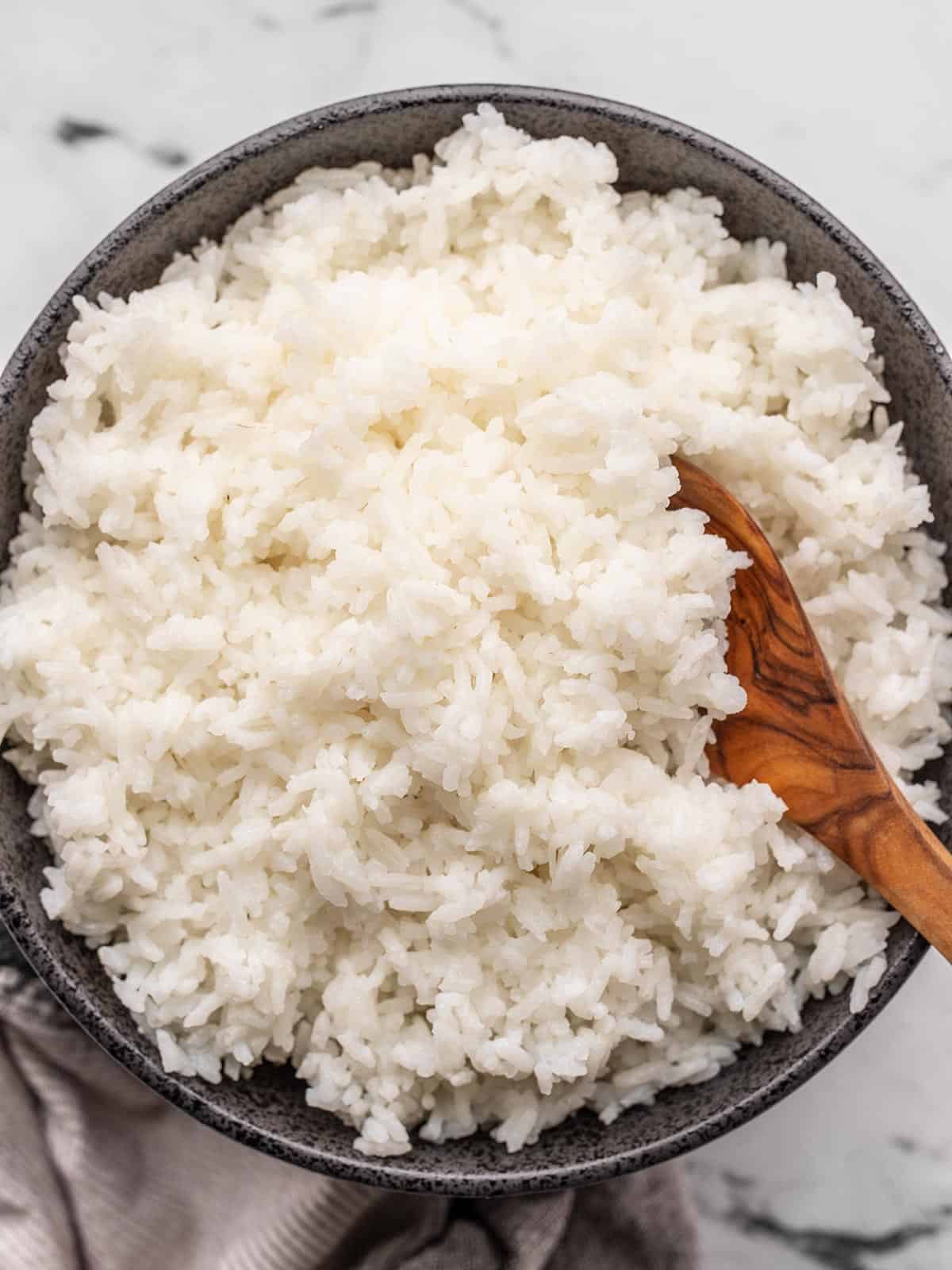
 Pin this recipe for later!
All recipes are rigorously tested in our Nashville Test Kitchen to ensure they are easy, affordable, and delicious.
Cooking Rice on the Stovetop
Cooking rice on the stovetop is just one of many ways you can cook rice. It’s my preferred method because it’s simple, it doesn’t require special equipment, and it’s fairly quick. That being said, you might find that you like a different method better.
You can also cook rice in a rice cooker or an Instant Pot, you can bake it in the oven, you can cook it in a microwave, and you can even cook it in an excess of water, kind of like pasta! Each of these methods has its pros and cons, so you can always experiment with another method if you’re not a fan of cooking rice on the stovetop.
What Type of Rice to Use
There are a lot of different types of rice in the world and each cooks a little differently. For that reason, this tutorial will only cover white and brown long grain rice. Other types of rice will require different amounts of liquid, different cook times, and maybe even a different method altogether.
Should I Rinse my Rice?
Rinsing rice before it’s cooked can be helpful for a couple of different reasons. Not only does it help remove debris and other contaminants, but it can also help remove excess starch, which tends to make rice a little more sticky once cooked.
The easiest way to rinse rice is to use a fine wire mesh sieve or strainer. This will allow the water to rinse right through without the risk of accidentally pouring out the rice along with the rinse water, and without inadvertently leaving a lot of excess water in the rice.
Water to Rice Ratio
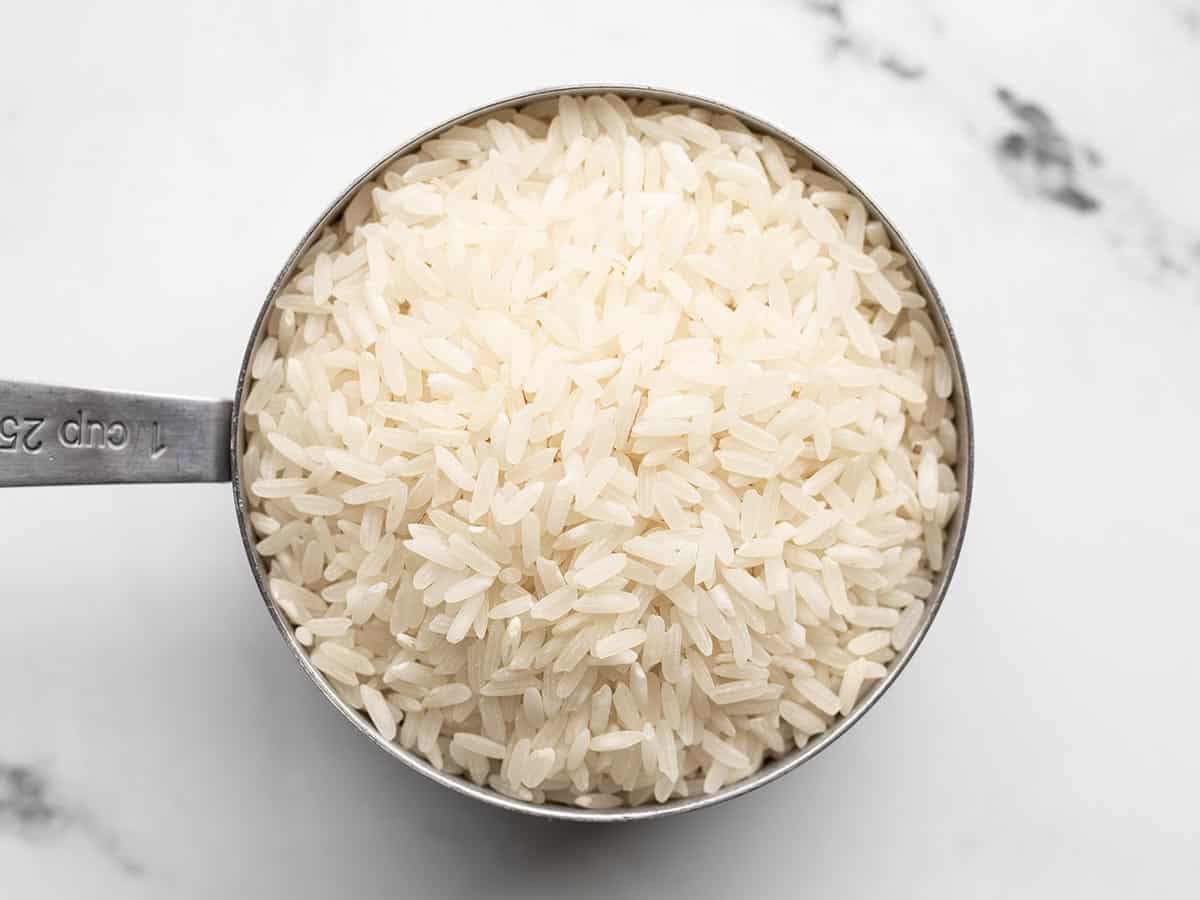
Using the correct amount of water and rice will have a big impact on how your rice turns out. Use too much water and your rice will be mushy. Use too little water and your rice might not cook through. The exact amount to use can also vary based on your cookware and your personal preferences, but in general, for long grain white rice, you can use between 1.5 to 2 cups of water for every cup of uncooked rice (use less for more firm rice, more for softer rice). Brown rice needs a little more liquid, so you can use 2 to 2.25 cups of water for every cup of uncooked brown rice.
Another method for determining the amount of water needed is the knuckle method. This ancient measuring technique is considered fool-proof by those who use it. Simply place your rinsed rice in your pot or rice cooker, touch the top of the rice with your fingertip, then add water until the top of the water comes up to the first knuckle after your fingernail. Sounds crazy, but it works!
Use The Correct Cookware
Using the correct cookware will also help you achieve perfectly cooked rice with less effort. Here are some tips:
- Make sure to choose a pot that is the correct size for the amount of rice you’re cooking. Choose a pot that is about 6-8x the volume of uncooked rice (cook one cup of rice in a 1.5-2 quart pot).
- Use a thick-bottomed or heavy-duty pot because they will heat more evenly and reduce the chances of burning the rice.
- Make sure you’re using a burner that is close in size to the bottom of your pot. This will help the rice cook evenly and prevent crunchy, undercooked rice around the outside edges of the pot.
How to Add More Flavor to Rice
One of the reasons I love rice, aside from being so filling and affordable, is that it is so easy to change the flavor. Here are a few easy ways to add more flavor to your rice:
- Toast the rice in butter or oil before adding water. This gives the rice a deeper, toastier flavor.
- Add aromatics, like minced garlic or diced onion to the rice and water before cooking.
- Add herbs and spices to the water before cooking.
- Use a flavored liquid in place of water. You can cook rice in broth, stock, milk, or coconut milk for even more flavor.
- Finish with flavor: Add a drizzle or sprinkle of your favorite sauce, spice, or herb after cooking, then fold gently to combine (think citrus juice, fresh herbs, finishing oils, etc.).
A simple step by step guide on how to cook rice on the stove top, with tips, tricks, and answers to all of your rice questions.
Step-by-step photos can be seen below the recipe card.
▢ 1 cup long grain white rice*
▢ 1.5 cups water
▢ 1/4 tsp salt
Rinse the rice using a fine wire mesh strainer.
Add the rice, salt, and water to a saucepot.
Place a lid on the pot, turn the heat on to high, and bring the water up to a full boil.
Once the water reaches a full boil, turn the heat down to low and let the rice continue to simmer for 15 minutes. Do not lift the lid or stir as it simmers. Make sure it maintains a gentle simmer the entire time.
After simmering for 15 minutes, turn off the heat and let the rice rest without lifting the lid or stirring, for an additional five minutes.
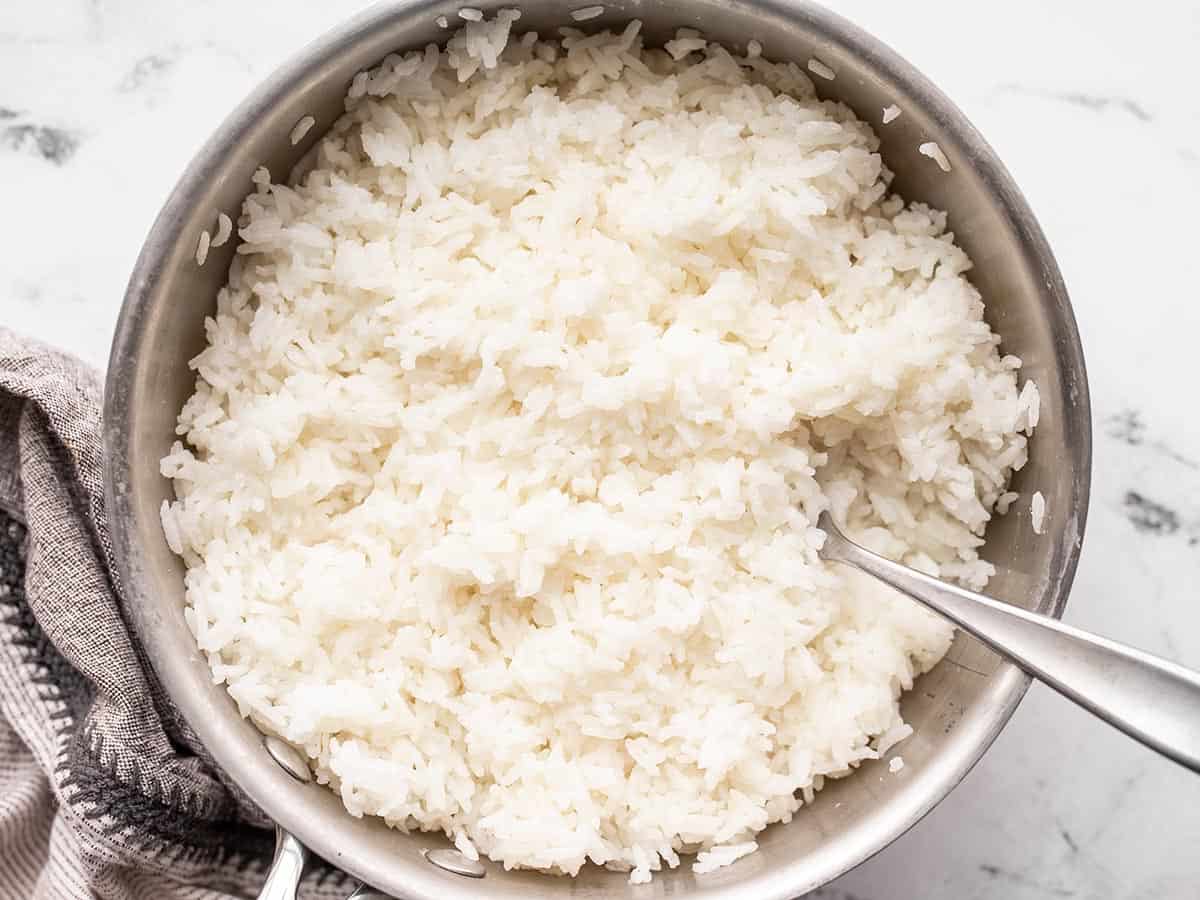
After letting the rice rest, lift the lid and fluff with a fork. Serve hot.
See how we calculate recipe costs here.
*To cook long grain brown rice, increase the water to 2 cups and let the rice simmer for 45 minutes instead of 15. Don’t forget to let the rice rest after turning off the heat, just as you do with the white rice.
Serving: 1cupCalories: 169kcal (8%)Carbohydrates: 37g (12%)Protein: 3g (6%)Fat: 1g (2%)Sodium: 152mg (7%)Fiber: 1g (4%)
The nutrition data is automatically calculated using all ingredients listed on the recipe card, including any listed as optional. Percentages are of daily value.
How to Cook Rice – Step by Step Photos
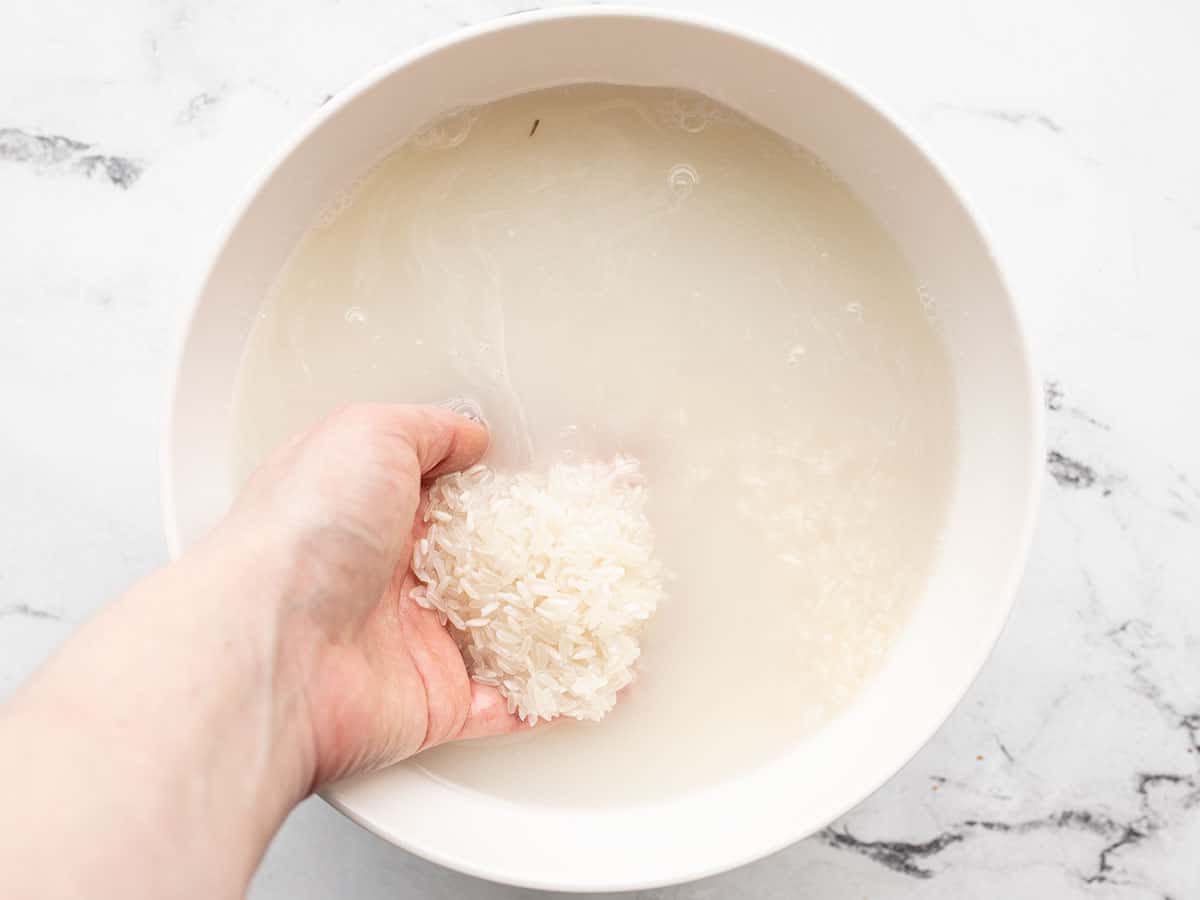
Rinse the rice first with a fine wire mesh strainer or in a bowl. If rinsing in a bowl, swish it around a few times then carefully pour off the rinse water. Repeat this 3-4 times, pouring off as much water as possible with the last rinse.
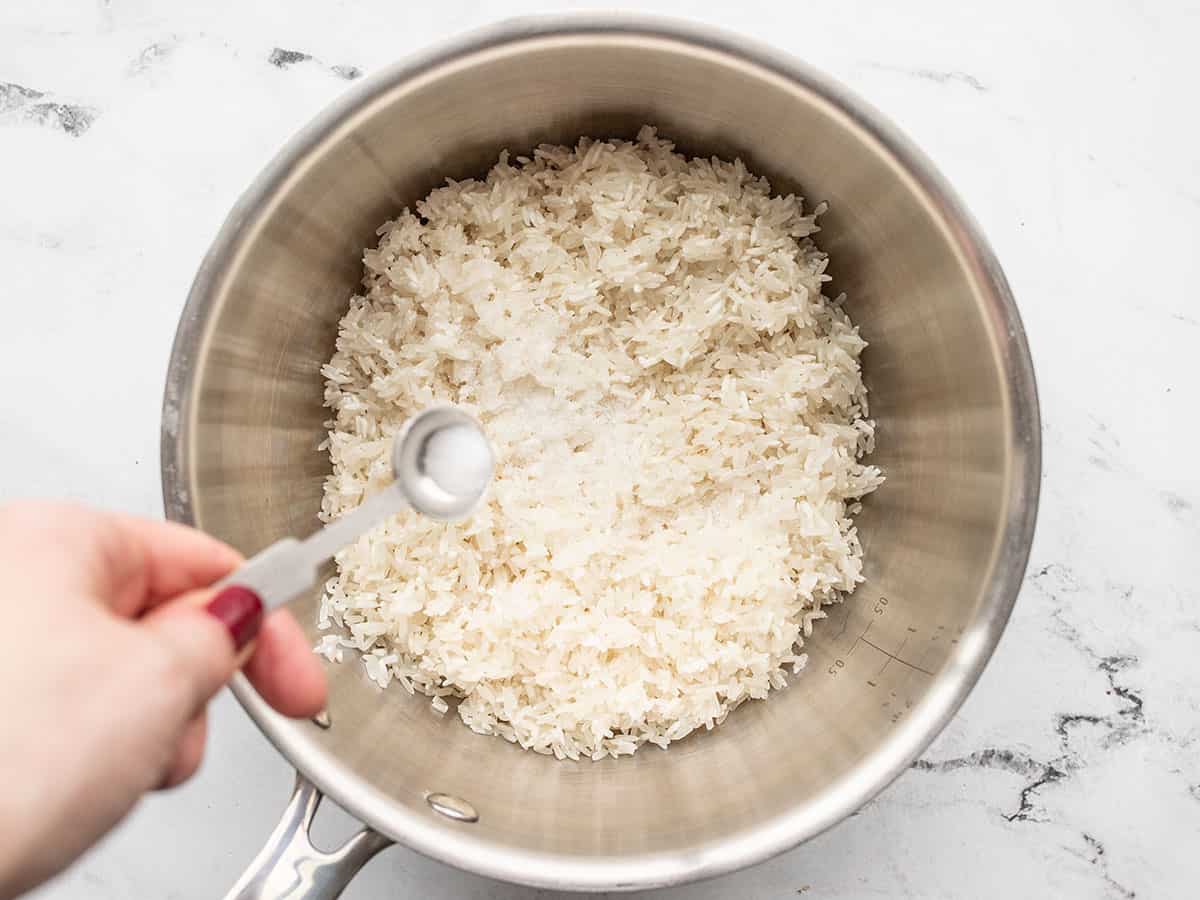
Place one cup of rice in a saucepot, then add ¼ tsp salt.
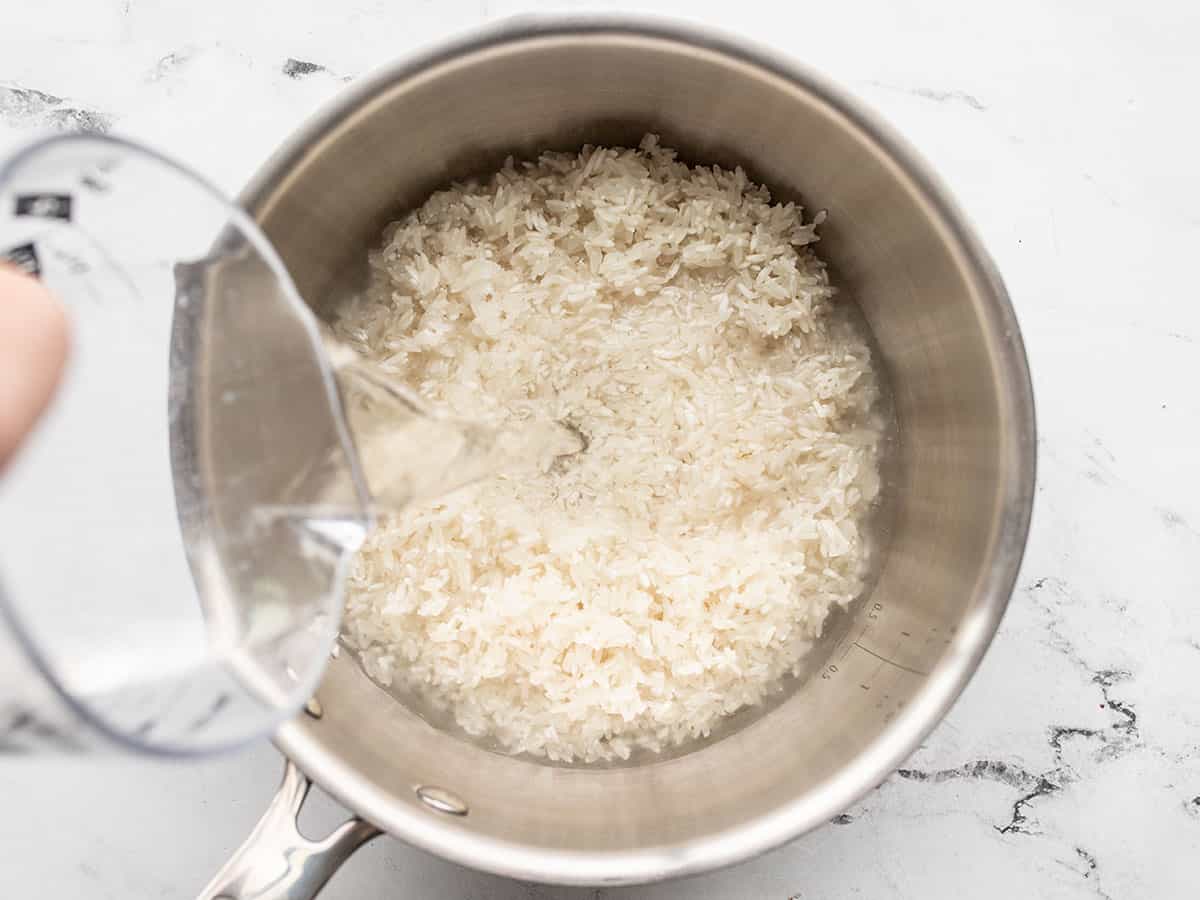
Also add 1.5 cups of water.
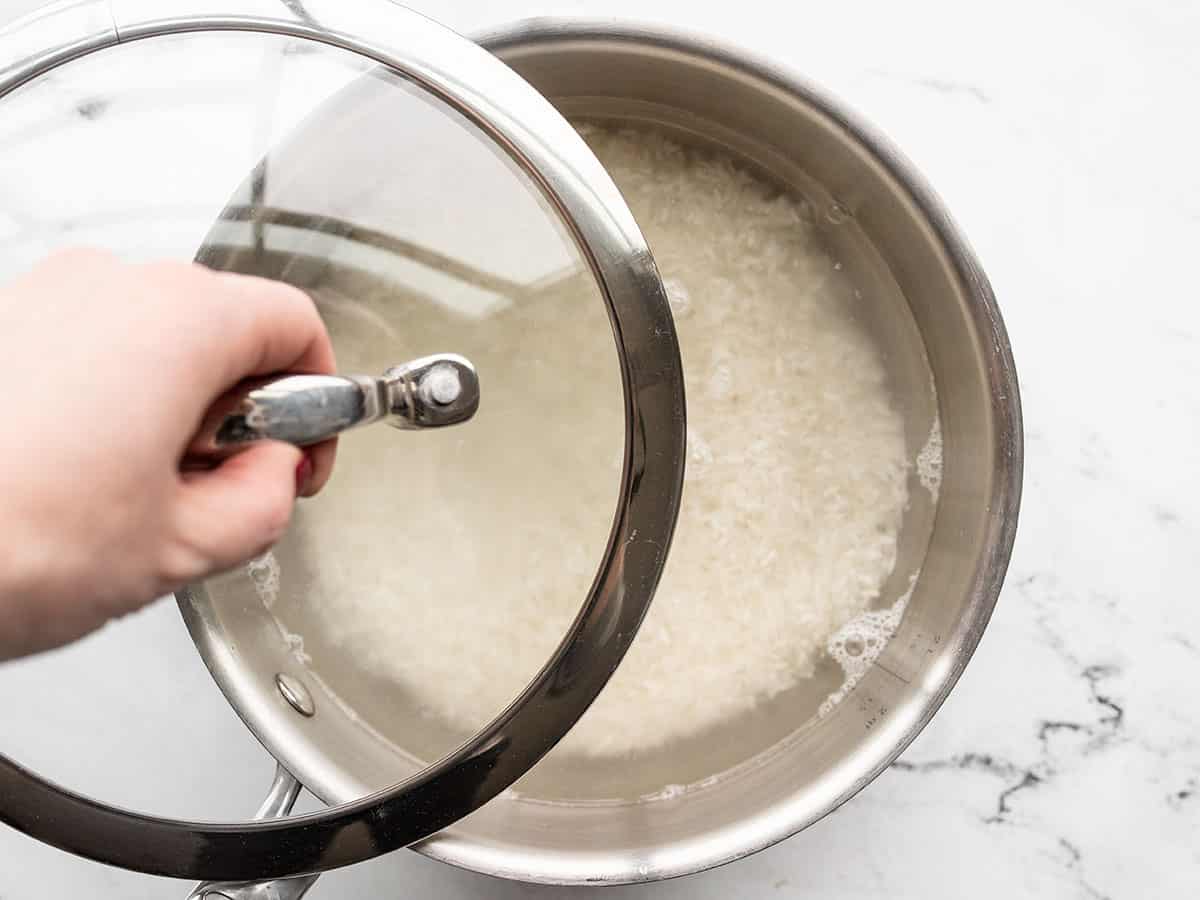
Place a lid on the pot, turn the heat on to high, and bring the water up to a full boil.
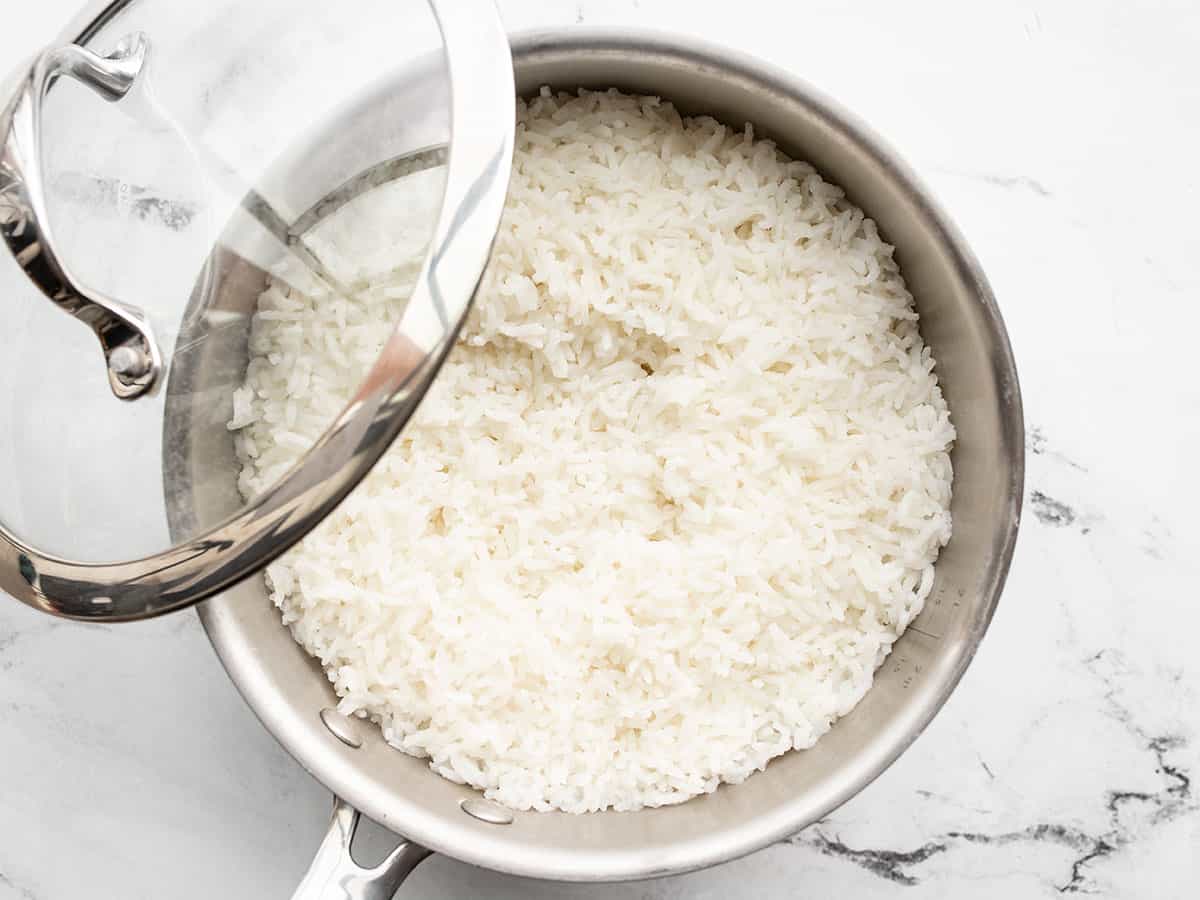
Once it reaches a full boil, turn the heat down to low and let the rice simmer for 15 minutes. Do not remove the lid or stir the rice while it simmers. After 15 minutes of simmering, turn off the heat and let the rice rest for an additional five minutes (still no lifting the lid or stirring!).
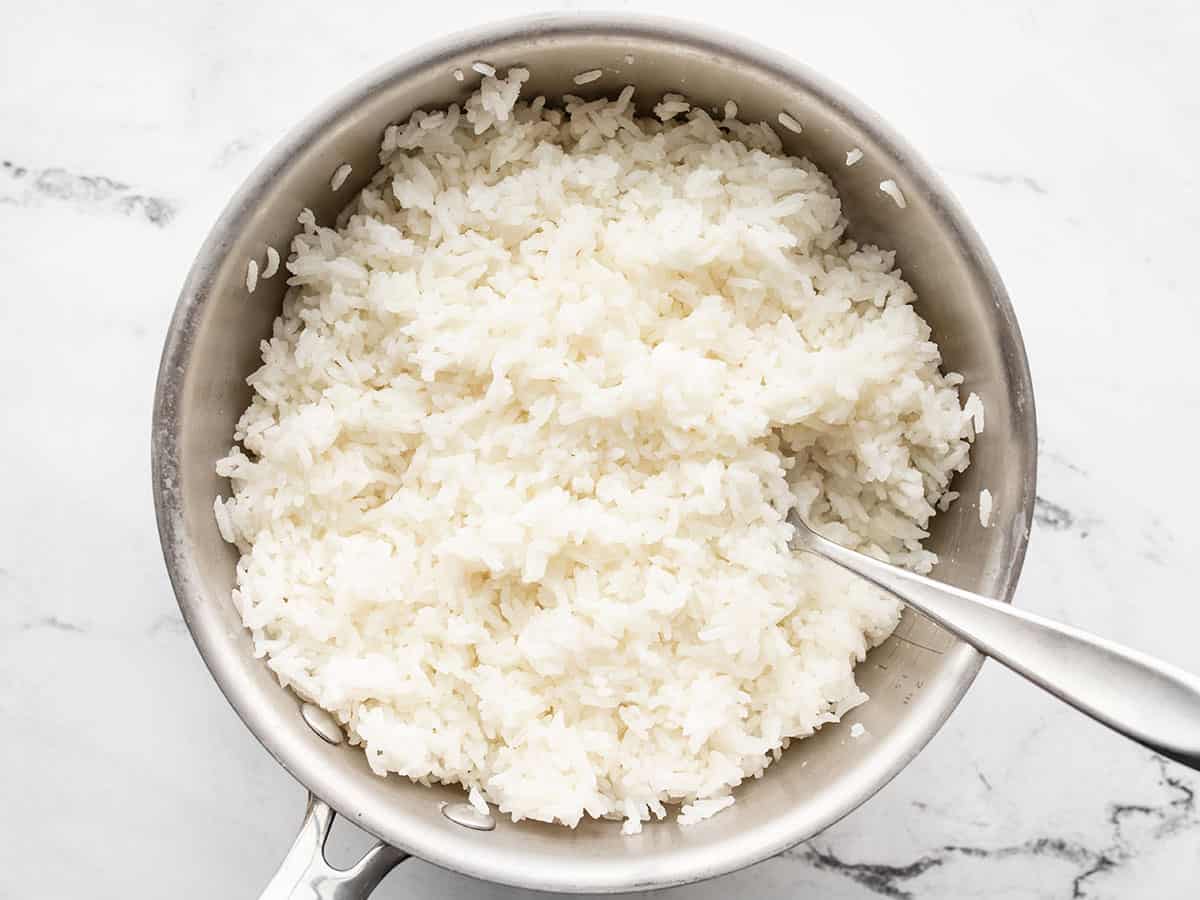
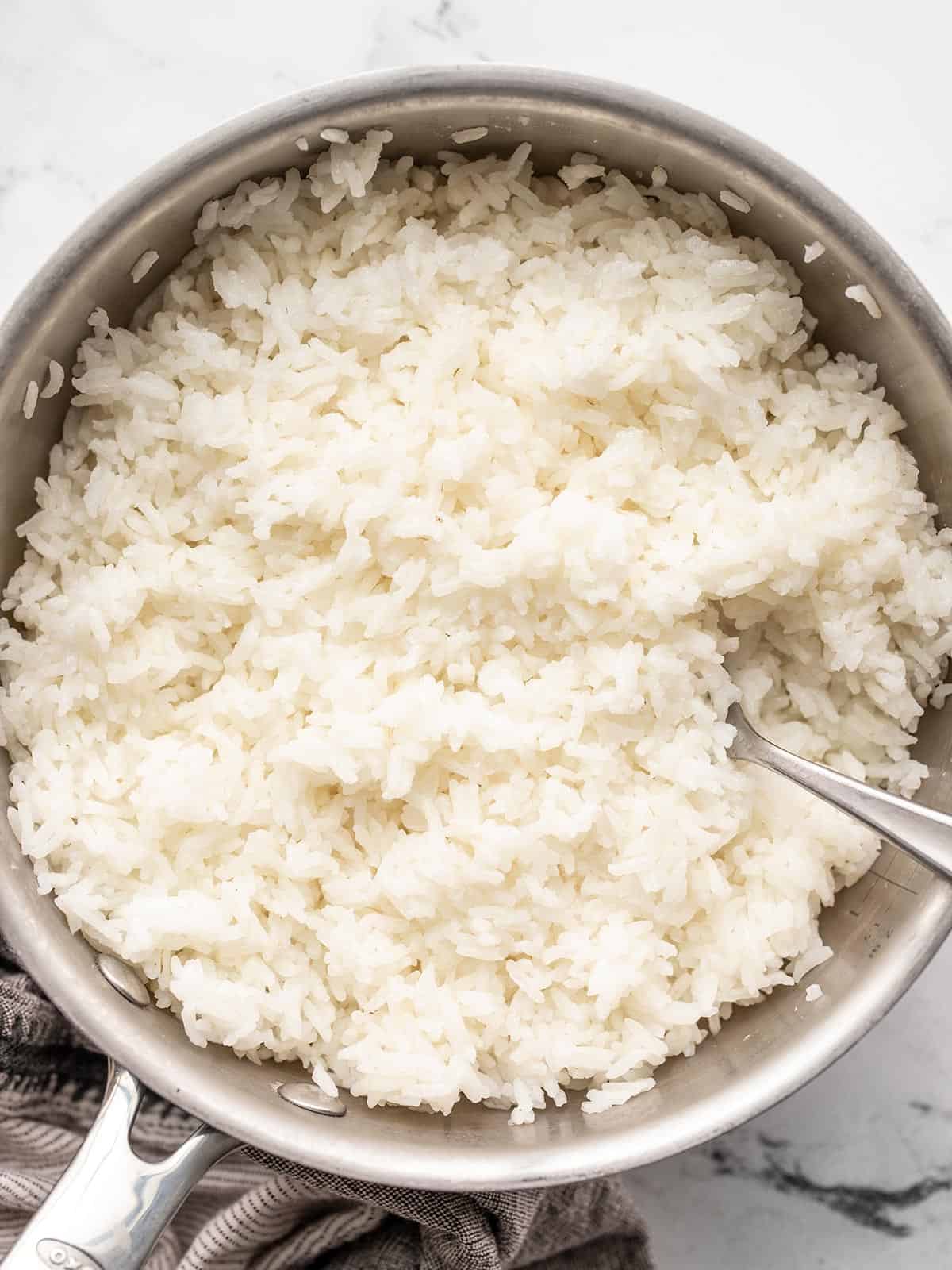
Finally, after the rice has rested, lift the lid and fluff with a fork. Serve hot with your favorite meal!
Troubleshooting
- Burned rice: heat was too high when simmering, not enough water was used or too much steam escaped while simmering (keep that lid on tight), or thin cookware caused hotspots on the bottom.
- Mushy rice: too much water was used or not enough water was drained after rinsing, rice was stirred during cooking.
- Crunchy rice: not enough water was used, too much steam escaped during simmering (do not lift the lid), uneven heating (outside edges not simmering so the rice could not absorb the water), rice not allowed to rest after simmering.
- Rice cooked unevenly: Burner was too small for the pot, thin pot that does not conduct heat evenly, rice was not allowed to rest after simmering.
When to Use a Rice Cooker
Still can’t get the hang of it? No problem. Sometimes using a rice cooker really is the best option! Rice cookers are generally inexpensive, they are quite versatile (you can cook more than just rice in them), and they leave your hands and attention free to tend to other things while preparing your meal. There’s no shame in using a rice cooker!
Posted in: Bean & Grain Recipes, How-To, Recipes, Rice Recipes
Beth MoncelI’m a food lover, number cruncher, and meticulous budgeter. I love science and art, and the way they come together when I cook. I love to create, problem solve, and learn new things. Making great food is my passion, my purpose, and my favorite thing to share with others.More About Beth