Only half of New Brunswickers approved for Canadian dental plan last year able to get care (original) (raw)
It's been a little over a year since the Canadian Dental Care Plan expanded to include the remainder of eligible applicants.
Head of dental society says factors include aging dentist population, shortage of hygienists and assistants

Listen to this article
Estimated 5 minutes
The audio version of this article is generated by AI-based technology. Mispronunciations can occur. We are working with our partners to continually review and improve the results.

Paul Blanchard, executive director of the New Brunswick Dental Society, says about two-thirds of the dentists in the province see the national plan as a positive change. (Clare MacKenzie/Zoom)
Only 49 per cent of New Brunswickers approved for the Canadian Dental Care Plan last year received care.
Statistics from the federal government show 121,191 New Brunswickers were approved for the 2025-26 benefit year, but only 59,439 had received care as of April 30.
Paul Blanchard, executive director of the New Brunswick Dental Society, said this is likely fewer than what the government expected, but the plan's expansion has increased access to dental care.
"We know from our survey … [that] probably two-thirds of our dentists see this change as a positive, and 50 per cent of them have acknowledged that, look, access to care in their communities has really improved," Blanchard said.
"There's been a lot of pent-up demand, and so people have been dealing with, you know, old dentures or partials for a long time, and they haven't had the means to come in and get this care that they need."
WATCH | How is access to dental care in New Brunswick?:

About half of N.B. applicants treated through Canadian Dental Care Plan last year
The executive director of the New Brunswick Dental Society says access is increasing, but with an aging workforce and a lack of dental assistants and hygienists, finding care can still be tricky.
To be eligible for the plan, applicants must not have access to private dental insurance or coverage, must have an adjusted family net income of less than $90,000 and must be a Canadian resident.
New Brunswick's percentage of approved applicants who received care this year is slightly lower than the national percentage, about 55 per cent, but roughly on par with most other provinces.
Ontario and British Columbia have the highest percentages at 59 per cent and 56 per cent, respectively.
Blanchard said the difference between the provinces with higher access and New Brunswick can be attributed to a few things.
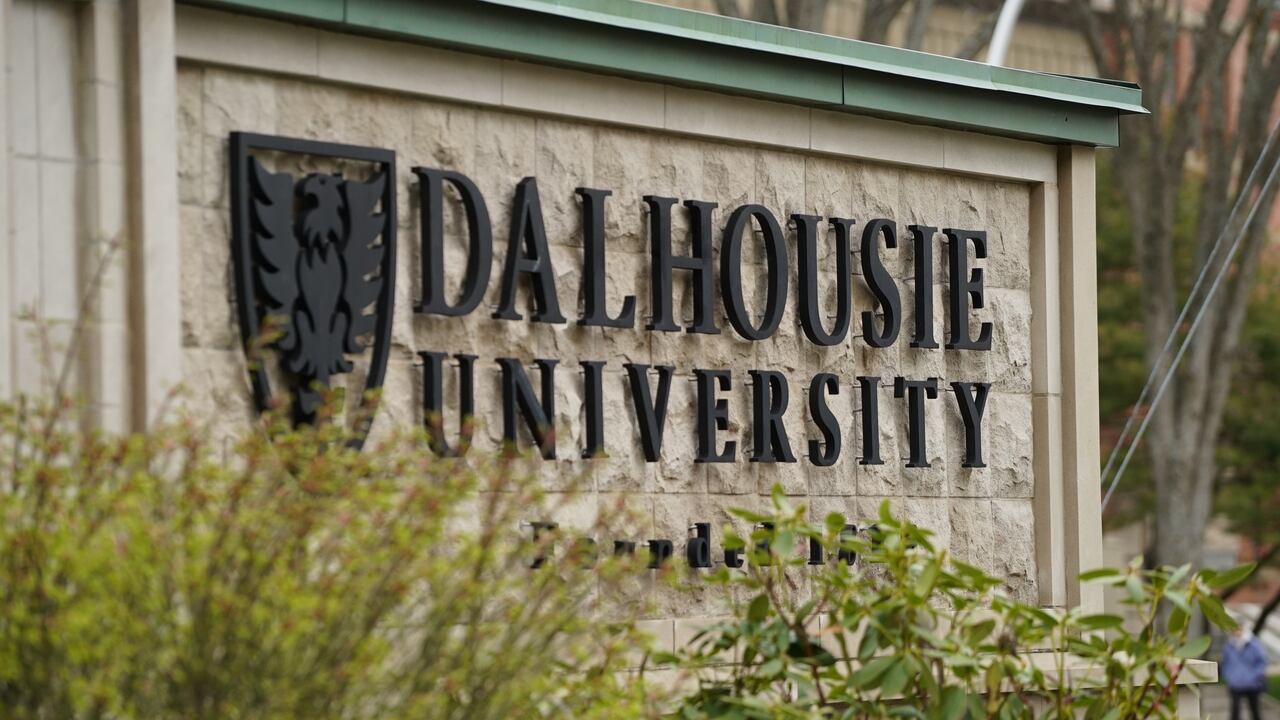
Blanchard says there are five dentistry program seats at Dalhousie University for New Brunswick students. (Eric Woolliscroft/CBC)
"We have a shortage of dental assistants and dental hygienists, and we have an aging population of dentists in the province, so 40 per cent of our dentists are over the age of 50," he said.
"Certainly, in the northern part of the province we have a shortage of dentists, especially.
In northern New Brunswick, some clinics are not accepting new patients, he said.
"So that's a complicating factor with respect to our capacity to provide care."
But in September, Blanchard said, there will be five students from New Brunswick at Dalhousie University's dental program for at least the next five years. He said there has been a gap because of lost funding for these seats, but it's been restored.
There are also three seats for New Brunswick students at Université de Montréal and two at Université Laval.
Blanchard said he's been working with the Department of Health to visit those students and make sure they know they have a place to come back to in their communities.
But hygienist and dental assistant staffing levels are also low.
In the society's survey, Blanchard said 79 per cent of respondents said they were advertising a dental assistant position and 70 per cent said they were looking for a hygienist.
"As a patient, you can take you six months, nine months to get an appointment for hygiene, and we'd certainly like to see you more frequently."
Misunderstandings about dental plan
The Canadian Dental Care Plan provides coverage over a single benefit period ending each year on June 30 and people must renew their coverage each year to make sure they still meet eligibility. The renewal period closed June 1.
People who didn't renew their coverage by June 1 can submit a new application for the 2026-27 year, but there will be a gap in coverage, the federal government website says.
Blanchard said there have been misunderstanding about the program.
One, he said, was that the program would be free. In fact, depending on a person's adjusted family net income, there is a co-payment.
Blanchard said a lot of people didn't realize they had to reapply every year. And if 50 per cent of people didn't get treatment last year, there's a good chance they thought they would still be covered into the new coverage period, he said.
This can lead to a person showing up at their dental office thinking they have coverage, but when the office tries to submit the claim, it doesn't go through.
"What Health Canada is asking us to do is to predetermine or submit in advance to make sure that when you come in, you have coverage, so that they can avoid those things," Blanchard said.
"But that does create a lot of administrative, you know, burden at the dental office."
ABOUT THE AUTHOR

Hannah Rudderham is a reporter with CBC New Brunswick. She grew up in Cape Breton, N.S., and moved to Fredericton in 2018. You can send story tips to hannah.rudderham@cbc.ca.
With files from Information Morning Fredericton