ChatGPT is recommending scam websites that will steal your credit card info (original) (raw)
The chatbot is surfacing fraudulent clones of defunct retail brands, and scammers are deliberately engineering sites to game its recommendations.

Nadeem Sarwar / Digital Trends
Scammers have found a new way to reach shoppers: getting ChatGPT to do their marketing for them. According to The Guardian, scam-checking service Ask Silver found that OpenAI’s chatbot is recommending fraudulent retail websites built to harvest payment details from unsuspecting buyers. The sites mimic real storefronts and use official-looking URLs, making them difficult to spot without scrutiny.
Defunct brands are a prime target
Scammers appear to be deliberately targeting brands that have recently shut down or been acquired, leaving a gap between consumer demand and an official web presence.
Ask Silver’s Anna Jones told The Guardian that Russell & Bromley, the British footwear retailer that went into administration in January 2026, is one example. With no official site remaining after Next absorbed the brand, fraudsters built a convincing clone and optimized it to surface in ChatGPT’s results. Shoppers who ask the chatbot for Russell & Bromley products by name get pointed straight to it.
Jones said one possible explanation is that bad actors have seeded ChatGPT’s training data with content designed to promote fraudulent pages, a technique sometimes called data poisoning.

Pranob Mehrotra / Digital Trends
OpenAI appears to have updated its results for shopping queries related to Russell & Bromley, and it now shows a warning stating, “Several websites currently advertising Russell & Bromley products at 80% appear suspicious and may not be official retailers. Recent reports have highlighted fake Russell & Bromley stores appearing in AI-powered search results.”
A bigger problem as AI takes over shopping
Research published last year found that ChatGPT already struggles to give consistent, reliable product recommendations, but misdirecting users to scam sites is a more serious failure. The problem is likely to grow as AI becomes a more active part of the buying process.
Louise Baxter of the UK’s National Trading Standards told The Guardian that fraudsters adapt quickly to new technology. With agentic AI shopping already in its early stages, the window to address this vulnerability is narrow.

Pranob is a seasoned tech journalist with over eight years of experience covering consumer technology. His work has been…
McDonald’s new AI drive-thru has to prove it can handle hungry people
After its earlier ordering bot became a punchline, McDonald’s is testing a new system that promises fewer human handoffs.

McDonald’s is bringing AI back to the drive-thru with a new Google-backed system called ArchIQ, also known as Archy. It’s starting in five locations under the company’s broader “> NEXT” technology push, with a franchisee claiming the system has already handled more than 1 million orders.
The bigger number is the one McDonald’s needs people to trust. About 90% of those orders reportedly needed no human intervention. That sounds promising, but this is not a clean reset. Its earlier IBM-backed AI drive-thru experiment ended after viral mistakes turned automated ordering into a public punchline.
Logitech’s Mobi Fold is a pocketable folding mouse for folks who despise trackpads
Logitech’s Mobi Fold looks like a tiny productivity taco
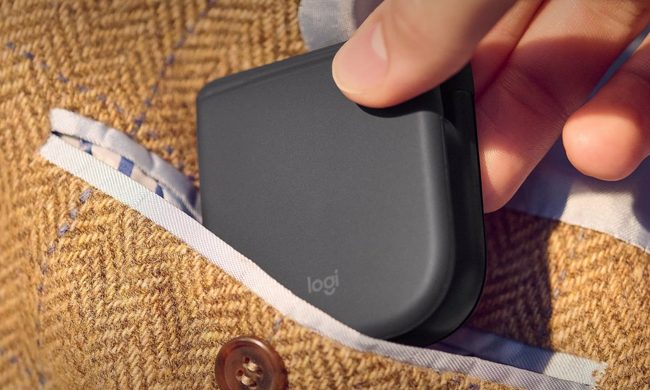
Laptop trackpads are fine until you get really busy. Editing a spreadsheet in an airport lounge, juggling tabs in a café, or trying to do proper work on a tiny hotel desk can make you miss the convenience of a mouse. Logitech has the answer to this with the new Mobi Fold, its first ultra-portable foldable mouse.
While a small portable mouse is something people carry, many choose to skip the added bulk, simply choosing to bite the bullet with the trackpad. But the Logitech Mobi Fold can simply fold flat, and can later be unfolded when you need to work. This makes it pretty convenient to carry. Logitech even made the mouse to automatically power on when opened and turn off when folded.
MacOS Golden Gate gives you a taste of how a touchscreen MacBook will work
The touchscreen MacBook dream is starting to show up inside macOS

Even as Windows laptops turned touchscreen as a part of the premium laptop checklist generations ago, Apple has resisted the touchscreen MacBook for years. However, things might be changing soon. After years of rumors and reports of Apple finally adopting touch input on its PCs, the latest macOS 27 Golden Gate might be the one to finally bring this highly requested feature to reality.
The first beta of the new macOS just dropped, and people are already trying cool new things in it. One of these include a new touchscreen behavior when a Mac is connected wirelessly to an iPad through Sidecar. In macOS 26, users still had to rely on a mouse or trackpad while using Sidecar. But macOS 27 lets users can operate macOS through the iPad’s touchscreen.