Difference Between Aestivation And Hibernation (original) (raw)
Last Updated : 7 Mar, 2023
Aestivation and hibernation are two physiological adaptations that animals use to survive in challenging environments. While both of these phenomena involve the slowing down of an animal's metabolic rate and a decrease in activity, they differ in terms of when and why they occur. Aestivation typically occurs during hot and dry periods, while hibernation occurs during cold and harsh winter months. Additionally, animals that aestivate tend to live in hot and dry environments, such as deserts, while animals that hibernate tend to live in temperate or cold climates. Understanding the differences between these two phenomena is essential for understanding how animals have evolved to survive in different environments and how they cope with environmental stressors.
What is Aestivation?
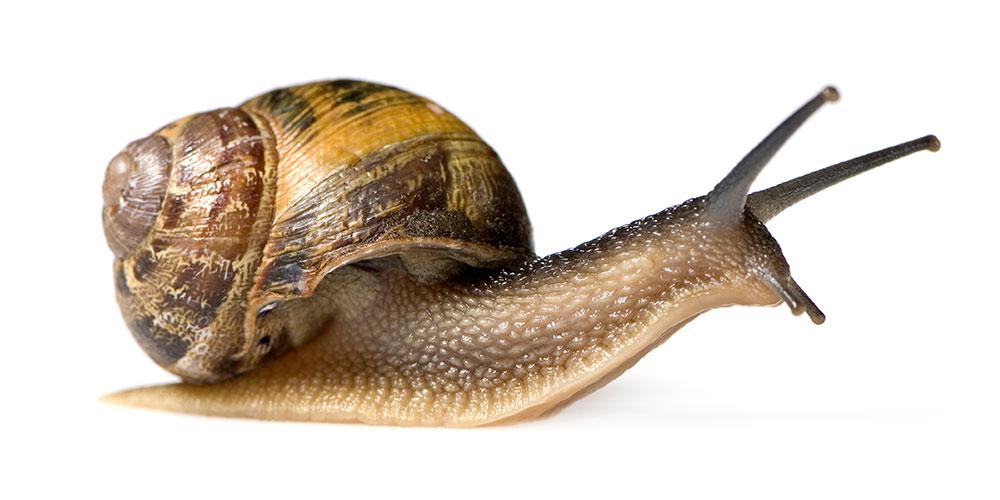
- Aestivation (also spelled "estivation") is a state of dormancy or inactivity that some animals enter into in response to hot or dry conditions, typically during summer.
- Aestivation is similar to hibernation, but whereas hibernation is triggered by cold temperatures and reduced food availability, aestivation is triggered by hot temperatures and water scarcity.
- During aestivation, animals reduce their metabolic activity and conserve water by minimizing their movements, breathing, and other physiological functions. Some animals, such as snails and tortoises, aestivate by burying themselves underground, while others, such as lungfish and certain amphibians, aestivate by creating a cocoon or burrow in mud or sand.
- Aestivation allows animals to survive in hot and dry environments where food and water are scarce, and it is an important adaptation for many species that live in arid regions.
What is Hibernation?
- Hibernation is a state of inactivity and dormancy that enables some animals to survive in cold environments with reduced food availability during the winter months. These animals reduce their metabolic rate, body temperature, and other physiological functions to conserve energy, which allows them to survive on stored fat reserves without eating or drinking for extended periods.
- A variety of animals can hibernate, including bats, bears, rodents, and some species of birds and reptiles. Some animals hibernate in underground burrows or dens, while others prefer hollow trees or other protected locations.
- Hibernation is triggered by environmental changes, including colder temperatures, shorter days, and reduced food availability. Prior to hibernation, animals will eat more food and store fat reserves. They will then enter a state of torpor, which involves a significant decrease in heart rate, breathing rate, and body temperature.
- Some animals may wake up from hibernation occasionally to eat, drink, or defecate, but they will quickly return to torpor.
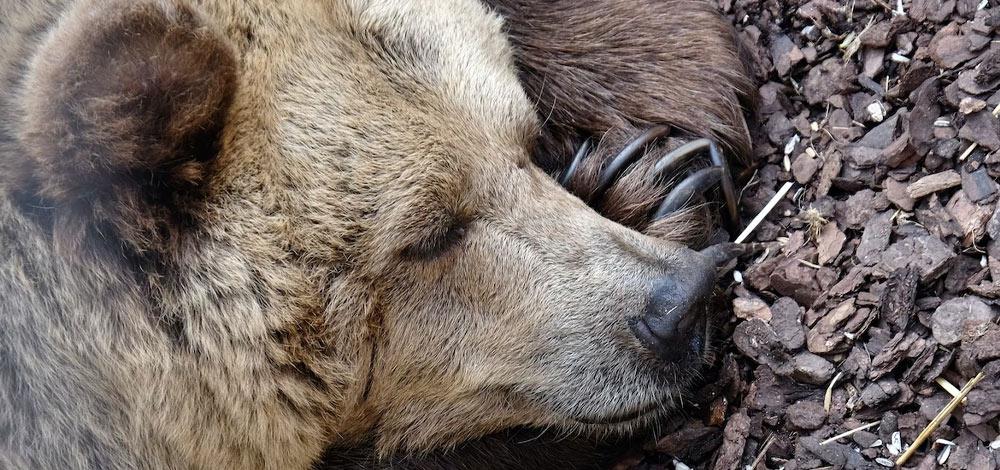
Overall, hibernation is an important adaptation for animals living in cold environments with limited food availability. It allows them to survive through the winter months when other food sources are scarce.
Similarities Between Aestivation And Hibernation:
- Reduced metabolic rate: Both aestivating and hibernating animals have a reduced metabolic rate during their dormant state.
- Decreased activity: Both aestivation and hibernation involve a decrease in activity levels to conserve energy.
- Energy conservation: Both strategies are used by animals to conserve energy during periods of environmental stress, such as drought or winter.
- Adaptations to reduce water loss: Both aestivating and hibernating animals have evolved adaptations to reduce water loss, such as producing a protective mucus layer or sealing themselves in a cocoon.
- Can last for extended periods: Both aestivation and hibernation can last for extended periods, allowing animals to survive harsh conditions until more favorable conditions return.
Difference Between Aestivation And Hibernation:
| | Aestivation | Hibernation | | | ------------------------ | ------------------------------------------------------------------------------------------------------------------------------------- | -------------------------------------------------------------------------------------------------------------------------------------------------- | | Definition | Aestivation is a state of dormancy or inactivity that some animals enter into during hot and dry conditions. | Transpiration is a process by which plants lose water through their leaves. | | Uses | It allows animals to conserve energy and water during periods of environmental stress. | It is an important process for plant growth and development, as it helps to transport water and nutrients from the roots to the rest of the plant. | | Triggering component | Aestivation is triggered by high temperatures, low humidity, and water scarcity. | Transpiration is triggered by environmental factors such as temperature, humidity, and wind. | | Process | Aestivating animals reduce their metabolic activity and physiological functions, such as breathing and digestion, to conserve energy. | During transpiration, plants release water vapor through tiny pores on their leaves called stomata. | | Feature | Aestivating animals may burrow underground or create a cocoon to protect themselves from the hot and dry environment. | Transpiration can also help to regulate plant temperature and prevent overheating. | | Slow metabolic rate | Aestivating animals have a reduced metabolic rate, which helps them conserve energy and water. | Hibernating animals have a reduced metabolic rate. |