What Is a Project Sponsor (original) (raw)
Last Updated : 23 May, 2026
A Project Sponsor is a senior individual within an organization who initiates, supports, and funds a project. The sponsor plays a critical role in ensuring that the project aligns with the organization’s strategic goals and business objectives. They provide high-level guidance, help secure the necessary resources, and support the project team throughout the project lifecycle. In addition, the Project Sponsor authorizes project activities, provides strategic direction and decision-making support, and acts as a key link between senior management and the project team to ensure successful project delivery.
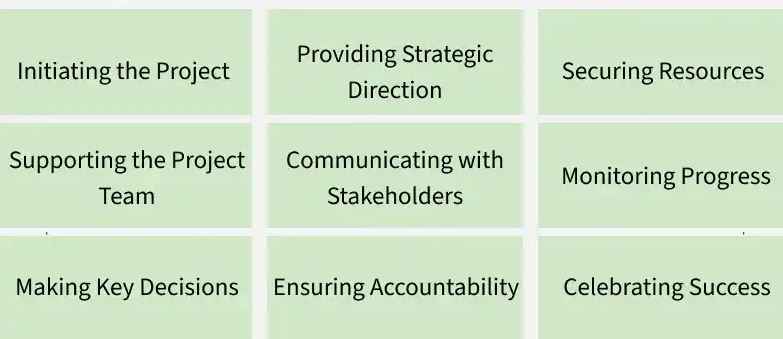
**1. Initiating the Project: The sponsor plays a major role during the early stages of a project. Their key responsibilities include defining the project goals and objectives, approving the project scope, authorizing the project launch, and allocating the initial budget. By carrying out these responsibilities, the sponsor helps establish a clear direction for the project and ensures that it has the necessary support and resources from the beginning.
**2. Providing Strategic Direction: The project sponsor ensures that the project aligns with the organization’s mission, vision, and strategic priorities. They help the project team understand the broader organizational goals, explain how the project contributes to overall business success, and identify the strategic priorities that must be considered throughout the project lifecycle. By providing this direction, the sponsor ensures that the project delivers value to the organization and supports its long-term objectives.
**3. Securing Resources: Project sponsors ensure that the project has access to the resources required for successful completion. These resources may include financial funding, skilled personnel, equipment and technology, and overall organizational support. In addition, the sponsor advocates for the project within the organization to ensure it receives adequate commitment and cooperation from stakeholders and management. By securing and supporting these resources, the sponsor helps create an environment in which the project team can work effectively and achieve project objectives.
**4. Supporting the Project Team: The sponsor provides guidance, leadership, and encouragement to the project team throughout the project lifecycle. They help by removing organizational barriers, resolving high-level issues, providing direction during complex decisions, and supporting the project manager when challenges arise. This ongoing support helps the team remain motivated, focused, and aligned with the project goals, ultimately contributing to the successful delivery of the project.
**5. Communicating with Stakeholders: Project sponsors maintain effective communication with senior management, clients, and other stakeholders throughout the project lifecycle. Their responsibilities include sharing project progress updates, communicating key achievements and milestones, addressing stakeholder concerns, and ensuring transparency in all project activities. Through clear and consistent communication, sponsors help build stakeholder confidence, encourage collaboration, and support informed decision-making.
**6. Monitoring Project Progress: Project sponsors regularly review project performance to ensure that the project remains within its approved scope, schedule, and budget. They monitor progress by reviewing project reports, attending project meetings, evaluating key performance indicators, and identifying potential risks or emerging issues. Through continuous oversight, sponsors help ensure that the project stays on track and that any challenges are addressed promptly to support successful project outcomes
**7. Making Key Decisions: Project sponsors are responsible for making major strategic decisions that influence the direction and success of the project. These decisions may involve approving changes to the project scope or budget, resolving conflicts, addressing major risks, and determining project priorities. By making informed and timely decisions, sponsors help ensure that the project continues to align with organizational objectives and can adapt effectively to challenges or changing business needs
**8. Ensuring Accountability: The project sponsor ensures that the project team remains accountable for achieving the established project goals and objectives. They verify that project processes follow organizational standards, quality requirements are consistently met, and project deliverables achieve the expected outcomes. By maintaining oversight and accountability, the sponsor helps ensure that the project delivers value and meets the organization’s expectations successfully.
**9. Celebrating Project Success: Once the project is completed, the sponsor acknowledges the contributions of the project team and celebrates the successful completion of the project. This may include organizing project closure events, recognizing team achievements, and documenting lessons learned for future projects. By appreciating the team’s efforts and reviewing project experiences, the sponsor helps promote motivation, continuous improvement, and organizational learning for future initiatives.
| Parameter | Project Sponsor | Project Stakeholder |
|---|---|---|
| Responsibility | Senior leader responsible for funding and overall project success. | Individuals or groups who have an interest in or are affected by the project. |
| Authority | Has strong authority and final decision-making power. | May influence decisions but usually lacks final authority. |
| Financial Investment | Provides or approves project funding. | May be financially affected but typically does not fund the project. |
| Accountability | Ultimately accountable for project success or failure. | Responsible only for their specific role or input. |
| Involvement | Involved throughout the entire project lifecycle. | Level of involvement varies depending on interest or role. |
| Risk | Oversees strategic risk management. | May be impacted by risks but usually not responsible for managing them. |
| Communication | Communicates project progress to senior management and stakeholders. | Receives updates or provides feedback when required. |
| Long-Term Engagement | Often involved from project initiation to long-term benefits realization. | May disengage after project completion or once their role ends. |
| Parameter | Project Sponsor | Project Manager |
|---|---|---|
| Scope | Focuses on strategic alignment with organizational goals. | Focuses on operational execution of the project. |
| Role | Provides funding, strategic direction, and oversight. | Manages daily project activities and execution. |
| Decision-Making | Makes high-level strategic decisions. | Makes operational decisions related to tasks and schedules. |
| Communication | Communicates project vision and outcomes to executives and stakeholders. | Communicates daily progress, risks, and issues to stakeholders. |
| Risk Management | Oversees strategic risk management and major risk decisions. | Identifies and manages operational project risks. |
| Team Leadership | Provides high-level support and motivation. | Directly leads and manages the project team. |
| Involvement | Engaged throughout the project lifecycle at a strategic level. | Actively involved in day-to-day project activities. |
| Parameter | Project Sponsor | Project Owner |
|---|---|---|
| Authority | Approves funding and strategic decisions. | Responsible for project deliverables and requirements. |
| Financial Role | Provides financial resources for the project. | Focuses more on project outcomes than financial management. |
| Stakeholder Representation | Represents organizational interests and strategic objectives. | Represents user or customer needs. |
| Risk Management | Oversees strategic risk and long-term project impact. | Focuses on risks related to deliverables and requirements. |
| Oversight | Provides high-level project oversight. | More involved in ensuring outputs meet requirements. |
| Accountability | Accountable for project success at an organizational level. | Accountable for ensuring project results meet expected requirements. |
| Resource Allocation | Approves major resource allocations. | May provide input on resources related to deliverables. |
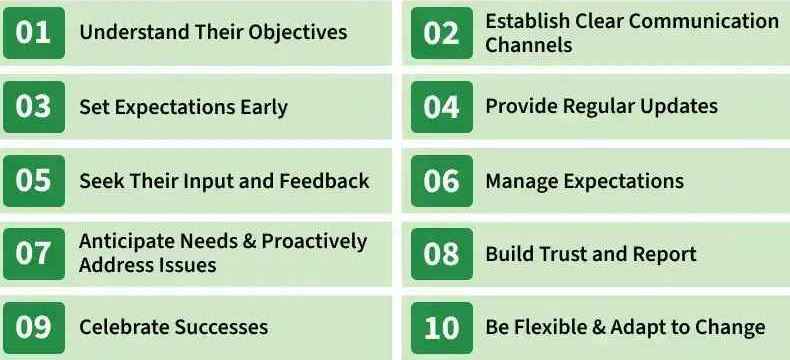
- **Understand Their Objectives: Learn the sponsor’s goals, expectations, and strategic priorities to align project activities with organizational needs.
- **Establish Clear Communication: Maintain regular communication through meetings, reports, and updates to keep the sponsor informed about project progress.
- **Set Expectations Early: Clearly define roles, responsibilities, and decision-making authority at the beginning of the project.
- **Provide Regular Updates: Share progress reports, milestones, risks, and changes to keep the sponsor engaged and informed.
- **Seek Their Feedback: Consult the sponsor when making important decisions or planning major project changes.
- **Manage Expectations: Be transparent about project limitations such as budget, time constraints, or potential risks.
- **Anticipate Issues: Identify potential challenges early and present solutions before problems escalate.
- **Build Trust: Develop a strong professional relationship based on reliability, transparency, and mutual respect.
- **Celebrate Achievements: Recognize project milestones and successes with the sponsor to maintain team motivation and morale.
- **Be Flexible: Adapt to changes in priorities or strategies and collaborate with the sponsor to adjust the project plan accordingly.