Effects of Oxidation Reactions in Everyday Life (original) (raw)
Last Updated : 6 Apr, 2026
An oxidation reaction is a type of chemical reaction in which a substance loses electrons. Oxidation is the loss of electrons by a substance during a chemical reaction.
**Key Points
1. It often occurs together with reduction (gain of electrons).
2. In many cases, oxidation also means the following:
- Addition of oxygen, or
- Removal of hydrogen
The oxidation process can be observed in many common situations around us. Some important examples of oxidation in everyday life are:
1) Corrosion
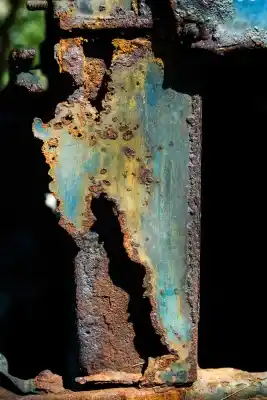
- Corrosion is a slow process in which the surfaces of metallic objects become coated with the metal's oxides, hydroxide, carbonate, or sulphide.
- Metal is destroyed as a result of chemical or electrochemical reactions with the environment.
- Corrosion is also defined as the gradual deterioration of metal surfaces caused by the action of air, moisture, or a chemical on them.
- It deteriorates (damages) buildings, bridges, ships, and metal objects, particularly iron.
**Example:
- Development of green coating on copper
- Tarnishing of silver
- Rusting of iron
Corrosion of some metals is listed below:
- **Copper: When exposed to a humid environment, copper articles develop a coating of green copper carbonate.
- **Silver: Silver loses its luster and develops a black coating on its surface. This is because it oxidizes to silver sulfide when it reacts with hydrogen sulfide in the air. This occurrence is also referred to as tarnishing silver.
- **Iron: Rusting of iron metal is the most common type of corrosion. When an iron object is exposed to moist air for an extended period of time, its surface becomes coated with rust, a brown, flaky, non-sticky substance.
2) Rancidity

- Oxidation is harmful to our food and food items.
- Atmospheric oxidation degrades stored foods containing fats and oils, rendering them unfit for human consumption.
- Foods containing fats and oils develop unpleasant odors and bad tastes after a long period of storage due to aerial oxidation of fats and oils.
- Rancidity refers to the slow aerial oxidation of fats and oils, which results in an unpleasant odor and taste.
- These fats and oils are referred to as 'rancid.'
- Rancid fats and oils have an unpleasant odor and taste, and as a result, rancid foodstuffs should not be used because they are harmful to the human body; rancidity in foodstuffs is undesirable and must be controlled.
**Example: chips, butter, and fried food become rancid if they are exposed to air for many days.
3) Combustion
- Combustion is a type of oxidation in which a substance reacts quickly with oxygen and releases heat and light.
- It usually occurs when a fuel burns in the presence of oxygen.
- Combustion reactions are critical in daily life because they provide energy for many activities.
**Example: when wood, coal, petrol, or LPG gas burns, it reacts with oxygen in the air and produces heat and light. The burning of LPG in a gas stove for cooking and petrol in vehicle engines are common examples of combustion.
4) Respiration
- Respiration is a biological process in which food substances are slowly oxidized inside the body to release energy needed for life processes.
- In this process, glucose reacts with oxygen and produces energy, carbon dioxide, and water.
**Example: humans and animals breathe in oxygen from the air. This oxygen helps in the oxidation of food in the body cells, which releases energy required for activities like walking, running, and thinking.