Difference between Cloud Computing and Virtualization (original) (raw)
Last Updated : 5 Mar, 2026
Cloud computing and virtualization are two fundamental concepts essential to modern IT infrastructure management. While they are often discussed together (and rely on each other), they serve diverse functions and provide unique operational benefits to a business.
What is Virtualization?
Virtualization is the core technology that serves as the establishment (foundation) of cloud computing. It empowers a single physical hardware framework to generate multiple, continuous digital environments.
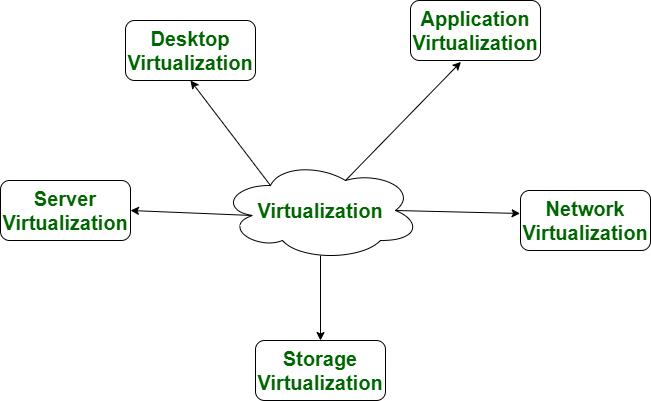
**The Hypervisor: This is the essential software component that sits directly on the physical hardware, splitting it up to create several Virtual Machines (VMs).
**Isolation: Every VM functions distinctly and independently. They do not interfere with one another, allowing different environments to run on the same physical server safely.
**Types of Virtualization:
- **Hardware Virtualization: The real, underlying physical hardware is separated into several distinct virtual machines.
- **Application Virtualization: Programs are executed independently of the underlying hardware.
What is Cloud Computing?
Cloud computing is a highly accessible, **client-server computing architecture. Instead of relying on a single physical machine you own, resources are centralized and delivered over the internet.
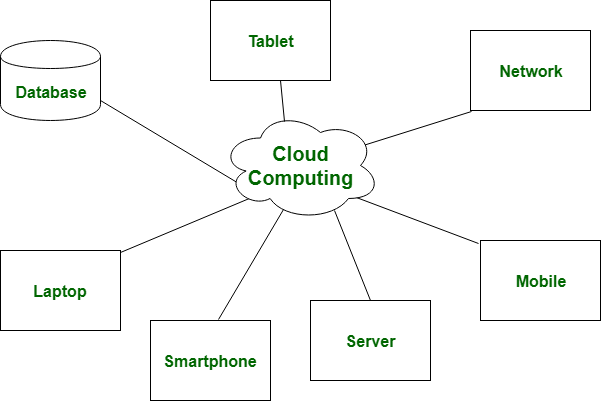
- **The Service Model: It acts as a powerful business tool that provides pooled, automated resources that users can access entirely on-demand.
- **Pricing Model: Cloud computing utilizes a **pay-as-you-go model. Consumption is the metric for billing, meaning users only pay for exactly what they use.
- **Types of Cloud Computing: The two primary categories are **Public Cloud and **Private Cloud.
Cloud Computing vs. Virtualization: Key Differences
While virtualization is the software that manipulates hardware, cloud computing is the service that delivers that manipulated hardware to end-users. Here is how they differ:
**A. Scalability and Flexibility
- **Cloud Computing: Highly scalable and highly flexible. Because it pools resources from countless servers, it provides virtually unlimited storage space and computing power.
- **Virtualization: Has low scalability and is less flexible compared to the cloud. Your growth and storage space are strictly limited by the physical capacity of the specific server you own.
**B. Setup and Infrastructure
- **Cloud Computing: The initial setup and architecture behind the scenes is tedious and complicated. It requires many dedicated hardware systems working together to consolidate server capacity.
- **Virtualization: Setup is relatively simple. A single dedicated hardware device can do a great job of hosting multiple simulated environments on-demand.
**C. Workload and Configuration
- **Cloud Computing: Workloads are generally stateless, and configurations are image-based (e.g., launching an identical server image).
- **Virtualization: Workloads are typically stateful, and configurations are template-based.
**D. Cost Structure
- **Cloud Computing: The total long-term cost is generally higher, but it requires no upfront investment due to the consumption-based billing.
- **Virtualization: The overall cost is lower, but pricing is entirely dependent on your upfront infrastructure (hardware) costs.
Disaster Recovery Architecture
Disaster recovery (DR) strategies look very different depending on which model you rely on:
- **Cloud Computing: Improves disaster recovery by spreading resources out over many computers and geographic locations. It guarantees that data and services remain accessible even if an entire localized site fails.
- **Virtualization: Relies heavily on a single peripheral device or single dedicated hardware. It is highly effective for localized recovery but carries the risk of the primary hardware failing completely.
When to Use What?
- **Choose Cloud Computing if: Your organization wants to use massive, highly available resources without making large upfront hardware commitments. It is perfect for businesses prioritizing rapid scalability and geographical flexibility.
- **Choose Virtualization if: You are running a smaller-scale implementation. It provides affordable, autonomous virtual environments, allowing you to maximize the utility of the hardware you already own without paying ongoing cloud consumption fees.
- _(Note: You can easily have virtualization without having cloud computing, but you cannot have cloud computing without virtualization).