Bottom View of a Binary Tree (original) (raw)
Last Updated : 6 Oct, 2025
Given the **root of a binary tree, find the **bottom view of the tree as a list of node values in order of increasing horizontal distance(HD).
- The root has HD = 0.
- The left child decreases HD by 1, and the right child increases HD by 1.
- If multiple nodes share the same HD and depth, select the node that appears later in level-order traversal.
Return the values of these nodes from the leftmost to the rightmost horizontal distance.
**Examples:
**Input:
**Output: [4, 2, 5, 3, 6]
**Explanation:
**Input:
**Output: [5, 10, 4, 28, 25]
**Explanation: Here, 14 and 28 both have horizontal distance = 1 from root, but we are taking 28 in our answer as 28 appears later in the level order traversal.
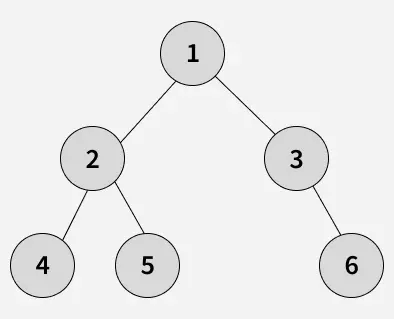
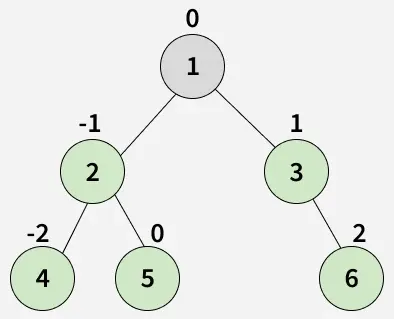
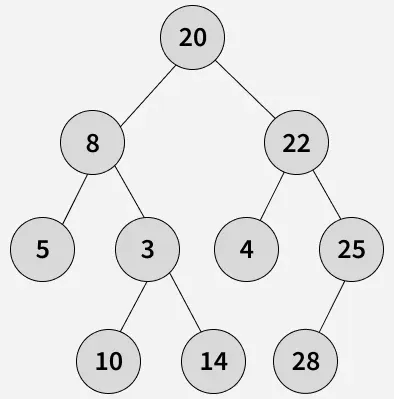
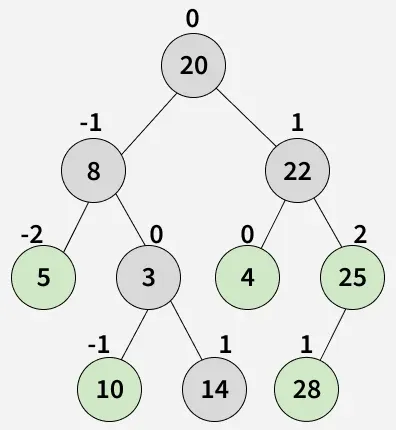

Table of Content
- [Expected Approach - 1] Using DFS - O(n) Time and O(n) Space
- [Expected Approach - 2] Using BFS- O(n) Time and O(n) Space
[Expected Approach - 1] Using DFS - O(n) Time and O(n) Space
The idea is to create a hashmap to store the horizontal distance and the bottom-most node having that horizontal distance wrt root node.
During DFS, if we encounter a node whose horizontal distance is not present in the map, add it to the map. If we encounter a node whose horizontal distance already exists as a key in the map:
- Choose the node with greater depth.
- If both nodes have the same depth, choose the current node, because it appears later in level order traversal.
C++ `
#include #include #include using namespace std;
// Node Structure class Node { public: int data; Node* left; Node* right;
Node(int x) {
    data = x;
    left = right = NULL;
}
};
int minHD, maxHD;
// DFS function to fill hdMap with bottom-most // nodes at each horizontal distance void dfs(Node* root, int hd, int depth, unordered_map<int, pair<int, int>>& hdMap) { if (root == NULL) return;
minHD = min(minHD, hd);
maxHD = max(maxHD, hd);

// If this horizontal distance is
// being visited for the first time or
// we're at a deeper level, update it
if (hdMap.find(hd) == hdMap.end() || depth >= hdMap[hd].second) {
    hdMap[hd] = {root->data, depth};
}

dfs(root->left, hd - 1, depth + 1, hdMap);
dfs(root->right, hd + 1, depth + 1, hdMap);
}
// Returns the bottom view of a binary tree vector bottomView(Node* root) { if (root == NULL) return {};
minHD=0, maxHD=0;

// Map to store the last node's data and its depth
// at each horizontal distance
unordered_map<int, pair<int,int>> hdMap;

dfs(root, 0, 0, hdMap);

vector<int> result;

// Iterate through horizontal distances
// in range from min HD to max HD
for (int hd = minHD; hd <= maxHD; hd++) {
    result.push_back(hdMap[hd].first);
}

return result;
}
int main() {
// Create binary tree
// 20
// /
// 8 22
// / \
// 5 3 25
// / \ /
// 10 14 28
Node* root = new Node(20);
root->left = new Node(8);
root->right = new Node(22);
root->left->left = new Node(5);
root->left->right = new Node(3);
root->right->left = new Node(4);
root->left->right->left = new Node(10);
root->left->right->right = new Node(14);
root->right->right = new Node(25);
root->right->right->left = new Node(28);

minHD = 0; maxHD = 0;

vector<int> result = bottomView(root);

for (int val : result) {
    cout << val << " ";
}
}
Java
import java.util.List; import java.util.ArrayList; import java.util.Map; import java.util.HashMap;
// Node Structure class Node { int data; Node left, right;
Node(int x) {
    data = x;
    left = right = null;
}
}
class GFG { static int minHD, maxHD;
// DFS function to fill hdMap with bottom-most nodes at each horizontal distance
static void dfs(Node root, int hd, int depth,
                        Map<Integer, Pair> hdMap) {
    if (root == null) return;

    minHD = Math.min(minHD, hd);
    maxHD = Math.max(maxHD, hd);

    // If this horizontal distance is
    // being visited for the first time or
    // we're at a deeper level, update it
    if (!hdMap.containsKey(hd)
              || depth >= hdMap.get(hd).depth) {
        hdMap.put(hd, new Pair(root.data, depth));
    }

    dfs(root.left, hd - 1, depth + 1, hdMap);
    dfs(root.right, hd + 1, depth + 1, hdMap);
}

// Returns the bottom view of a binary tree
static ArrayList<Integer> bottomView(Node root) {
    if (root == null) return new ArrayList<>();

    minHD = 0;
    maxHD = 0;

    // Map to store the last node's data and its depth
    // at each horizontal distance (HD)
    Map<Integer, Pair> hdMap = new HashMap<>();

    dfs(root, 0, 0, hdMap);

    ArrayList<Integer> result = new ArrayList<>();

    // Iterate through horizontal distances
    // in range from min HD to max HD
    for (int hd = minHD; hd <= maxHD; hd++ ) {
        result.add(hdMap.get(hd).data);
    }

    return result;
}

// Pair class to store
// node data and its depth
static class Pair {
    int data, depth;

    Pair(int data, int depth) {
        this.data = data;
        this.depth = depth;
    }
}

public static void main(String[] args) {

    // Create binary tree
    //       20
    //      /  \
    //    8     22
    //   / \     \
    //  5   3     25
    //     / \    /
    //    10 14  28

    Node root = new Node(20);
    root.left = new Node(8);
    root.right = new Node(22);
    root.left.left = new Node(5);
    root.left.right = new Node(3);
    root.right.left = new Node(4);
    root.left.right.left = new Node(10);
    root.left.right.right = new Node(14);
    root.right.right = new Node(25);
    root.right.right.left = new Node(28);

    minHD = 0; maxHD = 0;

    ArrayList<Integer> result = bottomView(root);

    for (int val : result) {
      System.out.print(val + " ");
  }
}
}
Python
Node Structure
class Node: def init(self, x): self.data = x self.left = None self.right = None
Pair class to store
node data and its depth
class Pair: def init(self, data, depth): self.data = data self.depth = depth
minHD = 0 maxHD = 0
DFS function to fill hdMap with bottom-most nodes
at each horizontal distance
def dfs(root, hd, depth, hdMap): global minHD, maxHD if root is None: return
minHD = min(minHD, hd)
maxHD = max(maxHD, hd)

# If this horizontal distance is
# being visited for the first time or
# we're at a deeper level, update it
if hd not in hdMap or depth >= hdMap[hd].depth:
    hdMap[hd] = Pair(root.data, depth)

dfs(root.left, hd - 1, depth + 1, hdMap)
dfs(root.right, hd + 1, depth + 1, hdMap)
Returns the bottom view of a binary tree
def bottomView(root): if root is None: return []
global minHD, maxHD
minHD = 0
maxHD = 0

# Map to store the last node's data and its depth
# at each horizontal distance (HD)
hdMap = {}

dfs(root, 0, 0, hdMap)

result = []

# Iterate through horizontal distances
# in range from min HD to max HD
for hd in range(minHD, maxHD + 1):
    result.append(hdMap[hd].data)

return result
if name == "main":
# Create binary tree
#       20
#      /  \
#    8     22
#   / \     \
#  5   3     25
#     / \    /
#    10 14  28

root = Node(20)
root.left = Node(8)
root.right = Node(22)
root.left.left = Node(5)
root.left.right = Node(3)
root.right.left = Node(4)
root.left.right.left = Node(10)
root.left.right.right = Node(14)
root.right.right = Node(25)
root.right.right.left = Node(28)

minHD = 0
maxHD = 0

result = bottomView(root)

print(*result)
C#
using System; using System.Collections.Generic;
// Node Structure class Node { public int data; public Node left, right;
public Node(int x) {
    data = x;
    left = right = null;
}
}
class GFG { static int minHD, maxHD;
// DFS function to fill hdMap with bottom-most
// nodes at each horizontal distance
static void dfs(Node root, int hd, int depth, Dictionary<int, Pair> hdMap) {
    if (root == null) return;

    minHD = Math.Min(minHD, hd);
    maxHD = Math.Max(maxHD, hd);

    // If this horizontal distance is
    // being visited for the first time or
    // we're at a deeper level, update it
    if (!hdMap.ContainsKey(hd) || depth >= hdMap[hd].depth) {
        hdMap[hd] = new Pair(root.data, depth);
    }

    dfs(root.left, hd - 1, depth + 1, hdMap);
    dfs(root.right, hd + 1, depth + 1, hdMap);
}

// Returns the bottom view of a binary tree
static List<int> bottomView(Node root) {
    if (root == null) return new List<int>();

    minHD = 0;
    maxHD = 0;

    // Map to store the last node's data and its depth
    // at each horizontal distance (HD)
    Dictionary<int, Pair> hdMap = new Dictionary<int, Pair>();

    dfs(root, 0, 0, hdMap);

    List<int> result = new List<int>();

    // Iterate through horizontal distances
    // in range from min HD to max HD
    for (int hd = minHD; hd <= maxHD; hd++) {
        result.Add(hdMap[hd].data);
    }

    return result;
}

// Pair class to store
// node data and its depth
class Pair {
    public int data, depth;

    public Pair(int data, int depth) {
        this.data = data;
        this.depth = depth;
    }
}

public static void Main(string[] args) {

    // Create binary tree
    //       20
    //      /  \
    //    8     22
    //   / \     \
    //  5   3     25
    //     / \    /
    //    10 14  28

    Node root = new Node(20);
    root.left = new Node(8);
    root.right = new Node(22);
    root.left.left = new Node(5);
    root.left.right = new Node(3);
    root.right.left = new Node(4);
    root.left.right.left = new Node(10);
    root.left.right.right = new Node(14);
    root.right.right = new Node(25);
    root.right.right.left = new Node(28);

    minHD = 0; maxHD = 0;

    List<int> result = bottomView(root);

    foreach (int val in result) {
      Console.Write(val + " ");
    }
}
}
JavaScript
// Node Structure class Node { constructor(x) { this.data = x; this.left = null; this.right = null; } }
// Pair class to store // node data and its depth class Pair { constructor(data, depth) { this.data = data; this.depth = depth; } }
let minHD = 0; let maxHD = 0;
// DFS function to fill hdMap with bottom-most // nodes at each horizontal distance function dfs(root, hd, depth, hdMap) { if (root === null) return;
minHD = Math.min(minHD, hd);
maxHD = Math.max(maxHD, hd);

// If this horizontal distance is new
// or we're at a deeper level, update it
if (!hdMap.has(hd) || depth >= hdMap.get(hd).depth) {
    hdMap.set(hd, new Pair(root.data, depth));
}

dfs(root.left, hd - 1, depth + 1, hdMap);
dfs(root.right, hd + 1, depth + 1, hdMap);
}
// Returns the bottom view of a binary tree function bottomView(root) { if (root === null) return [];
minHD = 0;
maxHD = 0;

// Map to store the last node's data and its depth
// at each horizontal distance
let hdMap = new Map();
dfs(root, 0, 0, hdMap);

let result = [];

// Iterate through horizontal distances
// in range from minHD to maxHD
for (let hd = minHD; hd <= maxHD; hd++) {
    result.push(hdMap.get(hd).data);
}

return result;
}
// Driver code
// Create binary tree
// 20
// /
// 8 22
// / \
// 5 3 25
// / \ /
// 10 14 28
let root = new Node(20); root.left = new Node(8); root.right = new Node(22); root.left.left = new Node(5); root.left.right = new Node(3); root.right.left = new Node(4); root.left.right.left = new Node(10); root.left.right.right = new Node(14); root.right.right = new Node(25); root.right.right.left = new Node(28);
let result = bottomView(root); console.log(...result);
`
[Expected Approach - 2] Using BFS - O(n) Time and O(n) Space
The idea is to do BFS while maintaining a map for horizontal distance (key) and the last node (value). The value for a certain distance is updated as we progress in the level order traversal.
C++ `
#include #include #include #include using namespace std;
// Node Structure class Node { public: int data; Node* left; Node* right;
Node(int x) {
    data = x;
    left = right = nullptr;
}
};
vector bottomView(Node* root) { if (!root) return {};
// Map to store the last node's data
// at each horizontal distance
unordered_map<int, int> hash;
int minHD = 0, maxHD = 0;

// Queue for level order traversal
// storing <node, horizontal distance>
queue<pair<Node*, int>> q;
q.push({root, 0});

while (!q.empty()) {
    auto front = q.front();
    q.pop();

    Node* node = front.first;
    int hd = front.second;

    // Update the horizontal distance -> node data
    hash[hd] = node->data;

    minHD = min(minHD, hd);
    maxHD = max(maxHD, hd);

    if (node->left)
        q.push({node->left, hd - 1});
    if (node->right)
        q.push({node->right, hd + 1});
}

vector<int> ans;
for (int i = minHD; i <= maxHD; i++)
    ans.push_back(hash[i]);

return ans;
}
int main() {
// Create binary tree
// 20
// /
// 8 22
// / \
// 5 3 25
// / \ /
// 10 14 28
Node* root = new Node(20);
root->left = new Node(8);
root->right = new Node(22);
root->left->left = new Node(5);
root->left->right = new Node(3);
root->right->left = new Node(4);
root->left->right->left = new Node(10);
root->left->right->right = new Node(14);
root->right->right = new Node(25);
root->right->right->left = new Node(28);
vector<int> result = bottomView(root);

for (int val : result) {
    cout << val << " ";
}
}
Java
import java.util.List; import java.util.ArrayList; import java.util.Map; import java.util.HashMap; import java.util.Queue; import java.util.LinkedList; import java.util.Arrays;
// Node Structure class Node { int data; Node left, right;
Node(int x) {
    data = x;
    left = right = null;
}
}
class GFG { static ArrayList bottomView(Node root) { if (root == null) return new ArrayList<>();
    // HashMap to store
    // <vertical_index, node data>
    HashMap<Integer, Integer> hash = new HashMap<>();

    int minHD = 0;
    int maxHD = 0;

    // Queue for level order traversal
    // with pair<Node, vertical index>
    Queue<List<Object>> q = new LinkedList<>();

    q.offer(Arrays.asList(root, 0));

    while (!q.isEmpty()) {

        List<Object> top = q.poll();

        Node node = (Node) top.get(0);
        int hd = (Integer) top.get(1);

        // Update the horizontal distance -> node data
        hash.put(hd, node.data);

        minHD = Math.min(minHD, hd);
        maxHD = Math.max(maxHD, hd);

        if (node.left != null) {
            q.offer(Arrays.asList(node.left, hd - 1));
        }

        if (node.right != null) {
            q.offer(Arrays.asList(node.right, hd + 1));
        }
    }

    ArrayList<Integer> ans = new ArrayList<>();
    for (int i = minHD; i <= maxHD; i++) {
        ans.add(hash.get(i));
    }

    return ans;
}


public static void main(String[] args) {

    // Create binary tree
    //       20
    //      /  \
    //    8     22
    //   / \     \
    //  5   3     25
    //     / \    /
    //    10 14  28
    Node root = new Node(20);
    root.left = new Node(8);
    root.right = new Node(22);
    root.left.left = new Node(5);
    root.left.right = new Node(3);
    root.right.left = new Node(4);
    root.left.right.left = new Node(10);
    root.left.right.right = new Node(14);
    root.right.right = new Node(25);
    root.right.right.left = new Node(28);

    ArrayList<Integer> result = bottomView(root);

    for (int val : result) {
        System.out.print(val + " ");
    }
}
}
Python
from collections import deque
Node Structure
class Node: def init(self, x): self.data = x self.left = None self.right = None
def bottomView(root):
if root is None:
    return []

# HashMap to store
# <vertical_index, node data>
hash = {}

minHD = 0
maxHD = 0

# Queue for level order traversal
# with pair<Node, vertical index>
q = deque()

q.append([root, 0])

while q:
    top = q.popleft()

    node = top[0]
    hd = top[1]

    # Update the horizontal distance -> node data
    hash[hd] = node.data

    minHD = min(minHD, hd)
    maxHD = max(maxHD, hd)

    if node.left is not None:
        q.append([node.left, hd - 1])

    if node.right is not None:
        q.append([node.right, hd + 1])

ans = []
for i in range(minHD, maxHD + 1):
    ans.append(hash[i])

return ans
if name == "main":
# Create binary tree
# 20
# /
# 8 22
# / \
# 5 3 25
# / \ /
# 10 14 28
root = Node(20)
root.left = Node(8)
root.right = Node(22)
root.left.left = Node(5)
root.left.right = Node(3)
root.right.left = Node(4);
root.left.right.left = Node(10)
root.left.right.right = Node(14)
root.right.right = Node(25)
root.right.right.left = Node(28);

result = bottomView(root)
print(*result)
C#
using System; using System.Collections.Generic;
// Node Structure class Node { public int data; public Node left, right;
public Node(int x) {
    data = x;
    left = right = null;
}
}
class GFG { static List bottomView(Node root) {
    if (root == null) return new List<int>();

    // HashMap to store
    // <vertical_index, node data>
    Dictionary<int, int> hash = new Dictionary<int, int>();

    int minHD = 0;
    int maxHD = 0;

    // Queue for level order traversal
    // with pair<Node, vertical index>
    Queue<List<object>> q = new Queue<List<object>>();

    q.Enqueue(new List<object>{root, 0});

    while (q.Count > 0) {

        List<object> top = q.Dequeue();

        Node node = (Node) top[0];
        int hd = (int) top[1];

        // Update the horizontal distance -> node data
        hash[hd] = node.data;

        minHD = Math.Min(minHD, hd);
        maxHD = Math.Max(maxHD, hd);

        if (node.left != null) {
            q.Enqueue(new List<object>{node.left, hd - 1});
        }

        if (node.right != null) {
            q.Enqueue(new List<object>{node.right, hd + 1});
        }
    }

    List<int> ans = new List<int>();
    for (int i = minHD; i <= maxHD; i++) {
        ans.Add(hash[i]);
    }

    return ans;
}

static void Main(string[] args) {

    // Create binary tree
    //       20
    //      /  \
    //    8     22
    //   / \     \
    //  5   3     25
    //     / \    /
    //    10 14  28
    Node root = new Node(20);
    root.left = new Node(8);
    root.right = new Node(22);
    root.left.left = new Node(5);
    root.left.right = new Node(3);
    root.right.left = new Node(4);
    root.left.right.left = new Node(10);
    root.left.right.right = new Node(14);
    root.right.right = new Node(25);
    root.right.right.left = new Node(28);

    List<int> result = bottomView(root);

    foreach (int val in result) {
        Console.Write(val + " ");
    }
}
}
JavaScript
// Node Structure class Node { constructor(x) { this.data = x; this.left = null; this.right = null; } }
function bottomView(root) {
if (root === null) return [];

// HashMap to store
// <vertical_index, node data>
let hash = new Map();

let minHD = 0;
let maxHD = 0;

// Queue for level order traversal
// with pair<Node, vertical index>
let q = [];

q.push([root, 0]);

while (q.length > 0) {
    let top = q.shift();

    let node = top[0];
    let hd = top[1];

    // Update the horizontal distance -> node data
    hash.set(hd, node.data);

    minHD = Math.min(minHD, hd);
    maxHD = Math.max(maxHD, hd);

    if (node.left !== null) {
        q.push([node.left, hd - 1]);
    }

    if (node.right !== null) {
        q.push([node.right, hd + 1]);
    }
}

let ans = [];
for (let i = minHD; i <= maxHD; i++) {
    ans.push(hash.get(i));
}

return ans;
}
// Driver code
// Create binary tree
// 20
// /
// 8 22
// / \
// 5 3 25
// / \ /
// 10 14 28
let root = new Node(20); root.left = new Node(8); root.right = new Node(22); root.left.left = new Node(5); root.left.right = new Node(3); root.right.left = new Node(4); root.left.right.left = new Node(10); root.left.right.right = new Node(14); root.right.right = new Node(25); root.right.right.left = new Node(28);
let result = bottomView(root); console.log(...result);
`