Ceil in a BST (original) (raw)
Last Updated : 31 Jan, 2026
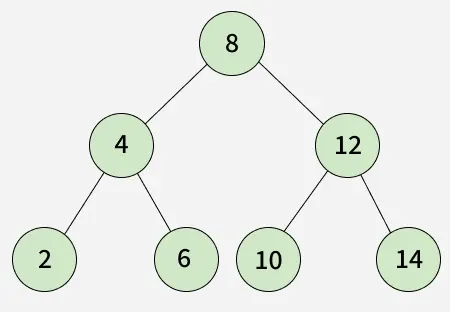
Given a Binary Search Tree and a value **x, find the ceil value of x .Ceil means the smallest node value greater than or equal to the x.
**Example:
**Input: x=11
**Output: 12
**Explanation: 12 is the smallest value greater than or equal to 11.**Input: x=4
**Output: 4

[Approach 1] Using Recursion - O(h) Time and O(h) Space
The idea is to find the ceil value recursively: if the current node’s value is greater than or equal to
x, consider it as a answer and move left for a closer value; otherwise, move right to search for a larger value.
**Steps to solve the problem:
- Set
ans = -1 - While
nodeexists: - If
node->data == key, returnkey. - If
key < node->data, setans = node->dataand moveleft(maybe there’s a smaller valid value). - Else (
key > node->data), moveright(need a bigger value). - Return
ans. C++ `
#include using namespace std;
struct Node { int key; Node* left; Node* right; Node(int value) { key = value; left = right = nullptr; } };
// Function to find the ceiling of a given // input in BST. If the input is more than // the max key in BST, return -1. int findCeil(Node* root, int x) {
// Base case
if (root == nullptr)
    return -1;

// We found equal key
if (root->key == x)
    return root->key;

// If root's key is smaller,
// ceil must be in the right subtree
if (root->key < x)
    return findCeil(root->right, x);

// Else, either left subtree or
// root has the ceil value
int ceil = findCeil(root->left, x);
return (ceil >= x) ? ceil : root->key;
}
int main() { Node* root = new Node(8); root->left = new Node(4); root->right = new Node(12); root->left->left = new Node(2); root->left->right = new Node(6); root->right->left = new Node(10); root->right->right = new Node(14);
int x=11;
cout << findCeil(root, x) << endl;

return 0;
}
C
#include <stdio.h> #include <stdlib.h>
// Structure of each Node in the tree struct Node { int key; struct Node* left; struct Node* right; };
// Function to find the ceiling of a given // input in BST. If the input is more than // the max key in BST, return -1. int findCeil(struct Node* root, int x) { // Base case if (root == NULL) return -1;
// We found equal key
if (root->key == x)
    return root->key;

// If root's key is smaller,
// ceil must be in the right subtree
if (root->key < x)
    return findCeil(root->right, x);

// Else, either left subtree or
// root has the ceil value
int ceil = findCeil(root->left, x);
return (ceil >= x) ? ceil : root->key;
}
// Function to create a new node struct Node* newNode(int key) { struct Node* node = (struct Node*)malloc(sizeof(struct Node)); node->key = key; node->left = node->right = NULL; return node; }
int main() { struct Node* root = newNode(8); root->left = newNode(4); root->right = newNode(12); root->left->left = newNode(2); root->left->right = newNode(6); root->right->left = newNode(10); root->right->right = newNode(14); int x=11; printf("%d",findCeil(root, x));
return 0;}
Java
class Node { int key; Node left, right;
Node(int value) {
    key = value;
    left = right = null;
}
}
// Function to find the ceiling of a given input in BST. // If the input is more than the max key in BST, return -1. public class GfG {
static int findCeil(Node root, int x) {

    // Base case
    if (root == null) {
        return -1;
    }

    // We found equal key
    if (root.key == x) {
        return root.key;
    }

    // If root's key is smaller,
    // ceil must be in the right subtree
    if (root.key < x) {
        return findCeil(root.right, x);
    }

    // Else, either left subtree or root
    // has the ceil value
    int ceil = findCeil(root.left, x);
    return (ceil >= x) ? ceil : root.key;
}

public static void main(String[] args) {
    Node root = new Node(8);
    root.left = new Node(4);
    root.right = new Node(12);
    root.left.left = new Node(2);
    root.left.right = new Node(6);
    root.right.left = new Node(10);
    root.right.right = new Node(14);

    int x=11;
    System.out.println(findCeil(root, x));
}
}
Python
class Node: def init(self, value): self.key = value self.left = None self.right = None
Function to find the ceiling of a given input in BST.
If the input is more than the max key in BST, return -1.
def findCeil(root, x): # Base case if root is None: return -1
# We found equal key
if root.key == x:
    return root.key

# If root's key is smaller,
# ceil must be in the right subtree
if root.key < x:
    return findCeil(root.right, x)

# Else, either left subtree or root has the ceil value
ceil = findCeil(root.left, x)
return ceil if ceil >= x else root.key
if name == "main": root = Node(8) root.left = Node(4) root.right = Node(12) root.left.left = Node(2) root.left.right = Node(6) root.right.left = Node(10) root.right.right = Node(14)
x=11;
print(findCeil(root,x));
C#
using System;
class Node { public int Key; public Node Left, Right;
public Node(int value) {
    Key = value;
    Left = Right = null;
}
}
class GfG {
// Function to find the ceiling of a given input in BST.
// If the input is more than the max key in BST, return -1.
static int findCeil(Node root, int x) {

    // Base case
    if (root == null) {
        return -1;
    }

    // We found equal key
    if (root.Key == x) {
        return root.Key;
    }

    // If root's key is smaller,
    // ceil must be in the right subtree
    if (root.Key < x) {
        return findCeil(root.Right, x);
    }

    // Else, either left subtree or root
    // has the ceil value
    int ceil = findCeil(root.Left, x);
    return (ceil >= x) ? ceil : root.Key;
}

static void Main() {
    Node root = new Node(8);
    root.Left = new Node(4);
    root.Right = new Node(12);
    root.Left.Left = new Node(2);
    root.Left.Right = new Node(6);
    root.Right.Left = new Node(10);
    root.Right.Right = new Node(14);
    int x=11;
    Console.WriteLine(findCeil(root, x));
}
}
JavaScript
class Node { constructor(key) { this.key = key; this.left = null; this.right = null; } }
// Function to find the ceiling of a given input in BST. // If the input is more than the max key in BST, return -1. function findCeil(root, x) { // Base case if (root === null) { return -1; }
// We found equal key
if (root.key === x) {
    return root.key;
}

// If root's key is smaller,
// ceil must be in the right subtree
if (root.key < x) {
    return findCeil(root.right, x);
}

// Else, either left subtree or root has the ceil value
const ceil = findCeil(root.left, x);
return (ceil >= x) ? ceil : root.key;
}
// Driver code const root = new Node(8); root.left = new Node(4); root.right = new Node(12); root.left.left = new Node(2); root.left.right = new Node(6); root.right.left = new Node(10); root.right.right = new Node(14); let x=11; console.log(findCeil(root, x));
`
**Time complexity: O(h) where h is height of the given BST
**Auxiliary Space: O(h)
[Approach 2] Using Iterative Way - O(h) Time and O(1) Space
The idea is to traverse the BST: if the current node’s value is ≥
x, move left to try for a smaller valid value; otherwise, move right to look for a greater value.
Below is the implementation of the above approach:
C++ `
#include using namespace std;
struct Node { int data; Node *left, *right; Node(int value) { data = value; left = right = nullptr; } };
// Helper function to find ceil of a given key in BST int findCeil(Node* root, int x) {
int ceil = -1;

while (root) {

    // If root itself is ceil
    if (root->data == x) {
        return root->data;
    }

    // If root is smaller, the ceil
    // must be in the right subtree
    if (x > root->data) {
        root = root->right;
    }

    // Else either root can be ceil
    // or a node in the left child
    else {
        ceil = root->data;
        root = root->left;
    }
}
return ceil;
}
// Driver code int main() { Node* root = new Node(8); root->left = new Node(4); root->right = new Node(12); root->left->left = new Node(2); root->left->right = new Node(6); root->right->left = new Node(10); root->right->right = new Node(14);
int x=11;
cout<<findCeil(root,x);

return 0;
}
C
#include <stdio.h> #include <stdlib.h>
// Structure for a tree node struct Node { int data; struct Node* left; struct Node* right; };
// Helper function to find ceil of a given // key in BST int findCeil(struct Node* root, int x) {
int ceil = -1;  // -1 indicates no ceiling found yet

while (root) {

    // If root itself is ceil
    if (root->data == x) {
        return root->data;
    }

    // If root is smaller, the ceil
    // must be in the right subtree
    if (x > root->data) {
        root = root->right;
    }

    // Else either root can be ceil
    // or a node in the left child
    else {
        ceil = root->data;
        root = root->left;
    }
}
return ceil;
}
// Function to create a new node struct Node* newNode(int x) { struct Node* node = (struct Node*)malloc(sizeof(struct Node)); node->data = x; node->left = node->right = NULL; return node; }
// Driver code int main() { struct Node* root = newNode(8); root->left = newNode(4); root->right = newNode(12); root->left->left = newNode(2); root->left->right = newNode(6); root->right->left = newNode(10); root->right->right = newNode(14); int x=11; printf("%d",findCeil(root,x));
return 0;}
Java
class Node { int data; Node left, right;
Node(int value) {
    data = value;
    left = right = null;
}
}
// Function to find the ceiling of a given // input in BST. If the input is more than // the max key in BST, return -1. class GfG {
static int findCeil(Node root, int x) {
    int ceil = -1;  // -1 indicates no ceiling found yet

    while (root != null) {
        // If root itself is ceil
        if (root.data == x) {
            return root.data;
        }

        // If root's data is smaller,
        // ceil must be in the right subtree
        if (x > root.data) {
            root = root.right;
        }
        // Else either root can be ceil
        // or a node in the left child
        else {
            ceil = root.data;
            root = root.left;
        }
    }
    return ceil;
}

public static void main(String[] args) {
    Node root = new Node(8);
    root.left = new Node(4);
    root.right = new Node(12);
    root.left.left = new Node(2);
    root.left.right = new Node(6);
    root.right.left = new Node(10);
    root.right.right = new Node(14);

   int x=11;
   System.out.println(findCeil(root,x));
}
}
Python
class Node: def init(self, value): self.data = value self.left = None self.right = None
Helper function to find the ceiling
of a given x in BST
def findCeil(root, x):
ceil = -1  # -1 indicates no ceiling found yet

while root:

    # If root itself is ceil
    if root.data == x:
        return root.data

    # If root's data is smaller,
    # ceil must be in the right subtree
    if x > root.data:
        root = root.right
    else:

        # Else either root can be ceil
        # or a node in the left child
        ceil = root.data
        root = root.left

return ceil
Driver code
root = Node(8) root.left = Node(4) root.right = Node(12) root.left.left = Node(2) root.left.right = Node(6) root.right.left = Node(10) root.right.right = Node(14) x=11; print(findCeil(root,x));
C#
using System;
class Node { public int Data; public Node Left, Right;
public Node(int value) {
    Data = value;
    Left = Right = null;
}
}
class GfG {
// Function to find the ceiling of a given input in BST.
// If the input is more than the max key in BST, return -1.
static int findCeil(Node root, int x) {
    int ceil = -1; // -1 indicates no ceiling found yet

    while (root != null) {
        // If root itself is ceil
        if (root.Data == x) {
            return root.Data;
        }

        // If root's data is smaller,
        // ceil must be in the right subtree
        if (x > root.Data) {
            root = root.Right;
        }
        // Else either root can be ceil
        // or a node in the left child
        else {
            ceil = root.Data;
            root = root.Left;
        }
    }
    return ceil;
}

static void Main() {
    Node root = new Node(8);
    root.Left = new Node(4);
    root.Right = new Node(12);
    root.Left.Left = new Node(2);
    root.Left.Right = new Node(6);
    root.Right.Left = new Node(10);
    root.Right.Right = new Node(14);
    int x=11;
    Console.WriteLine(findCeil(root,x));
}
}
JavaScript
class Node { constructor(value) { this.data = value; this.left = null; this.right = null; } }
// Helper function to find the ceil of a given // x in BST function findCeil(root, x) { let ceil = -1; // -1 indicates no ceiling found yet
while (root) {
    // If root itself is ceil
    if (root.data === x) {
        return root.data;
    }

    // If root is smaller, the ceil
    // must be in the right subtree
    if (x > root.data) {
        root = root.right;
    }

    // Else either root can be ceil
    // or a node in the left child
    else {
        ceil = root.data;
        root = root.left;
    }
}
return ceil;
}
// Driver code const root = new Node(8); root.left = new Node(4); root.right = new Node(12); root.left.left = new Node(2); root.left.right = new Node(6); root.right.left = new Node(10); root.right.right = new Node(14); let x=11; console.log(findCeil(root,x));
`