Level Order Traversal (Breadth First Search) of Binary Tree (original) (raw)
Last Updated : 28 May, 2026
Level Order Traversal technique is a method to traverse a Tree such that all nodes present in the same level are traversed completely before traversing the next level.
**Input:
**Output: [[5], [12, 13], [7, 14, 2], [17, 23, 27, 3, 8, 11]]
**Explanation: Start with the root - [5]
Level 1: [12, 13]
Level 2: [7, 14, 2]
Level 3: [17, 23, 27, 3, 8, 11]
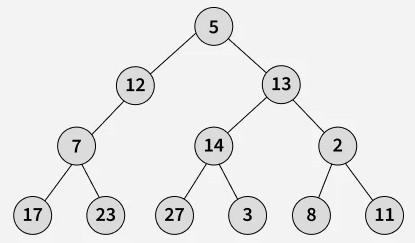

Table of Content
- [Approach] Using Recursion - O(n) time and O(n) space
- [Expected Approach] Using Queue (Iterative) - O(n) time and O(n) space
[Approach] Using Recursion - O(n) time and O(n) space
The idea is to traverse the tree recursively, starting from the root at level 0. When a node is visited, its value is added to the result array at the index corresponding to its level, and then its left and right children are recursively processed in the same way. This effectively performs a level-order traversal using recursion.
C++ `
#include #include using namespace std;
class Node { public: int data; Node *left, *right;
// Constructor to initialize a new node
Node(int value) {
    data = value;
    left = nullptr;
    right = nullptr;
}
};
void levelOrderRec(Node* root, int level, vector<vector>& res) { // Base case if (root == nullptr) return;
// Add a new level to the result if needed
if (res.size() <= level)
    res.push_back({});

// Add current node's data to its corresponding level
res[level].push_back(root->data);

// Recur for left and right children
levelOrderRec(root->left, level + 1, res);
levelOrderRec(root->right, level + 1, res);
}
// Function to perform level order traversal vector<vector> levelOrder(Node* root) {
// Stores the result level by level
vector<vector<int>> res;

levelOrderRec(root, 0, res);
return res;
}
int main() {
// 5
// /
// 12 13
// / \
// 7 14 2
// / \ / \ /
//17 23 27 3 8 11
Node* root = new Node(5);
root->left = new Node(12);
root->right = new Node(13);

root->left->left = new Node(7);
root->left->right = new Node(14);

root->right->right = new Node(2);

root->left->left->left = new Node(17);
root->left->left->right = new Node(23);

root->left->right->left = new Node(27);
root->left->right->right = new Node(3);

root->right->right->left = new Node(8);
root->right->right->right = new Node(11);

vector<vector<int>> res = levelOrder(root);

for (vector<int> level : res) {
    for (int val : level) {
        cout << val << " ";
    }
    cout << endl;
}

return 0;
}
Java
import java.util.ArrayList;
class Node { int data; Node left, right; Node(int value) { data = value; left = null; right = null; } }
public class GfG { void levelOrderRec(Node root, int level, ArrayList<ArrayList> res) { // Base case if (root == null) return;
    // Add a new level to the result if needed
    if (res.size() <= level)
        res.add(new ArrayList<>());

    // Add current node's data to its corresponding
    // level
    res.get(level).add(root.data);

    // Recur for left and right children
    levelOrderRec(root.left, level + 1, res);
    levelOrderRec(root.right, level + 1, res);
}

// Function to perform level order traversal
ArrayList<ArrayList<Integer>> levelOrder(Node root)
{

    // Stores the result level by level
    ArrayList<ArrayList<Integer>> res = new ArrayList<>();
    levelOrderRec(root, 0, res);
    return res;
}
public static void main(String[] args)
{
    //      5
    //     / \
    //   12   13
    //   /  \    \
    //  7    14   2
    // / \  /  \  / \
    //17 23 27 3  8  11

    Node root = new Node(5);
    root.left = new Node(12);
    root.right = new Node(13);

    root.left.left = new Node(7);
    root.left.right = new Node(14);

    root.right.right = new Node(2);

    root.left.left.left = new Node(17);
    root.left.left.right = new Node(23);

    root.left.right.left = new Node(27);
    root.left.right.right = new Node(3);

    root.right.right.left = new Node(8);
    root.right.right.right = new Node(11);

    GfG tree = new GfG();
    ArrayList<ArrayList<Integer>> res = tree.levelOrder(root);

    for (ArrayList<Integer> level : res) {
        for (int val : level) {
            System.out.print(val + " ");
        }
        System.out.println();
    }
}
}
Python
class Node: def init(self, value): self.data = value self.left = None self.right = None
def levelOrderRec(root, level, res): # Base case if root is None: return
# Add a new level to the result if needed
if len(res) <= level:
    res.append([])

# Add current node's data to its corresponding level
res[level].append(root.data)

# Recur for left and right children
levelOrderRec(root.left, level + 1, res)
levelOrderRec(root.right, level + 1, res)
Function to perform level order traversal
def levelOrder(root): # Stores the result level by level res = [] levelOrderRec(root, 0, res) return res
if name == 'main':
# 5
# /
# 12 13
# / \
# 7 14 2
# / \ / \ /
#17 23 27 3 8 11
root = Node(5)
root.left = Node(12)
root.right = Node(13)

root.left.left = Node(7)
root.left.right = Node(14)

root.right.right = Node(2)

root.left.left.left = Node(17)
root.left.left.right = Node(23)

root.left.right.left = Node(27)
root.left.right.right = Node(3)

root.right.right.left = Node(8)
root.right.right.right = Node(11)

res = levelOrder(root)

for level in res:
    print(' '.join(map(str, level)))
C#
using System; using System.Collections.Generic;
class Node { public int data; public Node left, right;
// Constructor to initialize a new node
public Node(int value)
{
    data = value;
    left = null;
    right = null;
}
}
class GfG { static void levelOrderRec(Node root, int level, List<List> res) { // Base case if (root == null) return;
    // Add a new level to the result if needed
    if (res.Count <= level)
        res.Add(new List<int>());

    // Add current node's data to its corresponding
    // level
    res[level].Add(root.data);

    // Recur for left and right children
    levelOrderRec(root.left, level + 1, res);
    levelOrderRec(root.right, level + 1, res);
}

// Function to perform level order traversal
static List<List<int>> levelOrder(Node root)
{
    // Stores the result level by level
    List<List<int>> res = new List<List<int>>();

    levelOrderRec(root, 0, res);
    return res;
}

static void Main()
{
    //      5
    //     / \
    //   12   13
    //   /  \    \
    //  7    14   2
    // / \  /  \  / \
    //17 23 27 3  8  11

    Node root = new Node(5);
    root.left = new Node(12);
    root.right = new Node(13);

    root.left.left = new Node(7);
    root.left.right = new Node(14);

    root.right.right = new Node(2);

    root.left.left.left = new Node(17);
    root.left.left.right = new Node(23);

    root.left.right.left = new Node(27);
    root.left.right.right = new Node(3);

    root.right.right.left = new Node(8);
    root.right.right.right = new Node(11);

    List<List<int> > res = levelOrder(root);

     // Print level by level
    foreach (var level in res) {
        foreach (int val in level) {
            Console.Write(val + " ");
        }
        Console.WriteLine();
    }
}
}
JavaScript
class Node { constructor(value) { this.data = value; this.left = null; this.right = null; } }
function levelOrderRec(root, level, res) { // Base case if (root === null) return;
// Add a new level to the result if needed
if (res.length <= level)
    res.push([]);

// Add current node's data to its corresponding level
res[level].push(root.data);

// Recur for left and right children
levelOrderRec(root.left, level + 1, res);
levelOrderRec(root.right, level + 1, res);
}
// Function to perform level order traversal function levelOrder(root) { // Stores the result level by level const res = [];
levelOrderRec(root, 0, res);
return res;
}
// Driver Code
// 5
// /
// 12 13
// / \
// 7 14 2
// / \ / \ /
//17 23 27 3 8 11
const root = new Node(5); root.left = new Node(12); root.right = new Node(13);
root.left.left = new Node(7); root.left.right = new Node(14);
root.right.right = new Node(2);
root.left.left.left = new Node(17); root.left.left.right = new Node(23);
root.left.right.left = new Node(27); root.left.right.right = new Node(3);
root.right.right.left = new Node(8); root.right.right.right = new Node(11);
const res = levelOrder(root); for (const level of res) { console.log(level.join(' ')); }
`
Output
5 12 13 7 14 2 17 23 27 3 8 11
[Expected Approach] Using Queue (Iterative) - O(n) time and O(n) space
The idea is to use a queue to traverse the tree level by level. Start by adding the root to the queue. Then, repeatedly remove a node from the queue, store its value in the result, and add its left and right children to the queue. Continue this process until the queue is empty.
C++ `
#include #include #include using namespace std;
class Node { public: int data; Node *left, *right;
// Constructor to initialize a new node
Node(int value) {
    data = value;
    left = nullptr;
    right = nullptr;
}
};
// Iterative method to perform level order traversal vector<vector> levelOrder(Node *root) { if (root == nullptr) return {};
// Create an empty queue for level order traversal
queue<Node *> q;
vector<vector<int>> res;

// Enqueue Root
q.push(root);
int currLevel = 0;

while (!q.empty()) {
    int len = q.size();
    res.push_back({});

    for (int i = 0; i < len; i++) {

        // Add front of queue and remove it from queue
        Node *node = q.front();
        q.pop();

        res[currLevel].push_back(node->data);

        // Enqueue left child
        if (node->left != nullptr)
            q.push(node->left);

        // Enqueue right child
        if (node->right != nullptr)
            q.push(node->right);
    }
    currLevel++;
}
return res;
}
int main() {
// 5
// /
// 12 13
// / \
// 7 14 2
// / \ / \ /
//17 23 27 3 8 11
Node *root = new Node(5);
root->left = new Node(12);
root->right = new Node(13);

root->left->left = new Node(7);
root->left->right = new Node(14);

root->right->right = new Node(2);

root->left->left->left = new Node(17);
root->left->left->right = new Node(23);

root->left->right->left = new Node(27);
root->left->right->right = new Node(3);

root->right->right->left = new Node(8);
root->right->right->right = new Node(11);

vector<vector<int>> res = levelOrder(root);
for (vector level : res) {
for (int val : level) {
cout << val << " ";
}
cout << endl;
}
return 0;
}
Java
import java.util.ArrayList; import java.util.LinkedList; import java.util.Queue;
class Node { int data; Node left, right; Node(int value) { data = value; left = null; right = null; } }
// Iterative method to perform level order traversal public class GfG { public static ArrayList<ArrayList> levelOrder(Node root) { if (root == null) return new ArrayList<>();
    // Create an empty queue for level order traversal
    Queue<Node> q = new LinkedList<>();
    ArrayList<ArrayList<Integer>> res = new ArrayList<>();

    // Enqueue Root
    q.offer(root);
    int currLevel = 0;

    while (!q.isEmpty()) {
        int len = q.size();
        res.add(new ArrayList<>());

        for (int i = 0; i < len; i++) {
            // Add front of queue and remove it from
            // queue
            Node node = q.poll();
            res.get(currLevel).add(node.data);

            // Enqueue left child
            if (node.left != null)
                q.offer(node.left);

            // Enqueue right child
            if (node.right != null)
                q.offer(node.right);
        }
        currLevel++;
    }
    return res;
}

public static void main(String[] args)
{
    //      5
    //     / \
    //   12   13
    //   /  \    \
    //  7    14   2
    // / \  /  \  / \
    //17 23 27 3  8  11

    Node root = new Node(5);
    root.left = new Node(12);
    root.right = new Node(13);

    root.left.left = new Node(7);
    root.left.right = new Node(14);

    root.right.right = new Node(2);

    root.left.left.left = new Node(17);
    root.left.left.right = new Node(23);

    root.left.right.left = new Node(27);
    root.left.right.right = new Node(3);

    root.right.right.left = new Node(8);
    root.right.right.right = new Node(11);

    // Perform level order traversal and get the result
    ArrayList<ArrayList<Integer>> res = levelOrder(root);

    for (ArrayList<Integer> level : res) {
        for (int val : level) {
            System.out.print(val + " ");
        }
        System.out.println();
    }
}
}
Python
class Node: def init(self, value): self.data = value self.left = None self.right = None
Iterative method to perform level order traversal
def levelOrder(root): if root is None: return []
# Create an empty queue for level order traversal
q = []
res = []

# Enqueue Root
q.append(root)
curr_level = 0

while q:
    len_q = len(q)
    res.append([])

    for _ in range(len_q):
        # Add front of queue and remove it from queue
        node = q.pop(0)
        res[curr_level].append(node.data)

        # Enqueue left child
        if node.left is not None:
            q.append(node.left)

        # Enqueue right child
        if node.right is not None:
            q.append(node.right)
    curr_level += 1
return res
if name == 'main':
# 5
# /
# 12 13
# / \
# 7 14 2
# / \ / \ /
#17 23 2 3 8 11
root = Node(5)
root.left = Node(12)
root.right = Node(13)

root.left.left = Node(7)
root.left.right = Node(14)

root.right.right = Node(2)

root.left.left.left = Node(17)
root.left.left.right = Node(23)

root.left.right.left = Node(27)
root.left.right.right = Node(3)

root.right.right.left = Node(8)
root.right.right.right = Node(11)

# Perform level order traversal and get the result
res = levelOrder(root)
for level in res:
    for val in level:
        print(val, end=' ')
    print()
C#
using System; using System.Collections.Generic;
class Node { public int data; public Node left, right;
// Constructor to initialize a new node
public Node(int value) {
    data = value;
    left = null;
    right = null;
}
}
class GfG { // Iterative method to perform level order traversal static List<List> levelOrder(Node root) { if (root == null) return new List<List>();
    // Create an empty queue for level order traversal
    Queue<Node> q = new Queue<Node>();
    List<List<int>> res = new List<List<int>>();

    // Enqueue Root
    q.Enqueue(root);
    int currLevel = 0;

    while (q.Count > 0) {
        int len = q.Count;
        res.Add(new List<int>());

        for (int i = 0; i < len; i++) {
            // Add front of queue and remove it from queue
            Node node = q.Dequeue();

            res[currLevel].Add(node.data);

            // Enqueue left child
            if (node.left != null)
                q.Enqueue(node.left);

            // Enqueue right child
            if (node.right != null)
                q.Enqueue(node.right);
        }
        currLevel++;
    }
    return res;
}


static void Main() {
     //      5
    //     / \
    //   12   13
    //   /  \    \
    //  7    14   2
    // / \  /  \  / \
    //17 23 27 3  8  11

    Node root = new Node(5);
    root.left = new Node(12);
    root.right = new Node(13);

    root.left.left = new Node(7);
    root.left.right = new Node(14);

    root.right.right = new Node(2);

    root.left.left.left = new Node(17);
    root.left.left.right = new Node(23);

    root.left.right.left = new Node(27);
    root.left.right.right = new Node(3);

    root.right.right.left = new Node(8);
    root.right.right.right = new Node(11);

    List<List<int>> res = levelOrder(root);

      foreach (List<int> level in res) {
        foreach (int val in level) {
            Console.Write(val + " ");
        }
        Console.WriteLine();
    }
}
}
JavaScript
class Node { constructor(value) { this.data = value; this.left = null; this.right = null; } }
// Iterative method to perform level order traversal function levelOrder(root) { if (root === null) return [];
// Create an empty queue for level order traversal
let q = [];
let res = [];

// Enqueue Root
q.push(root);
let currLevel = 0;

while (q.length > 0) {
    let len = q.length;
    res.push([]);

    for (let i = 0; i < len; i++) {
        // Add front of queue and remove it from queue
        let node = q.shift();
        res[currLevel].push(node.data);

        // Enqueue left child
        if (node.left !== null)
            q.push(node.left);

        // Enqueue right child
        if (node.right !== null)
            q.push(node.right);
    }
    currLevel++;
}
return res;
} //Driver Code
//      5
//     / \
//   12   13
//   /  \    \
//  7    14   2
// / \  /  \  / \
//17 23 27 3  8  11
const root = new Node(5); root.left = new Node(12); root.right = new Node(13);
root.left.left = new Node(7); root.left.right = new Node(14);
root.right.right = new Node(2);
root.left.left.left = new Node(17); root.left.left.right = new Node(23);
root.left.right.left = new Node(27); root.left.right.right = new Node(3);
root.right.right.left = new Node(8); root.right.right.right = new Node(11);
// Perform level order traversal and get the result const res = levelOrder(root);
for (const level of res) { console.log(level.join(' ')); }
`
Output
5 12 13 7 14 2 17 23 27 3 8 11