14 Interesting Examples of the Golden Ratio in Nature (original) (raw)
Last Updated : 15 Apr, 2025
Golden Ratio, approximately equal to 1.618, is a mathematical concept that appears in various forms throughout nature. This unique ratio, often denoted by the Greek letter φ (phi), is known for its aesthetically pleasing properties and is found in many natural patterns and structures.
In this article, we will explore 14 fascinating examples of the Golden Ratio in nature, showcasing how this mathematical phenomenon manifests in the world around us. From the intricate spirals of seashells and pinecones to the branching patterns of trees and the arrangement of leaves around a stem, the Golden Ratio is ubiquitous in the natural world.
What is Golden Ratio?
Golden Ratio was first mentioned around 300 BCE in Euclid’s Elements. However, in 1509, Italian mathematician Luca Pacioli published the book De Divina Proportione, illustrated by Leonardo da Vinci himself, which categorized****,** the ratio as a divine representation of simplicity and order.
It can be calculated by dividing a line into two parts. We divide the longer part by the smaller part and the sum of the sides by the longer side. They both should be equal 1.618.
Golden Ratio Definition
Golden Ratio can be derived from the quadratic equation:
**φ 2 = φ + 1
Solving this equation, we get:
\bold{\varphi = \frac{1 + \sqrt{5}}{2}}
Example in Geometry
In a regular pentagon, the ratio of a diagonal to a side is the Golden Ratio. Similarly, in a golden rectangle (a rectangle whose side lengths are in the Golden Ratio), if you remove a square with sides equal to the shorter side of the rectangle, the remaining rectangle will also be a golden rectangle.
**Golden Ratio Examples in Nature
Some of the examples of golden ratio are discussed below:
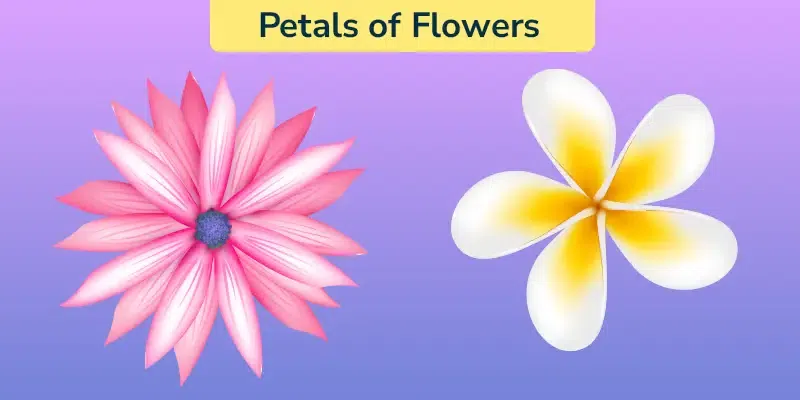
Petals of Flowers
Many flowers have a number of petals that is a Fibonacci number. The arrangement of petals often exhibits the Golden Ratio, optimizing exposure to sunlight and space.
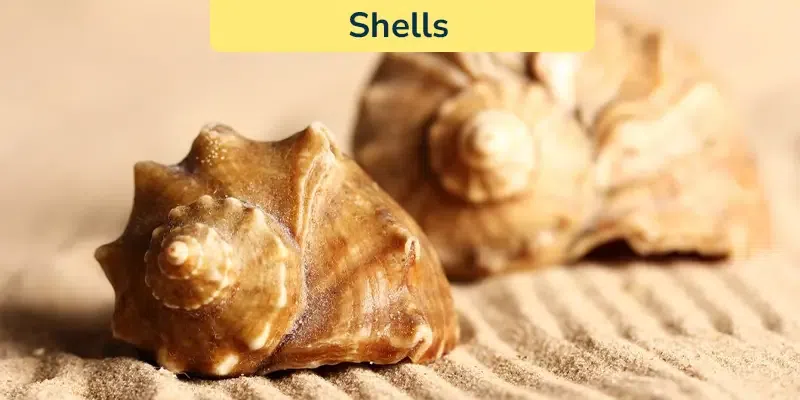
Shells
The nautilus shell is a classic example, with its spirals growing in a logarithmic spiral pattern that approximates the Golden Ratio.
Architecture
Historical structures like the Parthenon in Greece are believed to incorporate the Golden Ratio in their design to achieve harmony and balance.

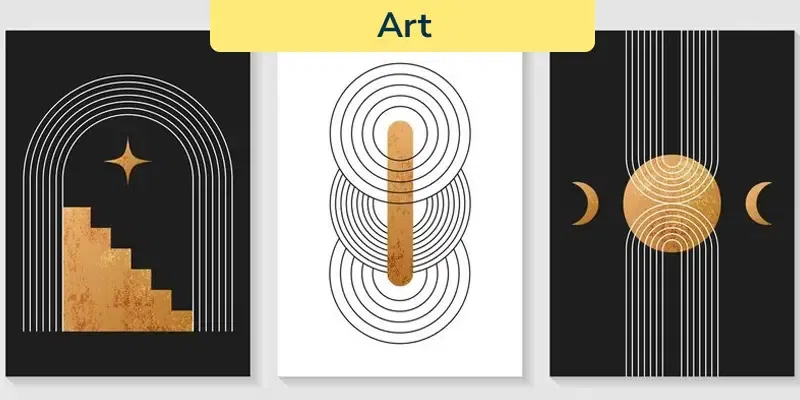
Art
Artists like Leonardo da Vinci used the Golden Ratio in their works. For example, the proportions in the "Vitruvian Man" and the "Mona Lisa" align with the Golden Ratio.
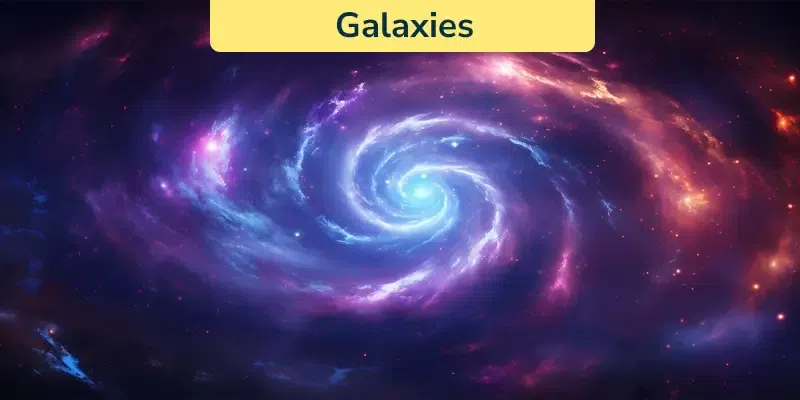
Galaxies
Spiral galaxies, such as the Milky Way, follow a logarithmic spiral pattern, which is closely related to the Golden Ratio.
Seed Heads
Sunflowers and other seed heads display a spiral pattern where the number of spirals in one direction and the number in the other are consecutive Fibonacci numbers, related to the Golden Ratio.

Leaves
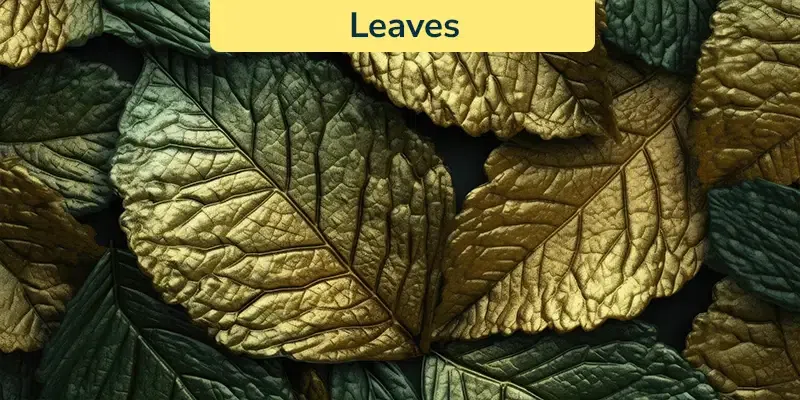
The arrangement of leaves around a stem (phyllotaxis) often follows the Golden Ratio, allowing for the most efficient packing and maximum exposure to sunlight.
Hurricanes
Hurricanes display a spiral pattern similar to that of galaxies and shells, adhering to the logarithmic spiral that approximates the Golden Ratio.

Pinecones
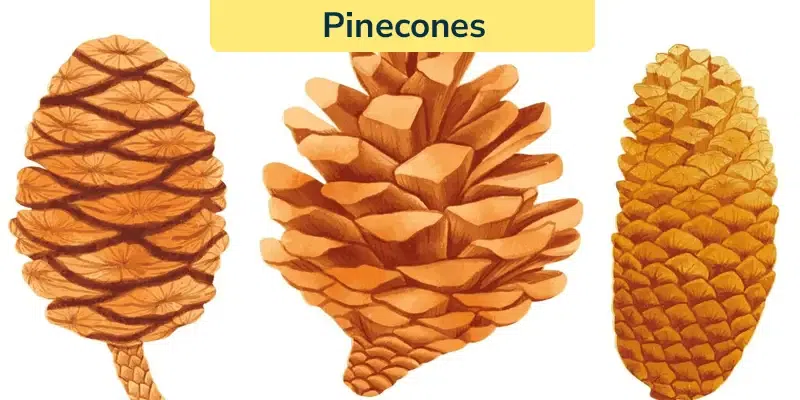
The scales of pinecones are arranged in a spiral pattern, with the number of spirals typically corresponding to Fibonacci numbers, demonstrating the Golden Ratio.
Spider-Webs
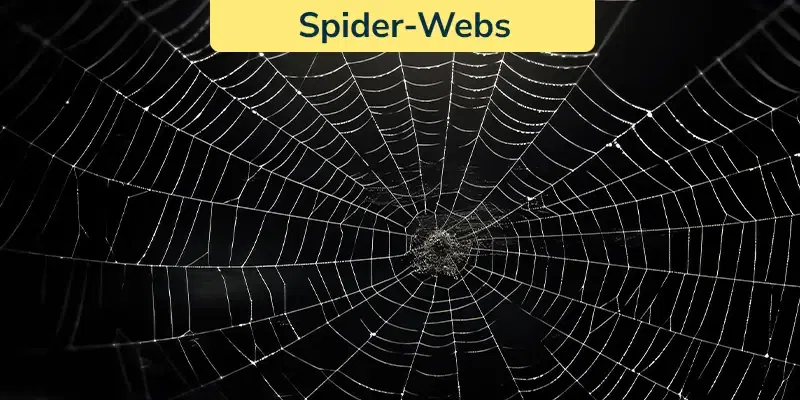
Some spiders build webs with spiral patterns that follow the Golden Ratio, optimizing the structural efficiency and strength of the web.
Logos
Many modern logos incorporate the Golden Ratio to create visually appealing and balanced designs, such as the Apple and Pepsi logos.

Kepler's Triangle
This right triangle, related to the Golden Ratio, has side lengths proportional to 1, √φ, and φ, demonstrating geometric properties of the ratio.
Human Body
The human body exhibits the Golden Ratio in various proportions, such as the ratio of the forearm to the hand, the length of the face, and other anatomical features.

Photography
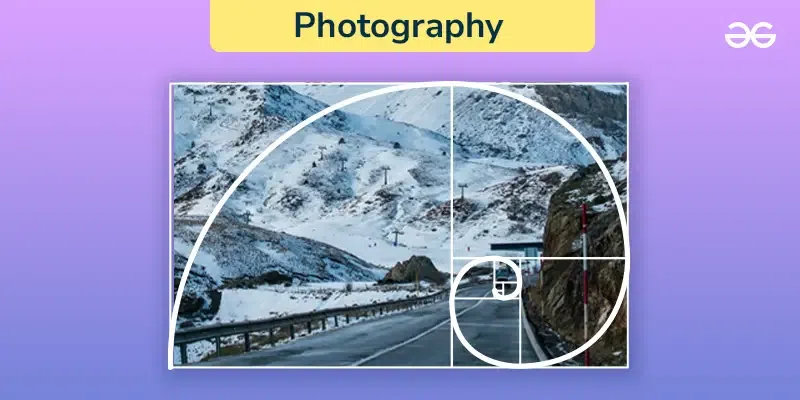
Photographers use the Golden Ratio to compose images that are aesthetically pleasing. The Rule of Thirds is a simplified version of this principle, dividing an image into sections that are pleasing to the eye.
**Conclusion
Golden Ratio, often found in nature, is a fascinating example of how mathematics shapes the world around us. From the patterns of leaves and flowers to the spirals of seashells and galaxies, this unique ratio appears in many beautiful and unexpected places.