Introduction to Sprint (original) (raw)
Last Updated : 23 Apr, 2026
Sprint is a short, fixed-duration iteration in Agile where a specific set of tasks is completed to deliver a usable product increment. Typically lasting 2–4 weeks, sprints enable teams to work in small cycles, ensuring continuous improvement, faster delivery, and regular feedback. The Key Characteristics of a Sprint are:
- Focused on delivering a working product increment
- Includes planning, daily meetings, review, and retrospective
- Encourages iterative development and continuous feedback
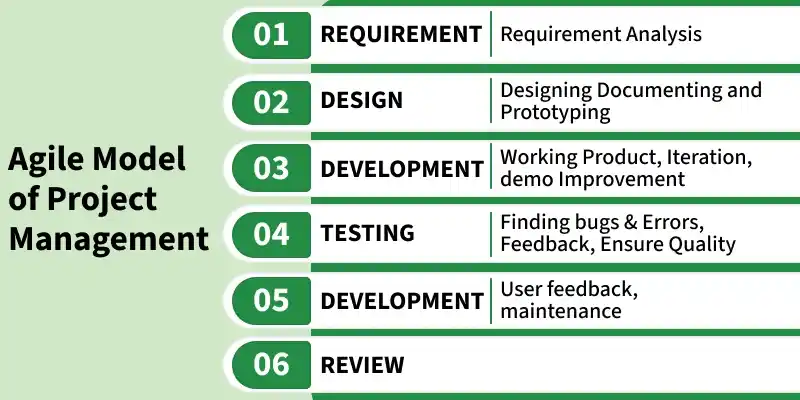
Sprint in Agile Model of project management
Sprint Roles, Artifacts & Ceremonies
The following section outlines the key roles, essential artifacts, and core ceremonies that ensure smooth execution and coordination throughout a sprint.
Roles
- **Product Owner: Defines requirements, manages backlog, and prioritizes work.
- **Scrum Master: Facilitates the process, removes blockers, and ensures Agile practices.
- **Development Team: Cross-functional members responsible for delivering the product increment.
Artifacts
- **Product Backlog: Complete list of features and requirements
- **Sprint Backlog: Selected tasks for the current sprint
- **Product Increment: Final working output of the sprint
Ceremonies
- Sprint Planning
- Daily Scrum (Stand-up)
- Sprint Review
- Sprint Retrospective
Scrum Sprint Cycle
Sprint is part of the broader Scrum framework and follows a continuous cycle:
- **Sprint Planning: Define goals and select backlog items
- **Execution: Develop features during the sprint
- **Daily Scrum: Track progress and resolve issues
- **Sprint Review: Demonstrate the product increment
- **Sprint Retrospective: Reflect and improve processes
Multiple sprints together contribute to building the complete product.
Sprint Workflow & Process
**1. Backlog: A prioritized list of tasks and user stories created by the Product Owner.
**2. Sprint Planning: Team selects tasks from the backlog and creates the Sprint Backlog.
**3. Sprint Execution: Development work happens within the defined time frame.
**4. Daily Scrum: A 15-minute daily meeting where team members discuss:
- What they did yesterday
- What they will do today
- Any blockers
**5. Sprint Review: The team presents the completed work to stakeholders and gathers feedback.
**6. Sprint Retrospective: The team reflects on:
- What went well
- What didn’t
- Improvements for next sprint
**7. Delivery of Increment: A usable product increment is delivered at the end of each sprint.
Popular tools like Jira, nTask, QuickScrum, ScrumDo, Scrumwise, and Vivify Scrum are commonly used to manage sprint workflows effectively.
Benefits of Scrum Sprints over Traditional Methods
- **Faster Delivery: Frequent releases instead of long development cycles
- **Flexibility: Easy to adapt to changing requirements
- **Continuous Feedback: Regular client involvement improves product quality
- **Better Risk Management: Issues are identified early
- **Higher Customer Satisfaction: Working product delivered in increments
Scrum vs Sprint
| Aspect | Scrum | Sprint |
|---|---|---|
| Definition | Agile framework for managing projects | Time-boxed iteration within Scrum |
| Scope | Entire development process | A small phase of development |
| Duration | Long-term (months or ongoing) | Short-term (2–4 weeks) |
| Objective | Deliver complete product | Deliver incremental value |
| Meetings | Includes all Scrum ceremonies | Includes daily and sprint-specific meetings |
| Output | Final product over time | Working increment each sprint |