What is Hardhat? (original) (raw)
Last Updated : 23 Jul, 2025
Hardhat is a professional Ethereum Development Environment. It facilitates performing frequent tasks such as running tests, automatically checking codes for mistakes, or interacting with smart contracts. This article focuses on discussing Hardhat in detail.
Table of Content
- What is Hardhat?
- What is the Hardhat Runner?
- What is the Hardhat Network?
- Working of Hardhat Network
- Using Hardhat Network
- What are Solidity Stack Traces?
- Advantages of Hardhat
- How to Install Hardhat?
- How to Use Hardhat?
- Conclusion
- FAQs
**What is Hardhat?
Hardhat simplifies the complexities of Ethereum smart contract development, emerging as an invaluable tool for both seasoned developers and newcomers to the blockchain landscape. Here's a breakdown of what Hardhat offers:
- **Comprehensive Development Environment: Hardhat goes beyond just being a compiler. It provides a complete development environment, encompassing functionalities for compiling, testing, debugging, and deploying your smart contracts. This one-stop shop streamlines your workflow, eliminating the need to juggle multiple tools.
- **Built-in Solidity Compiler: Hardhat seamlessly integrates a Solidity compiler, allowing you to convert your Solidity code into bytecode, a format understandable by the Ethereum Virtual Machine (EVM). This eliminates the need for separate compilation steps, saving you time and effort.
- **Robust Testing Framework: Writing secure and reliable smart contracts is paramount. Hardhat offers a robust testing framework, enabling you to create unit tests and meticulously examine your contracts for potential vulnerabilities. By catching bugs early in the development process, you can prevent costly issues down the line.
- **Effortless Debugging: Debugging intricate smart contracts can be a frustrating endeavor. Hardhat empowers you with advanced debugging features like Solidity stack traces and automatic error messages. These act as lighthouses, guiding you directly to the source of the problem, saving you time and frustration.
- **Deployment Made Easy: Hardhat facilitates the deployment of your smart contracts to various blockchain networks, including Hardhat's own local network for testing purposes. This allows you to thoroughly test your contracts in a safe and controlled environment before deploying them to the mainnet.
- **Plugin Power: Hardhat embraces customization through its plugin system. A diverse range of plugins cater to specific needs, allowing you to tailor your development environment to your preferences. Whether you require additional testing frameworks or specialized debugging tools, there's likely a plugin to enhance your workflow.
- **Open-Source and Accessible: As an open-source project, Hardhat is freely available for anyone to use and contribute to. Its user-friendly interface and comprehensive documentation make it approachable for both beginners and experienced developers alike.
What is the Hardhat Runner?
The Hardhat Runner is the command-line interface (CLI) that acts as the control center for your development workflow. It's a powerful task runner that streamlines repetitive tasks like compiling, testing, deploying, and debugging your smart contracts.
Features of the Hardhat Runner
- **Automation Powerhouse: Tired of manually executing the same commands over and over? The Hardhat Runner automates these tasks, saving you time and effort.
- **Built-in Tasks: The Runner comes pre-loaded with essential tasks for common development scenarios. Need to compile your code? Run the compile task. Want to deploy your smart contract? Use the deploy task.
- **Customization Champion: The beauty of the Hardhat Runner lies in its flexibility. You can create custom tasks to automate specific workflows that suit your project's needs.
- **Plugin Power: Expand the Runner's capabilities by adding plugins. These plugins can introduce new functionalities and integrate seamlessly with the existing tasks.
- **Workflow Wizard: Complex development processes can be broken down into smaller, more manageable tasks. The Runner allows you to chain tasks together, creating efficient workflows for building and deploying your smart contracts.
What is the Hardhat Network?
The Hardhat Network stands as a cornerstone of the Hardhat development environment. It's a local Ethereum network, specifically designed to provide developers with a secure and isolated playground for testing their smart contracts. Here's a closer look at its functionalities:
- **Safe Testing Ground: Imagine a secure environment to meticulously test your smart contracts before deploying them to the real world. The Hardhat Network offers exactly that. It allows you to run your contracts, explore their behavior, and identify potential issues without incurring gas fees associated with the Ethereum mainnet.
- **Isolated Environment: The Hardhat Network operates in isolation from the main Ethereum network. This isolation ensures that any tests you run or modifications you make don't affect the real blockchain, safeguarding user funds and network stability.
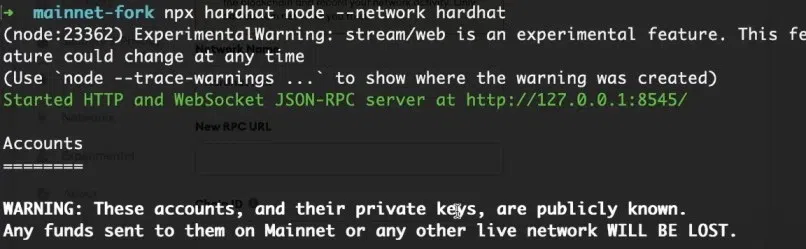
- **Effortless Setup: Getting started with the Hardhat Network is a breeze. Simply use the npx hardhat node command to launch a local blockchain instance on your machine. This eliminates the need for complex configuration or external setup processes.
- **Default Accounts: The Hardhat Network comes pre-equipped with a set of default accounts you can leverage for testing purposes. These accounts offer a readily available pool of funds for your test transactions, eliminating the need to constantly create or import new accounts.
- **Efficiency Through Speed: Unlike the mainnet, the Hardhat Network prioritizes speed over security. Every transaction on the Hardhat Network instantly mines a new block, accelerating your testing process and saving you valuable time.
- **EVM Compatibility: The Hardhat Network utilizes an Ethereum Virtual Machine (EVM) implementation similar to those found in popular development tools like Ganache, Remix, and Ethereum Studio. This compatibility ensures your test environment closely mimics the behavior of the mainnet.
- **Hard Fork Support: The Hardhat Network provides support for various Ethereum hard forks, such as Petersburg, Byzantium, and Constantinople. This allows you to tailor your testing environment to specific blockchain protocol versions, ensuring compatibility with the target deployment network.
Working of Hardhat Network
Hardhat Network is a local Ethereum network built into Hardhat. It provides a development environment for developers to deploy, test, and debug their smart contracts without incurring gas fees or interacting with a real blockchain. Here's a breakdown of how it works:
1. In-Process or Stand-Alone
Hardhat Network can run in two modes:
- **In-process Mode: This is the default mode where an instance of the network is automatically created when you run tests, scripts, or tasks in Hardhat.
- **Stand-alone Mode: This mode allows external clients like wallets, Dapp front-ends, or Hardhat Ignition deployments to connect to the network.
2. Functionality
Hardhat Network mimics an Ethereum blockchain and provides the following functionalities:
- **Transaction Processing: It processes transactions including deployments and function calls.
- **Block Mining: By default, it automatically mines a block for each received transaction.
- **Account Management: It provides a set of default accounts with pre-defined balances for testing purposes.
- **JSON-RPC and WebSocket Support: It exposes a JSON-RPC and WebSocket server to allow communication with external clients (in stand-alone mode).

JSON-RPC
3. Debugging Features
Hardhat Network offers several features to aid in debugging smart contracts:
- **Solidity Stack Traces: In case of transaction failures, it provides combined JavaScript/Solidity stack traces, pinpointing the exact location of the error in both the test code and the Solidity contract.
- **Automatic Error Messages: It generates informative error messages for specific failure scenarios, making it easier to understand the cause of the problem.
- **Console.log Support: It allows printing logging messages and contract variable values directly from Solidity code using **console.log.
4. Mainnet Forking
Hardhat Network can copy the state of the main Ethereum blockchain (mainnet) into your local environment. This allows you to interact with mainnet-deployed contracts and test your code in a simulated mainnet environment.
Mainnet Forking
5. Mining Modes
You can configure how blocks are mined in Hardhat Network:
- **Automine Mode (default): A new block is mined automatically for each transaction.
- **Interval Mining: New blocks are mined periodically, incorporating pending transactions.
- **No Mining: You can manually mine blocks using the **evm_mine RPC method.
6. Logging
Hardhat Network provides rich logging to aid in development. It logs information about transactions, deployments, function calls, and errors.
Using Hardhat Network
By default, Hardhat automatically uses the in-process Hardhat Network when you run tests, scripts, or tasks. You don't need any additional configuration for this mode. Here's how to use Hardhat Network in different scenarios:
1. Running Tests and Scripts
Simply run your tests or scripts using **npx hardhat test or **npx hardhat run