Group Therapy and Support Groups in Phoenix, AZ (original) (raw)
Support Groups in Phoenix, AZ
Being in recovery from alcohol or drug addiction isn't easy.You're still facing life's challenges.How do you get needs met as returning to using is not an option. Finding solutions is.This 1.5 hour telehealth group is a mutual aid group focused on skill sets including: healthy coping skills, stress, mindfulness, meditation, healthy communication, boundaries, goal setting,time management, improving relationships, letting go of anger, and how to find joy/laughter. Let this group help you with recovery management and enhancing your journey of recovery. NOTE: minimum group size 3 maximum 10. Call for availabiity

Hosted by Valerie Fink Sierra
Drug & Alcohol Counselor, MAHR, LIAC
Being in recovery from alcohol or drug addiction isn't easy.You're still facing life's challenges.How do you get needs met as returning to using is not an option. Finding solutions is.This 1.5 hour telehealth group is a mutual aid group focused on skill sets including: healthy coping skills, stress, mindfulness, meditation, healthy communication, boundaries, goal setting,time management, improving relationships, letting go of anger, and how to find joy/laughter. Let this group help you with recovery management and enhancing your journey of recovery. NOTE: minimum group size 3 maximum 10. Call for availabiity
The Grief Healing Pathway Group Program is a compassionate, guided journey for those navigating deep loss. In a safe, supportive online circle, you'll process grief, release emotional pain, and reconnect with your inner strength. Through expert guidance, healing practices, and shared connection, you'll move from heartbreak to hope -- at your own pace. This program blends spiritual insight, neuroscience, and soul-centered tools with the convenience of online presentation to help you reclaim peace, purpose, and joy.
The Grief Healing Pathway Group Program is a compassionate, guided journey for those navigating deep loss. In a safe, supportive online circle, you'll process grief, release emotional pain, and reconnect with your inner strength. Through expert guidance, healing practices, and shared connection, you'll move from heartbreak to hope -- at your own pace. This program blends spiritual insight, neuroscience, and soul-centered tools with the convenience of online presentation to help you reclaim peace, purpose, and joy.
Clients MUST be in individual DBT therapy to be in the skills group. This skills group focuses on learning the DBT skills through lecture, practice, and home assignments. New group members may enter during any mindfulness module and will contract for 6-months. The length of time will support learning all of the DBT skills (emotion regulation, distress tolerance, mindfulness, and interpersonal effectiveness). The group is facilitated by a DBT trained psychologist.

Hosted by Joshua G Kellison
Clients MUST be in individual DBT therapy to be in the skills group. This skills group focuses on learning the DBT skills through lecture, practice, and home assignments. New group members may enter during any mindfulness module and will contract for 6-months. The length of time will support learning all of the DBT skills (emotion regulation, distress tolerance, mindfulness, and interpersonal effectiveness). The group is facilitated by a DBT trained psychologist.
Our creative groups help kids and teens (ages 7-17) chill out, boost their mood, and discover their best selves! We use fun, hands-on activities to tackle stress, anxiety, sadness and emotional wellness. Join us Tuesdays (4-5 PM for 7-9 year olds, 5:30-6:30 PM for 10-12 year olds) or Thursdays (4-5:30 PM for 13-17 year olds). Accepting self-pay and some insurance. Registration is required. Let's get creative!

Hosted by Gilberto Meno-Gutierrez
Licensed Professional Counselor, LPC, ATR-BC, BC-TMH
Our creative groups help kids and teens (ages 7-17) chill out, boost their mood, and discover their best selves! We use fun, hands-on activities to tackle stress, anxiety, sadness and emotional wellness. Join us Tuesdays (4-5 PM for 7-9 year olds, 5:30-6:30 PM for 10-12 year olds) or Thursdays (4-5:30 PM for 13-17 year olds). Accepting self-pay and some insurance. Registration is required. Let's get creative!
Struggling with the difficulties of raising a child? Exhausted by how hard kids can be? You're not in this alone. Join other parents once a week to talk through the challenges and joys of being a parent while learning new strategies for the ways to support your child. This is a virtual lunch time group that runs for 45 minutes 3 Fridays per month.

Hosted by Gabrielle Lipson
Licensed Professional Counselor, LPC, MSEd, MPhilEd
Struggling with the difficulties of raising a child? Exhausted by how hard kids can be? You're not in this alone. Join other parents once a week to talk through the challenges and joys of being a parent while learning new strategies for the ways to support your child. This is a virtual lunch time group that runs for 45 minutes 3 Fridays per month.
Now offering a new in-person support group to Post Partum mothers. Babies in Arms are welcome. Cost to attend is $5. Reach out now to secure your spot. Space is limited!
Hosted by Keri Sipek
Marriage & Family Therapist, LMFT, PMH-C
Now offering a new in-person support group to Post Partum mothers. Babies in Arms are welcome. Cost to attend is $5. Reach out now to secure your spot. Space is limited!
The teen partial hospitalization program in Phoenix and Paradise Valley provides targeted treatment for clients aged 13-17, aiming to achieve mental health stability, reduce or eliminate safety concerns such as self-harm, and prevent the need for psychiatric hospitalization. This 4-6 week program is based on the principles of dialectical behavioral therapy (DBT), introducing new skills each week and offering opportunities to practice them during and between sessions in a supportive group setting. The small group size allows for personalized treatment and active coaching until symptoms have measurably improved.

Hosted by Transitions Counseling and Consulting
The teen partial hospitalization program in Phoenix and Paradise Valley provides targeted treatment for clients aged 13-17, aiming to achieve mental health stability, reduce or eliminate safety concerns such as self-harm, and prevent the need for psychiatric hospitalization. This 4-6 week program is based on the principles of dialectical behavioral therapy (DBT), introducing new skills each week and offering opportunities to practice them during and between sessions in a supportive group setting. The small group size allows for personalized treatment and active coaching until symptoms have measurably improved.
This group is for parents who have been estranged/abandoned by their adult children. This has become increasingly more common recently. The polarization and cut off, often with no explanation, causes unbearable pain leaving parents confused with often no one to turn to. It frequently causes family members to take sides increasing family conflicts. This group is to help parents navigate the path to healing and to teach self care before emotional issues set in permanently. This therapy group is in person only and is held in Tempe. New group will begin July 13th, 2025.
Hosted by Suzanne Cavalier-Dorsett
Clinical Social Work/Therapist, LCSW
This group is for parents who have been estranged/abandoned by their adult children. This has become increasingly more common recently. The polarization and cut off, often with no explanation, causes unbearable pain leaving parents confused with often no one to turn to. It frequently causes family members to take sides increasing family conflicts. This group is to help parents navigate the path to healing and to teach self care before emotional issues set in permanently. This therapy group is in person only and is held in Tempe. New group will begin July 13th, 2025.
IN this group we will use experiential methods to help explore who we are, and changes we would like to make assisting in discovering the woman we are meant to be. IT is a small closed group 4-6 women who have a common desire to self-reflect and examine deeper issues. WE will explore ego-strength, emotional dysregulation, shadow work, and family of origin. THE group will meet up once a week for 2 hours, and run for 8-12 times depending. The group is currently inactive. Questions - use my contact information.
Hosted by Dr. Monica von Eggers
Licensed Professional Counselor, PhD, LPC, NCC
IN this group we will use experiential methods to help explore who we are, and changes we would like to make assisting in discovering the woman we are meant to be. IT is a small closed group 4-6 women who have a common desire to self-reflect and examine deeper issues. WE will explore ego-strength, emotional dysregulation, shadow work, and family of origin. THE group will meet up once a week for 2 hours, and run for 8-12 times depending. The group is currently inactive. Questions - use my contact information.
Your 10-17 year old will learn how to cope with anxiety & anger, choose friends wisely, make positive choices & develop positive self-talk, improve self-esteem, and gain skills for healthy relationships.

Hosted by Phoenix Wellness Center
Licensed Professional Counselor, MC, LPC
Your 10-17 year old will learn how to cope with anxiety & anger, choose friends wisely, make positive choices & develop positive self-talk, improve self-esteem, and gain skills for healthy relationships.
A small group practice in Phoenix AZ that specializes in working with the LGBTQ community and assisting folx who want to heal from religious trauma. EMDR offered.
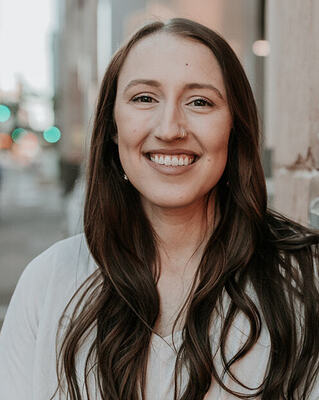
Hosted by Jenalee Remy
Licensed Professional Counselor, LPC
A small group practice in Phoenix AZ that specializes in working with the LGBTQ community and assisting folx who want to heal from religious trauma. EMDR offered.
This group is a good fit if you: You are over 25 and have not had pervious serious queer relationships. Question your sexuality beyond heterosexuality. Have never really understood the rage about love and sex and wonder if it's because you weren't that into men and you may want to date women. Always kind of wondered if you may not be totally straight. Want to explore dating and sexuality with women but still worry what that change might mean in your life. Are new to the LGBTQ+ community and want to explore your identity and sexuality more fully.
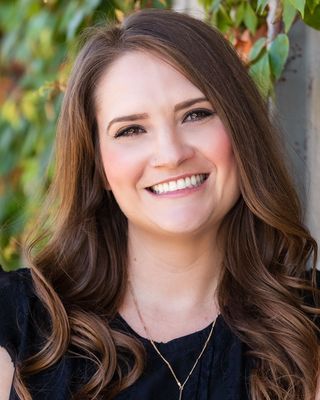
Hosted by Alyssa Palty
Licensed Professional Counselor, LPC
This group is a good fit if you: You are over 25 and have not had pervious serious queer relationships. Question your sexuality beyond heterosexuality. Have never really understood the rage about love and sex and wonder if it's because you weren't that into men and you may want to date women. Always kind of wondered if you may not be totally straight. Want to explore dating and sexuality with women but still worry what that change might mean in your life. Are new to the LGBTQ+ community and want to explore your identity and sexuality more fully.
D&D and other TTRPG's can be great opportunities for therapy in a non-traditional way. Social skills, regulation tools, and distress tolerance are built through playing the game and collaborative storytelling. My D&D groups are based on the Game to Grow Method and are limited to 3-4 players at one time. These groups run 90 minutes at a time and are on a biweekly rotation for 10-15 sessions. Please note that all groups require an intake session (this also serves as session 0). In-person and virtual options are available.

Hosted by Sam Barrons
Marriage & Family Therapist, MA, MS, LMFT
D&D and other TTRPG's can be great opportunities for therapy in a non-traditional way. Social skills, regulation tools, and distress tolerance are built through playing the game and collaborative storytelling. My D&D groups are based on the Game to Grow Method and are limited to 3-4 players at one time. These groups run 90 minutes at a time and are on a biweekly rotation for 10-15 sessions. Please note that all groups require an intake session (this also serves as session 0). In-person and virtual options are available.
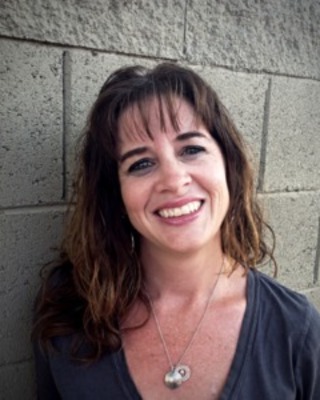
This free support group is a safe place where foster and adoptive parents can vent and find encouragement with other parents going through similar parent journeys. The group borrows it's name from the first book we read together, The Journey of the Heroic Parent by Brad Reedy. Parenting is hard, and it is a heroic effort to continue on to do the best we can for our children. Much like the hero's journey, we face many trials and problems in parenting. We find ways to overcome, grow from our experience and keep moving forward.
This free support group is a safe place where foster and adoptive parents can vent and find encouragement with other parents going through similar parent journeys. The group borrows it's name from the first book we read together, The Journey of the Heroic Parent by Brad Reedy. Parenting is hard, and it is a heroic effort to continue on to do the best we can for our children. Much like the hero's journey, we face many trials and problems in parenting. We find ways to overcome, grow from our experience and keep moving forward.
We work with all ages and specialize in supporting neurodivergent individuals and their families. Whether you are a parent seeking support or therapy for your child or an individual looking for a therapist, we’re here to help.

Hosted by J. Taylor Moschetti
We work with all ages and specialize in supporting neurodivergent individuals and their families. Whether you are a parent seeking support or therapy for your child or an individual looking for a therapist, we’re here to help.
At Viva You, we offer individual, couple, family, and group therapy to support positive change. Our holistic approach helps clients build on their strengths while addressing areas for growth, exploring relationships, values, beliefs, and actions to create a fulfilling life. We guide clients in resetting and reviving their “healthy self,” fostering balance and well-being. We believe transformation leads to deeper, more meaningful relationships, and we’re here to support you on your journey to a healthier you!
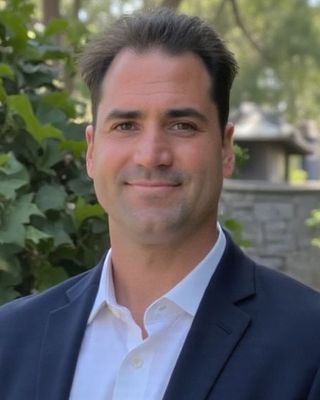
Hosted by Steven Beck
Licensed Professional Counselor, LPC
At Viva You, we offer individual, couple, family, and group therapy to support positive change. Our holistic approach helps clients build on their strengths while addressing areas for growth, exploring relationships, values, beliefs, and actions to create a fulfilling life. We guide clients in resetting and reviving their “healthy self,” fostering balance and well-being. We believe transformation leads to deeper, more meaningful relationships, and we’re here to support you on your journey to a healthier you!
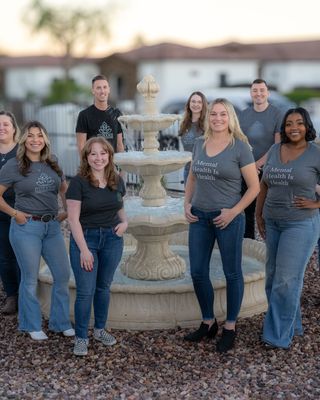
Over the course of 3 90-minute sessions, you and your partner will work with a licensed therapist to explore your unique relationship dynamic, identify your strengths as partners, and gain the tools necessary to navigate potential challenges while remaining connected to one another. A personalized experience, shaped by the Prepare/Enrich Assessment, a nationally recognized tool that helps you identify your relationship strengths and growth areas. This group can be virtual.
Hosted by Durand Healing and Wellness Center
Clinical Social Work/Therapist, DBH, LCSW
Over the course of 3 90-minute sessions, you and your partner will work with a licensed therapist to explore your unique relationship dynamic, identify your strengths as partners, and gain the tools necessary to navigate potential challenges while remaining connected to one another. A personalized experience, shaped by the Prepare/Enrich Assessment, a nationally recognized tool that helps you identify your relationship strengths and growth areas. This group can be virtual.
This supportive parenting group is designed for caregivers raising neurodivergent children, including those with autism, ADHD, and other developmental differences. Led by Dr. Catherine Hallam, LPC, Advanced Certified Autism Specialist, and author of a special needs parenting book, the group provides practical tools, emotional support, and research-informed strategies to help parents navigate daily challenges. Topics include understanding behavior, supporting regulation, reducing meltdowns, improving communication, and advocating effectively in schools and systems. Parents also connect with others who understand the unique journey of raising neurodivergent children.

Hosted by Chapter & Page Counseling
Licensed Professional Counselor, PhD, LPC, RPT-S
This supportive parenting group is designed for caregivers raising neurodivergent children, including those with autism, ADHD, and other developmental differences. Led by Dr. Catherine Hallam, LPC, Advanced Certified Autism Specialist, and author of a special needs parenting book, the group provides practical tools, emotional support, and research-informed strategies to help parents navigate daily challenges. Topics include understanding behavior, supporting regulation, reducing meltdowns, improving communication, and advocating effectively in schools and systems. Parents also connect with others who understand the unique journey of raising neurodivergent children.
I created this group for survivors of domestic violence, narcissistic abuse, and other harmful relationships trauma who want a place to begin healing. This is a guided space to reclaim your voice and begin feeling like yourself again. I’ll guide you through unpacking the chaos of emotional abuse, gaslighting, & trauma bonds while supporting you in rediscovering your voice and your sense of self. You never have to share until you are ready. Listening is welcome. I'm here to honor your pace (no demands to leave), encourage connection with other survivors, and support you as you heal and grow.

Hosted by Catrina Drinning-Davis
Licensed Professional Counselor, MA, LPC, NCC
I created this group for survivors of domestic violence, narcissistic abuse, and other harmful relationships trauma who want a place to begin healing. This is a guided space to reclaim your voice and begin feeling like yourself again. I’ll guide you through unpacking the chaos of emotional abuse, gaslighting, & trauma bonds while supporting you in rediscovering your voice and your sense of self. You never have to share until you are ready. Listening is welcome. I'm here to honor your pace (no demands to leave), encourage connection with other survivors, and support you as you heal and grow.
Arizona Psychiatric Health is a private practice psychiatry group located in a safe, attractive, confidential setting in the Central Corridor of Phoenix. In addition, we proudly serve Arcadia, Paradise Valley, Scottsdale, Glendale, and surrounding communities. We are a husband and wife team committed to providing the best of both medication management and psychotherapy. Our practice is unique for its responsiveness, compassion, and modern efficiency. We try to provide tools to our patients to empower themselves through education and insight. We also have a broad source of excellent referrals when collaboration is in our patients' best interest.

Arizona Psychiatric Health is a private practice psychiatry group located in a safe, attractive, confidential setting in the Central Corridor of Phoenix. In addition, we proudly serve Arcadia, Paradise Valley, Scottsdale, Glendale, and surrounding communities. We are a husband and wife team committed to providing the best of both medication management and psychotherapy. Our practice is unique for its responsiveness, compassion, and modern efficiency. We try to provide tools to our patients to empower themselves through education and insight. We also have a broad source of excellent referrals when collaboration is in our patients' best interest.
See more therapy options for Phoenix
FAQs - About Group Therapy and Support Groups
How can I find a support group in Phoenix?
To find a support group in your area, start by entering your city, zip code, or the name of the group into the search bar at the top of the page. When searching, consider whether you prefer an in-person or virtual group. This can help you decide how broad your geographic search should be. If you are open to virtual groups, you might want to search by state instead of just your city, especially if there are limited options nearby.
Once you complete your search, you can use the filters to narrow the results by selecting specialties (such as grief, trauma, or eating disorders), therapeutic approaches, age groups, and other criteria to find a group that best fits your needs.
How does group therapy work?
Group therapy is led by one or more trained therapists and provides a space where participants can process their experiences and learn from others facing similar challenges. Groups may focus on a specific issue—such as addiction, grief, physical illnesses, parenting, or caregiving—or they may center around a particular therapeutic approach, such as Cognitive Behavioral Therapy (CBT), social skill development, or Exposure Therapy. Some groups are also designed for specific populations, such as teens, veterans, or LGBTQ+ individuals.
It’s also important to distinguish group therapy from peer-led support groups, like Alcoholics Anonymous. While both can offer valuable support, therapy groups are typically led by licensed professionals and follow a more structured format. Therapy groups often meet for a fixed length of time with a consistent group of members, while many peer support groups meet for an indefinite period of time with members coming and going.
What are the benefits of group therapy?
Group therapy offers several important benefits. It brings together people facing similar challenges—whether related to mental health, physical health, or life transitions—and creates a supportive environment where participants can exchange feedback, share experiences, and learn from one another. Hearing different perspectives can help individuals discover new coping strategies and practical tools they may not have encountered on their own. Sharing personal experiences, such as coping with a serious illness or navigating family struggles, can also reduce feelings of isolation and foster a sense of connection and understanding. In addition to emotional support, group members often gain useful, real-world advice from peers who have faced similar situations.
Group therapy is typically more affordable than individual therapy and, for certain conditions, can be equally effective. Many groups also include structured activities—such as guided journaling, cognitive-behavioral exercises, or role-playing—to help participants develop concrete skills they can apply in daily life.
Is group therapy as effective as individual therapy?
It is difficult to make a blanket statement about the effectiveness of support groups, as they vary widely in focus and the conditions they address. However, support groups can be highly valuable in helping individuals gain emotional support and achieve meaningful treatment outcomes. For certain conditions, such as substance use, research has shown that group therapy can be particularly effective—sometimes just as effective as individual therapy—in supporting long-term recovery.
Many professionals attribute the effectiveness of group therapy to the unique benefits of the group setting, which fosters peer-to-peer learning and a sense of connection through shared experiences. Group settings also offer accountability and encouragement from both facilitators and fellow participants, which helps sustain motivation and supports continued progress. These factors together play a key role in promoting the overall effectiveness of group therapy.
How much does group therapy cost?
Group therapy is typically less expensive than individual therapy, with sessions typically costing between 50and50 and 50and75 each. In comparison, individual therapy can cost anywhere from 100to100 to 100to200 or more per session, even with insurance. Some therapists or organizations offer low-cost or free group therapy options, particularly through community centers or nonprofit organizations. In some cases, groups may require payment upfront for a set number of sessions, such as paying for six weekly sessions at the first meeting. However, many providers offer payment plans to help make participation more accessible if this upfront payment is required.
Does insurance cover group therapy?
As with individual therapy, insurance coverage for group therapy varies based on factors such as your specific insurance plan, the purpose of the group, your diagnosis, and whether the group provider is in-network. Many insurance plans cover group therapy sessions that address diagnosable mental health conditions, such as substance use disorders, anxiety, or depression.
However, groups that focus on topics not directly tied to a mental health diagnosis—such as parenting support or divorce recovery—are less likely to be covered. Because coverage can vary widely, it’s important to check with your insurance provider before joining a group to confirm whether the sessions will be covered and what out-of-pocket costs you may be responsible for.
How long does group therapy last?
The length of each group therapy session typically ranges from 45 minutes to two hours, depending on the therapy approach, the group’s goals, and how often the group meets. In some cases, group therapy is part of a larger treatment program, such as an Intensive Outpatient Program (IOP), where group sessions complement individual therapy and are scheduled as part of the program’s overall structure.
The duration of participation in a group also varies. Some groups are designed to be short-term, lasting anywhere from 6 to 24 weeks—for example, bereavement groups or skills-based groups like those using Dialectical Behavioral Therapy (DBT). Other groups may be longer-term, lasting a year or more, and some ongoing support groups meet indefinitely, allowing participants to stay as long as they find the group helpful.
What are the limitations of support groups?
Support groups offer many benefits, but they also have certain limitations. Unlike therapy groups, many support groups do not provide formal therapeutic treatment and are not led by licensed mental health professionals. For individuals seeking clinical treatment for specific mental health diagnoses—such as depression, eating disorders, or substance use—individual therapy or group therapy led by a licensed professional may offer more personalized and specialized care.
The effectiveness of a support group also depends heavily on the group’s participants and the overall group dynamic. When members engage respectfully and offer constructive support, the group can foster valuable peer-to-peer learning. However, if certain participants dominate discussions, provide inaccurate advice, or create conflict, it can disrupt the group’s sense of safety and reduce its effectiveness. Confidentiality can also be harder to maintain in support groups, particularly in open groups where participants can join or leave at any time. With new members regularly entering the group, it can be more difficult to build and sustain a consistent sense of trust and privacy.