Group Therapy and Support Groups in Oakland, CA (original) (raw)
Support Groups in Oakland, CA
Your past doesn’t define you. This 6-week trauma-processing group provides a safe space for adult survivors of childhood physical, emotional, or sexual abuse. Through guided discussions, coping strategies, and inner child healing, you’ll gain tools to manage triggers, set boundaries, and build resilience. Connect with others who understand your journey and reclaim control over your life. You are stronger than you think. Reach out for a free diagnostic tool and a 20-minute consultation to see if this group is right for you. Healing is possible—you don’t have to do it alone.

Hosted by Jiyoung Kim
Clinical Social Work/Therapist, LCSW, EMDR, IFS
Your past doesn’t define you. This 6-week trauma-processing group provides a safe space for adult survivors of childhood physical, emotional, or sexual abuse. Through guided discussions, coping strategies, and inner child healing, you’ll gain tools to manage triggers, set boundaries, and build resilience. Connect with others who understand your journey and reclaim control over your life. You are stronger than you think. Reach out for a free diagnostic tool and a 20-minute consultation to see if this group is right for you. Healing is possible—you don’t have to do it alone.
This free, monthly virtual group offers licensed California therapists (LCSWs, LMFTs, LPCCs, psychologists) a safe, collegial space to connect, reflect, and consult. Facilitated by a licensed clinician, sessions focus on case consultation, ethical dilemmas, countertransference, and professional well-being—not supervision or therapy. Participants share de-identified cases, receive peer feedback, and process emotional challenges of clinical work. The group prioritizes confidentiality, mutual support, and reflective practice to reduce isolation, prevent burnout, and enhance clinical skill. Open to therapists across all settings and orientations who seek community, professional growth, and emotional support. Space is limited to maintain depth and connection.
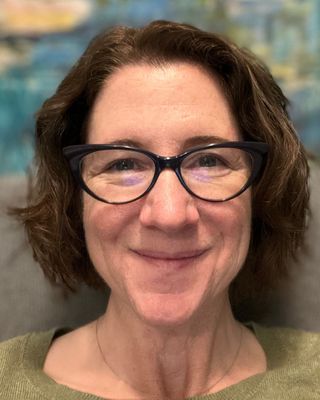
Hosted by Cathy Swift Nagel
Clinical Social Work/Therapist, LCSW
This free, monthly virtual group offers licensed California therapists (LCSWs, LMFTs, LPCCs, psychologists) a safe, collegial space to connect, reflect, and consult. Facilitated by a licensed clinician, sessions focus on case consultation, ethical dilemmas, countertransference, and professional well-being—not supervision or therapy. Participants share de-identified cases, receive peer feedback, and process emotional challenges of clinical work. The group prioritizes confidentiality, mutual support, and reflective practice to reduce isolation, prevent burnout, and enhance clinical skill. Open to therapists across all settings and orientations who seek community, professional growth, and emotional support. Space is limited to maintain depth and connection.
The impact of bringing a child into the world can be challenging to navigate, but as fathers we can strengthen one another. In this group we will be looking at our own experiences in childhood and what was modeled by our parents to better understand how to move towards being the fathers and partners we want to be. This is a small, in person group of four to six dads that will meet weekly for six weeks.

Hosted by Scott Silverstein
Marriage & Family Therapist, MA, LMFT
The impact of bringing a child into the world can be challenging to navigate, but as fathers we can strengthen one another. In this group we will be looking at our own experiences in childhood and what was modeled by our parents to better understand how to move towards being the fathers and partners we want to be. This is a small, in person group of four to six dads that will meet weekly for six weeks.
You will be sharing a dream, walking through it as you tell it like a story. With a focused inquiry and and reflection on the symbols in your dream you will experience the guidance and support your dreams can offer. Connect to your dreams yourself, your wisdom, and others.
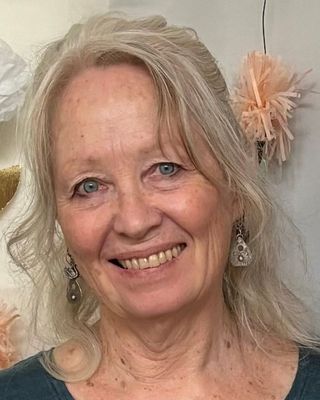
Hosted by Dana Locke
Marriage & Family Therapist, MA, LMFT
You will be sharing a dream, walking through it as you tell it like a story. With a focused inquiry and and reflection on the symbols in your dream you will experience the guidance and support your dreams can offer. Connect to your dreams yourself, your wisdom, and others.
Have you lost someone important in your life? You don’t have to navigate grief alone. This virtual group connects adults across California who understand what you're going through and are also processing loss. Grief is a natural part of life, but it can feel isolating without support. In this 8-week group, you’ll find a compassionate, judgment-free space to share, connect, and begin to heal. Together, we’ll build a supportive community where you can explore your feelings and feel less alone. Starting February 23rd , 2026. Limited sliding scale spots available. Reach out to learn more!

Hosted by Sarah M Cybulski
Marriage & Family Therapist, LMFT
Have you lost someone important in your life? You don’t have to navigate grief alone. This virtual group connects adults across California who understand what you're going through and are also processing loss. Grief is a natural part of life, but it can feel isolating without support. In this 8-week group, you’ll find a compassionate, judgment-free space to share, connect, and begin to heal. Together, we’ll build a supportive community where you can explore your feelings and feel less alone. Starting February 23rd , 2026. Limited sliding scale spots available. Reach out to learn more!
Hello shy introvert! Do you have an Inner Critic that won’t quit? From morning to night, that critical voice in your head says things like, “what’s wrong with me?” & “I’m going to disappoint everyone!” Our dating & social anxiety group can help you find calm, confidence, & companionship. Learn practical, evidence-based techniques for working with & ultimately eliminating your anxiety. Connect with like-minded peers & practice new skills in a safe environment. Gain the self-esteem and courage needed to build deep, satisfying relationships. Sign up at socialanxietysupportcenter.com

Hosted by Social Anxiety Support Center
Marriage & Family Therapist, MFT, RDT
Hello shy introvert! Do you have an Inner Critic that won’t quit? From morning to night, that critical voice in your head says things like, “what’s wrong with me?” & “I’m going to disappoint everyone!” Our dating & social anxiety group can help you find calm, confidence, & companionship. Learn practical, evidence-based techniques for working with & ultimately eliminating your anxiety. Connect with like-minded peers & practice new skills in a safe environment. Gain the self-esteem and courage needed to build deep, satisfying relationships. Sign up at socialanxietysupportcenter.com
I developed a gift for dream interpretation early in life. In this group participants practice and gradually gain expertise in the interpretation of their own dreams. We discuss the nature of symbolic dream material, metaphors, archetypes, world mythologies and psychodynamic patterns and processes that reveal themselves in our dream life. I have been practicing dream interpretation for almost 40 year, teaching at the Sophia Center of Holy Names University in Oakland, CA for 15 years and now at the Osher Lifelong Learning Institute of UC Berkeley.

Hosted by Barry Steven Friedman
Marriage & Family Therapist, PhD, MFT
I developed a gift for dream interpretation early in life. In this group participants practice and gradually gain expertise in the interpretation of their own dreams. We discuss the nature of symbolic dream material, metaphors, archetypes, world mythologies and psychodynamic patterns and processes that reveal themselves in our dream life. I have been practicing dream interpretation for almost 40 year, teaching at the Sophia Center of Holy Names University in Oakland, CA for 15 years and now at the Osher Lifelong Learning Institute of UC Berkeley.
A virtual 75 min. weekly support group (8 sessions duration) for those who identify as artists and mothers. Each member will have space to voice their unique experiences about what it is like to be an artist and a mother in today’s ecological and political climate. Together, we will share and learn. This group is for ALL kinds of creatives.
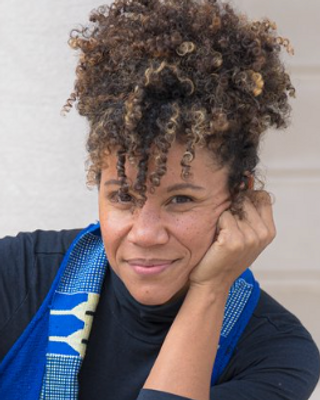
A virtual 75 min. weekly support group (8 sessions duration) for those who identify as artists and mothers. Each member will have space to voice their unique experiences about what it is like to be an artist and a mother in today’s ecological and political climate. Together, we will share and learn. This group is for ALL kinds of creatives.
DO ANY OF THE FOLLOWING RESONATE WITH YOU? You are noticing that your use has crept into a lot of different parts of your life. You are curious about what life would be like if you focused on the things that mattered in life instead of drinking so much. Come explore why you are drinking so much in a safe place!

Hosted by Liberty Star Velez
Marriage & Family Therapist, LMFT
DO ANY OF THE FOLLOWING RESONATE WITH YOU? You are noticing that your use has crept into a lot of different parts of your life. You are curious about what life would be like if you focused on the things that mattered in life instead of drinking so much. Come explore why you are drinking so much in a safe place!
True Yang Somatic Ketamine Therapy offers somatic and ketamine-assisted therapy for the healing of trauma. Somatic therapy is based in the neuroscience of attachment. Together, you and your therapist will navigate an exploration of the “imprints” in your nervous system that were formed in early childhood. You will learn how to tend to the parts of yourself that carry wounds from early childhood and how to care holistically for your body, mind and heart.

Hosted by Angela Allan
Marriage & Family Therapist, LMFT
True Yang Somatic Ketamine Therapy offers somatic and ketamine-assisted therapy for the healing of trauma. Somatic therapy is based in the neuroscience of attachment. Together, you and your therapist will navigate an exploration of the “imprints” in your nervous system that were formed in early childhood. You will learn how to tend to the parts of yourself that carry wounds from early childhood and how to care holistically for your body, mind and heart.
This 12-week online therapy group starting October 2025 offers autistic adults a supportive space to connect, share experiences, and build protective strategies for navigating a neurotypical world. Co-facilitated by two neurodivergent therapists, the group will use The Autistic Burnout Workbook by Dr. Megan Anna Neff (with additional material from The Unmasking Workbook). Together we’ll focus on skills for sensory self-care, improving sleep, reducing burnout risk, and unmasking safely. $40 per session with lower fee slots. Insurance accepted (Aetna, Optum, UHC, UMR). No formal diagnosis required. To register for the next series, email me and we can schedule an intake interview.

Hosted by Sage Barrett
Associate Clinical Social Worker, MSW, ASW
This 12-week online therapy group starting October 2025 offers autistic adults a supportive space to connect, share experiences, and build protective strategies for navigating a neurotypical world. Co-facilitated by two neurodivergent therapists, the group will use The Autistic Burnout Workbook by Dr. Megan Anna Neff (with additional material from The Unmasking Workbook). Together we’ll focus on skills for sensory self-care, improving sleep, reducing burnout risk, and unmasking safely. $40 per session with lower fee slots. Insurance accepted (Aetna, Optum, UHC, UMR). No formal diagnosis required. To register for the next series, email me and we can schedule an intake interview.
It’s time to shift the narrative of perimenopause. Thriving in Community is designed to be a supportive container for women in California navigating the (often bumpy) perimenopause transition. If you are craving connection, understanding and a safe place to process your experience. Join us. The group will be part talk, part creative process, and part psychoeducation. This group is specifically for women living in the state of California. Enrolling now. Reach out for more information.

Hosted by Perimenopause and Midlife Mental Health
Marriage & Family Therapist, MA, LMFT
It’s time to shift the narrative of perimenopause. Thriving in Community is designed to be a supportive container for women in California navigating the (often bumpy) perimenopause transition. If you are craving connection, understanding and a safe place to process your experience. Join us. The group will be part talk, part creative process, and part psychoeducation. This group is specifically for women living in the state of California. Enrolling now. Reach out for more information.
Introducing a teletherapy process/support group to assist adolescents struggling to cope with their current environment due to the recent global pandemic.
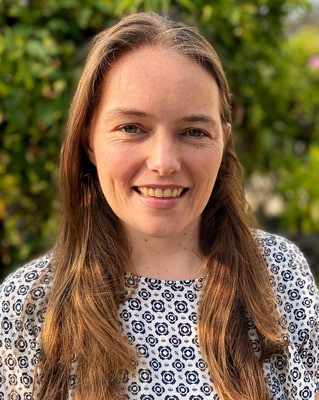
Hosted by Bridge Psych Services - Dr. Aisling Forbes
Introducing a teletherapy process/support group to assist adolescents struggling to cope with their current environment due to the recent global pandemic.
An 8-week virtual support group open to early career Latinx women in California, who are seeking to build community and engage in conversations about the unique challenges experienced in the workplace. In addition, we will discuss marianismo and cultural expectations when showing up for our families while maintaining our professional development. The aim is that through this group, participants will learn tools and gain the confidence to take up space and show up authentically and fully both in personal and professional spaces. Group begins February 21,2024 through April 10, 2024.

Hosted by Nancy Rodriguez
An 8-week virtual support group open to early career Latinx women in California, who are seeking to build community and engage in conversations about the unique challenges experienced in the workplace. In addition, we will discuss marianismo and cultural expectations when showing up for our families while maintaining our professional development. The aim is that through this group, participants will learn tools and gain the confidence to take up space and show up authentically and fully both in personal and professional spaces. Group begins February 21,2024 through April 10, 2024.
Please see website for detailed info: http://www.oaklanddbtcenter.com
Hosted by Oakland DBT and Mindfulness Center
Marriage & Family Therapist, LMFT
Please see website for detailed info: http://www.oaklanddbtcenter.com
This group provides a safe space to work together with other adults motivated to recover from eating disorders.
Hosted by Jill Erin Sulka
This group provides a safe space to work together with other adults motivated to recover from eating disorders.
Emotional Regulation & Social Skills: Could your child use help managing big feelings and impulses? This group draws from Michelle Garcia-Winner's social thinking curriculum, using a narrative-based approach to these behaviors by externalizing them as "Unthinkables" characters that your child will learn to combat - just like their favorite superheroes! Using a group format, your child can connect to peers who have similar struggles and develop skills in these areas and build new friendships. This is a great group for children with ADHD or high-functioning ASD. Neither diagnosis is required to join the group.
Emotional Regulation & Social Skills: Could your child use help managing big feelings and impulses? This group draws from Michelle Garcia-Winner's social thinking curriculum, using a narrative-based approach to these behaviors by externalizing them as "Unthinkables" characters that your child will learn to combat - just like their favorite superheroes! Using a group format, your child can connect to peers who have similar struggles and develop skills in these areas and build new friendships. This is a great group for children with ADHD or high-functioning ASD. Neither diagnosis is required to join the group.
This group meets weekly. It is an intimate group with a six person maximum. Clients explore issues related to managing emotions, strengthening self esteem, and deepening interpersonal relationships. The group offers a combination of psycho-education, support, and interpersonal process. Members feel greatly supported in the group and recognize positive change in their lives as a result of the group process.

Hosted by Tina Bollendorf
Marriage & Family Therapist, MFT
This group meets weekly. It is an intimate group with a six person maximum. Clients explore issues related to managing emotions, strengthening self esteem, and deepening interpersonal relationships. The group offers a combination of psycho-education, support, and interpersonal process. Members feel greatly supported in the group and recognize positive change in their lives as a result of the group process.
The Teen Art Therapy group is for girls, genderqueer, non-binary, and trans teens in High School between the ages of 14-18. This art therapy group integrates therapeutic art making, journaling, and talk therapy and focuses on self esteem, social skills, transitions, relationships, body image, identity, and managing stress and symptoms such as anxiety and depression. (For 18 year olds who are no longer in high school, we have a young adult group.) Sundays 5:30-7:00pm $80 / 90 min session. Facilitated by Lauren Chester, MPS, ATR-BC, LCAT (she/they)

Hosted by East Bay Art Therapy
Art Therapist, MPS, ATR-BC, LCAT, ATCS
The Teen Art Therapy group is for girls, genderqueer, non-binary, and trans teens in High School between the ages of 14-18. This art therapy group integrates therapeutic art making, journaling, and talk therapy and focuses on self esteem, social skills, transitions, relationships, body image, identity, and managing stress and symptoms such as anxiety and depression. (For 18 year olds who are no longer in high school, we have a young adult group.) Sundays 5:30-7:00pm $80 / 90 min session. Facilitated by Lauren Chester, MPS, ATR-BC, LCAT (she/they)
This Fall, we’re offering a therapy group for women returning to the dating world after time away—due to divorce, loss, parenting, or personal growth. Through a somatic, psychodynamic, and relational lens, we’ll explore how nervous system patterns, attachment history, and life experience shape connection. Participants will clarify what they want in relationships while also reconnecting with themselves. The group offers support, reflection, and shared experience in a nonjudgmental space. We begin with an in-person session in nature, followed by weekly virtual meetings. Co-facilitated by two licensed clinical social workers. Prior individual therapy experience is recommended.
Hosted by Eva Klein
Clinical Social Work/Therapist, LCSW
This Fall, we’re offering a therapy group for women returning to the dating world after time away—due to divorce, loss, parenting, or personal growth. Through a somatic, psychodynamic, and relational lens, we’ll explore how nervous system patterns, attachment history, and life experience shape connection. Participants will clarify what they want in relationships while also reconnecting with themselves. The group offers support, reflection, and shared experience in a nonjudgmental space. We begin with an in-person session in nature, followed by weekly virtual meetings. Co-facilitated by two licensed clinical social workers. Prior individual therapy experience is recommended.
See more therapy options for Oakland
FAQs - About Group Therapy and Support Groups
How can I find a support group in Oakland?
To find a support group in your area, start by entering your city, zip code, or the name of the group into the search bar at the top of the page. When searching, consider whether you prefer an in-person or virtual group. This can help you decide how broad your geographic search should be. If you are open to virtual groups, you might want to search by state instead of just your city, especially if there are limited options nearby.
Once you complete your search, you can use the filters to narrow the results by selecting specialties (such as grief, trauma, or eating disorders), therapeutic approaches, age groups, and other criteria to find a group that best fits your needs.
How does group therapy work?
Group therapy is led by one or more trained therapists and provides a space where participants can process their experiences and learn from others facing similar challenges. Groups may focus on a specific issue—such as addiction, grief, physical illnesses, parenting, or caregiving—or they may center around a particular therapeutic approach, such as Cognitive Behavioral Therapy (CBT), social skill development, or Exposure Therapy. Some groups are also designed for specific populations, such as teens, veterans, or LGBTQ+ individuals.
It’s also important to distinguish group therapy from peer-led support groups, like Alcoholics Anonymous. While both can offer valuable support, therapy groups are typically led by licensed professionals and follow a more structured format. Therapy groups often meet for a fixed length of time with a consistent group of members, while many peer support groups meet for an indefinite period of time with members coming and going.
What are the benefits of group therapy?
Group therapy offers several important benefits. It brings together people facing similar challenges—whether related to mental health, physical health, or life transitions—and creates a supportive environment where participants can exchange feedback, share experiences, and learn from one another. Hearing different perspectives can help individuals discover new coping strategies and practical tools they may not have encountered on their own. Sharing personal experiences, such as coping with a serious illness or navigating family struggles, can also reduce feelings of isolation and foster a sense of connection and understanding. In addition to emotional support, group members often gain useful, real-world advice from peers who have faced similar situations.
Group therapy is typically more affordable than individual therapy and, for certain conditions, can be equally effective. Many groups also include structured activities—such as guided journaling, cognitive-behavioral exercises, or role-playing—to help participants develop concrete skills they can apply in daily life.
Is group therapy as effective as individual therapy?
It is difficult to make a blanket statement about the effectiveness of support groups, as they vary widely in focus and the conditions they address. However, support groups can be highly valuable in helping individuals gain emotional support and achieve meaningful treatment outcomes. For certain conditions, such as substance use, research has shown that group therapy can be particularly effective—sometimes just as effective as individual therapy—in supporting long-term recovery.
Many professionals attribute the effectiveness of group therapy to the unique benefits of the group setting, which fosters peer-to-peer learning and a sense of connection through shared experiences. Group settings also offer accountability and encouragement from both facilitators and fellow participants, which helps sustain motivation and supports continued progress. These factors together play a key role in promoting the overall effectiveness of group therapy.
How much does group therapy cost?
Group therapy is typically less expensive than individual therapy, with sessions typically costing between 50and50 and 50and75 each. In comparison, individual therapy can cost anywhere from 100to100 to 100to200 or more per session, even with insurance. Some therapists or organizations offer low-cost or free group therapy options, particularly through community centers or nonprofit organizations. In some cases, groups may require payment upfront for a set number of sessions, such as paying for six weekly sessions at the first meeting. However, many providers offer payment plans to help make participation more accessible if this upfront payment is required.
Does insurance cover group therapy?
As with individual therapy, insurance coverage for group therapy varies based on factors such as your specific insurance plan, the purpose of the group, your diagnosis, and whether the group provider is in-network. Many insurance plans cover group therapy sessions that address diagnosable mental health conditions, such as substance use disorders, anxiety, or depression.
However, groups that focus on topics not directly tied to a mental health diagnosis—such as parenting support or divorce recovery—are less likely to be covered. Because coverage can vary widely, it’s important to check with your insurance provider before joining a group to confirm whether the sessions will be covered and what out-of-pocket costs you may be responsible for.
How long does group therapy last?
The length of each group therapy session typically ranges from 45 minutes to two hours, depending on the therapy approach, the group’s goals, and how often the group meets. In some cases, group therapy is part of a larger treatment program, such as an Intensive Outpatient Program (IOP), where group sessions complement individual therapy and are scheduled as part of the program’s overall structure.
The duration of participation in a group also varies. Some groups are designed to be short-term, lasting anywhere from 6 to 24 weeks—for example, bereavement groups or skills-based groups like those using Dialectical Behavioral Therapy (DBT). Other groups may be longer-term, lasting a year or more, and some ongoing support groups meet indefinitely, allowing participants to stay as long as they find the group helpful.
What are the limitations of support groups?
Support groups offer many benefits, but they also have certain limitations. Unlike therapy groups, many support groups do not provide formal therapeutic treatment and are not led by licensed mental health professionals. For individuals seeking clinical treatment for specific mental health diagnoses—such as depression, eating disorders, or substance use—individual therapy or group therapy led by a licensed professional may offer more personalized and specialized care.
The effectiveness of a support group also depends heavily on the group’s participants and the overall group dynamic. When members engage respectfully and offer constructive support, the group can foster valuable peer-to-peer learning. However, if certain participants dominate discussions, provide inaccurate advice, or create conflict, it can disrupt the group’s sense of safety and reduce its effectiveness. Confidentiality can also be harder to maintain in support groups, particularly in open groups where participants can join or leave at any time. With new members regularly entering the group, it can be more difficult to build and sustain a consistent sense of trust and privacy.