Group Therapy and Support Groups in San Diego, CA (original) (raw)
Support Groups in San Diego, CA
Fatherhood can feel overwhelming. This support group helps dads navigate stress, relationships, and daily demands in a supportive space. Connect with other fathers, share experiences, and build coping tools for balance, growth, and resilience. Whether you're a new dad or seasoned parent, this group offers room to reflect and recharge. I am currently building the next group — reach out and I'll add you to the interest list and contact you when a new group becomes available. If you're interested in individual therapy as well, let me know and we can schedule a consultation call to get started.

Hosted by Brandon Wong
Associate Clinical Social Worker, ASW
Fatherhood can feel overwhelming. This support group helps dads navigate stress, relationships, and daily demands in a supportive space. Connect with other fathers, share experiences, and build coping tools for balance, growth, and resilience. Whether you're a new dad or seasoned parent, this group offers room to reflect and recharge. I am currently building the next group — reach out and I'll add you to the interest list and contact you when a new group becomes available. If you're interested in individual therapy as well, let me know and we can schedule a consultation call to get started.
The DBT Center of San Diego PC (DBTCSD) provides comprehensive Dialectical Behavior Therapy (DBT) for people struggling with challenging emotional and behavioral issues, including borderline personality disorder (BPD), bipolar disorder, self-injury, and suicidality. DBT involves powerful strategies for change balanced with acceptance and compassion.

Hosted by Dialectical Behavior Therapy Center of San Diego
The DBT Center of San Diego PC (DBTCSD) provides comprehensive Dialectical Behavior Therapy (DBT) for people struggling with challenging emotional and behavioral issues, including borderline personality disorder (BPD), bipolar disorder, self-injury, and suicidality. DBT involves powerful strategies for change balanced with acceptance and compassion.
A support group for pregnant and postpartum birthing parents in Eating Disorder Recovery. All stages of recovery and parenthood welcome!

Hosted by Allyson Ford Eating Disorder & OCD Therapist
Licensed Professional Counselor, MA, LPCC
A support group for pregnant and postpartum birthing parents in Eating Disorder Recovery. All stages of recovery and parenthood welcome!
In the San Diego Region, there are over 143,000 active duty personnel. Hundreds of their spouses consist of Japanese women whom these active duty members met while they were stationed in Japan and brought to the US. Some studies indicated the divorce rate among members of the U.S. military is almost twice the average national divorce rate. This group was created for these Japanese military wives who struggle in their marriage while living in a foreign environment. Group members get opportunities to address their issues and support to each other in a therepeutic environment.

Hosted by Ken Noguchi
Marriage & Family Therapist, MA, LMFT
In the San Diego Region, there are over 143,000 active duty personnel. Hundreds of their spouses consist of Japanese women whom these active duty members met while they were stationed in Japan and brought to the US. Some studies indicated the divorce rate among members of the U.S. military is almost twice the average national divorce rate. This group was created for these Japanese military wives who struggle in their marriage while living in a foreign environment. Group members get opportunities to address their issues and support to each other in a therepeutic environment.
This virtual Women’s Support Group offers a warm, safe space to share experiences, challenges, and triumphs in community. Together, we’ll practice compassionate communication, deep listening, and authentic connection—with others and with ourselves. Themes include navigating relationships, managing stress and overwhelm, cultivating self-compassion, finding your voice, and moving through life transitions with support. Through empathy, reflection, and gentle practice, members experience the healing power of being seen, heard, and understood. This group welcomes women, including trans women and nonbinary people who feel aligned with womanhood, seeking connection, personal growth, and a sense of belonging.

Hosted by Maggie Tysor
Marriage & Family Therapist, MA, LMFT
This virtual Women’s Support Group offers a warm, safe space to share experiences, challenges, and triumphs in community. Together, we’ll practice compassionate communication, deep listening, and authentic connection—with others and with ourselves. Themes include navigating relationships, managing stress and overwhelm, cultivating self-compassion, finding your voice, and moving through life transitions with support. Through empathy, reflection, and gentle practice, members experience the healing power of being seen, heard, and understood. This group welcomes women, including trans women and nonbinary people who feel aligned with womanhood, seeking connection, personal growth, and a sense of belonging.
At SoCal Wellness we are currently accepting new clients. We are out-of-network providers, however our office will assist you in filing for reimbursement if you have out-of-network benefits. We also have a limited number of cash pay openings. Appointment times are flexible including Saturdays & late afternoon. Telepsychiatry is also available.

Hosted by Lauren Prasek
Psychiatric Nurse Practitioner, MSN, PMHNP
At SoCal Wellness we are currently accepting new clients. We are out-of-network providers, however our office will assist you in filing for reimbursement if you have out-of-network benefits. We also have a limited number of cash pay openings. Appointment times are flexible including Saturdays & late afternoon. Telepsychiatry is also available.
I facilitate Anger Management groups that are Court approved for 12 hour ( 8 sessions ) requirements. Groups are structured and help you to examine your triggers and your coping methods. I use humor in a casual, comfortable setting. Groups form on a rolling basis, so please check with me to see when the next group forms. Cost per group is 37.50(37.50 (37.50(25 per hour).

Hosted by Kiefer Rich
Marriage & Family Therapist, MS, LMFT
I facilitate Anger Management groups that are Court approved for 12 hour ( 8 sessions ) requirements. Groups are structured and help you to examine your triggers and your coping methods. I use humor in a casual, comfortable setting. Groups form on a rolling basis, so please check with me to see when the next group forms. Cost per group is 37.50(37.50 (37.50(25 per hour).
I am hosting a small group wellness retreat in Italy May 18-May 23 designed for women seeking rest, clarity, and deeper self connection. Set in the Italian countryside, this retreat includes therapeutic workshops, guided reflection, nervous system regulation practices, and intentional group connection, alongside beautiful meals, spacious downtime, and cultural experiences. This experience is for women who want to step away from daily demands and return home feeling grounded, emotionally clear, and deeply restored. Register Now on my Website!

Hosted by Lauren Zamora
Marriage & Family Therapist, MS, LMFT
I am hosting a small group wellness retreat in Italy May 18-May 23 designed for women seeking rest, clarity, and deeper self connection. Set in the Italian countryside, this retreat includes therapeutic workshops, guided reflection, nervous system regulation practices, and intentional group connection, alongside beautiful meals, spacious downtime, and cultural experiences. This experience is for women who want to step away from daily demands and return home feeling grounded, emotionally clear, and deeply restored. Register Now on my Website!
This ongoing group is for men with anxiety and/or depression who have trouble feeling isolated. Participants are high-functioning professionals who have difficulty sustaining close relationships, and sessions involve using the group as a type of "laboratory" to try out new ways of interacting with each other. Participants have regular out-of-session "homework" assignments which involve practicing some new behaviors designed to extend their comfort levels and to enhance their social support. Members support and challenge each other as they work toward their respective goals. https://www.menexcel.com/

Hosted by Dr. Daniel Singley
This ongoing group is for men with anxiety and/or depression who have trouble feeling isolated. Participants are high-functioning professionals who have difficulty sustaining close relationships, and sessions involve using the group as a type of "laboratory" to try out new ways of interacting with each other. Participants have regular out-of-session "homework" assignments which involve practicing some new behaviors designed to extend their comfort levels and to enhance their social support. Members support and challenge each other as they work toward their respective goals. https://www.menexcel.com/
Therapy, in Motion! We learn & practice with a dynamic tool kit of resources to move through life, fully embodied - supporting self-discovery, connection & healing. Through structured exercises, verbal guidance, open periods of dance/movement, & supportive music, I guide students through the phases of the Movement Cycle: Open Attention (arriving, warming up and preparing the body for movement); Enter (the body, a theme and the present moment); Explore (broadening, deepening, expanding and moving with Core Movement Resources); Settle (digest, integrate, helping re-map the nervous system & allowing new embodied pathways to be encoded).

Hosted by Michelle Marie Kilcoyne
Clinical Social Work/Therapist, LCSW, MSW, MPH, CMP
Therapy, in Motion! We learn & practice with a dynamic tool kit of resources to move through life, fully embodied - supporting self-discovery, connection & healing. Through structured exercises, verbal guidance, open periods of dance/movement, & supportive music, I guide students through the phases of the Movement Cycle: Open Attention (arriving, warming up and preparing the body for movement); Enter (the body, a theme and the present moment); Explore (broadening, deepening, expanding and moving with Core Movement Resources); Settle (digest, integrate, helping re-map the nervous system & allowing new embodied pathways to be encoded).
California Association of Marriage and Family Therapists

Hosted by Douglas L Gosney
Marriage & Family Therapist, PsyD , LMFT, SEP, IFS-2, IFIO
California Association of Marriage and Family Therapists
This is an intensive eight hour weekend workshop for couples who wish to improve their communication/conflict resolution, intimacy, friendship and understanding of one another. Due to the sensitive nature of the content discussed, this relationship workshop is conducted with one couple at a time. Couples may opt to stay at a hotel adjacent to my office and within walking distance of the UTC shopping center where there are many fine dining and shopping options. The workshop is tailored specifically for the relationship goals of each couple. I can also travel to your home to conduct the workshop, if you do not wish to travel.

Hosted by Mary White
Marriage & Family Therapist, LMFT, CA95171
This is an intensive eight hour weekend workshop for couples who wish to improve their communication/conflict resolution, intimacy, friendship and understanding of one another. Due to the sensitive nature of the content discussed, this relationship workshop is conducted with one couple at a time. Couples may opt to stay at a hotel adjacent to my office and within walking distance of the UTC shopping center where there are many fine dining and shopping options. The workshop is tailored specifically for the relationship goals of each couple. I can also travel to your home to conduct the workshop, if you do not wish to travel.
Advance Your Schema Therapy Skills! Are you a licensed mental health professional ready to help clients move past stuck points in therapy? This live, interactive training offers Schema Therapy strategies for clients experiencing therapeutic impasses. You’ll Learn: • Schema assessment and mode conceptualization • Interventions you can use immediately: imagery rescripting, chair work, mode dialogues, limited reparenting • Strategies to overcome therapy blocks .Tools to support clients Why Attend: • Practical skills you can apply right away • Earn 10 continuing education units • Obtain 10 hours toward your certification through the Academy of Cognitive and Behavioral Therapy • Small, personalized groupof 4–6 participants

Hosted by Sherry Reasbeck
Marriage & Family Therapist, PhD, MFT
Advance Your Schema Therapy Skills! Are you a licensed mental health professional ready to help clients move past stuck points in therapy? This live, interactive training offers Schema Therapy strategies for clients experiencing therapeutic impasses. You’ll Learn: • Schema assessment and mode conceptualization • Interventions you can use immediately: imagery rescripting, chair work, mode dialogues, limited reparenting • Strategies to overcome therapy blocks .Tools to support clients Why Attend: • Practical skills you can apply right away • Earn 10 continuing education units • Obtain 10 hours toward your certification through the Academy of Cognitive and Behavioral Therapy • Small, personalized groupof 4–6 participants
A small group to sail in San Diego bay. We will focus on mindfulness, calm, team building, learning to sail. To discuss life events, coping strategies and build social support.This happens when the weather is warmer. I am a lic US boat Captain. Other groups in office or out doors to be announced.

Hosted by Candace Lyn Redcliff
Clinical Social Work/Therapist, LCSW
A small group to sail in San Diego bay. We will focus on mindfulness, calm, team building, learning to sail. To discuss life events, coping strategies and build social support.This happens when the weather is warmer. I am a lic US boat Captain. Other groups in office or out doors to be announced.
Learn positive ways to deal with parenting issues with Positive Discipline (positivediscipline.com): bedtime routines, talking back, chores not done, sibling rivalry, and much more. PD presents fun way to learn 50+ tools to approach parenting in a new way and it works! $150 for 6 wks, for Parents (of children ages 4-12), Parents of Teens. Please call or email for more details.
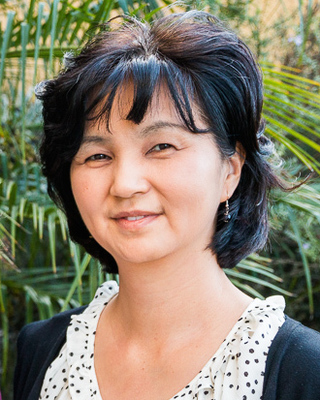
Hosted by Janet Choung
Marriage & Family Therapist, MS, LMFT
Learn positive ways to deal with parenting issues with Positive Discipline (positivediscipline.com): bedtime routines, talking back, chores not done, sibling rivalry, and much more. PD presents fun way to learn 50+ tools to approach parenting in a new way and it works! $150 for 6 wks, for Parents (of children ages 4-12), Parents of Teens. Please call or email for more details.
Our center provides counseling and Neurofeedback services. Trauma impacts the brain’s ability to regulate effectively. Neurofeedback helps your nervous system to shift to appropriate states, stabilize uncomfortable and dysregulated physiological symptoms, and strengthen appropriate brain performances. Thereby reducing anxiety and depression symptoms related to trauma exposure. We specialize in working with children, teens, and adults who are struggling with symptoms of Anxiety, ADHD, Autism Spectrum Disorder, and PTSD.
Hosted by San Diego Therapy Center & Neurofeedback
Our center provides counseling and Neurofeedback services. Trauma impacts the brain’s ability to regulate effectively. Neurofeedback helps your nervous system to shift to appropriate states, stabilize uncomfortable and dysregulated physiological symptoms, and strengthen appropriate brain performances. Thereby reducing anxiety and depression symptoms related to trauma exposure. We specialize in working with children, teens, and adults who are struggling with symptoms of Anxiety, ADHD, Autism Spectrum Disorder, and PTSD.
In an effort to support community healing and make therapy more financially accessible The Black Women’s Collective is back. This will be a space to learn and practice skills. An opportunity to build community. And a chance for personal growth. The goal is to support you in finding useful coping skills , moments of healing, and tap into self love all within community. For more information please reach out.

Hosted by Kendall Stewart
Marriage & Family Therapist, LMFT
In an effort to support community healing and make therapy more financially accessible The Black Women’s Collective is back. This will be a space to learn and practice skills. An opportunity to build community. And a chance for personal growth. The goal is to support you in finding useful coping skills , moments of healing, and tap into self love all within community. For more information please reach out.
Join us for a skills based group to learn self compassion and cognitive behavioral skills to help decrease stress. This is a great starting point for all clients to brush up on skills prior to doing the deeper work.

Hosted by Hope for Healers
Marriage & Family Therapist, MA, LMFT
Join us for a skills based group to learn self compassion and cognitive behavioral skills to help decrease stress. This is a great starting point for all clients to brush up on skills prior to doing the deeper work.
Weight 2 Eat will teach you about the important behaviors associated with long-term weight control. It focuses on BEHAVIORAL strategies for weight control and HEALTHY NUTRITION. Groups contain 6-12 people. It includes 16 weekly (1 hour) sessions over 4 months. Each week includes a new daily topic related to successful weight control. Find out when the next enrollment begins. Topics include: Balanced and Healthy Diet Lifestyle Activity and Exercise Mood and Food Emotional Eating Binge Eating Restaurant Eating Meal Planning Managing Cravings Mindful Eating Triggers and Cues to Eating Overcoming Obstacles Goal Setting Time Management Weight Maintenance for Long Term Success .....and more

Hosted by everyBody Behavioral Health
Weight 2 Eat will teach you about the important behaviors associated with long-term weight control. It focuses on BEHAVIORAL strategies for weight control and HEALTHY NUTRITION. Groups contain 6-12 people. It includes 16 weekly (1 hour) sessions over 4 months. Each week includes a new daily topic related to successful weight control. Find out when the next enrollment begins. Topics include: Balanced and Healthy Diet Lifestyle Activity and Exercise Mood and Food Emotional Eating Binge Eating Restaurant Eating Meal Planning Managing Cravings Mindful Eating Triggers and Cues to Eating Overcoming Obstacles Goal Setting Time Management Weight Maintenance for Long Term Success .....and more
An affirming group for neurodivergent (autistic or ADHD) adults to find support and build community among like-minded peers. This group includes aspects of a traditional process group, with added emphasis on creating and sustaining relationships and finding support. Additionally, this group integrates art therapy, crafting and other activities to help foster connection.

Hosted by Patty Palmer: ADHD and Autism Affirming Therapist
Associate Marriage & Family Therapist, MA, AMFT
An affirming group for neurodivergent (autistic or ADHD) adults to find support and build community among like-minded peers. This group includes aspects of a traditional process group, with added emphasis on creating and sustaining relationships and finding support. Additionally, this group integrates art therapy, crafting and other activities to help foster connection.
See more therapy options for San Diego
FAQs - About Group Therapy and Support Groups
How can I find a support group in San Diego?
To find a support group in your area, start by entering your city, zip code, or the name of the group into the search bar at the top of the page. When searching, consider whether you prefer an in-person or virtual group. This can help you decide how broad your geographic search should be. If you are open to virtual groups, you might want to search by state instead of just your city, especially if there are limited options nearby.
Once you complete your search, you can use the filters to narrow the results by selecting specialties (such as grief, trauma, or eating disorders), therapeutic approaches, age groups, and other criteria to find a group that best fits your needs.
How does group therapy work?
Group therapy is led by one or more trained therapists and provides a space where participants can process their experiences and learn from others facing similar challenges. Groups may focus on a specific issue—such as addiction, grief, physical illnesses, parenting, or caregiving—or they may center around a particular therapeutic approach, such as Cognitive Behavioral Therapy (CBT), social skill development, or Exposure Therapy. Some groups are also designed for specific populations, such as teens, veterans, or LGBTQ+ individuals.
It’s also important to distinguish group therapy from peer-led support groups, like Alcoholics Anonymous. While both can offer valuable support, therapy groups are typically led by licensed professionals and follow a more structured format. Therapy groups often meet for a fixed length of time with a consistent group of members, while many peer support groups meet for an indefinite period of time with members coming and going.
What are the benefits of group therapy?
Group therapy offers several important benefits. It brings together people facing similar challenges—whether related to mental health, physical health, or life transitions—and creates a supportive environment where participants can exchange feedback, share experiences, and learn from one another. Hearing different perspectives can help individuals discover new coping strategies and practical tools they may not have encountered on their own. Sharing personal experiences, such as coping with a serious illness or navigating family struggles, can also reduce feelings of isolation and foster a sense of connection and understanding. In addition to emotional support, group members often gain useful, real-world advice from peers who have faced similar situations.
Group therapy is typically more affordable than individual therapy and, for certain conditions, can be equally effective. Many groups also include structured activities—such as guided journaling, cognitive-behavioral exercises, or role-playing—to help participants develop concrete skills they can apply in daily life.
Is group therapy as effective as individual therapy?
It is difficult to make a blanket statement about the effectiveness of support groups, as they vary widely in focus and the conditions they address. However, support groups can be highly valuable in helping individuals gain emotional support and achieve meaningful treatment outcomes. For certain conditions, such as substance use, research has shown that group therapy can be particularly effective—sometimes just as effective as individual therapy—in supporting long-term recovery.
Many professionals attribute the effectiveness of group therapy to the unique benefits of the group setting, which fosters peer-to-peer learning and a sense of connection through shared experiences. Group settings also offer accountability and encouragement from both facilitators and fellow participants, which helps sustain motivation and supports continued progress. These factors together play a key role in promoting the overall effectiveness of group therapy.
How much does group therapy cost?
Group therapy is typically less expensive than individual therapy, with sessions typically costing between 50and50 and 50and75 each. In comparison, individual therapy can cost anywhere from 100to100 to 100to200 or more per session, even with insurance. Some therapists or organizations offer low-cost or free group therapy options, particularly through community centers or nonprofit organizations. In some cases, groups may require payment upfront for a set number of sessions, such as paying for six weekly sessions at the first meeting. However, many providers offer payment plans to help make participation more accessible if this upfront payment is required.
Does insurance cover group therapy?
As with individual therapy, insurance coverage for group therapy varies based on factors such as your specific insurance plan, the purpose of the group, your diagnosis, and whether the group provider is in-network. Many insurance plans cover group therapy sessions that address diagnosable mental health conditions, such as substance use disorders, anxiety, or depression.
However, groups that focus on topics not directly tied to a mental health diagnosis—such as parenting support or divorce recovery—are less likely to be covered. Because coverage can vary widely, it’s important to check with your insurance provider before joining a group to confirm whether the sessions will be covered and what out-of-pocket costs you may be responsible for.
How long does group therapy last?
The length of each group therapy session typically ranges from 45 minutes to two hours, depending on the therapy approach, the group’s goals, and how often the group meets. In some cases, group therapy is part of a larger treatment program, such as an Intensive Outpatient Program (IOP), where group sessions complement individual therapy and are scheduled as part of the program’s overall structure.
The duration of participation in a group also varies. Some groups are designed to be short-term, lasting anywhere from 6 to 24 weeks—for example, bereavement groups or skills-based groups like those using Dialectical Behavioral Therapy (DBT). Other groups may be longer-term, lasting a year or more, and some ongoing support groups meet indefinitely, allowing participants to stay as long as they find the group helpful.
What are the limitations of support groups?
Support groups offer many benefits, but they also have certain limitations. Unlike therapy groups, many support groups do not provide formal therapeutic treatment and are not led by licensed mental health professionals. For individuals seeking clinical treatment for specific mental health diagnoses—such as depression, eating disorders, or substance use—individual therapy or group therapy led by a licensed professional may offer more personalized and specialized care.
The effectiveness of a support group also depends heavily on the group’s participants and the overall group dynamic. When members engage respectfully and offer constructive support, the group can foster valuable peer-to-peer learning. However, if certain participants dominate discussions, provide inaccurate advice, or create conflict, it can disrupt the group’s sense of safety and reduce its effectiveness. Confidentiality can also be harder to maintain in support groups, particularly in open groups where participants can join or leave at any time. With new members regularly entering the group, it can be more difficult to build and sustain a consistent sense of trust and privacy.