Group Therapy and Support Groups in Illinois (original) (raw)
View cities and counties in Illinois
Support Groups in Illinois
We provide the highest quality therapeutic mental health, substance abuse and co-occurring services to assist individuals, children, couples and families through their most difficult and challenging times. https://www.myinnovativetherapist.com

Hosted by Lisa Marie Sabol
We provide the highest quality therapeutic mental health, substance abuse and co-occurring services to assist individuals, children, couples and families through their most difficult and challenging times. https://www.myinnovativetherapist.com
The Grief, Loss & Bereavement Support Group offers adults a supportive space to process grief at their own pace, alongside others who understand loss. Participants are invited to share experiences, reflect on the impact of loss, and receive support in a respectful, nonjudgmental environment. This group acknowledges that grief is not linear and that healing can begin through connection and shared understanding. This group is appropriate for individuals grieving the death of a loved one, complicated grief, or other significant losses.

The Grief, Loss & Bereavement Support Group offers adults a supportive space to process grief at their own pace, alongside others who understand loss. Participants are invited to share experiences, reflect on the impact of loss, and receive support in a respectful, nonjudgmental environment. This group acknowledges that grief is not linear and that healing can begin through connection and shared understanding. This group is appropriate for individuals grieving the death of a loved one, complicated grief, or other significant losses.
This ONLINE psychotherapy group is designed for men and women in midlife who are re-entering the dating world after long-term relationships or divorce. We explore attachment patterns, fear of rejection, sexual confidence, ambivalence about intimacy, and the emotional residue of past relationships. The group offers a contained, psychologically sophisticated space to examine how you show up in dating and how to shift long-standing relationship patterns. This is not dating advice. It is depth-oriented work that helps you date with clarity rather than repetition. Limited to 8 members.

Hosted by Nadia Greenspan
Counselor, LCPC, NCC, CGP
This ONLINE psychotherapy group is designed for men and women in midlife who are re-entering the dating world after long-term relationships or divorce. We explore attachment patterns, fear of rejection, sexual confidence, ambivalence about intimacy, and the emotional residue of past relationships. The group offers a contained, psychologically sophisticated space to examine how you show up in dating and how to shift long-standing relationship patterns. This is not dating advice. It is depth-oriented work that helps you date with clarity rather than repetition. Limited to 8 members.
Teen Space is a process group for girls in middle school. Kate leads the group in discussion of various topics, from anxiety and depression, self confidence, peer issues, social anxiety, and more. The group is a safe and fun place for girls to be themselves, engage with others, and learn additional coping skills. Please see www.foxclinicalservices.com for more information!

Hosted by Kate Feifar Kindle
Teen Space is a process group for girls in middle school. Kate leads the group in discussion of various topics, from anxiety and depression, self confidence, peer issues, social anxiety, and more. The group is a safe and fun place for girls to be themselves, engage with others, and learn additional coping skills. Please see www.foxclinicalservices.com for more information!
Solo group practice offering in person (1 day per week currently) and a wide variety of availability for Telehealth appointments.

Hosted by Andrea Varol
Clinical Social Work/Therapist, LCSW, CADC
Group meets in Skokie, IL 60076
Solo group practice offering in person (1 day per week currently) and a wide variety of availability for Telehealth appointments.
C.O.R.P. is a year-round support group for men (married or single) seeking guidance and support to overcome compulsive use of pornography. Meetings include teaching, discussion and mutual support to help members gain a better understanding of the impact of porn and the necessary tools to overcome porn addiction. This support group is led by a trained therapist and it is not a therapy group. Group discussions are confidential and there is no fee. For more information contact , Danny Sourbis, LCPC, ASAT: (630) 296-4103, danny@aspencounseling.org.

Hosted by David W Rennard
Clinical Social Work/Therapist, LCSW, CSAT-S
C.O.R.P. is a year-round support group for men (married or single) seeking guidance and support to overcome compulsive use of pornography. Meetings include teaching, discussion and mutual support to help members gain a better understanding of the impact of porn and the necessary tools to overcome porn addiction. This support group is led by a trained therapist and it is not a therapy group. Group discussions are confidential and there is no fee. For more information contact , Danny Sourbis, LCPC, ASAT: (630) 296-4103, danny@aspencounseling.org.
The intension of this group is understand the impact ADHD has on your life and gain support from others who share common struggles. This group will be focused on understanding the impact ADHD on various aspects of life. You will work with others to identify strategies and build skills to create a life that is more supportive of our ADHD brains. This group is not yet formed and waiting to gather interest.

Hosted by Growing Awareness Counseling
Licensed Professional Counselor, LCPC
Group meets in Geneva, IL 60134
The intension of this group is understand the impact ADHD has on your life and gain support from others who share common struggles. This group will be focused on understanding the impact ADHD on various aspects of life. You will work with others to identify strategies and build skills to create a life that is more supportive of our ADHD brains. This group is not yet formed and waiting to gather interest.
8 week MBCT group targeting prevention of depression relapse.

Hosted by Michele O Studl
8 week MBCT group targeting prevention of depression relapse.
This is a virtual peer support group for nomads, travelers, wanderers, van lifers, and those who have many homes. This is a virtual gathering support space for those who belong nowhere and everywhere at the same time.

This is a virtual peer support group for nomads, travelers, wanderers, van lifers, and those who have many homes. This is a virtual gathering support space for those who belong nowhere and everywhere at the same time.
Intensive Outpatient Program (IOP) for Adults with substance use disorders and co-occurring disorders. Using our Jewish integrated approach to therapy we provide IOP from 9-15 hours a week. IOP is typically 3 hours a day from 3-5 days a week.

Hosted by Tikvah Center for Jewish Recovery & Healing
Intensive Outpatient Program (IOP) for Adults with substance use disorders and co-occurring disorders. Using our Jewish integrated approach to therapy we provide IOP from 9-15 hours a week. IOP is typically 3 hours a day from 3-5 days a week.
This small group is designed for men who are currently experiencing or have experienced intimate partner abuse. Drawing on research and clinical insights into male survivors’ experiences, the group offers a safe, supportive space for psychoeducation, emotional processing, and discussion of the unique challenges men may face in abusive relationships. Clients” will have the opportunity to explore their experiences, gain validation and understanding, build self-worth, and learn strategies for self-care and resilience in a collaborative environment. While the primary focus is on education and processing, practical coping tools and skills may also be introduced.

Hosted by Dr. Megan Griesel
This small group is designed for men who are currently experiencing or have experienced intimate partner abuse. Drawing on research and clinical insights into male survivors’ experiences, the group offers a safe, supportive space for psychoeducation, emotional processing, and discussion of the unique challenges men may face in abusive relationships. Clients” will have the opportunity to explore their experiences, gain validation and understanding, build self-worth, and learn strategies for self-care and resilience in a collaborative environment. While the primary focus is on education and processing, practical coping tools and skills may also be introduced.
Adult supportive group psychotherapy. The focus is on coping mechanisms, grief and loss, trauma, anxiety, depression and relationship issues

Hosted by Mark James Moore
Adult supportive group psychotherapy. The focus is on coping mechanisms, grief and loss, trauma, anxiety, depression and relationship issues
The Power of the Circle is a professionally facilitated women's group. Sessions involve each woman sharing how she feels and how she's been doing each week. Group members provide feedback and encouragement. If you want the predictability of a facilitated group with the benefits of peer support, accountability, camaraderie and bonding, this is for you. In addition to checking in there will be special topics discussed as group interests are expressed. Common topics include: working on assertiveness, procrastination, people-pleasing and perfectionism.
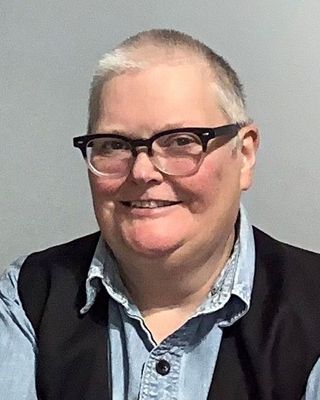
Hosted by Deborah Dettman
Clinical Social Work/Therapist, LCSW, LICSW, SUDP
The Power of the Circle is a professionally facilitated women's group. Sessions involve each woman sharing how she feels and how she's been doing each week. Group members provide feedback and encouragement. If you want the predictability of a facilitated group with the benefits of peer support, accountability, camaraderie and bonding, this is for you. In addition to checking in there will be special topics discussed as group interests are expressed. Common topics include: working on assertiveness, procrastination, people-pleasing and perfectionism.
This group is for clients that are in recovery for their eating disorder (anorexia, bulimia or compulsive overeating). This group will provide feedback, skills and process. The group is limited to 8 clients per group. This is a closed group that will meet for 90 minutes one time per week, for 8 weeks. One week of the rotation there will be a dietician available for questions. It is recommended that you have a primary therapist as this group is designed to augment your therapy.
Hosted by Annmarie Belmonte
This group is for clients that are in recovery for their eating disorder (anorexia, bulimia or compulsive overeating). This group will provide feedback, skills and process. The group is limited to 8 clients per group. This is a closed group that will meet for 90 minutes one time per week, for 8 weeks. One week of the rotation there will be a dietician available for questions. It is recommended that you have a primary therapist as this group is designed to augment your therapy.
Grieving can make you feel alone and isolated. Therefore, I welcome you into a community of other bereaved as come to embrace one another's pain, celebrate one another's resilience and gain an appreciation of what it means to be all too human. Through interpersonal engagement, and through the guidance of interesting, inspirational materials, this on going support, psychoeducation and process group will answer questions about loss, grief, coping strategies and potential for renewing hope and meaning. Dates: These separate groups will start in 2018 as soon as there are enough participants. Please call for updates.

Hosted by Aida Pigott
Clinical Social Work/Therapist, LCSW
Grieving can make you feel alone and isolated. Therefore, I welcome you into a community of other bereaved as come to embrace one another's pain, celebrate one another's resilience and gain an appreciation of what it means to be all too human. Through interpersonal engagement, and through the guidance of interesting, inspirational materials, this on going support, psychoeducation and process group will answer questions about loss, grief, coping strategies and potential for renewing hope and meaning. Dates: These separate groups will start in 2018 as soon as there are enough participants. Please call for updates.
Are you ready to take control of your mental health and wellbeing? Join us for the first in our Demystifying Mental Health Series. Whether you are looking to improve personal relationships or your self-care practices, you will find value in understanding boundaries. You will learn the importance of boundaries in any relationship; your personal limits and how to communicate them effectively. This 4 week group begins Thursday, February 20th, 2025. Limited spots available. The cost is $40, sliding scale available. This group is particularly suitable for late teens and young adults.

Hosted by Kristine Cain
Licensed Clinical Professional Counselor, MA, LCPC
Are you ready to take control of your mental health and wellbeing? Join us for the first in our Demystifying Mental Health Series. Whether you are looking to improve personal relationships or your self-care practices, you will find value in understanding boundaries. You will learn the importance of boundaries in any relationship; your personal limits and how to communicate them effectively. This 4 week group begins Thursday, February 20th, 2025. Limited spots available. The cost is $40, sliding scale available. This group is particularly suitable for late teens and young adults.
Enrollment is currently open. Dates and times are TBD. The group is for parents who have a loved one who is in or has been in a hospital based program.

Hosted by Andrew Rosenbloom
Enrollment is currently open. Dates and times are TBD. The group is for parents who have a loved one who is in or has been in a hospital based program.
This group offers an explorative setting for young adults navigating the emotional complexities of early adulthood - career development, identity formation, relationships, and the pressures of success and self-realization. The group invites exploration of patterns, familial/cultural influences, and relational dynamics as they emerge in the here-and-now. Through authentic engagement with others, members gain insight into themselves and their interpersonal world, fostering greater emotional freedom and meaning, as well as the capacity to live with more intention and depth. Led by two of our clinicians, the group will meet on a weekly basis for 8 weeks.

Hosted by Emma Wondra
Pre-Licensed Professional, MA
This group offers an explorative setting for young adults navigating the emotional complexities of early adulthood - career development, identity formation, relationships, and the pressures of success and self-realization. The group invites exploration of patterns, familial/cultural influences, and relational dynamics as they emerge in the here-and-now. Through authentic engagement with others, members gain insight into themselves and their interpersonal world, fostering greater emotional freedom and meaning, as well as the capacity to live with more intention and depth. Led by two of our clinicians, the group will meet on a weekly basis for 8 weeks.
Therapy is an essential service that addresses the emotional, behavioral, and developmental needs of young individuals. These services may include various therapeutic approaches, such as cognitive-behavioral therapy (CBT), dialectical behavioral therapy (DBT), play therapy, and craft therapy, tailored to suit the unique experiences and challenges faced by children and teens. Through a supportive and emotionally safe environment, therapists help young clients develop coping skills, teach emotional regulation, and improve interpersonal relationships.

Hosted by Jeanne Marie Clemmer
Therapy is an essential service that addresses the emotional, behavioral, and developmental needs of young individuals. These services may include various therapeutic approaches, such as cognitive-behavioral therapy (CBT), dialectical behavioral therapy (DBT), play therapy, and craft therapy, tailored to suit the unique experiences and challenges faced by children and teens. Through a supportive and emotionally safe environment, therapists help young clients develop coping skills, teach emotional regulation, and improve interpersonal relationships.
An in-person workshop for deepening self-acceptance, embodied connection, & liberation from societal pressures. Together we'll explore what it means to move beyond fitness culture and external expectations, and instead cultivate a relationship with movement that feels supportive, playful, and meaningful. Objectives: Learn skills for body acceptance, gratitude, and embodied connection, define joyful movement, discuss how the fitness industry removes us from our connection with our bodies, bring "whimsy" back to your movement routine. Each session provides a space to slow down, reflect & deepen your connection with your body in a compassionate & empowering way! (Saturday 6/20, $65)

Hosted by Payton Long
Pre-Licensed Professional, MA, LPC
An in-person workshop for deepening self-acceptance, embodied connection, & liberation from societal pressures. Together we'll explore what it means to move beyond fitness culture and external expectations, and instead cultivate a relationship with movement that feels supportive, playful, and meaningful. Objectives: Learn skills for body acceptance, gratitude, and embodied connection, define joyful movement, discuss how the fitness industry removes us from our connection with our bodies, bring "whimsy" back to your movement routine. Each session provides a space to slow down, reflect & deepen your connection with your body in a compassionate & empowering way! (Saturday 6/20, $65)
See more therapy options for Illinois
FAQs - About Group Therapy and Support Groups
How can I find a support group in Illinois?
To find a support group in your area, start by entering your city, zip code, or the name of the group into the search bar at the top of the page. When searching, consider whether you prefer an in-person or virtual group. This can help you decide how broad your geographic search should be. If you are open to virtual groups, you might want to search by state instead of just your city, especially if there are limited options nearby.
Once you complete your search, you can use the filters to narrow the results by selecting specialties (such as grief, trauma, or eating disorders), therapeutic approaches, age groups, and other criteria to find a group that best fits your needs.
How does group therapy work?
Group therapy is led by one or more trained therapists and provides a space where participants can process their experiences and learn from others facing similar challenges. Groups may focus on a specific issue—such as addiction, grief, physical illnesses, parenting, or caregiving—or they may center around a particular therapeutic approach, such as Cognitive Behavioral Therapy (CBT), social skill development, or Exposure Therapy. Some groups are also designed for specific populations, such as teens, veterans, or LGBTQ+ individuals.
It’s also important to distinguish group therapy from peer-led support groups, like Alcoholics Anonymous. While both can offer valuable support, therapy groups are typically led by licensed professionals and follow a more structured format. Therapy groups often meet for a fixed length of time with a consistent group of members, while many peer support groups meet for an indefinite period of time with members coming and going.
What are the benefits of group therapy?
Group therapy offers several important benefits. It brings together people facing similar challenges—whether related to mental health, physical health, or life transitions—and creates a supportive environment where participants can exchange feedback, share experiences, and learn from one another. Hearing different perspectives can help individuals discover new coping strategies and practical tools they may not have encountered on their own. Sharing personal experiences, such as coping with a serious illness or navigating family struggles, can also reduce feelings of isolation and foster a sense of connection and understanding. In addition to emotional support, group members often gain useful, real-world advice from peers who have faced similar situations.
Group therapy is typically more affordable than individual therapy and, for certain conditions, can be equally effective. Many groups also include structured activities—such as guided journaling, cognitive-behavioral exercises, or role-playing—to help participants develop concrete skills they can apply in daily life.
Is group therapy as effective as individual therapy?
It is difficult to make a blanket statement about the effectiveness of support groups, as they vary widely in focus and the conditions they address. However, support groups can be highly valuable in helping individuals gain emotional support and achieve meaningful treatment outcomes. For certain conditions, such as substance use, research has shown that group therapy can be particularly effective—sometimes just as effective as individual therapy—in supporting long-term recovery.
Many professionals attribute the effectiveness of group therapy to the unique benefits of the group setting, which fosters peer-to-peer learning and a sense of connection through shared experiences. Group settings also offer accountability and encouragement from both facilitators and fellow participants, which helps sustain motivation and supports continued progress. These factors together play a key role in promoting the overall effectiveness of group therapy.
How much does group therapy cost?
Group therapy is typically less expensive than individual therapy, with sessions typically costing between 50and50 and 50and75 each. In comparison, individual therapy can cost anywhere from 100to100 to 100to200 or more per session, even with insurance. Some therapists or organizations offer low-cost or free group therapy options, particularly through community centers or nonprofit organizations. In some cases, groups may require payment upfront for a set number of sessions, such as paying for six weekly sessions at the first meeting. However, many providers offer payment plans to help make participation more accessible if this upfront payment is required.
Does insurance cover group therapy?
As with individual therapy, insurance coverage for group therapy varies based on factors such as your specific insurance plan, the purpose of the group, your diagnosis, and whether the group provider is in-network. Many insurance plans cover group therapy sessions that address diagnosable mental health conditions, such as substance use disorders, anxiety, or depression.
However, groups that focus on topics not directly tied to a mental health diagnosis—such as parenting support or divorce recovery—are less likely to be covered. Because coverage can vary widely, it’s important to check with your insurance provider before joining a group to confirm whether the sessions will be covered and what out-of-pocket costs you may be responsible for.
How long does group therapy last?
The length of each group therapy session typically ranges from 45 minutes to two hours, depending on the therapy approach, the group’s goals, and how often the group meets. In some cases, group therapy is part of a larger treatment program, such as an Intensive Outpatient Program (IOP), where group sessions complement individual therapy and are scheduled as part of the program’s overall structure.
The duration of participation in a group also varies. Some groups are designed to be short-term, lasting anywhere from 6 to 24 weeks—for example, bereavement groups or skills-based groups like those using Dialectical Behavioral Therapy (DBT). Other groups may be longer-term, lasting a year or more, and some ongoing support groups meet indefinitely, allowing participants to stay as long as they find the group helpful.
What are the limitations of support groups?
Support groups offer many benefits, but they also have certain limitations. Unlike therapy groups, many support groups do not provide formal therapeutic treatment and are not led by licensed mental health professionals. For individuals seeking clinical treatment for specific mental health diagnoses—such as depression, eating disorders, or substance use—individual therapy or group therapy led by a licensed professional may offer more personalized and specialized care.
The effectiveness of a support group also depends heavily on the group’s participants and the overall group dynamic. When members engage respectfully and offer constructive support, the group can foster valuable peer-to-peer learning. However, if certain participants dominate discussions, provide inaccurate advice, or create conflict, it can disrupt the group’s sense of safety and reduce its effectiveness. Confidentiality can also be harder to maintain in support groups, particularly in open groups where participants can join or leave at any time. With new members regularly entering the group, it can be more difficult to build and sustain a consistent sense of trust and privacy.