Group Therapy and Support Groups in Indiana (original) (raw)
View cities and counties in Indiana
Support Groups in Indiana
Life can be difficult. Counseling shouldn’t be. If you are feeling out of balance or in distress, it can feel defeating to reach out for help and be met with unreturned calls, waitlists, or therapists who are not taking new clients. We believe that you shouldn’t have to go through this alone. At Counseling Simplified, we help you feel better. We have no waitlists, evening and weekend appointments, and many of our therapists can see you within a week of your first contact. Book your appointment now with one of our therapists to get started.

Hosted by Stephanie Karpicke
Mental Health Counselor, LMHC
Life can be difficult. Counseling shouldn’t be. If you are feeling out of balance or in distress, it can feel defeating to reach out for help and be met with unreturned calls, waitlists, or therapists who are not taking new clients. We believe that you shouldn’t have to go through this alone. At Counseling Simplified, we help you feel better. We have no waitlists, evening and weekend appointments, and many of our therapists can see you within a week of your first contact. Book your appointment now with one of our therapists to get started.
This transformational group is centered on body-liberation and aims to help participants unpack and challenge unhelpful narratives about bodies, health, food and self-concept. This remote group is an excellent fit for anyone experiencing a difficult relationship with their vessel. The facilitator, Mary Mireles is a BodyTrust and HAES provider, dedicated to supporting folks in building compassion for - and comfort in - their bodies.

Hosted by Heartland Healing Counseling & Consultation
Clinical Social Work/Therapist, LCSW, LISW-S
This transformational group is centered on body-liberation and aims to help participants unpack and challenge unhelpful narratives about bodies, health, food and self-concept. This remote group is an excellent fit for anyone experiencing a difficult relationship with their vessel. The facilitator, Mary Mireles is a BodyTrust and HAES provider, dedicated to supporting folks in building compassion for - and comfort in - their bodies.
Journey Support Services was developed to assist and equip individuals and families with resources and services to enhance their quality of life.

Hosted by Tiffany Watson
Clinical Social Work/Therapist, MSW, LSW
Journey Support Services was developed to assist and equip individuals and families with resources and services to enhance their quality of life.
Group for adolescent males, ages 13 - 18, addressing anxiety, depression, relationship issues, family conflict, and substance use.

Hosted by Andrew Smith
Marriage & Family Therapist, MA, LMFT
Group meets in Carmel, IN 46032
Group for adolescent males, ages 13 - 18, addressing anxiety, depression, relationship issues, family conflict, and substance use.
This group is a free hybrid group that uses harm reduction psychotherapy to explore how to improve overall wellness. We meet weekly on Fridays at 1pm to discuss improving relationships with substances, how to navigate trauma symptoms in a healthy way, and how to honor your values when society is full of stressors and systemic barriers for being who you want to be.

Hosted by Alyson Grider
Clinical Social Work/Therapist, LCSW
This group is a free hybrid group that uses harm reduction psychotherapy to explore how to improve overall wellness. We meet weekly on Fridays at 1pm to discuss improving relationships with substances, how to navigate trauma symptoms in a healthy way, and how to honor your values when society is full of stressors and systemic barriers for being who you want to be.
A structured program for kids ages 8-12 with anxiety and ADHD to build emotional regulation, focus, and confidence. Program format: 8 weeks, weekly 60 minute sessions, small group(4-6 kids), parent guides, and at home practice. Pricing is $400 for 8 weeks. Please reach out for more information. WIll start in August of 2026,
A structured program for kids ages 8-12 with anxiety and ADHD to build emotional regulation, focus, and confidence. Program format: 8 weeks, weekly 60 minute sessions, small group(4-6 kids), parent guides, and at home practice. Pricing is $400 for 8 weeks. Please reach out for more information. WIll start in August of 2026,
I run mixed adult groups focusing on relationship skills and mood management. I am a nationally recognized trainer in group psychotherapy with 40 years experience running groups.

Hosted by Lawrence A Viers
Psychologist, PhD, FAGPA, HSPP, LCP
I run mixed adult groups focusing on relationship skills and mood management. I am a nationally recognized trainer in group psychotherapy with 40 years experience running groups.
This group has been designed to support women at all stages of divorce and separation. It aims to provide a safe and structured space to process the emotional impact of separation and divorce and to identify complex emotions associated with divorce, meaningfully grieve the relationship individually with the support of one another, and rebuild the self and strengthen each women's emotional regulation skills. Additionally, we will improve decision-making skills, boundaries, validation, and sense of belonging. Each woman will be encouraged to participate to her comfort level. Healing together! Begins May 20/2026 through July 15!
This group has been designed to support women at all stages of divorce and separation. It aims to provide a safe and structured space to process the emotional impact of separation and divorce and to identify complex emotions associated with divorce, meaningfully grieve the relationship individually with the support of one another, and rebuild the self and strengthen each women's emotional regulation skills. Additionally, we will improve decision-making skills, boundaries, validation, and sense of belonging. Each woman will be encouraged to participate to her comfort level. Healing together! Begins May 20/2026 through July 15!
Winding Roads Counseling was created as life is like a winding road and any situation could lead an individual, family, or couple to need to have a non-biased individual to help them manage life’s challenges. Every person has the power to change their current situation for the better, no matter what obstacles they may be facing. Our goal is to collaborate with each person, as each individual is the expert in their own life, to help them develop healthy coping strategies, learn new skills, gain insight, and find purpose and meaning in their life.

Hosted by Katie Simpson
Clinical Social Work/Therapist, LCSW
Winding Roads Counseling was created as life is like a winding road and any situation could lead an individual, family, or couple to need to have a non-biased individual to help them manage life’s challenges. Every person has the power to change their current situation for the better, no matter what obstacles they may be facing. Our goal is to collaborate with each person, as each individual is the expert in their own life, to help them develop healthy coping strategies, learn new skills, gain insight, and find purpose and meaning in their life.
A mental health practice in Shelbyville, Indiana, serving children, teens, couples, families, and adults by offering counseling services and neuropsychological assessments (ADHD/autism, etc.)

Hosted by Alyssa Botte
Counselor, PhD, MA, MDiv, LCMHC, LMHC
A mental health practice in Shelbyville, Indiana, serving children, teens, couples, families, and adults by offering counseling services and neuropsychological assessments (ADHD/autism, etc.)
A supportive space for individuals coping with the loss of a loved one. This group offers a safe environment to share experiences, express emotions, and explore the grieving process with others who understand. Facilitated by a licensed therapist specializing in grief and loss.

Hosted by National Renewal and Resilience Hub (NRARH, LLC)
Clinical Social Work/Therapist, LCSW
A supportive space for individuals coping with the loss of a loved one. This group offers a safe environment to share experiences, express emotions, and explore the grieving process with others who understand. Facilitated by a licensed therapist specializing in grief and loss.
Experiential therapy group for adolescents and families. Utilize wilderness therapy and adventure therapy for 5 weeks of training and a 10 day excursion. It's all about getting increasingly uncomfortable to become more aware of anxiety and developing elite skills to self regulate. We want achievement not relief! www.wildernesselement.org

Hosted by Donovan P Martin
Experiential therapy group for adolescents and families. Utilize wilderness therapy and adventure therapy for 5 weeks of training and a 10 day excursion. It's all about getting increasingly uncomfortable to become more aware of anxiety and developing elite skills to self regulate. We want achievement not relief! www.wildernesselement.org
Life and Trauma Survivor Center has the mission of healing the community through supporting individuals and families in living life as survivors of life. The center is a safe place for all people to come as they are and become whoever they want to be.
Hosted by Sherrie Shivok
Counselor, MA, LMHC, CCTP-II
Life and Trauma Survivor Center has the mission of healing the community through supporting individuals and families in living life as survivors of life. The center is a safe place for all people to come as they are and become whoever they want to be.
Craig has 26 year of clinical experience in working with diverse issues in different clinical settings. He specializes in treating adolescents and adults with dual diagnosis: depression, anxiety, substance misuse, and addiction issues. Please contact Craig at (317) 478-1478 to schedule your appointment.

Hosted by Ransburg Counseling LLC
Clinical Social Work/Therapist, MSW, LCSW, LCAC
Group meets in Carmel, IN 46032
Craig has 26 year of clinical experience in working with diverse issues in different clinical settings. He specializes in treating adolescents and adults with dual diagnosis: depression, anxiety, substance misuse, and addiction issues. Please contact Craig at (317) 478-1478 to schedule your appointment.
This is a 6-week, support-educational group for parents of children diagnosed on the Autism Spectrum Disorder. Participants learn about the disorder and how to address target/problem behaviors in the home using principles of Applied Behavior Analysis (ABA). The group goals are to: (1) provide a relaxing and supportive environment for parents to learn and share experiences, (2) give parents an overview of everyday symptoms and behaviors children diagnosed on the Spectrum exhibit, and (3) coach parents on the process of defining and addressing problems behaviors on their own using principles of ABA.
Hosted by Conduct Curb, LLC
This is a 6-week, support-educational group for parents of children diagnosed on the Autism Spectrum Disorder. Participants learn about the disorder and how to address target/problem behaviors in the home using principles of Applied Behavior Analysis (ABA). The group goals are to: (1) provide a relaxing and supportive environment for parents to learn and share experiences, (2) give parents an overview of everyday symptoms and behaviors children diagnosed on the Spectrum exhibit, and (3) coach parents on the process of defining and addressing problems behaviors on their own using principles of ABA.
Mindfulness in Mental Health is a mutual support group for people struggling with mental health issues such as anxiety and depression that involves a heavy focus on intentional practice of mindfulness based stress reduction. In this group, we work together to build a toolbox of different coping skills and mindfulness techniques, all while supporting one another through our unique journeys.

Hosted by Sean Abraham
Clinical Social Work/Therapist, MSW, LCSW
Mindfulness in Mental Health is a mutual support group for people struggling with mental health issues such as anxiety and depression that involves a heavy focus on intentional practice of mindfulness based stress reduction. In this group, we work together to build a toolbox of different coping skills and mindfulness techniques, all while supporting one another through our unique journeys.
This group meets online to support any man struggling with addictive or self-medicating behaviors during this isolating time. All forms of self-medicating welcome such as: pornography, sex, drugs/alcohol, food, video games, work, gambling and relationships. This is a group of 8-10 men that learn tools to more effectively maintain healthy long-term sobriety. The group is actively engaged in each other's lives outside of group time throughout the week via text/phone. The opposite of addiction is not sobriety; It's connection!

Hosted by Chris Chandler
Counselor, MA, LMHC, LPC, LPCC, CSAT-S
This group meets online to support any man struggling with addictive or self-medicating behaviors during this isolating time. All forms of self-medicating welcome such as: pornography, sex, drugs/alcohol, food, video games, work, gambling and relationships. This is a group of 8-10 men that learn tools to more effectively maintain healthy long-term sobriety. The group is actively engaged in each other's lives outside of group time throughout the week via text/phone. The opposite of addiction is not sobriety; It's connection!
When was the last time you had the mental space for more than just the dinner menu and organizing the weekly calendar? If you have been feeling burnt out, run down, and spread too thin, you are in the right place. This 8-week self-care series is designed for busy moms/caretakers who have been last on their list of priorities for too long. Over the course of 8 weeks, this online group will guide you through your journey to creating a realistic, manageable, and personalized self-care plan. Take the first step towards getting back to YOU.
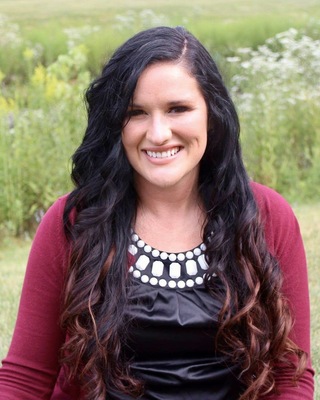
Hosted by Rebecca Rowe
Clinical Social Work/Therapist, LCSW
When was the last time you had the mental space for more than just the dinner menu and organizing the weekly calendar? If you have been feeling burnt out, run down, and spread too thin, you are in the right place. This 8-week self-care series is designed for busy moms/caretakers who have been last on their list of priorities for too long. Over the course of 8 weeks, this online group will guide you through your journey to creating a realistic, manageable, and personalized self-care plan. Take the first step towards getting back to YOU.
This therapeutic support group is a safe, nurturing space where women can come together to share their grief, find emotional support, and learn the tools necessary for healing. We provide not only emotional support but also practical education on grief, offering insights into the grieving process and strategies for managing the difficult emotions that come with loss. Our goal is to empower women to heal at their own pace, providing a sense of community, strength, and tools to navigate life beyond grief.

Hosted by Ann-Marie Michelle Sands
Clinical Social Work/Therapist, LCSW, CADC
This therapeutic support group is a safe, nurturing space where women can come together to share their grief, find emotional support, and learn the tools necessary for healing. We provide not only emotional support but also practical education on grief, offering insights into the grieving process and strategies for managing the difficult emotions that come with loss. Our goal is to empower women to heal at their own pace, providing a sense of community, strength, and tools to navigate life beyond grief.
24-week DBT skills group for women 18 and over. Groups are capped at 8 women. Please see website for full description. We offer multiple days and times for Skills groups. We want everyone to be able to access the skills they need!

Hosted by Indy Women's Counseling and DBT
Clinical Social Work/Therapist, LCSW
24-week DBT skills group for women 18 and over. Groups are capped at 8 women. Please see website for full description. We offer multiple days and times for Skills groups. We want everyone to be able to access the skills they need!
See more therapy options for Indiana
FAQs - About Group Therapy and Support Groups
How can I find a support group in Indiana?
To find a support group in your area, start by entering your city, zip code, or the name of the group into the search bar at the top of the page. When searching, consider whether you prefer an in-person or virtual group. This can help you decide how broad your geographic search should be. If you are open to virtual groups, you might want to search by state instead of just your city, especially if there are limited options nearby.
Once you complete your search, you can use the filters to narrow the results by selecting specialties (such as grief, trauma, or eating disorders), therapeutic approaches, age groups, and other criteria to find a group that best fits your needs.
How does group therapy work?
Group therapy is led by one or more trained therapists and provides a space where participants can process their experiences and learn from others facing similar challenges. Groups may focus on a specific issue—such as addiction, grief, physical illnesses, parenting, or caregiving—or they may center around a particular therapeutic approach, such as Cognitive Behavioral Therapy (CBT), social skill development, or Exposure Therapy. Some groups are also designed for specific populations, such as teens, veterans, or LGBTQ+ individuals.
It’s also important to distinguish group therapy from peer-led support groups, like Alcoholics Anonymous. While both can offer valuable support, therapy groups are typically led by licensed professionals and follow a more structured format. Therapy groups often meet for a fixed length of time with a consistent group of members, while many peer support groups meet for an indefinite period of time with members coming and going.
What are the benefits of group therapy?
Group therapy offers several important benefits. It brings together people facing similar challenges—whether related to mental health, physical health, or life transitions—and creates a supportive environment where participants can exchange feedback, share experiences, and learn from one another. Hearing different perspectives can help individuals discover new coping strategies and practical tools they may not have encountered on their own. Sharing personal experiences, such as coping with a serious illness or navigating family struggles, can also reduce feelings of isolation and foster a sense of connection and understanding. In addition to emotional support, group members often gain useful, real-world advice from peers who have faced similar situations.
Group therapy is typically more affordable than individual therapy and, for certain conditions, can be equally effective. Many groups also include structured activities—such as guided journaling, cognitive-behavioral exercises, or role-playing—to help participants develop concrete skills they can apply in daily life.
Is group therapy as effective as individual therapy?
It is difficult to make a blanket statement about the effectiveness of support groups, as they vary widely in focus and the conditions they address. However, support groups can be highly valuable in helping individuals gain emotional support and achieve meaningful treatment outcomes. For certain conditions, such as substance use, research has shown that group therapy can be particularly effective—sometimes just as effective as individual therapy—in supporting long-term recovery.
Many professionals attribute the effectiveness of group therapy to the unique benefits of the group setting, which fosters peer-to-peer learning and a sense of connection through shared experiences. Group settings also offer accountability and encouragement from both facilitators and fellow participants, which helps sustain motivation and supports continued progress. These factors together play a key role in promoting the overall effectiveness of group therapy.
How much does group therapy cost?
Group therapy is typically less expensive than individual therapy, with sessions typically costing between 50and50 and 50and75 each. In comparison, individual therapy can cost anywhere from 100to100 to 100to200 or more per session, even with insurance. Some therapists or organizations offer low-cost or free group therapy options, particularly through community centers or nonprofit organizations. In some cases, groups may require payment upfront for a set number of sessions, such as paying for six weekly sessions at the first meeting. However, many providers offer payment plans to help make participation more accessible if this upfront payment is required.
Does insurance cover group therapy?
As with individual therapy, insurance coverage for group therapy varies based on factors such as your specific insurance plan, the purpose of the group, your diagnosis, and whether the group provider is in-network. Many insurance plans cover group therapy sessions that address diagnosable mental health conditions, such as substance use disorders, anxiety, or depression.
However, groups that focus on topics not directly tied to a mental health diagnosis—such as parenting support or divorce recovery—are less likely to be covered. Because coverage can vary widely, it’s important to check with your insurance provider before joining a group to confirm whether the sessions will be covered and what out-of-pocket costs you may be responsible for.
How long does group therapy last?
The length of each group therapy session typically ranges from 45 minutes to two hours, depending on the therapy approach, the group’s goals, and how often the group meets. In some cases, group therapy is part of a larger treatment program, such as an Intensive Outpatient Program (IOP), where group sessions complement individual therapy and are scheduled as part of the program’s overall structure.
The duration of participation in a group also varies. Some groups are designed to be short-term, lasting anywhere from 6 to 24 weeks—for example, bereavement groups or skills-based groups like those using Dialectical Behavioral Therapy (DBT). Other groups may be longer-term, lasting a year or more, and some ongoing support groups meet indefinitely, allowing participants to stay as long as they find the group helpful.
What are the limitations of support groups?
Support groups offer many benefits, but they also have certain limitations. Unlike therapy groups, many support groups do not provide formal therapeutic treatment and are not led by licensed mental health professionals. For individuals seeking clinical treatment for specific mental health diagnoses—such as depression, eating disorders, or substance use—individual therapy or group therapy led by a licensed professional may offer more personalized and specialized care.
The effectiveness of a support group also depends heavily on the group’s participants and the overall group dynamic. When members engage respectfully and offer constructive support, the group can foster valuable peer-to-peer learning. However, if certain participants dominate discussions, provide inaccurate advice, or create conflict, it can disrupt the group’s sense of safety and reduce its effectiveness. Confidentiality can also be harder to maintain in support groups, particularly in open groups where participants can join or leave at any time. With new members regularly entering the group, it can be more difficult to build and sustain a consistent sense of trust and privacy.