Group Therapy and Support Groups in Maryland (original) (raw)
View cities and counties in Maryland
Support Groups in Maryland
From personal to profession growth, Lifestyle for Better Living wants to help you overcome your struggles and challenges in order to help you create the successful future you’ve always dreamt of. Come learn how to manage your emotions and overcome the cycle of defeat.

Hosted by Jinelle Williams
Clinical Social Work/Therapist, LCSW-C
Group meets in Laurel, MD 20708
From personal to profession growth, Lifestyle for Better Living wants to help you overcome your struggles and challenges in order to help you create the successful future you’ve always dreamt of. Come learn how to manage your emotions and overcome the cycle of defeat.
This group is designed for people looking for support in their OCD journey. Connect with peers, set goals, and fine-tune your OCD treatment with the help of a supportive community and an OCD specialist! This group meets via Zoom every other Wednesday from 5-6pm.

Hosted by Jeffrey Taulbee
Licensed Clinical Professional Counselor, LCPC
Group meets in Towson, MD 21204
This group is designed for people looking for support in their OCD journey. Connect with peers, set goals, and fine-tune your OCD treatment with the help of a supportive community and an OCD specialist! This group meets via Zoom every other Wednesday from 5-6pm.
Ask yourself if your medical/mental condition is getting in the way of things you used to love to do. Does your medical illness create anxiety depression, fear or anger? If this is the case for you, please join me in one of my upcoming group. Treatment Orientation: Mindfulness Gender: All Age: Adults Skills taught: Distress Tolerance, Emotion Regulation, and Interpersonal Effectiveness Skills Time: 1.0 hour, eight-week group

Hosted by Dina Josif Block
Group meets in Towson, MD 21204
Ask yourself if your medical/mental condition is getting in the way of things you used to love to do. Does your medical illness create anxiety depression, fear or anger? If this is the case for you, please join me in one of my upcoming group. Treatment Orientation: Mindfulness Gender: All Age: Adults Skills taught: Distress Tolerance, Emotion Regulation, and Interpersonal Effectiveness Skills Time: 1.0 hour, eight-week group
Enjoy Wellness, LLC is a nurse practitioner owned practice that offers integrative mental health services and medical weight loss to improve overall health and wellness.

Hosted by Joyce Bilski
Psychiatric Nurse Practitioner, MSN, CRNP, PMHNP
Group meets in Elkton, MD 21921
Enjoy Wellness, LLC is a nurse practitioner owned practice that offers integrative mental health services and medical weight loss to improve overall health and wellness.
The Women's group meets bi-weekly to discuss various issues surrounding self esteem, relationships, parenting, anxiety, stress and grief. The group provides a safe space to unite with other women who share similar life experiences. The group is supportive and encourages healthy peer connections.

Hosted by Jene' Gould
Clinical Social Work/Therapist, LCSW-C, CCTP
Group meets in Bowie, MD 20715
The Women's group meets bi-weekly to discuss various issues surrounding self esteem, relationships, parenting, anxiety, stress and grief. The group provides a safe space to unite with other women who share similar life experiences. The group is supportive and encourages healthy peer connections.
Voices of Strength is a six-week virtual support group for women ages 35–55 who feel unseen, unheard, or disconnected in their relationships. Led by a caring, licensed mental health therapist, this group offers a safe and nurturing space to share, heal, and grow. Each week focuses on a meaningful theme: Finding Your Voice, Understanding Emotional Needs, Healthy Communication, Boundaries and Self-Respect, Reconnecting with Yourself, and Moving Forward with Strength. Together, we’ll create connection, foster healing, and help you find your voice again—strong, clear, and full of self-worth.
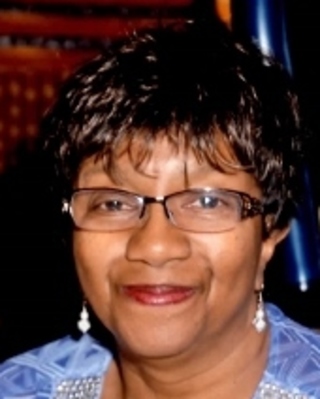
Hosted by Dr. Elizabeth Nyang
Voices of Strength is a six-week virtual support group for women ages 35–55 who feel unseen, unheard, or disconnected in their relationships. Led by a caring, licensed mental health therapist, this group offers a safe and nurturing space to share, heal, and grow. Each week focuses on a meaningful theme: Finding Your Voice, Understanding Emotional Needs, Healthy Communication, Boundaries and Self-Respect, Reconnecting with Yourself, and Moving Forward with Strength. Together, we’ll create connection, foster healing, and help you find your voice again—strong, clear, and full of self-worth.
Recovery is key to mental health treatment. We provide high quality integrated care grounded in evidence-based practices that support the healing process. we understand that everyone responds differently to treatment and each patient has a treatment plan geared at reducing the reported symptoms.
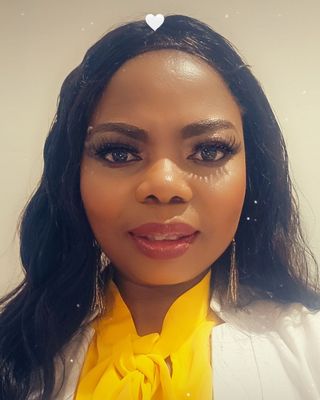
Hosted by Dr. Ophilia Mbah
Psychiatric Nurse Practitioner, PMHNP
Recovery is key to mental health treatment. We provide high quality integrated care grounded in evidence-based practices that support the healing process. we understand that everyone responds differently to treatment and each patient has a treatment plan geared at reducing the reported symptoms.
We are a community-based organization committed to providing quality services for Mental Health. Kindred Treatment Center strives to provide all of your needs without the stress and hassle of going to multiple treatment providers. Our staff members have decades of experience in providing quality care and support. We want to see you succeed!
Hosted by Kindred Treatment Center
Treatment Center, LCPC, CAC-AD, LGPC, LCSW, LMSW
We are a community-based organization committed to providing quality services for Mental Health. Kindred Treatment Center strives to provide all of your needs without the stress and hassle of going to multiple treatment providers. Our staff members have decades of experience in providing quality care and support. We want to see you succeed!
If you’ve ever felt stuck, silent, or overwhelmed in social situations, you’re not alone. This group is a welcoming space for teens and young adults who want to build confidence, find their voice, and feel more comfortable being themselves around others. Together, we'll practice social skills, work through fears, and learn ways to handle anxiety in a safe, supportive environment. Growth happens step by step — and you don’t have to do it alone.

Hosted by Rebecca Lederman
If you’ve ever felt stuck, silent, or overwhelmed in social situations, you’re not alone. This group is a welcoming space for teens and young adults who want to build confidence, find their voice, and feel more comfortable being themselves around others. Together, we'll practice social skills, work through fears, and learn ways to handle anxiety in a safe, supportive environment. Growth happens step by step — and you don’t have to do it alone.
The group is designed to assist members in examining how growth and wholeness occurs through understanding the integration of spiritual and psychological issues.
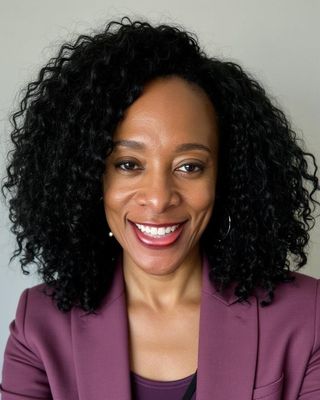
Hosted by Totally Whole Counseling Services, LLC
Clinical Social Work/Therapist, PhD, LCSW-C
The group is designed to assist members in examining how growth and wholeness occurs through understanding the integration of spiritual and psychological issues.
Come learn/practice skills to reconnect, rebuild, and strengthen your relationship! Join experts, Dr. Jessica Zinder, Licensed Psychologist, and Miran Dalley, Licensed Clinical Professional Counselor, in a transformative workshop to deepen connection and build a stronger foundation for lasting love and partnership. Learn effective communication skills, conflict resolution skills, and stress management/ mindfulness to deepen emotional intimacy and rekindle romance/appreciation. Practice skills across 5 weeks with guidance. May 20- June 17, 2026. $600 per person. Limited Spaces. REGISTER NOW! HealingGardens.net/couples-workshop

Hosted by Jessica R. Zinder
Come learn/practice skills to reconnect, rebuild, and strengthen your relationship! Join experts, Dr. Jessica Zinder, Licensed Psychologist, and Miran Dalley, Licensed Clinical Professional Counselor, in a transformative workshop to deepen connection and build a stronger foundation for lasting love and partnership. Learn effective communication skills, conflict resolution skills, and stress management/ mindfulness to deepen emotional intimacy and rekindle romance/appreciation. Practice skills across 5 weeks with guidance. May 20- June 17, 2026. $600 per person. Limited Spaces. REGISTER NOW! HealingGardens.net/couples-workshop
After receiving an unexpected cancer diagnosis, people feel alone, frightened, sad, anxious, confused, hopeless, lost, and powerless. The purpose of this group is to support client as they face the pain, chaos, emptiness, and need for guidance amidst their struggle with cancer.

Hosted by Candice Tummillo
Clinical Social Work/Therapist, MSW, LCSW, OSW-C
After receiving an unexpected cancer diagnosis, people feel alone, frightened, sad, anxious, confused, hopeless, lost, and powerless. The purpose of this group is to support client as they face the pain, chaos, emptiness, and need for guidance amidst their struggle with cancer.
Kristen Jiang, LGPC runs this group. Prioritizing Self-Care(30 seconds to a day outing), ‘We’re on the same team’, Healthy communication skills with your partner, Negative self-talk, is that you?, It’s okay to feel sexy (or not)!, To mom guilt or not to mom guilt? Being in between surviving and thriving.
Hosted by The Counseling Renaissance
Licensed Clinical Professional Counselor, LCPC
Kristen Jiang, LGPC runs this group. Prioritizing Self-Care(30 seconds to a day outing), ‘We’re on the same team’, Healthy communication skills with your partner, Negative self-talk, is that you?, It’s okay to feel sexy (or not)!, To mom guilt or not to mom guilt? Being in between surviving and thriving.
This ongoing group provides a safe and supportive space where participants feel comfortable expressing themselves and taking risks. The group will offer activities, role plays, and discussions to address issues surrounding social skills. As every individual is unique, the group strives to support their specific needs and strengths.

Hosted by Janet Williams
Clinical Social Work/Therapist, LCSW-C
This ongoing group provides a safe and supportive space where participants feel comfortable expressing themselves and taking risks. The group will offer activities, role plays, and discussions to address issues surrounding social skills. As every individual is unique, the group strives to support their specific needs and strengths.
Do you repeatedly dread “that time of the month?” Do you experience stress, fatigue, and mood changes? Do you feel at odd with yourself when trying to accomplish tasks? Did you know this could be your cycle? Oftentimes we are trying to operate in our 24/7 culture when we are in fact cyclical beings...Learn the practice of Menstrual Cycle Awareness to become in sync with yourself and harness the natural powers of your monthly rhythm. Each session will include didactic learning, group sharing, attunement to body and concrete practices to try. (Wellness group, not therapy--open to any who can join virtually)

Hosted by Kristine Purcell
Licensed Clinical Professional Counselor, BC-DMT, LCPC, PMH-C
Do you repeatedly dread “that time of the month?” Do you experience stress, fatigue, and mood changes? Do you feel at odd with yourself when trying to accomplish tasks? Did you know this could be your cycle? Oftentimes we are trying to operate in our 24/7 culture when we are in fact cyclical beings...Learn the practice of Menstrual Cycle Awareness to become in sync with yourself and harness the natural powers of your monthly rhythm. Each session will include didactic learning, group sharing, attunement to body and concrete practices to try. (Wellness group, not therapy--open to any who can join virtually)
An adolescent DBT group focuses on teaching teens skills to manage emotions, improve relationships, and handle stress. It combines mindfulness, emotional regulation, distress tolerance, and interpersonal effectiveness. The group provides a safe, structured space for adolescents to practice these skills through role-playing, discussions, and activities. Facilitated by trained therapists, the goal is to reduce harmful behaviors and enhance emotional resilience. Teens learn coping mechanisms for anxiety, depression, and impulsivity, while also improving communication and self-awareness. Group dynamics promote peer support and accountability, fostering a sense of connection and belonging.

Hosted by Nicole Fayard
Licensed Clinical Professional Counselor, LCPC, LPC, NCC
An adolescent DBT group focuses on teaching teens skills to manage emotions, improve relationships, and handle stress. It combines mindfulness, emotional regulation, distress tolerance, and interpersonal effectiveness. The group provides a safe, structured space for adolescents to practice these skills through role-playing, discussions, and activities. Facilitated by trained therapists, the goal is to reduce harmful behaviors and enhance emotional resilience. Teens learn coping mechanisms for anxiety, depression, and impulsivity, while also improving communication and self-awareness. Group dynamics promote peer support and accountability, fostering a sense of connection and belonging.
You don't have to be alone. Come and join us in a group atmosphere.

Hosted by ADHD Aid Psychiatry
Psychiatric Nurse Practitioner, PMHNP, FNP
You don't have to be alone. Come and join us in a group atmosphere.
Help your Teen challenge and change their perspective to help manage stress, regulate emotions, and have confidence to face the challenges of their everyday life. Maryland Therapy Collective's mood management and coping skills teen group is built on the foundation of Dialectical Behavioral Therapy (DBT) while also incorporating units of Cognitive Behavioral Therapy (CBT) and Narrative Therapy. This gives the teens the opportunity to learn skills from different modalities to empower them to use what is most helpful and relevant for them while also collaborating with other teens on shared concerns.

Hosted by Maryland Therapy Collective
Clinical Social Work/Therapist, LCSW-C, CCTP, C-DBT
Group meets in Olney, MD 20832
Help your Teen challenge and change their perspective to help manage stress, regulate emotions, and have confidence to face the challenges of their everyday life. Maryland Therapy Collective's mood management and coping skills teen group is built on the foundation of Dialectical Behavioral Therapy (DBT) while also incorporating units of Cognitive Behavioral Therapy (CBT) and Narrative Therapy. This gives the teens the opportunity to learn skills from different modalities to empower them to use what is most helpful and relevant for them while also collaborating with other teens on shared concerns.
Get your questions answered and take your routine to a new level. An experienced and certified instructor can unravel anything holding you back in your meditation practice. Come with an open mind and the motivation to imagine life differently, and the instructor will do the rest. Unsurprisingly, what works for one person doesn’t always work for another. The same occurs in the practice of meditation. We each have distinctive brains, desires, intentions, trauma, and stressors that require unique methods of consideration and care. Collaboratively create a meditation specific to you and supports your needs—30 to 60 minutes sessions.

Hosted by Fundamental Solutions Psychotherapy Center
Licensed Clinical Professional Counselor
Get your questions answered and take your routine to a new level. An experienced and certified instructor can unravel anything holding you back in your meditation practice. Come with an open mind and the motivation to imagine life differently, and the instructor will do the rest. Unsurprisingly, what works for one person doesn’t always work for another. The same occurs in the practice of meditation. We each have distinctive brains, desires, intentions, trauma, and stressors that require unique methods of consideration and care. Collaboratively create a meditation specific to you and supports your needs—30 to 60 minutes sessions.
Bob & Lori Hollander work as a team and individually to make Relationships Work. They have been married (to each other) and in practice together for 25+ years.

Hosted by Bob Hollander
Clinical Social Work/Therapist, JD, LCSW-C
Bob & Lori Hollander work as a team and individually to make Relationships Work. They have been married (to each other) and in practice together for 25+ years.
See more therapy options for Maryland
FAQs - About Group Therapy and Support Groups
How can I find a support group in Maryland?
To find a support group in your area, start by entering your city, zip code, or the name of the group into the search bar at the top of the page. When searching, consider whether you prefer an in-person or virtual group. This can help you decide how broad your geographic search should be. If you are open to virtual groups, you might want to search by state instead of just your city, especially if there are limited options nearby.
Once you complete your search, you can use the filters to narrow the results by selecting specialties (such as grief, trauma, or eating disorders), therapeutic approaches, age groups, and other criteria to find a group that best fits your needs.
How does group therapy work?
Group therapy is led by one or more trained therapists and provides a space where participants can process their experiences and learn from others facing similar challenges. Groups may focus on a specific issue—such as addiction, grief, physical illnesses, parenting, or caregiving—or they may center around a particular therapeutic approach, such as Cognitive Behavioral Therapy (CBT), social skill development, or Exposure Therapy. Some groups are also designed for specific populations, such as teens, veterans, or LGBTQ+ individuals.
It’s also important to distinguish group therapy from peer-led support groups, like Alcoholics Anonymous. While both can offer valuable support, therapy groups are typically led by licensed professionals and follow a more structured format. Therapy groups often meet for a fixed length of time with a consistent group of members, while many peer support groups meet for an indefinite period of time with members coming and going.
What are the benefits of group therapy?
Group therapy offers several important benefits. It brings together people facing similar challenges—whether related to mental health, physical health, or life transitions—and creates a supportive environment where participants can exchange feedback, share experiences, and learn from one another. Hearing different perspectives can help individuals discover new coping strategies and practical tools they may not have encountered on their own. Sharing personal experiences, such as coping with a serious illness or navigating family struggles, can also reduce feelings of isolation and foster a sense of connection and understanding. In addition to emotional support, group members often gain useful, real-world advice from peers who have faced similar situations.
Group therapy is typically more affordable than individual therapy and, for certain conditions, can be equally effective. Many groups also include structured activities—such as guided journaling, cognitive-behavioral exercises, or role-playing—to help participants develop concrete skills they can apply in daily life.
Is group therapy as effective as individual therapy?
It is difficult to make a blanket statement about the effectiveness of support groups, as they vary widely in focus and the conditions they address. However, support groups can be highly valuable in helping individuals gain emotional support and achieve meaningful treatment outcomes. For certain conditions, such as substance use, research has shown that group therapy can be particularly effective—sometimes just as effective as individual therapy—in supporting long-term recovery.
Many professionals attribute the effectiveness of group therapy to the unique benefits of the group setting, which fosters peer-to-peer learning and a sense of connection through shared experiences. Group settings also offer accountability and encouragement from both facilitators and fellow participants, which helps sustain motivation and supports continued progress. These factors together play a key role in promoting the overall effectiveness of group therapy.
How much does group therapy cost?
Group therapy is typically less expensive than individual therapy, with sessions typically costing between 50and50 and 50and75 each. In comparison, individual therapy can cost anywhere from 100to100 to 100to200 or more per session, even with insurance. Some therapists or organizations offer low-cost or free group therapy options, particularly through community centers or nonprofit organizations. In some cases, groups may require payment upfront for a set number of sessions, such as paying for six weekly sessions at the first meeting. However, many providers offer payment plans to help make participation more accessible if this upfront payment is required.
Does insurance cover group therapy?
As with individual therapy, insurance coverage for group therapy varies based on factors such as your specific insurance plan, the purpose of the group, your diagnosis, and whether the group provider is in-network. Many insurance plans cover group therapy sessions that address diagnosable mental health conditions, such as substance use disorders, anxiety, or depression.
However, groups that focus on topics not directly tied to a mental health diagnosis—such as parenting support or divorce recovery—are less likely to be covered. Because coverage can vary widely, it’s important to check with your insurance provider before joining a group to confirm whether the sessions will be covered and what out-of-pocket costs you may be responsible for.
How long does group therapy last?
The length of each group therapy session typically ranges from 45 minutes to two hours, depending on the therapy approach, the group’s goals, and how often the group meets. In some cases, group therapy is part of a larger treatment program, such as an Intensive Outpatient Program (IOP), where group sessions complement individual therapy and are scheduled as part of the program’s overall structure.
The duration of participation in a group also varies. Some groups are designed to be short-term, lasting anywhere from 6 to 24 weeks—for example, bereavement groups or skills-based groups like those using Dialectical Behavioral Therapy (DBT). Other groups may be longer-term, lasting a year or more, and some ongoing support groups meet indefinitely, allowing participants to stay as long as they find the group helpful.
What are the limitations of support groups?
Support groups offer many benefits, but they also have certain limitations. Unlike therapy groups, many support groups do not provide formal therapeutic treatment and are not led by licensed mental health professionals. For individuals seeking clinical treatment for specific mental health diagnoses—such as depression, eating disorders, or substance use—individual therapy or group therapy led by a licensed professional may offer more personalized and specialized care.
The effectiveness of a support group also depends heavily on the group’s participants and the overall group dynamic. When members engage respectfully and offer constructive support, the group can foster valuable peer-to-peer learning. However, if certain participants dominate discussions, provide inaccurate advice, or create conflict, it can disrupt the group’s sense of safety and reduce its effectiveness. Confidentiality can also be harder to maintain in support groups, particularly in open groups where participants can join or leave at any time. With new members regularly entering the group, it can be more difficult to build and sustain a consistent sense of trust and privacy.