Group Therapy and Support Groups in Detroit, MI (original) (raw)
Support Groups in Detroit, MI
Turn your collaborative Gameplay into a collaborative movie picture. Through the action of Game Play students enact all the parts that make up the pieces that construct a film. How these parts piece together are the skills that make up the movie making process. Virtual or in-person. 2nd – OCT. 18th 2024 PRICE: 100/DayX12Days=Total100 / Day X 12 Days = Total 100/DayX12Days=Total1,200.00. www.tinktankanimate.com for more info.

Hosted by Tink Tank Animate -Autism Art and Animation Studio
Licensed Professional Counselor, LPC, MA, MA
Turn your collaborative Gameplay into a collaborative movie picture. Through the action of Game Play students enact all the parts that make up the pieces that construct a film. How these parts piece together are the skills that make up the movie making process. Virtual or in-person. 2nd – OCT. 18th 2024 PRICE: 100/DayX12Days=Total100 / Day X 12 Days = Total 100/DayX12Days=Total1,200.00. www.tinktankanimate.com for more info.
The Wayne State University Psychology Clinic currently offers a Dialectical Behavior Therapy (DBT) skills group for individuals experiencing extensive problems with emotion dysregulation. DBT Skills Group is divided into four modules: Core Mindfulness, Interpersonal Effectiveness, Emotion Regulation and Distress Tolerance. Modules are aimed at decreasing emotion dysregulation, building coping skills for emotionally challenging situations, promoting effective relationship behaviors, and developing mindfulness skills. Group sessions last two hours and include time spent reviewing members' homework, providing feedback, and learning new skills. This group is in addition to individual therapy, and all members must be currently receiving outpatient individual therapy.
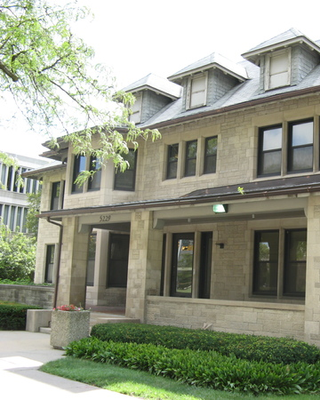
Hosted by Wayne State University Psychology Clinic
The Wayne State University Psychology Clinic currently offers a Dialectical Behavior Therapy (DBT) skills group for individuals experiencing extensive problems with emotion dysregulation. DBT Skills Group is divided into four modules: Core Mindfulness, Interpersonal Effectiveness, Emotion Regulation and Distress Tolerance. Modules are aimed at decreasing emotion dysregulation, building coping skills for emotionally challenging situations, promoting effective relationship behaviors, and developing mindfulness skills. Group sessions last two hours and include time spent reviewing members' homework, providing feedback, and learning new skills. This group is in addition to individual therapy, and all members must be currently receiving outpatient individual therapy.
Online group through iCouch. Contact therapist for details. We will cover topics such as self-care, self-esteem, storytelling, journal writing, poetry, music, integrative practices, meditation, deep breathing and the arts. The purpose of this online group will be lower isolation, come together and problem solve collectively. This group will be peer in nature and will use best practices, non-traditional techniques and learn from participants about healing and integration from trauma. Trauma informed, reality based topics and assignments.

Hosted by Soul Healing Consulting, LLC
Clinical Social Work/Therapist, ACSW, LCSW, LMSW
Online group through iCouch. Contact therapist for details. We will cover topics such as self-care, self-esteem, storytelling, journal writing, poetry, music, integrative practices, meditation, deep breathing and the arts. The purpose of this online group will be lower isolation, come together and problem solve collectively. This group will be peer in nature and will use best practices, non-traditional techniques and learn from participants about healing and integration from trauma. Trauma informed, reality based topics and assignments.
Sandtray therapy group for teens with autism or ADHD. Ages 14-17. In person in Detroit and will be running another virtual group for folks in Michigan as well. Sandtray supplies will be provided. This group is run by interns that I (Faith Elie) oversee. Sandtray therapy is an opportunity to explore feelings and create narratives through making scenes in the sand. Being in a group helps with social skills building and helps create a connection to others that are going through something similar. Dates will be decided based off of interests.
Hosted by Somatic Psychotherapy Michigan—Faith Elie
Counselor, LPC, MA, MA, SEP, CST, IFS-L3
Sandtray therapy group for teens with autism or ADHD. Ages 14-17. In person in Detroit and will be running another virtual group for folks in Michigan as well. Sandtray supplies will be provided. This group is run by interns that I (Faith Elie) oversee. Sandtray therapy is an opportunity to explore feelings and create narratives through making scenes in the sand. Being in a group helps with social skills building and helps create a connection to others that are going through something similar. Dates will be decided based off of interests.
Sandtray therapy group for teens with autism or ADHD. Ages 14-17. In person in Detroit and will be running another virtual group for folks in Michigan as well. Sandtray supplies will be provided. This group is run by interns that the clinical director (Faith Elie) oversees. Sandtray therapy is an opportunity to explore feelings and create narratives through making scenes in the sand. Being in a group helps with social skills building and helps create a connection to others that are going through something similar. Dates will be decided based off of interests.
Hosted by Erin Loomas
Pre-Licensed Professional
Sandtray therapy group for teens with autism or ADHD. Ages 14-17. In person in Detroit and will be running another virtual group for folks in Michigan as well. Sandtray supplies will be provided. This group is run by interns that the clinical director (Faith Elie) oversees. Sandtray therapy is an opportunity to explore feelings and create narratives through making scenes in the sand. Being in a group helps with social skills building and helps create a connection to others that are going through something similar. Dates will be decided based off of interests.
This group offers a safe, supportive space for women who feel stuck, overwhelmed, or disconnected from their sense of power or purpose. It is designed for women who may be experiencing sadness, anxiety, or depression and who are longing for change but don’t want to navigate it alone. Through shared experiences and open discussion, participants will connect with women who understand what they’re going through. The group's goal is for women to leave feeling empowered, motivated, and more confident. Together, we will build self-awareness, develop healthy coping skills, and cultivate self-acceptance, self-love, and appreciation.
Hosted by Jameelah Struthers
Pre-Licensed Professional, LLMSW
This group offers a safe, supportive space for women who feel stuck, overwhelmed, or disconnected from their sense of power or purpose. It is designed for women who may be experiencing sadness, anxiety, or depression and who are longing for change but don’t want to navigate it alone. Through shared experiences and open discussion, participants will connect with women who understand what they’re going through. The group's goal is for women to leave feeling empowered, motivated, and more confident. Together, we will build self-awareness, develop healthy coping skills, and cultivate self-acceptance, self-love, and appreciation.
There have been so many deaths this year. All of us have been impacted in some way. Have you or someone you know experienced a loss? The holidays can be a difficult time but you don't have to be alone. Sharing experiences and emotions in a safe environment can help you face the future with renewed hope. Consider registering yourself or sponsoring someone for a 5-week group that will provide hope, help and healing on your grief journey. * Emotional support in a safe non-judgmental environment. * Understanding from others who have experienced loss and "get it" * Coping skills to help you through.

Hosted by Sabrina Diana Black
There have been so many deaths this year. All of us have been impacted in some way. Have you or someone you know experienced a loss? The holidays can be a difficult time but you don't have to be alone. Sharing experiences and emotions in a safe environment can help you face the future with renewed hope. Consider registering yourself or sponsoring someone for a 5-week group that will provide hope, help and healing on your grief journey. * Emotional support in a safe non-judgmental environment. * Understanding from others who have experienced loss and "get it" * Coping skills to help you through.
This is a sanctuary where Black women gather to explore, express, and empower themselves through the art of journaling. In our monthly meet-ups, we dive into a range of themes that resonate with our experiences—from celebrating our joys and achievements to navigating the challenges that touch our lives. Whether you’re a seasoned journaler or just starting your writing journey, Soulful Scripts provides a supportive, inspiring environment to connect with fellow sisters in writing. Join us to discover the power of your pen and the strength of community!

Hosted by Nurturing Roots Restorative Psychotherapy
Clinical Social Work/Therapist, LLMSW
This is a sanctuary where Black women gather to explore, express, and empower themselves through the art of journaling. In our monthly meet-ups, we dive into a range of themes that resonate with our experiences—from celebrating our joys and achievements to navigating the challenges that touch our lives. Whether you’re a seasoned journaler or just starting your writing journey, Soulful Scripts provides a supportive, inspiring environment to connect with fellow sisters in writing. Join us to discover the power of your pen and the strength of community!
The Detroit Storytelling Therapy Collective is a therapeutic group that uses storytelling and guided discussion to support emotional healing and self-awareness. Grounded in narrative therapy principles, participants explore life experiences, identity, and personal challenges in a supportive environment. Through shared storytelling and reflection, individuals examine how personal narratives influence emotions, behaviors, and relationships. The group promotes emotional regulation, resilience, and insight while fostering connection and community support. Participants are encouraged to recognize strengths within their stories and develop healthier perspectives that support growth and overall emotional well-being.
Hosted by Heavy on the Introspection
Licensed Professional Counselor, LPC
The Detroit Storytelling Therapy Collective is a therapeutic group that uses storytelling and guided discussion to support emotional healing and self-awareness. Grounded in narrative therapy principles, participants explore life experiences, identity, and personal challenges in a supportive environment. Through shared storytelling and reflection, individuals examine how personal narratives influence emotions, behaviors, and relationships. The group promotes emotional regulation, resilience, and insight while fostering connection and community support. Participants are encouraged to recognize strengths within their stories and develop healthier perspectives that support growth and overall emotional well-being.
This is a closed therapy group for teens 14yrs-17yrs old. Participants will meet for 5 weeks and learn communication skills that are needed to communicate with family and peers. Members will also learn coping skills as they relate to being disciplined by parents and care providers. Participants will be given a chance to vent and present their issues; the sessions will be conducted in a judgement free manner allowing participants to speak their minds. Each session will last 2 hours.
Hosted by Angela R Dawson
Licensed Professional Counselor, Psy'D, LLPC, ADS
This is a closed therapy group for teens 14yrs-17yrs old. Participants will meet for 5 weeks and learn communication skills that are needed to communicate with family and peers. Members will also learn coping skills as they relate to being disciplined by parents and care providers. Participants will be given a chance to vent and present their issues; the sessions will be conducted in a judgement free manner allowing participants to speak their minds. Each session will last 2 hours.
Centering Sessions is Michigan’s first Group Clay Art Therapy Program. All Centering Sessions Ceramic Art Therapy groups at Art in Motion come with one hour of Group Therapy weekly, a studio shelf, ample weekly open studio opportunities, 25 lbs of clay per 8 weeks, access to glaze firings and a wide array of glazes, decorative slips, and underglazes, in addition to access to specially curated Centering Sessions Supplies provided by NBATS, starting at just $50/week.

Hosted by Kathryn E Whitlock
Licensed Professional Counselor, ATR-BC, LPC, CCTP-II
Centering Sessions is Michigan’s first Group Clay Art Therapy Program. All Centering Sessions Ceramic Art Therapy groups at Art in Motion come with one hour of Group Therapy weekly, a studio shelf, ample weekly open studio opportunities, 25 lbs of clay per 8 weeks, access to glaze firings and a wide array of glazes, decorative slips, and underglazes, in addition to access to specially curated Centering Sessions Supplies provided by NBATS, starting at just $50/week.
StressPal Frontline, online, self-paced, resiliency format, learning community ( open time slot).
Hosted by SBHP Clinical MH & Headway 's Tele-MH Provider
Licensed Master Social Worker, LMSW,, LPC
StressPal Frontline, online, self-paced, resiliency format, learning community ( open time slot).
Cygnus Consulting offers two virtual support groups held twice a month. Parents, caregivers, and grandparents can join a group focused on managing challenging behavior, setting boundaries, and reducing burnout with relationship-based strategies. Young adults (18–25) can join a group to build coping skills for anger, stress, and emotional regulation in a safe, supportive space. Each session is 90 minutes via Telehealth. Cost: 45/sessionor45/session or 45/sessionor170 for four sessions. You’re not alone. Let’s build connection, confidence, and calm—together.

Cygnus Consulting offers two virtual support groups held twice a month. Parents, caregivers, and grandparents can join a group focused on managing challenging behavior, setting boundaries, and reducing burnout with relationship-based strategies. Young adults (18–25) can join a group to build coping skills for anger, stress, and emotional regulation in a safe, supportive space. Each session is 90 minutes via Telehealth. Cost: 45/sessionor45/session or 45/sessionor170 for four sessions. You’re not alone. Let’s build connection, confidence, and calm—together.
Virtual and in-person group supervision for LLPC and interns 3rd Thursday of every month from 6p-8p.

Hosted by Dove's Heart Counseling, LLC
Licensed Professional Counselor, PhD, LPC-S
Virtual and in-person group supervision for LLPC and interns 3rd Thursday of every month from 6p-8p.
This group is designed for the woman who hears" you do everything!" To the woman who asks herself ,how am I doing all of this? To the woman who always shows up for others but may not feel she gets the same courtesy. Yes, Bras off symbolizes somewhere you can be and unwind, be vulnerable without judgement. To be comfortable to ask the questions you may not be able to anywhere else. Bras off is "Being ready to advocate for self. Come on in...

Hosted by Evolution Counseling and Consulting
Licensed Professional Counselor, MA, LPC, CRC, LBSW
This group is designed for the woman who hears" you do everything!" To the woman who asks herself ,how am I doing all of this? To the woman who always shows up for others but may not feel she gets the same courtesy. Yes, Bras off symbolizes somewhere you can be and unwind, be vulnerable without judgement. To be comfortable to ask the questions you may not be able to anywhere else. Bras off is "Being ready to advocate for self. Come on in...
Weekly, trauma support group focused on supporting individuals in various stages of healing. Our environment is meant to empower individuals impacted by trauma through the transformation process while in a safe and trustworthy environment. Group is formatted from an evidence-based trauma informed care implementation. Mode of treatment is trauma-focused cognitive behavioral therapy. Light refreshments are provided. Facilitated by licensed clinician and peer specialist.

Hosted by Growing Well Clinical Therapy, LLC
Master Social Worker, LCSW
Weekly, trauma support group focused on supporting individuals in various stages of healing. Our environment is meant to empower individuals impacted by trauma through the transformation process while in a safe and trustworthy environment. Group is formatted from an evidence-based trauma informed care implementation. Mode of treatment is trauma-focused cognitive behavioral therapy. Light refreshments are provided. Facilitated by licensed clinician and peer specialist.
Centering Sessions is Michigan’s first Group Clay Art Therapy Program. All Centering Sessions groups at Pottluckery include one hour of group therapy (max group size = 3) and 2 hours of studio time each week.
Hosted by Kathryn E Whitlock
Licensed Professional Counselor, ATR-BC, LPC, CCTP-II
Centering Sessions is Michigan’s first Group Clay Art Therapy Program. All Centering Sessions groups at Pottluckery include one hour of group therapy (max group size = 3) and 2 hours of studio time each week.
Sandtray therapy group for folks with autism or ADHD. Ages 18+. In person in Detroit. Sandtray supplies will be provided. This group is run by interns that I (Faith Elie) oversee. Sandtray therapy is an opportunity to explore feelings and create narratives through making scenes in the sand. Being in a group helps with social skills building and helps create a connection to others that are going through something similar. Dates will be decided based off of interests. www.tinktankanimate.com
Hosted by Somatic Psychotherapy Michigan—Faith Elie
Counselor, LPC, MA, MA, SEP, CST, IFS-L3
Sandtray therapy group for folks with autism or ADHD. Ages 18+. In person in Detroit. Sandtray supplies will be provided. This group is run by interns that I (Faith Elie) oversee. Sandtray therapy is an opportunity to explore feelings and create narratives through making scenes in the sand. Being in a group helps with social skills building and helps create a connection to others that are going through something similar. Dates will be decided based off of interests. www.tinktankanimate.com
Expressive Arts therapy group for folks with autism or ADHD. Ages 18+. In person in Detroit. Supplies will be provided. This group is run by interns that our clinical director (Faith Elie) oversees. Being in a group helps with social skills building and helps create a connection to others that are going through something similar. Dates will be decided based off of interests. www.tinktankanimate.com
Hosted by Erin Loomas
Pre-Licensed Professional
Expressive Arts therapy group for folks with autism or ADHD. Ages 18+. In person in Detroit. Supplies will be provided. This group is run by interns that our clinical director (Faith Elie) oversees. Being in a group helps with social skills building and helps create a connection to others that are going through something similar. Dates will be decided based off of interests. www.tinktankanimate.com
Detroit Area parents and loves ones of individuals who were victims of violence are invited to join a peer-led support group. Registration required. Contact Dr. Rebekah for more information.
Hosted by Dove's Heart Counseling, LLC
Licensed Professional Counselor, PhD, LPC-S
Detroit Area parents and loves ones of individuals who were victims of violence are invited to join a peer-led support group. Registration required. Contact Dr. Rebekah for more information.
See more therapy options for Detroit
FAQs - About Group Therapy and Support Groups
How can I find a support group in Detroit?
To find a support group in your area, start by entering your city, zip code, or the name of the group into the search bar at the top of the page. When searching, consider whether you prefer an in-person or virtual group. This can help you decide how broad your geographic search should be. If you are open to virtual groups, you might want to search by state instead of just your city, especially if there are limited options nearby.
Once you complete your search, you can use the filters to narrow the results by selecting specialties (such as grief, trauma, or eating disorders), therapeutic approaches, age groups, and other criteria to find a group that best fits your needs.
How does group therapy work?
Group therapy is led by one or more trained therapists and provides a space where participants can process their experiences and learn from others facing similar challenges. Groups may focus on a specific issue—such as addiction, grief, physical illnesses, parenting, or caregiving—or they may center around a particular therapeutic approach, such as Cognitive Behavioral Therapy (CBT), social skill development, or Exposure Therapy. Some groups are also designed for specific populations, such as teens, veterans, or LGBTQ+ individuals.
It’s also important to distinguish group therapy from peer-led support groups, like Alcoholics Anonymous. While both can offer valuable support, therapy groups are typically led by licensed professionals and follow a more structured format. Therapy groups often meet for a fixed length of time with a consistent group of members, while many peer support groups meet for an indefinite period of time with members coming and going.
What are the benefits of group therapy?
Group therapy offers several important benefits. It brings together people facing similar challenges—whether related to mental health, physical health, or life transitions—and creates a supportive environment where participants can exchange feedback, share experiences, and learn from one another. Hearing different perspectives can help individuals discover new coping strategies and practical tools they may not have encountered on their own. Sharing personal experiences, such as coping with a serious illness or navigating family struggles, can also reduce feelings of isolation and foster a sense of connection and understanding. In addition to emotional support, group members often gain useful, real-world advice from peers who have faced similar situations.
Group therapy is typically more affordable than individual therapy and, for certain conditions, can be equally effective. Many groups also include structured activities—such as guided journaling, cognitive-behavioral exercises, or role-playing—to help participants develop concrete skills they can apply in daily life.
Is group therapy as effective as individual therapy?
It is difficult to make a blanket statement about the effectiveness of support groups, as they vary widely in focus and the conditions they address. However, support groups can be highly valuable in helping individuals gain emotional support and achieve meaningful treatment outcomes. For certain conditions, such as substance use, research has shown that group therapy can be particularly effective—sometimes just as effective as individual therapy—in supporting long-term recovery.
Many professionals attribute the effectiveness of group therapy to the unique benefits of the group setting, which fosters peer-to-peer learning and a sense of connection through shared experiences. Group settings also offer accountability and encouragement from both facilitators and fellow participants, which helps sustain motivation and supports continued progress. These factors together play a key role in promoting the overall effectiveness of group therapy.
How much does group therapy cost?
Group therapy is typically less expensive than individual therapy, with sessions typically costing between 50and50 and 50and75 each. In comparison, individual therapy can cost anywhere from 100to100 to 100to200 or more per session, even with insurance. Some therapists or organizations offer low-cost or free group therapy options, particularly through community centers or nonprofit organizations. In some cases, groups may require payment upfront for a set number of sessions, such as paying for six weekly sessions at the first meeting. However, many providers offer payment plans to help make participation more accessible if this upfront payment is required.
Does insurance cover group therapy?
As with individual therapy, insurance coverage for group therapy varies based on factors such as your specific insurance plan, the purpose of the group, your diagnosis, and whether the group provider is in-network. Many insurance plans cover group therapy sessions that address diagnosable mental health conditions, such as substance use disorders, anxiety, or depression.
However, groups that focus on topics not directly tied to a mental health diagnosis—such as parenting support or divorce recovery—are less likely to be covered. Because coverage can vary widely, it’s important to check with your insurance provider before joining a group to confirm whether the sessions will be covered and what out-of-pocket costs you may be responsible for.
How long does group therapy last?
The length of each group therapy session typically ranges from 45 minutes to two hours, depending on the therapy approach, the group’s goals, and how often the group meets. In some cases, group therapy is part of a larger treatment program, such as an Intensive Outpatient Program (IOP), where group sessions complement individual therapy and are scheduled as part of the program’s overall structure.
The duration of participation in a group also varies. Some groups are designed to be short-term, lasting anywhere from 6 to 24 weeks—for example, bereavement groups or skills-based groups like those using Dialectical Behavioral Therapy (DBT). Other groups may be longer-term, lasting a year or more, and some ongoing support groups meet indefinitely, allowing participants to stay as long as they find the group helpful.
What are the limitations of support groups?
Support groups offer many benefits, but they also have certain limitations. Unlike therapy groups, many support groups do not provide formal therapeutic treatment and are not led by licensed mental health professionals. For individuals seeking clinical treatment for specific mental health diagnoses—such as depression, eating disorders, or substance use—individual therapy or group therapy led by a licensed professional may offer more personalized and specialized care.
The effectiveness of a support group also depends heavily on the group’s participants and the overall group dynamic. When members engage respectfully and offer constructive support, the group can foster valuable peer-to-peer learning. However, if certain participants dominate discussions, provide inaccurate advice, or create conflict, it can disrupt the group’s sense of safety and reduce its effectiveness. Confidentiality can also be harder to maintain in support groups, particularly in open groups where participants can join or leave at any time. With new members regularly entering the group, it can be more difficult to build and sustain a consistent sense of trust and privacy.