Group Therapy and Support Groups in Minneapolis, MN (original) (raw)
Support Groups in Minneapolis, MN
Want to manage stress and build healthier relationships? This weekly men’s group offers a safe space to process challenges and stay accountable to real growth. Everyone here shares one goal: to improve their relationship with themselves and others, but in a way that feels honest and sustainable. We’ll explore masculinity, family, loss, partners, anger, pressure, love, intimacy, shame, needs, and connection. No quick fixes — just real talk, vulnerability, and support to help you show up as your true self and grow stronger in your relationships.

Hosted by Brittany Villella
Pre-Licensed Professional, BS
Want to manage stress and build healthier relationships? This weekly men’s group offers a safe space to process challenges and stay accountable to real growth. Everyone here shares one goal: to improve their relationship with themselves and others, but in a way that feels honest and sustainable. We’ll explore masculinity, family, loss, partners, anger, pressure, love, intimacy, shame, needs, and connection. No quick fixes — just real talk, vulnerability, and support to help you show up as your true self and grow stronger in your relationships.
The group is for folks who identify as male and is a space where folks can practice relational skills, vulnerability, being authentic, connecting to body, connecting to emotions, processing trauma/grief, and addressing shame/judgement. We will explore masculinity, social norms, hurt, anger, expectations, mental health, relationships, family, self-esteem, body image, parenting, upbringing, and needs. Sliding scale and most insurances accepted.

Hosted by Asel Kulmeshkenova
Marriage & Family Therapist
The group is for folks who identify as male and is a space where folks can practice relational skills, vulnerability, being authentic, connecting to body, connecting to emotions, processing trauma/grief, and addressing shame/judgement. We will explore masculinity, social norms, hurt, anger, expectations, mental health, relationships, family, self-esteem, body image, parenting, upbringing, and needs. Sliding scale and most insurances accepted.
Kathleen is passionate about the value of preparation and support for life’s transitions. Her experience is that we are able to manage our life transitions best when we approach them thoughtfully and in a context of mutual support. Her intention is to bring together folks who are contemplating this next stage of their lives, and create an opportunity for learning together, sharing hopes/fears/wisdoms, and feeling (and being) more supported and resourced. The group will be a closed group of max 10 people, and will meet weekly for 4 weeks in person.
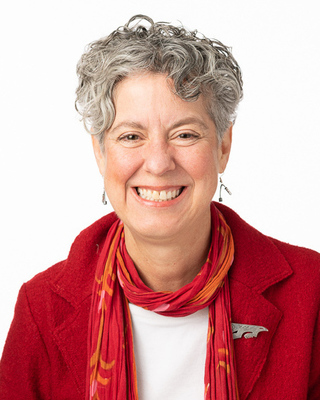
Hosted by Kathleen A Sullivan
Clinical Social Work/Therapist, MSW, LICSW
Kathleen is passionate about the value of preparation and support for life’s transitions. Her experience is that we are able to manage our life transitions best when we approach them thoughtfully and in a context of mutual support. Her intention is to bring together folks who are contemplating this next stage of their lives, and create an opportunity for learning together, sharing hopes/fears/wisdoms, and feeling (and being) more supported and resourced. The group will be a closed group of max 10 people, and will meet weekly for 4 weeks in person.
In this weekly therapy group, 4-6 adult participants come together to play role-playing games like Dungeons & Dragons. When applied in therapy settings with specialized training, these games offer a low-stakes play space to safely approach goals and challenges through a character. They also create a supportive environment to reflect on social and relational difficulties. This group is queer and neurodiversity-affirming, with emphasis on acceptance and inclusion.

Hosted by Asher Rooks
Clinical Social Work/Therapist, MSW, LGSW
In this weekly therapy group, 4-6 adult participants come together to play role-playing games like Dungeons & Dragons. When applied in therapy settings with specialized training, these games offer a low-stakes play space to safely approach goals and challenges through a character. They also create a supportive environment to reflect on social and relational difficulties. This group is queer and neurodiversity-affirming, with emphasis on acceptance and inclusion.
*Group is full, contact me to get on waitlist or for individual therapy. This group is for current/former sex workers. People who could benefit from this group include escorts, strippers, professional dominatrices, sugar-babies, cam-workers, porn actors, sensual massage providers, or any other person involved in selling a sexual service in exchange for money or material goods, those who self-identify as a sex worker, those who feel motivated to improve their support system and connect with other sex workers in a safe and confidential space, those who have experienced stigma related to their work in the sex industry.

Hosted by Katie Bloomquist
Marriage & Family Therapist, LMFT, CST
*Group is full, contact me to get on waitlist or for individual therapy. This group is for current/former sex workers. People who could benefit from this group include escorts, strippers, professional dominatrices, sugar-babies, cam-workers, porn actors, sensual massage providers, or any other person involved in selling a sexual service in exchange for money or material goods, those who self-identify as a sex worker, those who feel motivated to improve their support system and connect with other sex workers in a safe and confidential space, those who have experienced stigma related to their work in the sex industry.
Online, 12-week group from 12:00 pm to 1:00 pm on Thursdays. Maximum 15 participants. Feel free to email me for more information.

Hosted by Beth Fraley
Pre-Licensed Professional, MA, LADC, CPG
Online, 12-week group from 12:00 pm to 1:00 pm on Thursdays. Maximum 15 participants. Feel free to email me for more information.
A weekly virtual therapy group for fathers in California, Colorado, and Minnesota with 30 days - 18 months of sobriety. Discussion topics include: repairing relationships, guilt & shame, managing frustration, finding enjoyment, stress, balancing recovery, career, & family. Group meets weekly on Tuesday evenings, starting in August 2025.

Hosted by Brenna McGee
Marriage & Family Therapist, MA, LMFT
A weekly virtual therapy group for fathers in California, Colorado, and Minnesota with 30 days - 18 months of sobriety. Discussion topics include: repairing relationships, guilt & shame, managing frustration, finding enjoyment, stress, balancing recovery, career, & family. Group meets weekly on Tuesday evenings, starting in August 2025.
A peer group that meets once a month virtually for those with high dissociative abilities. Come as you are!

Hosted by Kaylee Audrey Bond
Licensed Professional Counselor, MA, LPCC
A peer group that meets once a month virtually for those with high dissociative abilities. Come as you are!
Estrangement is a spectrum. It can range from not being able to receive understanding from family due to strained relationships all the way to no contact due to unsolvable conflict. At this group we connect with others estranged from their birth families, build safety through low-pressure activities, games, and gently process the grief and loss that comes with separation from family. Coping tools and support provided throughout.

Hosted by July Ruiter
Pre-Licensed Professional, MA
Estrangement is a spectrum. It can range from not being able to receive understanding from family due to strained relationships all the way to no contact due to unsolvable conflict. At this group we connect with others estranged from their birth families, build safety through low-pressure activities, games, and gently process the grief and loss that comes with separation from family. Coping tools and support provided throughout.
This trauma-sensitive, somatic group offers a supportive virtual space for individuals experiencing anxiety to explore body-based approaches to regulation and healing. Meeting online, weekly the group combines gentle education with guided somatic practices to help participants build awareness of nervous system patterns, increase resilience, and develop practical tools for managing symptoms of anxiety. Emphasis is placed on safety, choice, and pacing, creating an environment where each person can engage at their own comfort level while learning skills to carry into daily life. Email for details, registration and next group session dates.

Hosted by Clare Rubin
Licensed Professional Counselor, MA, LPCC
This trauma-sensitive, somatic group offers a supportive virtual space for individuals experiencing anxiety to explore body-based approaches to regulation and healing. Meeting online, weekly the group combines gentle education with guided somatic practices to help participants build awareness of nervous system patterns, increase resilience, and develop practical tools for managing symptoms of anxiety. Emphasis is placed on safety, choice, and pacing, creating an environment where each person can engage at their own comfort level while learning skills to carry into daily life. Email for details, registration and next group session dates.
Positive Discipline teaches children self-discipline through mutual respect, with firm but kind expectations. Children develop responsibility, cooperation, and problem-solving skills, focusing on long-term solutions and building connection. This group will cover unique parenting challenges of the adolescent years using Positive Discipline Strategies. Join us for a free 45-minute virtual info session to learn more on 3/24 and 4/1 at 6:30 pm.

Hosted by Chanda Palacios-Hadlock
Positive Discipline teaches children self-discipline through mutual respect, with firm but kind expectations. Children develop responsibility, cooperation, and problem-solving skills, focusing on long-term solutions and building connection. This group will cover unique parenting challenges of the adolescent years using Positive Discipline Strategies. Join us for a free 45-minute virtual info session to learn more on 3/24 and 4/1 at 6:30 pm.
Join us for a relaxing and creative small-group experience where you'll learn to design and sculpt your own clay finger labyrinth. The group is for adults and capped at 6 participants. A labyrinth is a personal tool that can be used to support meditation, grounding, and reflection. Using simple techniques and natural materials, participants explore the soothing, mindful process of working with clay and its calming tactile benefits.
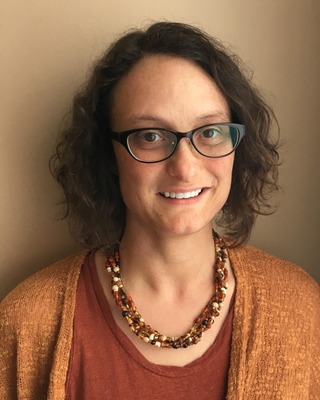
Hosted by Jocelyn Thoemke
Marriage & Family Therapist, MEd, MA, LMFT, ATR-BC
Join us for a relaxing and creative small-group experience where you'll learn to design and sculpt your own clay finger labyrinth. The group is for adults and capped at 6 participants. A labyrinth is a personal tool that can be used to support meditation, grounding, and reflection. Using simple techniques and natural materials, participants explore the soothing, mindful process of working with clay and its calming tactile benefits.
8 Weekly Sessions July-August 2024. This is for teen BIPOC adoptees who are open to a fun, low-stakes community experience, comfortable in a social setting where they're meeting new friends, invited to say whatever they want, ask the kinds of questions they may not have had the chance to explore before, and hear what others have to say within a lighthearted yet intentional space. Visit website for registration.

Hosted by Cameron Lee Small
8 Weekly Sessions July-August 2024. This is for teen BIPOC adoptees who are open to a fun, low-stakes community experience, comfortable in a social setting where they're meeting new friends, invited to say whatever they want, ask the kinds of questions they may not have had the chance to explore before, and hear what others have to say within a lighthearted yet intentional space. Visit website for registration.
Psychological Diagnostic Assessment- Substance Use Disorder Assessment. To ensure there is not a conflict of interest, I recommend using a private clinician to conduct a SUD eval verses going through a treatment center. You will leave the session knowing diagnosis, recommendations and next steps. I use ASAM Criteria/ 6 Dimensions, plus diagnostic tools to support best practice in SUD diagnosing. SUD evaluations in person or telehealth. Time: 1.5 hours.. Call to schedule an intake consultation.

Hosted by Space Psychological Services
Psychological Diagnostic Assessment- Substance Use Disorder Assessment. To ensure there is not a conflict of interest, I recommend using a private clinician to conduct a SUD eval verses going through a treatment center. You will leave the session knowing diagnosis, recommendations and next steps. I use ASAM Criteria/ 6 Dimensions, plus diagnostic tools to support best practice in SUD diagnosing. SUD evaluations in person or telehealth. Time: 1.5 hours.. Call to schedule an intake consultation.
This group is designed for individuals dealing with compulsive sexual behavior, (also known as sexual addiction or out of control sexual behavior). The group consists of 8 individuals and is facilitated by me or one of my colleagues. It meets weekly and the usual time in group is 1-2 years. It is an intensive process designed to resolve underlying causes of the problematic behavior. In addition to group therapy, group members are seen individually and with their partners and family members as appropriate. Groups are on-going with members who are at different stages of the treatment process.

Hosted by Ryan Rahm-Knigge
Psychologist, PhD, LP, CST
This group is designed for individuals dealing with compulsive sexual behavior, (also known as sexual addiction or out of control sexual behavior). The group consists of 8 individuals and is facilitated by me or one of my colleagues. It meets weekly and the usual time in group is 1-2 years. It is an intensive process designed to resolve underlying causes of the problematic behavior. In addition to group therapy, group members are seen individually and with their partners and family members as appropriate. Groups are on-going with members who are at different stages of the treatment process.
Join a weekly gathering of women who GET IT. We meet in-person Mondays in S.Mpls, Thursdays in Roseville, with gentle accountability check-ins between sessions. Diagnosis or not, this group is for women who’ve always felt “a little different,” deep feelers, fast thinkers, often overwhelmed by the everyday. A place to slow down, understand your patterns, and learn skills that support how your brain works. We’ll build connection and community, support self-understanding, work on executive functioning and emotional regulation, and set goals with compassionate accountability. Therapist-led. https://bit.ly/WomensADHDGroup

Hosted by Marina Luger
Clinical Social Work/Therapist, MSW, LGSW
Join a weekly gathering of women who GET IT. We meet in-person Mondays in S.Mpls, Thursdays in Roseville, with gentle accountability check-ins between sessions. Diagnosis or not, this group is for women who’ve always felt “a little different,” deep feelers, fast thinkers, often overwhelmed by the everyday. A place to slow down, understand your patterns, and learn skills that support how your brain works. We’ll build connection and community, support self-understanding, work on executive functioning and emotional regulation, and set goals with compassionate accountability. Therapist-led. https://bit.ly/WomensADHDGroup
Learn and practice meditation and yoga In a supportive group setting from specially trained and trauma-informed therapists and body-work professionals. The approach is particularly gentle and responsive to the needs of the individual. All levels of experience and all ages 14 and up welcome.

Hosted by Carrie Miller
Marriage & Family Therapist, LMFT, MA
Learn and practice meditation and yoga In a supportive group setting from specially trained and trauma-informed therapists and body-work professionals. The approach is particularly gentle and responsive to the needs of the individual. All levels of experience and all ages 14 and up welcome.
Together in Transition is a support group for women living with metastatic breast cancer. It provides a comfortable and caring environment that promotes living in the moment, self care, learning and humor. Thanks to a generous grant from the Komen Foundation initially, and the support of the Virginia Piper Cancer Institute, this group is free of charge to all women living with Stage IV breast cancer.

Hosted by Gayle Sherman Crandell
Together in Transition is a support group for women living with metastatic breast cancer. It provides a comfortable and caring environment that promotes living in the moment, self care, learning and humor. Thanks to a generous grant from the Komen Foundation initially, and the support of the Virginia Piper Cancer Institute, this group is free of charge to all women living with Stage IV breast cancer.
Does anxiety or OCD feel like another member of your family? When you have a child with anxiety, the whole family is impacted. What started off as a little worry has grown into your child’s excessive need for reassurance, avoidance of activities, or demands to help them with rituals. In this 3-part workshop, you are going to learn about ways to address your child’s anxiety. This workshop will provide with you concrete, actionable steps you can take to help your child. Learn more at stateofmindtherapy.com

Hosted by Jenny Matthews
Marriage & Family Therapist, LMFT
Does anxiety or OCD feel like another member of your family? When you have a child with anxiety, the whole family is impacted. What started off as a little worry has grown into your child’s excessive need for reassurance, avoidance of activities, or demands to help them with rituals. In this 3-part workshop, you are going to learn about ways to address your child’s anxiety. This workshop will provide with you concrete, actionable steps you can take to help your child. Learn more at stateofmindtherapy.com
When motherhood is not what you expected. Struggling with pressures to be the "perfect" mom. Experiencing feelings of guilt, shame or loneliness. Just not feeling like yourself. Connect with other moms to build community. Discuss the highs and lows of motherhood. Practice and learn self-care and relaxation. Gain coping skills for emotional changes. Ask questions and gain support in a safe space. YOU ARE NOT ALONE. YOU ARE STRONG. YOU ARE BRAVE. YOU ARE CAPABLE. YOU ARE A WARRIOR. $150 for 6 weeks. *Must register. https://www.lotuscounselinginc.com/

Hosted by Katie Gandolph
Clinical Social Work/Therapist, MSW, LICSW
When motherhood is not what you expected. Struggling with pressures to be the "perfect" mom. Experiencing feelings of guilt, shame or loneliness. Just not feeling like yourself. Connect with other moms to build community. Discuss the highs and lows of motherhood. Practice and learn self-care and relaxation. Gain coping skills for emotional changes. Ask questions and gain support in a safe space. YOU ARE NOT ALONE. YOU ARE STRONG. YOU ARE BRAVE. YOU ARE CAPABLE. YOU ARE A WARRIOR. $150 for 6 weeks. *Must register. https://www.lotuscounselinginc.com/
See more therapy options for Minneapolis
FAQs - About Group Therapy and Support Groups
How can I find a support group in Minneapolis?
To find a support group in your area, start by entering your city, zip code, or the name of the group into the search bar at the top of the page. When searching, consider whether you prefer an in-person or virtual group. This can help you decide how broad your geographic search should be. If you are open to virtual groups, you might want to search by state instead of just your city, especially if there are limited options nearby.
Once you complete your search, you can use the filters to narrow the results by selecting specialties (such as grief, trauma, or eating disorders), therapeutic approaches, age groups, and other criteria to find a group that best fits your needs.
How does group therapy work?
Group therapy is led by one or more trained therapists and provides a space where participants can process their experiences and learn from others facing similar challenges. Groups may focus on a specific issue—such as addiction, grief, physical illnesses, parenting, or caregiving—or they may center around a particular therapeutic approach, such as Cognitive Behavioral Therapy (CBT), social skill development, or Exposure Therapy. Some groups are also designed for specific populations, such as teens, veterans, or LGBTQ+ individuals.
It’s also important to distinguish group therapy from peer-led support groups, like Alcoholics Anonymous. While both can offer valuable support, therapy groups are typically led by licensed professionals and follow a more structured format. Therapy groups often meet for a fixed length of time with a consistent group of members, while many peer support groups meet for an indefinite period of time with members coming and going.
What are the benefits of group therapy?
Group therapy offers several important benefits. It brings together people facing similar challenges—whether related to mental health, physical health, or life transitions—and creates a supportive environment where participants can exchange feedback, share experiences, and learn from one another. Hearing different perspectives can help individuals discover new coping strategies and practical tools they may not have encountered on their own. Sharing personal experiences, such as coping with a serious illness or navigating family struggles, can also reduce feelings of isolation and foster a sense of connection and understanding. In addition to emotional support, group members often gain useful, real-world advice from peers who have faced similar situations.
Group therapy is typically more affordable than individual therapy and, for certain conditions, can be equally effective. Many groups also include structured activities—such as guided journaling, cognitive-behavioral exercises, or role-playing—to help participants develop concrete skills they can apply in daily life.
Is group therapy as effective as individual therapy?
It is difficult to make a blanket statement about the effectiveness of support groups, as they vary widely in focus and the conditions they address. However, support groups can be highly valuable in helping individuals gain emotional support and achieve meaningful treatment outcomes. For certain conditions, such as substance use, research has shown that group therapy can be particularly effective—sometimes just as effective as individual therapy—in supporting long-term recovery.
Many professionals attribute the effectiveness of group therapy to the unique benefits of the group setting, which fosters peer-to-peer learning and a sense of connection through shared experiences. Group settings also offer accountability and encouragement from both facilitators and fellow participants, which helps sustain motivation and supports continued progress. These factors together play a key role in promoting the overall effectiveness of group therapy.
How much does group therapy cost?
Group therapy is typically less expensive than individual therapy, with sessions typically costing between 50and50 and 50and75 each. In comparison, individual therapy can cost anywhere from 100to100 to 100to200 or more per session, even with insurance. Some therapists or organizations offer low-cost or free group therapy options, particularly through community centers or nonprofit organizations. In some cases, groups may require payment upfront for a set number of sessions, such as paying for six weekly sessions at the first meeting. However, many providers offer payment plans to help make participation more accessible if this upfront payment is required.
Does insurance cover group therapy?
As with individual therapy, insurance coverage for group therapy varies based on factors such as your specific insurance plan, the purpose of the group, your diagnosis, and whether the group provider is in-network. Many insurance plans cover group therapy sessions that address diagnosable mental health conditions, such as substance use disorders, anxiety, or depression.
However, groups that focus on topics not directly tied to a mental health diagnosis—such as parenting support or divorce recovery—are less likely to be covered. Because coverage can vary widely, it’s important to check with your insurance provider before joining a group to confirm whether the sessions will be covered and what out-of-pocket costs you may be responsible for.
How long does group therapy last?
The length of each group therapy session typically ranges from 45 minutes to two hours, depending on the therapy approach, the group’s goals, and how often the group meets. In some cases, group therapy is part of a larger treatment program, such as an Intensive Outpatient Program (IOP), where group sessions complement individual therapy and are scheduled as part of the program’s overall structure.
The duration of participation in a group also varies. Some groups are designed to be short-term, lasting anywhere from 6 to 24 weeks—for example, bereavement groups or skills-based groups like those using Dialectical Behavioral Therapy (DBT). Other groups may be longer-term, lasting a year or more, and some ongoing support groups meet indefinitely, allowing participants to stay as long as they find the group helpful.
What are the limitations of support groups?
Support groups offer many benefits, but they also have certain limitations. Unlike therapy groups, many support groups do not provide formal therapeutic treatment and are not led by licensed mental health professionals. For individuals seeking clinical treatment for specific mental health diagnoses—such as depression, eating disorders, or substance use—individual therapy or group therapy led by a licensed professional may offer more personalized and specialized care.
The effectiveness of a support group also depends heavily on the group’s participants and the overall group dynamic. When members engage respectfully and offer constructive support, the group can foster valuable peer-to-peer learning. However, if certain participants dominate discussions, provide inaccurate advice, or create conflict, it can disrupt the group’s sense of safety and reduce its effectiveness. Confidentiality can also be harder to maintain in support groups, particularly in open groups where participants can join or leave at any time. With new members regularly entering the group, it can be more difficult to build and sustain a consistent sense of trust and privacy.