Group Therapy and Support Groups in South Dakota (original) (raw)
View cities and counties in South Dakota
Support Groups in South Dakota
Move your mental health beyond traditional counseling by engaging with the Mind Body Spirit Protocol. Learn how to control your mind, activate your body, and ignite your Spirit with innovative and non-traditional approaches to therapy such as hikes, ruck marches, cold plunges, archery integration, CrossFit, Hemi-Sync and more... This is not your average counseling practice. This is therapy built so you can thrive in mind, body, and Spirit.
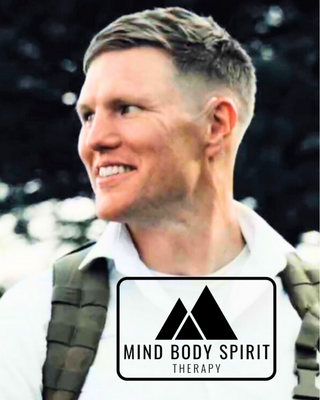
Hosted by Mind Body Spirit Therapy (Skyler Bascom)
Pre-Licensed Professional, NCC, MDiv, MCoun
Move your mental health beyond traditional counseling by engaging with the Mind Body Spirit Protocol. Learn how to control your mind, activate your body, and ignite your Spirit with innovative and non-traditional approaches to therapy such as hikes, ruck marches, cold plunges, archery integration, CrossFit, Hemi-Sync and more... This is not your average counseling practice. This is therapy built so you can thrive in mind, body, and Spirit.
A supportive and safe environment to help survivors of trauma feel less anxious, afraid, or alone while sharing experiences and coping skills, learn new coping skills, and feel more control in your life and emotions.
Hosted by Ashley R Termansen
Clinical Social Work/Therapist, LCSWPIP, QMHP
A supportive and safe environment to help survivors of trauma feel less anxious, afraid, or alone while sharing experiences and coping skills, learn new coping skills, and feel more control in your life and emotions.
Our IOP provides structured treatment for substance use disorder while allowing individuals to maintain daily responsibilities. Using evidence-based approaches like Moral Reconation Therapy (MRT) and Dialectical Behavior Therapy (DBT), participants learn skills in mindfulness, distress tolerance, emotion regulation, and interpersonal effectiveness. The program supports ongoing recovery by addressing triggers, coping strategies, and urges, while integrating relapse-prevention skills to help chart a healthier path forward. With flexible hours, our IOP meets patients where they are, offering effective tools, supportive care, and a clear framework to help individuals reach their goals and stay on track in their recovery journey.
Our IOP provides structured treatment for substance use disorder while allowing individuals to maintain daily responsibilities. Using evidence-based approaches like Moral Reconation Therapy (MRT) and Dialectical Behavior Therapy (DBT), participants learn skills in mindfulness, distress tolerance, emotion regulation, and interpersonal effectiveness. The program supports ongoing recovery by addressing triggers, coping strategies, and urges, while integrating relapse-prevention skills to help chart a healthier path forward. With flexible hours, our IOP meets patients where they are, offering effective tools, supportive care, and a clear framework to help individuals reach their goals and stay on track in their recovery journey.
Online group focusing on mindfulness, interpersonal relationship skills, emotion regulation, and distress tolerance. Will work with Dialectical Behavioral Therapy skills model.
Hosted by Lesley Atkins
Clinical Social Work/Therapist, MSW, CSW-PIP, CSITP, QMHP
Group meets in Burke, SD 57523
Online group focusing on mindfulness, interpersonal relationship skills, emotion regulation, and distress tolerance. Will work with Dialectical Behavioral Therapy skills model.
An evidence based group for people who love someone struggling with addiction and/or recovery.
Hosted by Abby L Lawrence
Clinical Social Work/Therapist, MBA, CSW-PIP, QMHP
An evidence based group for people who love someone struggling with addiction and/or recovery.
This is a recovery support group for those who are in recovery and are working to maintain it. It is an opportunity to connect with others in a clinical setting while also being provided psychoeducation on a wide range of recovery based topics.
Hosted by Dylan Strand
Clinical Social Work/Therapist, LCSW, CAC
This is a recovery support group for those who are in recovery and are working to maintain it. It is an opportunity to connect with others in a clinical setting while also being provided psychoeducation on a wide range of recovery based topics.
Group therapy offers a safe, supportive space to explore and heal from all forms of trauma and abuse, including physical, emotional, sexual, spiritual, and relational challenges like abandonment, codependency, and communication issues. We also address the impact of disabilities on emotional well-being. Using diverse therapeutic approaches such as Intuitive Experiential Therapy, art therapy, play therapy, sand tray, and psychodrama, participants are guided to connect with their core emotional selves. This process promotes positive change, reduces stress, and fosters healing and growth. Together, we create a compassionate environment where transformation and lasting emotional freedom are possible.
Hosted by Dave Jetson
Licensed Professional Counselor, LCP-MH, LCPC
Group therapy offers a safe, supportive space to explore and heal from all forms of trauma and abuse, including physical, emotional, sexual, spiritual, and relational challenges like abandonment, codependency, and communication issues. We also address the impact of disabilities on emotional well-being. Using diverse therapeutic approaches such as Intuitive Experiential Therapy, art therapy, play therapy, sand tray, and psychodrama, participants are guided to connect with their core emotional selves. This process promotes positive change, reduces stress, and fosters healing and growth. Together, we create a compassionate environment where transformation and lasting emotional freedom are possible.
Having to adjust to limitations suddenly? Life changes from mobility changes or limits to your freedom? Examples grief, sudden loss, unable to drive, having to move or change residency, needing more help in everyday life activities. If so, this group is for you. It is virtual so you can do this from the comfort of your own home. This is to offer education and support on how to make your adjustment easier.
Hosted by Hiedi Roberts
Clinical Social Work/Therapist, LCSW, PIP
Having to adjust to limitations suddenly? Life changes from mobility changes or limits to your freedom? Examples grief, sudden loss, unable to drive, having to move or change residency, needing more help in everyday life activities. If so, this group is for you. It is virtual so you can do this from the comfort of your own home. This is to offer education and support on how to make your adjustment easier.
Classes in person or online. Groups require at least 6 people registered. Individual court-ordered classes or 90 minutes in length and can be remote or in-person.
Hosted by Kimberly J Cournoyer
Licensed Professional Counselor, EdS, LPC-MH, QMHP
Classes in person or online. Groups require at least 6 people registered. Individual court-ordered classes or 90 minutes in length and can be remote or in-person.
Your trusted source for professional counseling services in Brookings, SD. There are unique challenges that individuals, couples, and families face in their lives, and we are dedicated to providing compassionate and effective therapy. Seeking therapy takes courage, and we are committed to providing a safe and supportive environment where you can explore your thoughts, feelings, and goals.
Hosted by At Ease Counseling
Your trusted source for professional counseling services in Brookings, SD. There are unique challenges that individuals, couples, and families face in their lives, and we are dedicated to providing compassionate and effective therapy. Seeking therapy takes courage, and we are committed to providing a safe and supportive environment where you can explore your thoughts, feelings, and goals.
Women share their journey in improving their mental health and continue their journey with other women in the group. Codependency, self esteem, empowerment, the power of one's voice, self care, trauma, and other important topics are taught, discussed, and practiced in a safe, confidential environment.
Hosted by Stephanie Jill Moore
Licensed Professional Counselor, MS, NCC, LPC-MH, QMHP
Women share their journey in improving their mental health and continue their journey with other women in the group. Codependency, self esteem, empowerment, the power of one's voice, self care, trauma, and other important topics are taught, discussed, and practiced in a safe, confidential environment.
This group is designed for individuals who suffer from depression/anxiety. The focus of this group is to is designed to educate and explore clinical depression/anxiety. The client will learn more effective ways to treat their depression/anxiety and regulate difficult emotions, promote strategies to interrupt negative thinking and increase their ability to recognize and handle distress more effectively. The goals is to help gain coping skills, educate on negative effects of depression/anxiety and learn how to cope with depression and anxiety through Cognitive Behavioral Therapy. This group is offered in a confidential and safe setting.
Hosted by Heidie J Holmstrom
Licensed Professional Counselor, MA, LPC-MH, NCC, LPC, QMHP
This group is designed for individuals who suffer from depression/anxiety. The focus of this group is to is designed to educate and explore clinical depression/anxiety. The client will learn more effective ways to treat their depression/anxiety and regulate difficult emotions, promote strategies to interrupt negative thinking and increase their ability to recognize and handle distress more effectively. The goals is to help gain coping skills, educate on negative effects of depression/anxiety and learn how to cope with depression and anxiety through Cognitive Behavioral Therapy. This group is offered in a confidential and safe setting.
The group provides education and a therapeutic group dynamic about substance use, first step, spirituality, feelings, relapse prevention and life management.
The group provides education and a therapeutic group dynamic about substance use, first step, spirituality, feelings, relapse prevention and life management.
Safe Space is a collaboration between me and the Transformation Project of South Dakota. Offering a free weekly support group in a hybrid format across South Dakota for transgender and gender non-conforming adults 18-40.
Hosted by Brianna Heppler
Marriage & Family Therapist, MS, LMFT, CSTIP
Safe Space is a collaboration between me and the Transformation Project of South Dakota. Offering a free weekly support group in a hybrid format across South Dakota for transgender and gender non-conforming adults 18-40.
This group is design for men who have been court ordered to complete a approved domestic violence treatment program. This class may be delivered via online / tele health format.
Hosted by Jerry P. Feist
Licensed Professional Counselor, MS, LPC-MH, QMHP
This group is design for men who have been court ordered to complete a approved domestic violence treatment program. This class may be delivered via online / tele health format.
MRT DV is a cognitive behavioral program geared towards assisting clients identify negative patterns of behavior that lead to engaging in violence in their home. The curriculum discusses healthy ways to identify anger triggers, learn how to manage stress and difficult emotions and find healthy ways to cope with those feelings.
Hosted by Lindsay Bruckner
Clinical Social Work/Therapist, MSW , LCSWPIP, QMHP
Group meets in Pierre, SD 57501
MRT DV is a cognitive behavioral program geared towards assisting clients identify negative patterns of behavior that lead to engaging in violence in their home. The curriculum discusses healthy ways to identify anger triggers, learn how to manage stress and difficult emotions and find healthy ways to cope with those feelings.
This 8 session educational group delivers core strategies to build a better life. We cover ways to reduce intense mood changes, discovering and building what is most important to you, strengthening communication and relationships, how to exit panic or fight/flight, and more. We focus on learning and practicing strategies with no pressure to share sensitive or personal information. You will receive optional homework to strengthen your learning between sessions. Please reach out if you are interested to discuss scheduling.
Hosted by Forward Flow Counseling LLC
Clinical Social Work/Therapist, MSW, CSW-PIP, QMHP
This 8 session educational group delivers core strategies to build a better life. We cover ways to reduce intense mood changes, discovering and building what is most important to you, strengthening communication and relationships, how to exit panic or fight/flight, and more. We focus on learning and practicing strategies with no pressure to share sensitive or personal information. You will receive optional homework to strengthen your learning between sessions. Please reach out if you are interested to discuss scheduling.
We experience grief individually in different ways, but many find comfort when we walk together through our experience. We find that sharing our journey of loss is a healing experience. In "Finding Hope in Grief," I hope that you will find that sharing our stories in a trusted community will help you heal from your loss. In the process, we trust you will find new hope for your life. We'll meet this fall, Tuesdays, 7-8 pm, October 7 - November 25. Ron Olson, who has experience journeying with people in their loss, will facilitate the group.

Hosted by Ron Olson
Pre-Licensed Professional, MDiv, MA, LPC-Sup
We experience grief individually in different ways, but many find comfort when we walk together through our experience. We find that sharing our journey of loss is a healing experience. In "Finding Hope in Grief," I hope that you will find that sharing our stories in a trusted community will help you heal from your loss. In the process, we trust you will find new hope for your life. We'll meet this fall, Tuesdays, 7-8 pm, October 7 - November 25. Ron Olson, who has experience journeying with people in their loss, will facilitate the group.
We all rely on our screens—but sometimes they begin to affect our focus, mood, sleep, and relationships. Linking the Gap Counseling offers an 8-week group starting April 15, 2026 for adults (18+) who want to build a healthier, more balanced relationship with technology. Sessions are designed to be flexible and self-contained, so you may attend one week, several, or the full series. Each meeting includes guided discussion, mindfulness-based strategies, and practical tools to reduce stress, improve emotional regulation, strengthen boundaries, and create intentional digital habits that support overall well-being.

Hosted by Annika Allen
Pre-Licensed Professional, MA
We all rely on our screens—but sometimes they begin to affect our focus, mood, sleep, and relationships. Linking the Gap Counseling offers an 8-week group starting April 15, 2026 for adults (18+) who want to build a healthier, more balanced relationship with technology. Sessions are designed to be flexible and self-contained, so you may attend one week, several, or the full series. Each meeting includes guided discussion, mindfulness-based strategies, and practical tools to reduce stress, improve emotional regulation, strengthen boundaries, and create intentional digital habits that support overall well-being.
SD Department of Safety DUI 1 Class
SD Department of Safety DUI 1 Class
See more therapy options for South Dakota
FAQs - About Group Therapy and Support Groups
How can I find a support group in South Dakota?
To find a support group in your area, start by entering your city, zip code, or the name of the group into the search bar at the top of the page. When searching, consider whether you prefer an in-person or virtual group. This can help you decide how broad your geographic search should be. If you are open to virtual groups, you might want to search by state instead of just your city, especially if there are limited options nearby.
Once you complete your search, you can use the filters to narrow the results by selecting specialties (such as grief, trauma, or eating disorders), therapeutic approaches, age groups, and other criteria to find a group that best fits your needs.
How does group therapy work?
Group therapy is led by one or more trained therapists and provides a space where participants can process their experiences and learn from others facing similar challenges. Groups may focus on a specific issue—such as addiction, grief, physical illnesses, parenting, or caregiving—or they may center around a particular therapeutic approach, such as Cognitive Behavioral Therapy (CBT), social skill development, or Exposure Therapy. Some groups are also designed for specific populations, such as teens, veterans, or LGBTQ+ individuals.
It’s also important to distinguish group therapy from peer-led support groups, like Alcoholics Anonymous. While both can offer valuable support, therapy groups are typically led by licensed professionals and follow a more structured format. Therapy groups often meet for a fixed length of time with a consistent group of members, while many peer support groups meet for an indefinite period of time with members coming and going.
What are the benefits of group therapy?
Group therapy offers several important benefits. It brings together people facing similar challenges—whether related to mental health, physical health, or life transitions—and creates a supportive environment where participants can exchange feedback, share experiences, and learn from one another. Hearing different perspectives can help individuals discover new coping strategies and practical tools they may not have encountered on their own. Sharing personal experiences, such as coping with a serious illness or navigating family struggles, can also reduce feelings of isolation and foster a sense of connection and understanding. In addition to emotional support, group members often gain useful, real-world advice from peers who have faced similar situations.
Group therapy is typically more affordable than individual therapy and, for certain conditions, can be equally effective. Many groups also include structured activities—such as guided journaling, cognitive-behavioral exercises, or role-playing—to help participants develop concrete skills they can apply in daily life.
Is group therapy as effective as individual therapy?
It is difficult to make a blanket statement about the effectiveness of support groups, as they vary widely in focus and the conditions they address. However, support groups can be highly valuable in helping individuals gain emotional support and achieve meaningful treatment outcomes. For certain conditions, such as substance use, research has shown that group therapy can be particularly effective—sometimes just as effective as individual therapy—in supporting long-term recovery.
Many professionals attribute the effectiveness of group therapy to the unique benefits of the group setting, which fosters peer-to-peer learning and a sense of connection through shared experiences. Group settings also offer accountability and encouragement from both facilitators and fellow participants, which helps sustain motivation and supports continued progress. These factors together play a key role in promoting the overall effectiveness of group therapy.
How much does group therapy cost?
Group therapy is typically less expensive than individual therapy, with sessions typically costing between 50and50 and 50and75 each. In comparison, individual therapy can cost anywhere from 100to100 to 100to200 or more per session, even with insurance. Some therapists or organizations offer low-cost or free group therapy options, particularly through community centers or nonprofit organizations. In some cases, groups may require payment upfront for a set number of sessions, such as paying for six weekly sessions at the first meeting. However, many providers offer payment plans to help make participation more accessible if this upfront payment is required.
Does insurance cover group therapy?
As with individual therapy, insurance coverage for group therapy varies based on factors such as your specific insurance plan, the purpose of the group, your diagnosis, and whether the group provider is in-network. Many insurance plans cover group therapy sessions that address diagnosable mental health conditions, such as substance use disorders, anxiety, or depression.
However, groups that focus on topics not directly tied to a mental health diagnosis—such as parenting support or divorce recovery—are less likely to be covered. Because coverage can vary widely, it’s important to check with your insurance provider before joining a group to confirm whether the sessions will be covered and what out-of-pocket costs you may be responsible for.
How long does group therapy last?
The length of each group therapy session typically ranges from 45 minutes to two hours, depending on the therapy approach, the group’s goals, and how often the group meets. In some cases, group therapy is part of a larger treatment program, such as an Intensive Outpatient Program (IOP), where group sessions complement individual therapy and are scheduled as part of the program’s overall structure.
The duration of participation in a group also varies. Some groups are designed to be short-term, lasting anywhere from 6 to 24 weeks—for example, bereavement groups or skills-based groups like those using Dialectical Behavioral Therapy (DBT). Other groups may be longer-term, lasting a year or more, and some ongoing support groups meet indefinitely, allowing participants to stay as long as they find the group helpful.
What are the limitations of support groups?
Support groups offer many benefits, but they also have certain limitations. Unlike therapy groups, many support groups do not provide formal therapeutic treatment and are not led by licensed mental health professionals. For individuals seeking clinical treatment for specific mental health diagnoses—such as depression, eating disorders, or substance use—individual therapy or group therapy led by a licensed professional may offer more personalized and specialized care.
The effectiveness of a support group also depends heavily on the group’s participants and the overall group dynamic. When members engage respectfully and offer constructive support, the group can foster valuable peer-to-peer learning. However, if certain participants dominate discussions, provide inaccurate advice, or create conflict, it can disrupt the group’s sense of safety and reduce its effectiveness. Confidentiality can also be harder to maintain in support groups, particularly in open groups where participants can join or leave at any time. With new members regularly entering the group, it can be more difficult to build and sustain a consistent sense of trust and privacy.