Group Therapy and Support Groups in Nashville, TN (original) (raw)
Support Groups in Nashville, TN
BUILDING A s HEALTHY RELATIONSHIP TO FITNESS WORKSHOP. 2.5 hour workshop. Experiential group that will help you promote self-care and self-love • Facilitation and teaching by a Certified Personal Trainer and Licensed Therapist • 30-minute group exercise class with foundational movements you can recreate at home or the gym • Learn how to process shame, guilt, fear, and other emotions you feel around the workout • Get in-tune with your body's feelings and needs. Workshop is scheduled for 1/11/24.

Hosted by Ingrid Ransom Boje
Clinical Social Work/Therapist, LCSW
BUILDING A s HEALTHY RELATIONSHIP TO FITNESS WORKSHOP. 2.5 hour workshop. Experiential group that will help you promote self-care and self-love • Facilitation and teaching by a Certified Personal Trainer and Licensed Therapist • 30-minute group exercise class with foundational movements you can recreate at home or the gym • Learn how to process shame, guilt, fear, and other emotions you feel around the workout • Get in-tune with your body's feelings and needs. Workshop is scheduled for 1/11/24.
Writing is a journey towards greater presence and more authentic expression. Born out of the yearning to connect more fully with life, writing is the revolutionary act of claiming and sharing our stories, our wisdom and ourselves. Please join our writing circle, Stories That Need to be Told, where we will (1) Explore the beauty, inspiration, joy and heartbreak of being human (2) Excavate , express and perhaps construct anew the stories that shape us, and (3) Connect in creative community. Please contact Rain for a free 15 minute consultation to see if this Circle is right for you.

Hosted by Rain Marie Voss
Writing is a journey towards greater presence and more authentic expression. Born out of the yearning to connect more fully with life, writing is the revolutionary act of claiming and sharing our stories, our wisdom and ourselves. Please join our writing circle, Stories That Need to be Told, where we will (1) Explore the beauty, inspiration, joy and heartbreak of being human (2) Excavate , express and perhaps construct anew the stories that shape us, and (3) Connect in creative community. Please contact Rain for a free 15 minute consultation to see if this Circle is right for you.
Once monthly resourcing group for healing and creative professionals looking to explore movement and touch.

Hosted by Sarah Broyles Ledbetter
Licensed Professional Counselor, MS
Once monthly resourcing group for healing and creative professionals looking to explore movement and touch.
Restoring the Temple is a monthly in-person healing circle devoted to nurturing harmony in mind, body, and spirit. Rooted in the sacred belief that our bodies are living temples, this space invites you to return to yourself—gently, intentionally, and in community. Each gathering offers a guided somatic experience—rotating between yoga, journaling, sound baths, and meditation—designed to support nervous system regulation, inner stillness, and embodied presence. Whether you are seeking balance, rest, renewal, or reconnection, this circle is a place to remember the wisdom already living within you. Come as you are. Leave more whole.
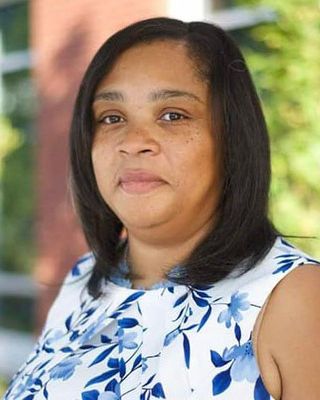
Hosted by Taboya Holman
Licensed Professional Counselor, LPC
Restoring the Temple is a monthly in-person healing circle devoted to nurturing harmony in mind, body, and spirit. Rooted in the sacred belief that our bodies are living temples, this space invites you to return to yourself—gently, intentionally, and in community. Each gathering offers a guided somatic experience—rotating between yoga, journaling, sound baths, and meditation—designed to support nervous system regulation, inner stillness, and embodied presence. Whether you are seeking balance, rest, renewal, or reconnection, this circle is a place to remember the wisdom already living within you. Come as you are. Leave more whole.
Looking for a creative outlet and a space to connect with others? In this group, we’ll use altered books as a container for mixed media art, exploring self-expression and creativity in a supportive and relaxed environment. Each session will include simple optional prompts to help you get started, but the vibe is intentionally loose and flexible—perfect for those who want to experiment with art while building connections with others. No artistic experience is necessary—just bring your curiosity and an open mind! As of 1/13/2026, this group is between cohorts, but should hopefully return by August 2026.

Hosted by Lydia Henderson
Looking for a creative outlet and a space to connect with others? In this group, we’ll use altered books as a container for mixed media art, exploring self-expression and creativity in a supportive and relaxed environment. Each session will include simple optional prompts to help you get started, but the vibe is intentionally loose and flexible—perfect for those who want to experiment with art while building connections with others. No artistic experience is necessary—just bring your curiosity and an open mind! As of 1/13/2026, this group is between cohorts, but should hopefully return by August 2026.
All my groups are designed for individuals who want to develop greater self awareness, increase their ability to talk about their emotions and express their needs, receive support and learn to connect with others more deeply. I currently lead five groups. Mon: 12:10-1:40 via Zoom (Mixed Gender); Tues: 1:00-2:30 (Mixed Gender); Tues: 4:30-6:00 (Men); Wed: 4:30-6:00 (Mixed Gender); Thur: 8:05-9:35 (Mixed Gender) - co led with my wife, Ruth Bryant, LCSW.

All my groups are designed for individuals who want to develop greater self awareness, increase their ability to talk about their emotions and express their needs, receive support and learn to connect with others more deeply. I currently lead five groups. Mon: 12:10-1:40 via Zoom (Mixed Gender); Tues: 1:00-2:30 (Mixed Gender); Tues: 4:30-6:00 (Men); Wed: 4:30-6:00 (Mixed Gender); Thur: 8:05-9:35 (Mixed Gender) - co led with my wife, Ruth Bryant, LCSW.
In the narcissistic family, the needs of the parent take precedence over the needs of the daughter. As a result, this child becomes a woman with such personality traits as a lack of self-confidence, a chronic need to please, difficulty being assertive, and has great difficulty identifying and acting upon her own feelings, wants, and needs. One goal of this therapy group is to challenge the negative self-image, which was put in place by endless parental demands for change. As Dr. Elan Golumb as written, "We are like bonsai plants, with prior years of confinements, suppression, and reshaping."

Hosted by Dr. Philip Chanin
Psychologist, EdD, ABPP, CGP
In the narcissistic family, the needs of the parent take precedence over the needs of the daughter. As a result, this child becomes a woman with such personality traits as a lack of self-confidence, a chronic need to please, difficulty being assertive, and has great difficulty identifying and acting upon her own feelings, wants, and needs. One goal of this therapy group is to challenge the negative self-image, which was put in place by endless parental demands for change. As Dr. Elan Golumb as written, "We are like bonsai plants, with prior years of confinements, suppression, and reshaping."
Group to include mindfulness, skills for communication, healthy coping, decision making and managing extreme emotions as well as our relationships with technology/social media. Groups will include experiential activities such as outdoor activities, yoga, art, music as traditional processing with professional therapists and interns. Group appropriate for teens struggling with depression, anxiety, self harm, body image, eating disorders, perfectionism, bipolar disorder. Feel free to reach out, see if its a good fit, and if not, we can try and help you find the right place!
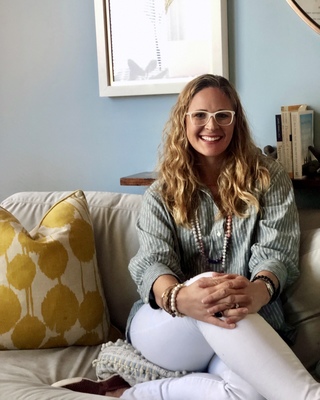
Hosted by Mary Ann Sokolowski
Group to include mindfulness, skills for communication, healthy coping, decision making and managing extreme emotions as well as our relationships with technology/social media. Groups will include experiential activities such as outdoor activities, yoga, art, music as traditional processing with professional therapists and interns. Group appropriate for teens struggling with depression, anxiety, self harm, body image, eating disorders, perfectionism, bipolar disorder. Feel free to reach out, see if its a good fit, and if not, we can try and help you find the right place!
This virtual, bi-weekly therapy group offers a supportive space to connect with others, deepen your understanding of OCD and anxiety, and build skills using evidence-based approaches. Open to Tennessee residents ages 18 and up, the group meets virtually every other Wednesday at 6:00PM CST. Each session includes psychoeducation, skill-building, and group discussion. It’s a great option if you're looking for structure, support, and connection. Spots are limited to keep the group focused. Cost is $40 per session. To learn more or inquire about joining, please email allywallacelpc@gmail.com.

Hosted by Ally Wallace
Licensed Professional Counselor, LPC, MHSP, NCC
This virtual, bi-weekly therapy group offers a supportive space to connect with others, deepen your understanding of OCD and anxiety, and build skills using evidence-based approaches. Open to Tennessee residents ages 18 and up, the group meets virtually every other Wednesday at 6:00PM CST. Each session includes psychoeducation, skill-building, and group discussion. It’s a great option if you're looking for structure, support, and connection. Spots are limited to keep the group focused. Cost is $40 per session. To learn more or inquire about joining, please email allywallacelpc@gmail.com.
The goal of group is to facilitate growth, healing, and self-development in a safe space through sharing your own experiences and building relationships with likeminded people in our community. It is designed to support individuals who struggle with anxiety, depression, trauma, or every day stressors that detract from living life to the fullest. This group is not appropriate for treating primary addiction. For more information please contact me for a free phone consultation.
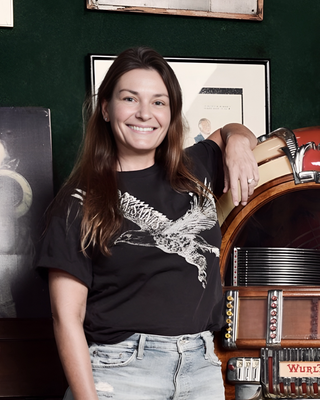
Hosted by Jiffy Dahlgren
Licensed Professional Counselor, LPC, MHSP
The goal of group is to facilitate growth, healing, and self-development in a safe space through sharing your own experiences and building relationships with likeminded people in our community. It is designed to support individuals who struggle with anxiety, depression, trauma, or every day stressors that detract from living life to the fullest. This group is not appropriate for treating primary addiction. For more information please contact me for a free phone consultation.
MusiCares operates an Addiction Recovery Program that recognizes those issues unique to musicians in recovery at any stage of their career and whether they are on tour or performing locally. We meet Thursdays from 6 to 7pm, and THE MEETINGS ARE FREE! Please call for more information, and for directions for attending the group. https:// www.grammy.com/ musicares/get-help/ addiction-recovery (remove spaces and paste into your browser for more info.

MusiCares operates an Addiction Recovery Program that recognizes those issues unique to musicians in recovery at any stage of their career and whether they are on tour or performing locally. We meet Thursdays from 6 to 7pm, and THE MEETINGS ARE FREE! Please call for more information, and for directions for attending the group. https:// www.grammy.com/ musicares/get-help/ addiction-recovery (remove spaces and paste into your browser for more info.
Grief & Loss Group (open) All Ages Welcome How often do we meet? - We meet every two weeks/bi-weekly How much is it? - 75persession(Translatesto75 per session (Translates to 75persession(Translatesto75 every two weeks) Address: 2935 Berry Hill Dr. Nashville, TN 37204 This is an open group which means there is no end date. You are welcome to join at any time and leave at any time. Message me at 270-205-8909 to schedule a free consultation.

Hosted by Bre’onna Logothetis Eaton
Pre-Licensed Professional, A, LPC, MHSP
Grief & Loss Group (open) All Ages Welcome How often do we meet? - We meet every two weeks/bi-weekly How much is it? - 75persession(Translatesto75 per session (Translates to 75persession(Translatesto75 every two weeks) Address: 2935 Berry Hill Dr. Nashville, TN 37204 This is an open group which means there is no end date. You are welcome to join at any time and leave at any time. Message me at 270-205-8909 to schedule a free consultation.
We’re a free, therapist-facilitated but peer-led OCD support group. Even if you only come once, you’ll break one of OCD’s biggest lies—that you’re the only one. Though our obsessions differ, we share an allergy to uncertainty and a longing for freedom. Because OCD thrives in isolation, we find strength in numbers. We meet monthly for real conversations, to share strategies, and to remind each other that OCD doesn’t get the final word. Whether you’re just starting out, in the thick of it, or staying steady, you’re welcome here.

Hosted by Leah Johansson
Licensed Professional Counselor, LPC, MHSP
We’re a free, therapist-facilitated but peer-led OCD support group. Even if you only come once, you’ll break one of OCD’s biggest lies—that you’re the only one. Though our obsessions differ, we share an allergy to uncertainty and a longing for freedom. Because OCD thrives in isolation, we find strength in numbers. We meet monthly for real conversations, to share strategies, and to remind each other that OCD doesn’t get the final word. Whether you’re just starting out, in the thick of it, or staying steady, you’re welcome here.
Good for LGBTQ+ people (18+) who already know how to knit/crochet or beginners looking to learn about a new skill. Good for those who want a safe space to craft. Good for those who want to learn calming techniques and bilateral stimulation while being in the company of other LGBTQ+ humans to vent, giggle, and process life! All needles, hooks and yarn included OR BYO project! Anyone that doesn’t want to knit/crochet can help with group project (making plarn and weaving it into rope to make upcycled goods and donatables!) or can just socialize!

Good for LGBTQ+ people (18+) who already know how to knit/crochet or beginners looking to learn about a new skill. Good for those who want a safe space to craft. Good for those who want to learn calming techniques and bilateral stimulation while being in the company of other LGBTQ+ humans to vent, giggle, and process life! All needles, hooks and yarn included OR BYO project! Anyone that doesn’t want to knit/crochet can help with group project (making plarn and weaving it into rope to make upcycled goods and donatables!) or can just socialize!
Society has placed many stressors in the path of black men. Some of which people other than black men will never have to deal with and even have difficulty understanding. Whether it's due to trauma, family issues or navigating racism and discrimination; we all find ways of navigating these things, but some cause more problems. This weekly therapy group provides an opportunity to take off the armor in a safe and supportive environment where black men are able process the impact of life stressors and society's demands**** For More information or to Register email dr.frank.byndloss@gmail.com or www.drfrankbyndloss.com\*\*\*\*

Society has placed many stressors in the path of black men. Some of which people other than black men will never have to deal with and even have difficulty understanding. Whether it's due to trauma, family issues or navigating racism and discrimination; we all find ways of navigating these things, but some cause more problems. This weekly therapy group provides an opportunity to take off the armor in a safe and supportive environment where black men are able process the impact of life stressors and society's demands**** For More information or to Register email dr.frank.byndloss@gmail.com or www.drfrankbyndloss.com\*\*\*\*
DUI school is offered five times a month and you can sign up at www.DozierDuiSchool.com. We offer several different options to meet the state required hours. Feel free to contact me if you have any questions.
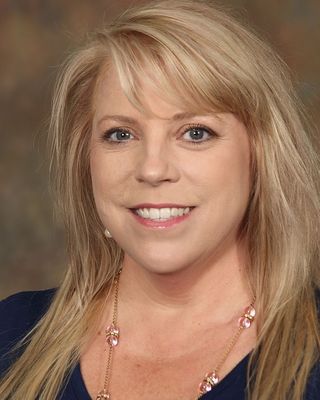
Hosted by Jennifer Michelle Dozier
Licensed Professional Counselor, PhD, LADAC, LPC-MHS, SAP, QCS
DUI school is offered five times a month and you can sign up at www.DozierDuiSchool.com. We offer several different options to meet the state required hours. Feel free to contact me if you have any questions.
This is a processing group for adult women with eating disorders who are working towards establishing or maintaining eating disorder recovery. We meet on Tuesday nights from 5pm-7pm. Cost is $100/session, with a minimum of a 6-week commitment.

Hosted by Caverly Warren
Licensed Professional Counselor, MEd, LPC
This is a processing group for adult women with eating disorders who are working towards establishing or maintaining eating disorder recovery. We meet on Tuesday nights from 5pm-7pm. Cost is $100/session, with a minimum of a 6-week commitment.
MindfulnessHour is a weekly drop-in group for adults designed to reduce stress, increase self-awareness, and develop mindfulness skills. Sessions may include meditation, journaling, coloring, breathing exercises, gentle stretching, or mindful movement. Participants are welcome to bring items that support their experience, such as fidgets, headphones, or art supplies. The group meets at 6:00 PM Central on the 1st Monday, 2nd Tuesday, 3rd Wednesday, and 4th Thursday of each month at Cedar Tree Wellness Center in Nashville. Cost is 5forformerCedarTreeclientsand5 for former Cedar Tree clients and 5forformerCedarTreeclientsand10 for others. Led by therapist interns Anna Morris and Jensen Smalling.
Hosted by Cedar Tree Wellness Center
Treatment Center, MEd, LPC, MHSP, NCC, ACS
MindfulnessHour is a weekly drop-in group for adults designed to reduce stress, increase self-awareness, and develop mindfulness skills. Sessions may include meditation, journaling, coloring, breathing exercises, gentle stretching, or mindful movement. Participants are welcome to bring items that support their experience, such as fidgets, headphones, or art supplies. The group meets at 6:00 PM Central on the 1st Monday, 2nd Tuesday, 3rd Wednesday, and 4th Thursday of each month at Cedar Tree Wellness Center in Nashville. Cost is 5forformerCedarTreeclientsand5 for former Cedar Tree clients and 5forformerCedarTreeclientsand10 for others. Led by therapist interns Anna Morris and Jensen Smalling.
Are you new to sobriety or are sober curious? Seeking support with the whirlwind that is recovery? Hoping to connect with other folks in a creative and nonjudgmental way? Music psychotherapy is an expressive process that helps people explore their inner world through facilitated musical and creative experiences. By sharing and analyzing personal songs that relate to your current journey, members of this group will move through the highs and lows of early recovery with a safe space for expression and connection. Online, Tuesdays 4/15-6/3. Commitment to 8 sessions required. Reach out to join or learn more.
Are you new to sobriety or are sober curious? Seeking support with the whirlwind that is recovery? Hoping to connect with other folks in a creative and nonjudgmental way? Music psychotherapy is an expressive process that helps people explore their inner world through facilitated musical and creative experiences. By sharing and analyzing personal songs that relate to your current journey, members of this group will move through the highs and lows of early recovery with a safe space for expression and connection. Online, Tuesdays 4/15-6/3. Commitment to 8 sessions required. Reach out to join or learn more.
This 6–8-week virtual support group is designed for pregnant and postpartum women seeking a safe, affirming space to prioritize their mental health. Together, we explore topics like identity shifts, emotional overwhelm, radical self-care, coping with mood changes, and navigating maternal health challenges such as gestational diabetes. Led by licensed therapists specializing in maternal mental health, the group fosters connection, empowerment, and resilience. You are not alone—come as you are and leave feeling seen, supported, and equipped. Perfect for first-time moms and experienced parents alike. Insurance is accepted; inquire for details.

Hosted by Jameyuh Walker
Clinical Social Work/Therapist, LMSW
This 6–8-week virtual support group is designed for pregnant and postpartum women seeking a safe, affirming space to prioritize their mental health. Together, we explore topics like identity shifts, emotional overwhelm, radical self-care, coping with mood changes, and navigating maternal health challenges such as gestational diabetes. Led by licensed therapists specializing in maternal mental health, the group fosters connection, empowerment, and resilience. You are not alone—come as you are and leave feeling seen, supported, and equipped. Perfect for first-time moms and experienced parents alike. Insurance is accepted; inquire for details.
See more therapy options for Nashville
FAQs - About Group Therapy and Support Groups
How can I find a support group in Nashville?
To find a support group in your area, start by entering your city, zip code, or the name of the group into the search bar at the top of the page. When searching, consider whether you prefer an in-person or virtual group. This can help you decide how broad your geographic search should be. If you are open to virtual groups, you might want to search by state instead of just your city, especially if there are limited options nearby.
Once you complete your search, you can use the filters to narrow the results by selecting specialties (such as grief, trauma, or eating disorders), therapeutic approaches, age groups, and other criteria to find a group that best fits your needs.
How does group therapy work?
Group therapy is led by one or more trained therapists and provides a space where participants can process their experiences and learn from others facing similar challenges. Groups may focus on a specific issue—such as addiction, grief, physical illnesses, parenting, or caregiving—or they may center around a particular therapeutic approach, such as Cognitive Behavioral Therapy (CBT), social skill development, or Exposure Therapy. Some groups are also designed for specific populations, such as teens, veterans, or LGBTQ+ individuals.
It’s also important to distinguish group therapy from peer-led support groups, like Alcoholics Anonymous. While both can offer valuable support, therapy groups are typically led by licensed professionals and follow a more structured format. Therapy groups often meet for a fixed length of time with a consistent group of members, while many peer support groups meet for an indefinite period of time with members coming and going.
What are the benefits of group therapy?
Group therapy offers several important benefits. It brings together people facing similar challenges—whether related to mental health, physical health, or life transitions—and creates a supportive environment where participants can exchange feedback, share experiences, and learn from one another. Hearing different perspectives can help individuals discover new coping strategies and practical tools they may not have encountered on their own. Sharing personal experiences, such as coping with a serious illness or navigating family struggles, can also reduce feelings of isolation and foster a sense of connection and understanding. In addition to emotional support, group members often gain useful, real-world advice from peers who have faced similar situations.
Group therapy is typically more affordable than individual therapy and, for certain conditions, can be equally effective. Many groups also include structured activities—such as guided journaling, cognitive-behavioral exercises, or role-playing—to help participants develop concrete skills they can apply in daily life.
Is group therapy as effective as individual therapy?
It is difficult to make a blanket statement about the effectiveness of support groups, as they vary widely in focus and the conditions they address. However, support groups can be highly valuable in helping individuals gain emotional support and achieve meaningful treatment outcomes. For certain conditions, such as substance use, research has shown that group therapy can be particularly effective—sometimes just as effective as individual therapy—in supporting long-term recovery.
Many professionals attribute the effectiveness of group therapy to the unique benefits of the group setting, which fosters peer-to-peer learning and a sense of connection through shared experiences. Group settings also offer accountability and encouragement from both facilitators and fellow participants, which helps sustain motivation and supports continued progress. These factors together play a key role in promoting the overall effectiveness of group therapy.
How much does group therapy cost?
Group therapy is typically less expensive than individual therapy, with sessions typically costing between 50and50 and 50and75 each. In comparison, individual therapy can cost anywhere from 100to100 to 100to200 or more per session, even with insurance. Some therapists or organizations offer low-cost or free group therapy options, particularly through community centers or nonprofit organizations. In some cases, groups may require payment upfront for a set number of sessions, such as paying for six weekly sessions at the first meeting. However, many providers offer payment plans to help make participation more accessible if this upfront payment is required.
Does insurance cover group therapy?
As with individual therapy, insurance coverage for group therapy varies based on factors such as your specific insurance plan, the purpose of the group, your diagnosis, and whether the group provider is in-network. Many insurance plans cover group therapy sessions that address diagnosable mental health conditions, such as substance use disorders, anxiety, or depression.
However, groups that focus on topics not directly tied to a mental health diagnosis—such as parenting support or divorce recovery—are less likely to be covered. Because coverage can vary widely, it’s important to check with your insurance provider before joining a group to confirm whether the sessions will be covered and what out-of-pocket costs you may be responsible for.
How long does group therapy last?
The length of each group therapy session typically ranges from 45 minutes to two hours, depending on the therapy approach, the group’s goals, and how often the group meets. In some cases, group therapy is part of a larger treatment program, such as an Intensive Outpatient Program (IOP), where group sessions complement individual therapy and are scheduled as part of the program’s overall structure.
The duration of participation in a group also varies. Some groups are designed to be short-term, lasting anywhere from 6 to 24 weeks—for example, bereavement groups or skills-based groups like those using Dialectical Behavioral Therapy (DBT). Other groups may be longer-term, lasting a year or more, and some ongoing support groups meet indefinitely, allowing participants to stay as long as they find the group helpful.
What are the limitations of support groups?
Support groups offer many benefits, but they also have certain limitations. Unlike therapy groups, many support groups do not provide formal therapeutic treatment and are not led by licensed mental health professionals. For individuals seeking clinical treatment for specific mental health diagnoses—such as depression, eating disorders, or substance use—individual therapy or group therapy led by a licensed professional may offer more personalized and specialized care.
The effectiveness of a support group also depends heavily on the group’s participants and the overall group dynamic. When members engage respectfully and offer constructive support, the group can foster valuable peer-to-peer learning. However, if certain participants dominate discussions, provide inaccurate advice, or create conflict, it can disrupt the group’s sense of safety and reduce its effectiveness. Confidentiality can also be harder to maintain in support groups, particularly in open groups where participants can join or leave at any time. With new members regularly entering the group, it can be more difficult to build and sustain a consistent sense of trust and privacy.