Group Therapy and Support Groups in Utah (original) (raw)
View cities and counties in Utah
Join us as we create a safe space for processing and psychoeducation for Anxiety. This will be a virtual group hosted by a licensed clinician.
Join us as we create a safe space for processing and psychoeducation for Anxiety. This will be a virtual group hosted by a licensed clinician.
Family therapy helps improve communication, strengthen relationships, and resolve ongoing conflict. I provide family therapy for parents, children, and teens who are navigating life transitions, behavioral concerns, and relationship challenges. Sessions focus on creating healthier patterns, increasing understanding, and helping each family member feel heard and supported. Therapy is collaborative and tailored to your family’s unique needs. In-person sessions are available near Orem, Utah, with online options as needed.

Hosted by Sierra Livermore
Pre-Licensed Professional, AMFT
Group meets in Orem, UT 84097
Family therapy helps improve communication, strengthen relationships, and resolve ongoing conflict. I provide family therapy for parents, children, and teens who are navigating life transitions, behavioral concerns, and relationship challenges. Sessions focus on creating healthier patterns, increasing understanding, and helping each family member feel heard and supported. Therapy is collaborative and tailored to your family’s unique needs. In-person sessions are available near Orem, Utah, with online options as needed.
Have you ever made art that helped bring clarity to an issue, question, or problem? Maybe you gained insight you weren't expecting or had a new idea for problem-solving that you hadn't had before? This group will harness that creative-problem-solving power and focus it in the most helpful direction. Join a small group of like-minded people in a non-judgmental space to work on your own personal goals. We will set positive intentions, challenge perfectionism, and set the stage for self-exploration at your own pace. No art skill or experience required.
Hosted by Malissa Morrell
Marriage & Family Therapist, MA, LMFT, ATR-BC
Have you ever made art that helped bring clarity to an issue, question, or problem? Maybe you gained insight you weren't expecting or had a new idea for problem-solving that you hadn't had before? This group will harness that creative-problem-solving power and focus it in the most helpful direction. Join a small group of like-minded people in a non-judgmental space to work on your own personal goals. We will set positive intentions, challenge perfectionism, and set the stage for self-exploration at your own pace. No art skill or experience required.
The Victor Course has been designed by mental health therapists and trauma-informed self-defense experts for women and female-identified individuals who have experienced violence and trauma through experiences such as sexual assault, domestic or interpersonal violence, assault, or stalking. Throughout the course, we will work to restore your sense of strength and control, reclaim your strength and power, and continue your path of healing and peace. This is an active course that focuses on connecting your mind and body through real-world self-defense training, education, and support-based discussion and processing.

Hosted by Joseph Gleed
Clinical Social Work/Therapist, LCSW
The Victor Course has been designed by mental health therapists and trauma-informed self-defense experts for women and female-identified individuals who have experienced violence and trauma through experiences such as sexual assault, domestic or interpersonal violence, assault, or stalking. Throughout the course, we will work to restore your sense of strength and control, reclaim your strength and power, and continue your path of healing and peace. This is an active course that focuses on connecting your mind and body through real-world self-defense training, education, and support-based discussion and processing.
Women with depression, anxiety, trauma, stress, eating disorders, and/or substance abuse are perfect for this group. We employ mindfulness strategies, to include yoga, for the first 30 min of group and use the remaining 45 min for psychotherapy processing and discussion of experiences of the mindfulness exercise. Women learn to calm their sympathetic nervous systems to better regulate emotions, thoughts and behaviors. Closed group for 8 weeks on Thursdays at 6:30pm. Contact us for start dates.

Hosted by Dr. Emily Young Bullock
Women with depression, anxiety, trauma, stress, eating disorders, and/or substance abuse are perfect for this group. We employ mindfulness strategies, to include yoga, for the first 30 min of group and use the remaining 45 min for psychotherapy processing and discussion of experiences of the mindfulness exercise. Women learn to calm their sympathetic nervous systems to better regulate emotions, thoughts and behaviors. Closed group for 8 weeks on Thursdays at 6:30pm. Contact us for start dates.
Find HOPE and HEALING in this 10-week group! This group is designed to help women understand the impact of trauma on their lives and take steps toward healing. Together, participants will develop trust, foster self-compassion, and build a sense of empowerment while connecting with others in a safe and supportive environment. Goals: Increased understanding of trauma. Reduced isolation, shame, and self-blame. Improved self-compassion, emotional regulation, and coping skills. Enhanced relationships and a sense of empowerment.
Hosted by Juliane Wight LeBaron
Find HOPE and HEALING in this 10-week group! This group is designed to help women understand the impact of trauma on their lives and take steps toward healing. Together, participants will develop trust, foster self-compassion, and build a sense of empowerment while connecting with others in a safe and supportive environment. Goals: Increased understanding of trauma. Reduced isolation, shame, and self-blame. Improved self-compassion, emotional regulation, and coping skills. Enhanced relationships and a sense of empowerment.
Outpatient Recovery groups are built around addiction recovery and mental health and the challenges in early recovery. These are participation groups with peer support and therapists. This groups and not open to the public and restricted to program clients.

Hosted by I Am Recovery Outpatient (Mental and Substance)
Outpatient Recovery groups are built around addiction recovery and mental health and the challenges in early recovery. These are participation groups with peer support and therapists. This groups and not open to the public and restricted to program clients.
The Center for Growth and Potential provides comprehensive mental health services for children, adolescents, adults, and families in Utah. Our professionally trained and licensed staff are devoted to helping you manage life's difficulties and stress and learn healthy ways to process relationships and emotions. We help you understand yourself and others and thereby achieve optimal success. We help children and adolescents achieve success with their friends, families, and in school and sports. We are proud that for many years we have served our military personnel and their families.
Hosted by Russell Peterson
Clinical Social Work/Therapist, CMHC
The Center for Growth and Potential provides comprehensive mental health services for children, adolescents, adults, and families in Utah. Our professionally trained and licensed staff are devoted to helping you manage life's difficulties and stress and learn healthy ways to process relationships and emotions. We help you understand yourself and others and thereby achieve optimal success. We help children and adolescents achieve success with their friends, families, and in school and sports. We are proud that for many years we have served our military personnel and their families.
Starting March 17th and lasting for 9 weeks. This group is from 5:30pm-8:00pm on Monday evenings. Space is limited to 6 people. We will have two KAP trained therapists facilitating the group experience. We will also have our FNP Meg Taylor present as well to help facilitate the medication portion. There will be 3 non-medicine groups. The first group is an introduction group and setting intentions group. About half way through we will do an integration group and the final group will be a conclusion group. We are very excited to offer this group with our trained and knowledgeable professional team.
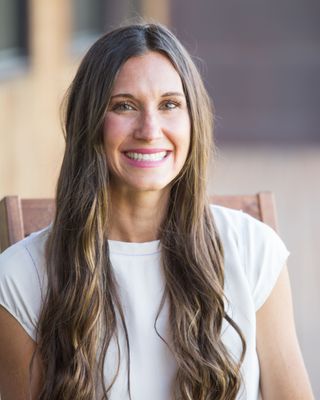
Starting March 17th and lasting for 9 weeks. This group is from 5:30pm-8:00pm on Monday evenings. Space is limited to 6 people. We will have two KAP trained therapists facilitating the group experience. We will also have our FNP Meg Taylor present as well to help facilitate the medication portion. There will be 3 non-medicine groups. The first group is an introduction group and setting intentions group. About half way through we will do an integration group and the final group will be a conclusion group. We are very excited to offer this group with our trained and knowledgeable professional team.
Emotionally Focused Therapy is the most successful approach to building strong and lasting relationships. We use the same principles of attachment and emotion processing to provide you with the most effective and up-to-date relationship tools and education. Workshops meet 5 times for 2 hours each meeting and are held quarterly. Contact (435) 241-1153 for more detailed information.
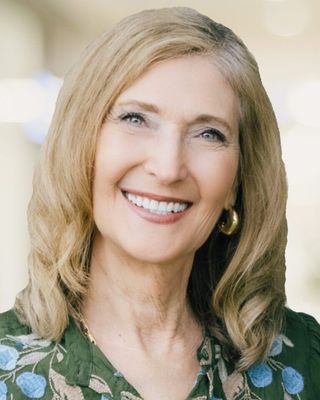
Hosted by Dr. Rebecca Jorgensen
Counselor, PhD, LCPC, LPMHC, C-EFT
Emotionally Focused Therapy is the most successful approach to building strong and lasting relationships. We use the same principles of attachment and emotion processing to provide you with the most effective and up-to-date relationship tools and education. Workshops meet 5 times for 2 hours each meeting and are held quarterly. Contact (435) 241-1153 for more detailed information.
Used for treatment resistent depression (TRD), depression with suicidal ideations, and depression
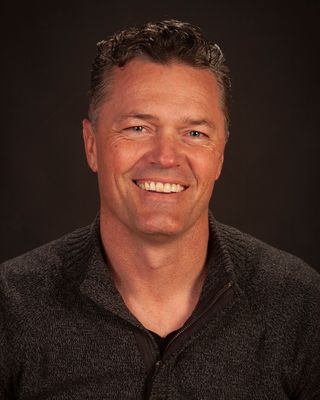
Hosted by Mountain Mental Health
Psychiatric Nurse Practitioner, APRN, PMHNP-B, MSN-Ed, QMP
Group meets in Murray, UT 84107
Used for treatment resistent depression (TRD), depression with suicidal ideations, and depression
The goal of this group is to better understand why juveniles offend, build resilience and self- worth, and to dispel myths about sex offenders.
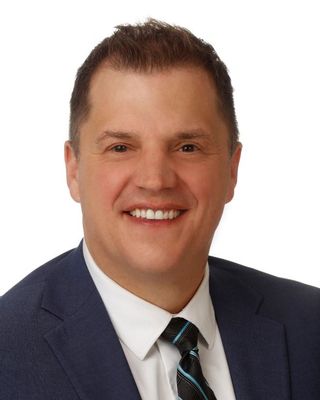
Hosted by Jesse Smith Heaton
Licensed Professional Counselor, MS, LMHP
Group meets in Lehi, UT 84043
The goal of this group is to better understand why juveniles offend, build resilience and self- worth, and to dispel myths about sex offenders.
Chronic health issues have you feeling anxious, lonely, depressed or just kind of stuck? I get it. This monthly day retreat is made up of mindfulness and yoga practices, Acceptance and Commitment Therapy (ACT) skills and the support that can only be found in sharing our experience with others also living with chronic conditions. This group is meant to be easy for any experience level and fun. No yoga or meditation experience necessary. $59 per session. Food and drink included. NEXT MEETING IS SATURDAY 6/20 1-4 PM @ Full Circle Yoga and Therapy 1719 South Main Street 84115.
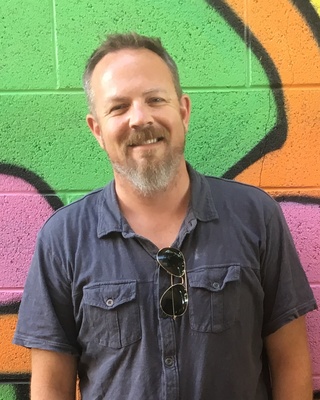
Hosted by Steven R Jones
Clinical Social Work/Therapist, LCSW
Chronic health issues have you feeling anxious, lonely, depressed or just kind of stuck? I get it. This monthly day retreat is made up of mindfulness and yoga practices, Acceptance and Commitment Therapy (ACT) skills and the support that can only be found in sharing our experience with others also living with chronic conditions. This group is meant to be easy for any experience level and fun. No yoga or meditation experience necessary. $59 per session. Food and drink included. NEXT MEETING IS SATURDAY 6/20 1-4 PM @ Full Circle Yoga and Therapy 1719 South Main Street 84115.
contact website for details
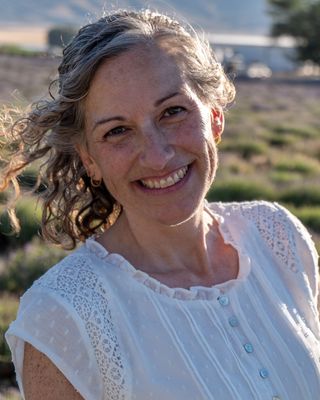
Hosted by Carolyn Millar-Smith
Group meets in Orem, UT 84097
contact website for details
Many people feel more comfortable working with a female therapist when discussing personal or emotional concerns. I provide therapy in Utah for individuals seeking a supportive, understanding environment to work through anxiety, depression, stress, and life challenges. My approach is warm, collaborative, and tailored to your needs. In-person sessions are available in Utah County, with online therapy options offered throughout Utah.

Hosted by Morgan Lyons
Pre-Licensed Professional, CSW
Group meets in Orem, UT 84097
Many people feel more comfortable working with a female therapist when discussing personal or emotional concerns. I provide therapy in Utah for individuals seeking a supportive, understanding environment to work through anxiety, depression, stress, and life challenges. My approach is warm, collaborative, and tailored to your needs. In-person sessions are available in Utah County, with online therapy options offered throughout Utah.
Join a supportive community of women dedicated to healing, self-understanding, and resilience. Each week, we’ll explore practices like self-compassion, challenging negative thought patterns, inner child work, and safely reflecting on our past. This group offers a grounded, compassionate space to be seen, supported, and strengthened—together.
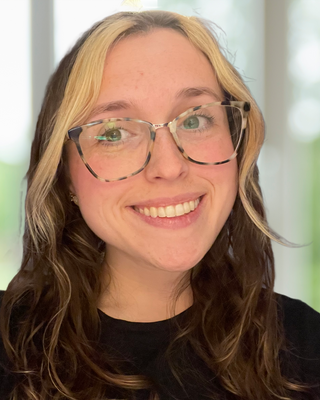
Hosted by Natasha Jacobson
Pre-Licensed Professional, Intern
Group meets in Murray, UT 84107
Join a supportive community of women dedicated to healing, self-understanding, and resilience. Each week, we’ll explore practices like self-compassion, challenging negative thought patterns, inner child work, and safely reflecting on our past. This group offers a grounded, compassionate space to be seen, supported, and strengthened—together.
Mom's: New & Expecting. Perinatal Mental Health conditions are the most common complication of childbearing, and you are not alone. Our group is a cost-effective, therapist-led, 8-week process group offering compassionate support, connection with other postpartum mothers, and a safe space to share, learn, and heal - often serving as a helpful complement with individual therapy. Sarah has over 10 years of experience in women's health and mental health. She is certified in Perinatal Mood and Anxiety Disorders through Postpartum Support International and loves facilitating groups where stories, education, and community support foster healing.
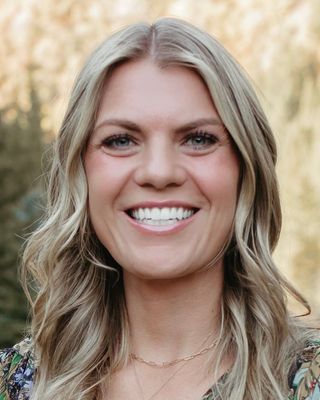
Hosted by Sarah Wiederholt
Clinical Social Work/Therapist, CSW
Group meets in Sandy, UT 84070
Mom's: New & Expecting. Perinatal Mental Health conditions are the most common complication of childbearing, and you are not alone. Our group is a cost-effective, therapist-led, 8-week process group offering compassionate support, connection with other postpartum mothers, and a safe space to share, learn, and heal - often serving as a helpful complement with individual therapy. Sarah has over 10 years of experience in women's health and mental health. She is certified in Perinatal Mood and Anxiety Disorders through Postpartum Support International and loves facilitating groups where stories, education, and community support foster healing.
In this 8-week mindfulness-based therapy group you will learn why self-compassion is one of the most helpful practices you can develop for your children, your relationship, and your own peace and happiness. You will engage in mindfulness meditation and a variety of techniques for becoming more present in your parenting. Whether your goals are to move past anxiety, perfectionism, or depression, or simply to experience greater happiness and connection, deep transformation comes from integrating these practices into your daily life.
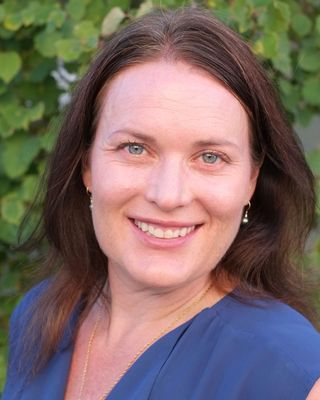
Hosted by Adryon Burton Denmark
In this 8-week mindfulness-based therapy group you will learn why self-compassion is one of the most helpful practices you can develop for your children, your relationship, and your own peace and happiness. You will engage in mindfulness meditation and a variety of techniques for becoming more present in your parenting. Whether your goals are to move past anxiety, perfectionism, or depression, or simply to experience greater happiness and connection, deep transformation comes from integrating these practices into your daily life.
18 + women coming together for support and accountability in their work towards better health, more satisfying relationships and progress towards their goals in life. This is a process and support group so there will be both education, skill building and free sharing of experiences. It's an open group but requires registration to control numbers and lesson planning. It is free to the public. Every 4th Tuesday of the month at 7pm
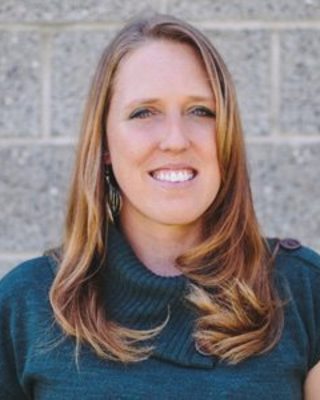
18 + women coming together for support and accountability in their work towards better health, more satisfying relationships and progress towards their goals in life. This is a process and support group so there will be both education, skill building and free sharing of experiences. It's an open group but requires registration to control numbers and lesson planning. It is free to the public. Every 4th Tuesday of the month at 7pm
This group runs 2/18-4/8/26 and helps you understand your BFRB(s) and be able to apply skills to significantly reduce or stop engaging in them. You will better understand and address the underlying needs that are leading you to engage in your BFRB(s). Shame related to BFRBs will also be addressed. Selecthealth, DMBA, and Unitedhealthcare are in network with Strive to Thrive Therapy. If finances are the only thing stopping you from joining the group, please reach out. Send me a message for more information!

Hosted by Camille Richards
Clinical Social Work/Therapist, LCSW, MSW
Group meets in Tooele, UT 84074
This group runs 2/18-4/8/26 and helps you understand your BFRB(s) and be able to apply skills to significantly reduce or stop engaging in them. You will better understand and address the underlying needs that are leading you to engage in your BFRB(s). Shame related to BFRBs will also be addressed. Selecthealth, DMBA, and Unitedhealthcare are in network with Strive to Thrive Therapy. If finances are the only thing stopping you from joining the group, please reach out. Send me a message for more information!
See more therapy options for Utah
FAQs - About Group Therapy and Support Groups
How can I find a support group in Utah?
To find a support group in your area, start by entering your city, zip code, or the name of the group into the search bar at the top of the page. When searching, consider whether you prefer an in-person or virtual group. This can help you decide how broad your geographic search should be. If you are open to virtual groups, you might want to search by state instead of just your city, especially if there are limited options nearby.
Once you complete your search, you can use the filters to narrow the results by selecting specialties (such as grief, trauma, or eating disorders), therapeutic approaches, age groups, and other criteria to find a group that best fits your needs.
How does group therapy work?
Group therapy is led by one or more trained therapists and provides a space where participants can process their experiences and learn from others facing similar challenges. Groups may focus on a specific issue—such as addiction, grief, physical illnesses, parenting, or caregiving—or they may center around a particular therapeutic approach, such as Cognitive Behavioral Therapy (CBT), social skill development, or Exposure Therapy. Some groups are also designed for specific populations, such as teens, veterans, or LGBTQ+ individuals.
It’s also important to distinguish group therapy from peer-led support groups, like Alcoholics Anonymous. While both can offer valuable support, therapy groups are typically led by licensed professionals and follow a more structured format. Therapy groups often meet for a fixed length of time with a consistent group of members, while many peer support groups meet for an indefinite period of time with members coming and going.
What are the benefits of group therapy?
Group therapy offers several important benefits. It brings together people facing similar challenges—whether related to mental health, physical health, or life transitions—and creates a supportive environment where participants can exchange feedback, share experiences, and learn from one another. Hearing different perspectives can help individuals discover new coping strategies and practical tools they may not have encountered on their own. Sharing personal experiences, such as coping with a serious illness or navigating family struggles, can also reduce feelings of isolation and foster a sense of connection and understanding. In addition to emotional support, group members often gain useful, real-world advice from peers who have faced similar situations.
Group therapy is typically more affordable than individual therapy and, for certain conditions, can be equally effective. Many groups also include structured activities—such as guided journaling, cognitive-behavioral exercises, or role-playing—to help participants develop concrete skills they can apply in daily life.
Is group therapy as effective as individual therapy?
It is difficult to make a blanket statement about the effectiveness of support groups, as they vary widely in focus and the conditions they address. However, support groups can be highly valuable in helping individuals gain emotional support and achieve meaningful treatment outcomes. For certain conditions, such as substance use, research has shown that group therapy can be particularly effective—sometimes just as effective as individual therapy—in supporting long-term recovery.
Many professionals attribute the effectiveness of group therapy to the unique benefits of the group setting, which fosters peer-to-peer learning and a sense of connection through shared experiences. Group settings also offer accountability and encouragement from both facilitators and fellow participants, which helps sustain motivation and supports continued progress. These factors together play a key role in promoting the overall effectiveness of group therapy.
How much does group therapy cost?
Group therapy is typically less expensive than individual therapy, with sessions typically costing between 50and50 and 50and75 each. In comparison, individual therapy can cost anywhere from 100to100 to 100to200 or more per session, even with insurance. Some therapists or organizations offer low-cost or free group therapy options, particularly through community centers or nonprofit organizations. In some cases, groups may require payment upfront for a set number of sessions, such as paying for six weekly sessions at the first meeting. However, many providers offer payment plans to help make participation more accessible if this upfront payment is required.
Does insurance cover group therapy?
As with individual therapy, insurance coverage for group therapy varies based on factors such as your specific insurance plan, the purpose of the group, your diagnosis, and whether the group provider is in-network. Many insurance plans cover group therapy sessions that address diagnosable mental health conditions, such as substance use disorders, anxiety, or depression.
However, groups that focus on topics not directly tied to a mental health diagnosis—such as parenting support or divorce recovery—are less likely to be covered. Because coverage can vary widely, it’s important to check with your insurance provider before joining a group to confirm whether the sessions will be covered and what out-of-pocket costs you may be responsible for.
How long does group therapy last?
The length of each group therapy session typically ranges from 45 minutes to two hours, depending on the therapy approach, the group’s goals, and how often the group meets. In some cases, group therapy is part of a larger treatment program, such as an Intensive Outpatient Program (IOP), where group sessions complement individual therapy and are scheduled as part of the program’s overall structure.
The duration of participation in a group also varies. Some groups are designed to be short-term, lasting anywhere from 6 to 24 weeks—for example, bereavement groups or skills-based groups like those using Dialectical Behavioral Therapy (DBT). Other groups may be longer-term, lasting a year or more, and some ongoing support groups meet indefinitely, allowing participants to stay as long as they find the group helpful.
What are the limitations of support groups?
Support groups offer many benefits, but they also have certain limitations. Unlike therapy groups, many support groups do not provide formal therapeutic treatment and are not led by licensed mental health professionals. For individuals seeking clinical treatment for specific mental health diagnoses—such as depression, eating disorders, or substance use—individual therapy or group therapy led by a licensed professional may offer more personalized and specialized care.
The effectiveness of a support group also depends heavily on the group’s participants and the overall group dynamic. When members engage respectfully and offer constructive support, the group can foster valuable peer-to-peer learning. However, if certain participants dominate discussions, provide inaccurate advice, or create conflict, it can disrupt the group’s sense of safety and reduce its effectiveness. Confidentiality can also be harder to maintain in support groups, particularly in open groups where participants can join or leave at any time. With new members regularly entering the group, it can be more difficult to build and sustain a consistent sense of trust and privacy.