Group Therapy and Support Groups in Vermont (original) (raw)
View cities and counties in Vermont
Support Groups in Vermont
Acudetox is auricular acupuncture, or acupuncture of the ears. I was trained through NADA to apply up to five fine-gauge, sterilized, one-time use stainless steel needles just under the skin at designated points in each ear. The needles remain there 30-45 minutes. Ordinarily, groups of people sit together while undergoing the treatment. The procedure functions as an adjunct to addiction treatment. Some benefits reported by both clients and clinicians are improved program retention, a more optimistic and cooperative attitude toward the process of recovery, as well as reductions in cravings, anxiety, sleep disturbance and need for pharmaceuticals.

Hosted by Katherine A. Kelley, MA
Drug & Alcohol Counselor, MA, LADC
Acudetox is auricular acupuncture, or acupuncture of the ears. I was trained through NADA to apply up to five fine-gauge, sterilized, one-time use stainless steel needles just under the skin at designated points in each ear. The needles remain there 30-45 minutes. Ordinarily, groups of people sit together while undergoing the treatment. The procedure functions as an adjunct to addiction treatment. Some benefits reported by both clients and clinicians are improved program retention, a more optimistic and cooperative attitude toward the process of recovery, as well as reductions in cravings, anxiety, sleep disturbance and need for pharmaceuticals.
Meet with other new moms and birthing parents to process the experience of childbirth through art, mindfulness and storytelling. We will meet in the yoga studio space of Richmond Wellness. Art materials will be provided and pre-crawling babies are welcome to attend. I'll guide participants through guided art making and story sharing with the intention of helping you find peace and acceptance in the narrative of your birth experience. Celebrate your little one's arrival and your own birth into a new identity as mom.
Hosted by Carolyn Crotty
Art Therapist, MA, ATR, LCMHC, RYT
Meet with other new moms and birthing parents to process the experience of childbirth through art, mindfulness and storytelling. We will meet in the yoga studio space of Richmond Wellness. Art materials will be provided and pre-crawling babies are welcome to attend. I'll guide participants through guided art making and story sharing with the intention of helping you find peace and acceptance in the narrative of your birth experience. Celebrate your little one's arrival and your own birth into a new identity as mom.
Cedar Lake Wholistic Counseling Center offers a monthly psychodrama supervision group. The group offers an enriching supervision space for counselors to enhance their skills and deepen their understanding of themselves and their clients. By actively participating in the psychodrama group, counselors strengthen their therapeutic presence, and sharpen their improvisational skills with their clients. This supervision group nurtures professional growth, fosters self-awareness, and empowers counselors to create impactful and transformative experiences for their clients.
Hosted by Dr. Shelley A Jackson
Licensed Clinical Mental Health Counselor, PhD, LCMHC-S, LPC-TX, LPC-CT, RPT-S
Cedar Lake Wholistic Counseling Center offers a monthly psychodrama supervision group. The group offers an enriching supervision space for counselors to enhance their skills and deepen their understanding of themselves and their clients. By actively participating in the psychodrama group, counselors strengthen their therapeutic presence, and sharpen their improvisational skills with their clients. This supervision group nurtures professional growth, fosters self-awareness, and empowers counselors to create impactful and transformative experiences for their clients.
This group offers women the opportunity to safely examine personal issues with the support of other women and a therapist. This group consists of 8-9 regular members who meet weekly. New members should contact group leader for more details and to see if the group would be a match for them.
Hosted by Linda Wackerman
Clinical Social Work/Therapist, LICSW
This group offers women the opportunity to safely examine personal issues with the support of other women and a therapist. This group consists of 8-9 regular members who meet weekly. New members should contact group leader for more details and to see if the group would be a match for them.
Helping Parents Heal is a non-profit organization dedicated to assisting bereaved parents, giving them support and resources to aid in the healing process. We go a step beyond other groups by allowing the open discussion of spiritual experiences and evidence for the afterlife, in a non-dogmatic way. This group welcomes everyone regardless of religious (or non-religious) background and encourages open dialog. Please visit helpingparentsheal.org and join Helping Parents heal Facebook support group (closed group).

Hosted by Judith A. Hancox
Clinical Social Work/Therapist, MSW, LCSW, BCETS
Helping Parents Heal is a non-profit organization dedicated to assisting bereaved parents, giving them support and resources to aid in the healing process. We go a step beyond other groups by allowing the open discussion of spiritual experiences and evidence for the afterlife, in a non-dogmatic way. This group welcomes everyone regardless of religious (or non-religious) background and encourages open dialog. Please visit helpingparentsheal.org and join Helping Parents heal Facebook support group (closed group).
This is a great opportunity to discover a simple way to tame our mind. In 5 sessions, we'll learn about mindfulness & awareness, and how they are the foundation of meditation. As we can define meditation to be a way to familiarize ourselves with the mind, it's always helpful to do so in a group and with experienced support. There will be guidance, short instructions and an opportunity to meditate together. It is donation based and a great way to meet friends.
This is a great opportunity to discover a simple way to tame our mind. In 5 sessions, we'll learn about mindfulness & awareness, and how they are the foundation of meditation. As we can define meditation to be a way to familiarize ourselves with the mind, it's always helpful to do so in a group and with experienced support. There will be guidance, short instructions and an opportunity to meditate together. It is donation based and a great way to meet friends.
These groups are psychotherapy/support groups for men addressing issues related to relationships, work/retirement, life purpose, health/mental health and sexuality. A high degree of safety is created so that men can share vulnerably about anything. Groups are small (5 to 7) to help facilitate safety and intimacy. An intake interview is required to see if the group would be a good fit or if other men's work resources would be useful.

Hosted by David Huesman
Clinical Social Work/Therapist, LICSW, LADC
These groups are psychotherapy/support groups for men addressing issues related to relationships, work/retirement, life purpose, health/mental health and sexuality. A high degree of safety is created so that men can share vulnerably about anything. Groups are small (5 to 7) to help facilitate safety and intimacy. An intake interview is required to see if the group would be a good fit or if other men's work resources would be useful.

Hosted by Roscoe Ferris
Clinical Social Work/Therapist, LCSW, LADC
This group is 3 months closed in-person group. You will have a chance to build resiliency as we explore purpose and meaning in grief. Together, we will learn what to expect from our emotions and how to build rituals to care for our bodies and minds during each stage of grief. I have a wait list for my August Grief group. The next group will start in December. The group gets booked quickly. If you are interested, please, get in touch with me early on.
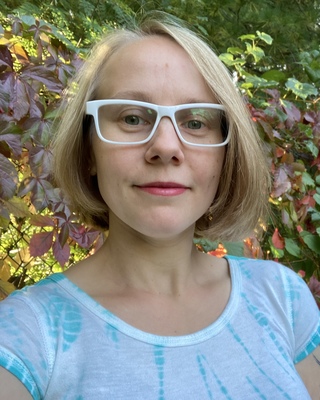
Hosted by Elena Nichols
Clinical Social Work/Therapist, LICSW
This group is 3 months closed in-person group. You will have a chance to build resiliency as we explore purpose and meaning in grief. Together, we will learn what to expect from our emotions and how to build rituals to care for our bodies and minds during each stage of grief. I have a wait list for my August Grief group. The next group will start in December. The group gets booked quickly. If you are interested, please, get in touch with me early on.
Foundations in Mindfulness is a short-term DBT skills group. Participants will learn and practice the core mindfulness skills of DBT that are essential to set the stage for greater effectiveness in all areas of life. This group will meet via telehealth, on Wednesdays at 12pm from 5/7 to 6/18. Groups focusing on the rest of the DBT modules will follow! Eligibility requirements: 18 years or older, currently working with an individual outpatient therapist, covered by BCBS, or able to self-pay 35persession(plus35 per session (plus 35persession(plus100 for a single intake).
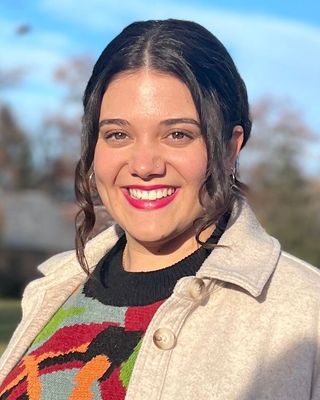
Hosted by Stephanie Dunn
Registered Psychotherapist, MS
Foundations in Mindfulness is a short-term DBT skills group. Participants will learn and practice the core mindfulness skills of DBT that are essential to set the stage for greater effectiveness in all areas of life. This group will meet via telehealth, on Wednesdays at 12pm from 5/7 to 6/18. Groups focusing on the rest of the DBT modules will follow! Eligibility requirements: 18 years or older, currently working with an individual outpatient therapist, covered by BCBS, or able to self-pay 35persession(plus35 per session (plus 35persession(plus100 for a single intake).
This will be an 8 week seminar intended to introduce various types and styles of meditation. Each week will focus on a specific meditation technique which participants will be expected to practice between meetings. Although all spiritual and religious traditions are respected, the presenter will utilize current neurological and psychological findings regarding meditation to explain these techniques. Each meeting will include some initial explanation, practice with the technique, time for questions, and an extended period of meditation of at least 20 minutes.

This will be an 8 week seminar intended to introduce various types and styles of meditation. Each week will focus on a specific meditation technique which participants will be expected to practice between meetings. Although all spiritual and religious traditions are respected, the presenter will utilize current neurological and psychological findings regarding meditation to explain these techniques. Each meeting will include some initial explanation, practice with the technique, time for questions, and an extended period of meditation of at least 20 minutes.
Maximum 8 participants sharing OCD concerns, supporting members’ goals. Will meet in person only, Therapist-led
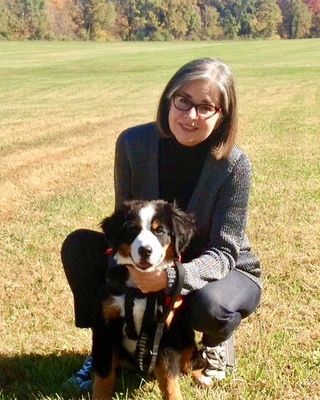
Hosted by Letitia Diane Tayeby
Maximum 8 participants sharing OCD concerns, supporting members’ goals. Will meet in person only, Therapist-led
Note: Groups are not always happening. But when they are, consider this: Are you wanting to find ways to communicate clearly, to sail more easily over waves that come up, to discover the positives of a deeper authentic connection, and to both give and get more in your relationship? With another therapist, I offer an 8-week Couples Group for therapist-facilitated discussions, learning and practicing new skills, and support for one another.

Hosted by David F Levingston
Marriage & Family Therapist, MA, MFT
Note: Groups are not always happening. But when they are, consider this: Are you wanting to find ways to communicate clearly, to sail more easily over waves that come up, to discover the positives of a deeper authentic connection, and to both give and get more in your relationship? With another therapist, I offer an 8-week Couples Group for therapist-facilitated discussions, learning and practicing new skills, and support for one another.
Therapeutic Relationship Coaching TRC is a relational, reflective, felt, meaning-making process. You will gain an understanding of relationships and their influence on your future, self-esteem, and sense of self. Our hope is to actualize a way of life that facilitates your well-being. The actualization of a new relational style, which includes the choosing of another to move through time with, is an extraordinary moment and choice, bringing light to that choice and how that choice is made. Motto “reduce the number of times a choice that leads to suffering; recognize beforehand, rather than grieving about it afterward."
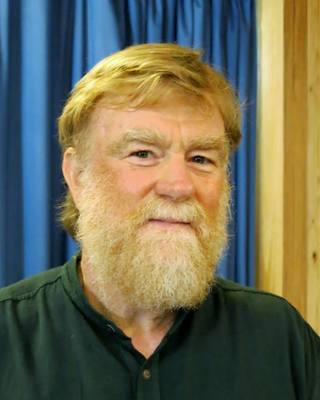
Hosted by Gregory V Wilson
Therapeutic Relationship Coaching TRC is a relational, reflective, felt, meaning-making process. You will gain an understanding of relationships and their influence on your future, self-esteem, and sense of self. Our hope is to actualize a way of life that facilitates your well-being. The actualization of a new relational style, which includes the choosing of another to move through time with, is an extraordinary moment and choice, bringing light to that choice and how that choice is made. Motto “reduce the number of times a choice that leads to suffering; recognize beforehand, rather than grieving about it afterward."
This is a comprehensive group program that teaches people how to take control of their experience through a basic understanding of the power of the mind and the ways we can positively direct our attention and thinking. Core practices include learning to calm the mind/body, focus attention, become fully present, observe without judgment, and act mindfully. The program integrates knowledge from medicine, psychology, cognitive science, physics, metaphysics, and other fields. It provides guidance about how to approach life with a greater understanding of life’s dynamics and how to embrace life with acceptance, compassion, and non-violence.
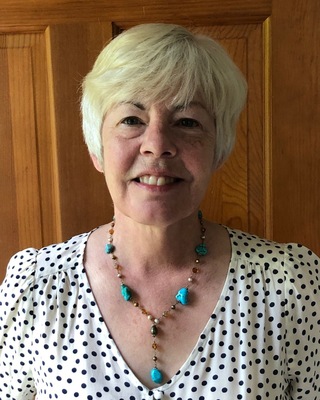
Hosted by Susan P Lax
Psychiatric Nurse Practitioner, PMHNP
This is a comprehensive group program that teaches people how to take control of their experience through a basic understanding of the power of the mind and the ways we can positively direct our attention and thinking. Core practices include learning to calm the mind/body, focus attention, become fully present, observe without judgment, and act mindfully. The program integrates knowledge from medicine, psychology, cognitive science, physics, metaphysics, and other fields. It provides guidance about how to approach life with a greater understanding of life’s dynamics and how to embrace life with acceptance, compassion, and non-violence.
These experiential groups offer approaches to emotional and sensory integration issues including physical/abuse and emotional abuse. Themes worked on include safety and control, trust, grounding. boundaries, self identity, positive body image, feelings expression. positive body image, sexuality, grief, self-nurturing, relationships and communication, self-responsibility. empowerment,play and relaxation.

Hosted by Karen Chalom
Clinical Social Work/Therapist, LICSW
These experiential groups offer approaches to emotional and sensory integration issues including physical/abuse and emotional abuse. Themes worked on include safety and control, trust, grounding. boundaries, self identity, positive body image, feelings expression. positive body image, sexuality, grief, self-nurturing, relationships and communication, self-responsibility. empowerment,play and relaxation.
Are substances causing issues in your life but you do not want to stop? Consider trying Harm Reduction. I am offering a six week online process group to support your goals in reducing your drug and or alcohol intake. The group purpose is to increase knowledge about harm reduction, develop concrete goals around substance use and implement strategies to change your drinking and or drug use. The group will Begin February 14th.

Hosted by Liam Lattrell
Clinical Social Work/Therapist, LCSW, LICSW
Are substances causing issues in your life but you do not want to stop? Consider trying Harm Reduction. I am offering a six week online process group to support your goals in reducing your drug and or alcohol intake. The group purpose is to increase knowledge about harm reduction, develop concrete goals around substance use and implement strategies to change your drinking and or drug use. The group will Begin February 14th.
In this relationally-focused therapy group, men gather to develop self-awareness, explore interpersonal processes and express themselves. By connecting with others and opening up to share anxiety, fears and desires, men can experience a sense of belonging and closeness that can address isolation, anxiety, and depression. Depending on what you bring, we may address issues related to relationships, sexuality, work/life balance, life purpose, and mental well-being.

Hosted by Matt Tucker
Registered Psychotherapist
In this relationally-focused therapy group, men gather to develop self-awareness, explore interpersonal processes and express themselves. By connecting with others and opening up to share anxiety, fears and desires, men can experience a sense of belonging and closeness that can address isolation, anxiety, and depression. Depending on what you bring, we may address issues related to relationships, sexuality, work/life balance, life purpose, and mental well-being.
In this series we will learn to cultivate our energy, bring awareness to areas of blockage with the opportunity for growth and healing. Discussion, gentle yoga, art play, and guided meditation for chakra develop[ment.

Hosted by Sharon Elayne Volansky-Gerard
Group meets in Stowe, VT 05672
In this series we will learn to cultivate our energy, bring awareness to areas of blockage with the opportunity for growth and healing. Discussion, gentle yoga, art play, and guided meditation for chakra develop[ment.
If you're in a transition of rebuilding your life or need to do repair work with your identity or self-esteem, whether due to relationship problems or overwhelming life stressors, this group is for you. With a small number of people, we will meet weekly for 8 weeks, exploring and sharing what got you to this place and find a clear path to your authentic self. New group to start in the spring, depending upon demand and availability. Private pay. $75 per session. Contact me to register. This is a virtual group only and schedule tbd upon requests.
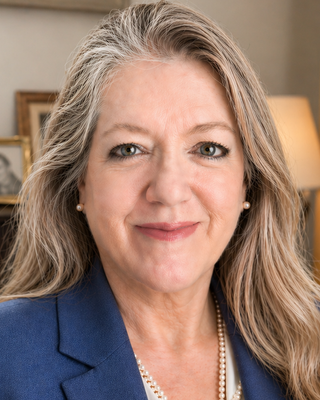
If you're in a transition of rebuilding your life or need to do repair work with your identity or self-esteem, whether due to relationship problems or overwhelming life stressors, this group is for you. With a small number of people, we will meet weekly for 8 weeks, exploring and sharing what got you to this place and find a clear path to your authentic self. New group to start in the spring, depending upon demand and availability. Private pay. $75 per session. Contact me to register. This is a virtual group only and schedule tbd upon requests.
See more therapy options for Vermont
FAQs - About Group Therapy and Support Groups
How can I find a support group in Vermont?
To find a support group in your area, start by entering your city, zip code, or the name of the group into the search bar at the top of the page. When searching, consider whether you prefer an in-person or virtual group. This can help you decide how broad your geographic search should be. If you are open to virtual groups, you might want to search by state instead of just your city, especially if there are limited options nearby.
Once you complete your search, you can use the filters to narrow the results by selecting specialties (such as grief, trauma, or eating disorders), therapeutic approaches, age groups, and other criteria to find a group that best fits your needs.
How does group therapy work?
Group therapy is led by one or more trained therapists and provides a space where participants can process their experiences and learn from others facing similar challenges. Groups may focus on a specific issue—such as addiction, grief, physical illnesses, parenting, or caregiving—or they may center around a particular therapeutic approach, such as Cognitive Behavioral Therapy (CBT), social skill development, or Exposure Therapy. Some groups are also designed for specific populations, such as teens, veterans, or LGBTQ+ individuals.
It’s also important to distinguish group therapy from peer-led support groups, like Alcoholics Anonymous. While both can offer valuable support, therapy groups are typically led by licensed professionals and follow a more structured format. Therapy groups often meet for a fixed length of time with a consistent group of members, while many peer support groups meet for an indefinite period of time with members coming and going.
What are the benefits of group therapy?
Group therapy offers several important benefits. It brings together people facing similar challenges—whether related to mental health, physical health, or life transitions—and creates a supportive environment where participants can exchange feedback, share experiences, and learn from one another. Hearing different perspectives can help individuals discover new coping strategies and practical tools they may not have encountered on their own. Sharing personal experiences, such as coping with a serious illness or navigating family struggles, can also reduce feelings of isolation and foster a sense of connection and understanding. In addition to emotional support, group members often gain useful, real-world advice from peers who have faced similar situations.
Group therapy is typically more affordable than individual therapy and, for certain conditions, can be equally effective. Many groups also include structured activities—such as guided journaling, cognitive-behavioral exercises, or role-playing—to help participants develop concrete skills they can apply in daily life.
Is group therapy as effective as individual therapy?
It is difficult to make a blanket statement about the effectiveness of support groups, as they vary widely in focus and the conditions they address. However, support groups can be highly valuable in helping individuals gain emotional support and achieve meaningful treatment outcomes. For certain conditions, such as substance use, research has shown that group therapy can be particularly effective—sometimes just as effective as individual therapy—in supporting long-term recovery.
Many professionals attribute the effectiveness of group therapy to the unique benefits of the group setting, which fosters peer-to-peer learning and a sense of connection through shared experiences. Group settings also offer accountability and encouragement from both facilitators and fellow participants, which helps sustain motivation and supports continued progress. These factors together play a key role in promoting the overall effectiveness of group therapy.
How much does group therapy cost?
Group therapy is typically less expensive than individual therapy, with sessions typically costing between 50and50 and 50and75 each. In comparison, individual therapy can cost anywhere from 100to100 to 100to200 or more per session, even with insurance. Some therapists or organizations offer low-cost or free group therapy options, particularly through community centers or nonprofit organizations. In some cases, groups may require payment upfront for a set number of sessions, such as paying for six weekly sessions at the first meeting. However, many providers offer payment plans to help make participation more accessible if this upfront payment is required.
Does insurance cover group therapy?
As with individual therapy, insurance coverage for group therapy varies based on factors such as your specific insurance plan, the purpose of the group, your diagnosis, and whether the group provider is in-network. Many insurance plans cover group therapy sessions that address diagnosable mental health conditions, such as substance use disorders, anxiety, or depression.
However, groups that focus on topics not directly tied to a mental health diagnosis—such as parenting support or divorce recovery—are less likely to be covered. Because coverage can vary widely, it’s important to check with your insurance provider before joining a group to confirm whether the sessions will be covered and what out-of-pocket costs you may be responsible for.
How long does group therapy last?
The length of each group therapy session typically ranges from 45 minutes to two hours, depending on the therapy approach, the group’s goals, and how often the group meets. In some cases, group therapy is part of a larger treatment program, such as an Intensive Outpatient Program (IOP), where group sessions complement individual therapy and are scheduled as part of the program’s overall structure.
The duration of participation in a group also varies. Some groups are designed to be short-term, lasting anywhere from 6 to 24 weeks—for example, bereavement groups or skills-based groups like those using Dialectical Behavioral Therapy (DBT). Other groups may be longer-term, lasting a year or more, and some ongoing support groups meet indefinitely, allowing participants to stay as long as they find the group helpful.
What are the limitations of support groups?
Support groups offer many benefits, but they also have certain limitations. Unlike therapy groups, many support groups do not provide formal therapeutic treatment and are not led by licensed mental health professionals. For individuals seeking clinical treatment for specific mental health diagnoses—such as depression, eating disorders, or substance use—individual therapy or group therapy led by a licensed professional may offer more personalized and specialized care.
The effectiveness of a support group also depends heavily on the group’s participants and the overall group dynamic. When members engage respectfully and offer constructive support, the group can foster valuable peer-to-peer learning. However, if certain participants dominate discussions, provide inaccurate advice, or create conflict, it can disrupt the group’s sense of safety and reduce its effectiveness. Confidentiality can also be harder to maintain in support groups, particularly in open groups where participants can join or leave at any time. With new members regularly entering the group, it can be more difficult to build and sustain a consistent sense of trust and privacy.