Group Therapy and Support Groups in Seattle, WA (original) (raw)
Support Groups in Seattle, WA
This is an adult DBT skills group that meets Mondays from 4:30 to 6:00 pm. The group focuses on building practical skills in mindfulness, emotion regulation, distress tolerance, and interpersonal effectiveness. It is structured, skills-based, and supportive, with an emphasis on applying DBT tools to everyday life. Participation requires having an individual therapist, and entry into the group includes a required orientation session.
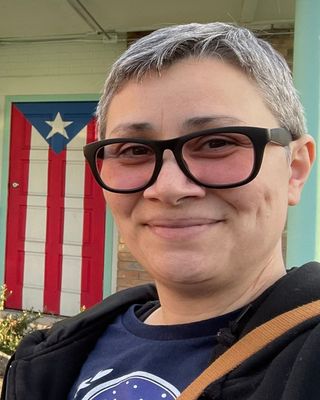
Hosted by Marisol M Swords
Licensed Mental Health Counselor Associate , MS, LMHCA
This is an adult DBT skills group that meets Mondays from 4:30 to 6:00 pm. The group focuses on building practical skills in mindfulness, emotion regulation, distress tolerance, and interpersonal effectiveness. It is structured, skills-based, and supportive, with an emphasis on applying DBT tools to everyday life. Participation requires having an individual therapist, and entry into the group includes a required orientation session.
This 90 minute in person weekly group is an ongoing group with current availability! This is a space to help people ages 18-24 connect over their neurodivergence, burn out, and process trauma. Maybe you relate to autism and ADHD content on the internet, but have only ever been treated for anxiety. Maybe you are fully diagnosed and ready to find others who understand the nuances of your experience. Members gain community, resilience, and compassion while deepening self acceptance and understanding.

Hosted by Couples, ADHD, Autism, PDA Bethany Hope
This 90 minute in person weekly group is an ongoing group with current availability! This is a space to help people ages 18-24 connect over their neurodivergence, burn out, and process trauma. Maybe you relate to autism and ADHD content on the internet, but have only ever been treated for anxiety. Maybe you are fully diagnosed and ready to find others who understand the nuances of your experience. Members gain community, resilience, and compassion while deepening self acceptance and understanding.
Money can be one of the hardest topics to discuss, often bringing up anxiety, shame, and avoidance. This free weekly support group offers a safe, nonjudgmental space to explore the emotional side of money. Through guided discussion and reflection, participants examine patterns like avoidance, scarcity, and self-worth tied to finances while building a more grounded, flexible relationship with money. No financial details or advice are shared. The focus is on the thoughts, emotions, and patterns that shape your experience with money. Whether you feel overwhelmed, avoidant, or simply curious, you are welcome.

Hosted by Lori Craw
Pre-Licensed Professional, AAC
Money can be one of the hardest topics to discuss, often bringing up anxiety, shame, and avoidance. This free weekly support group offers a safe, nonjudgmental space to explore the emotional side of money. Through guided discussion and reflection, participants examine patterns like avoidance, scarcity, and self-worth tied to finances while building a more grounded, flexible relationship with money. No financial details or advice are shared. The focus is on the thoughts, emotions, and patterns that shape your experience with money. Whether you feel overwhelmed, avoidant, or simply curious, you are welcome.
This group offers a space for men to connect, reflect, and speak openly about their inner lives. Part support group, part process group, it focuses on the here-and-now; how we relate to ourselves and each other in real time. Together, we’ll explore the many meanings of masculinity, how it shows up in relationships, work, and identity, and what it means to live authentically in the midst of it all. It’s a place to share experiences, challenges, and insights with other men who are also working toward greater self-understanding, emotional awareness, and connection.

Hosted by Derek Harris
Licensed Mental Health Counselor, MA, LMHC
This group offers a space for men to connect, reflect, and speak openly about their inner lives. Part support group, part process group, it focuses on the here-and-now; how we relate to ourselves and each other in real time. Together, we’ll explore the many meanings of masculinity, how it shows up in relationships, work, and identity, and what it means to live authentically in the midst of it all. It’s a place to share experiences, challenges, and insights with other men who are also working toward greater self-understanding, emotional awareness, and connection.
This virtual group is designed for family members, friends, and caregivers of individuals affected by eating disorders. Participants will have the opportunity to share their experiences, receive emotional support, and access valuable resources. The group focuses on helping members better understand eating disorders, develop effective strategies for supporting their loved ones, and prioritize their own well-being in the process.

This virtual group is designed for family members, friends, and caregivers of individuals affected by eating disorders. Participants will have the opportunity to share their experiences, receive emotional support, and access valuable resources. The group focuses on helping members better understand eating disorders, develop effective strategies for supporting their loved ones, and prioritize their own well-being in the process.
You may benefit from Project UPLIFT (Using Practice and Learning to Increase Favorable Thoughts) if you are an adult living with Epilepsy and experience low mood, sadness, or depression; feel socially isolated or disconnected from others; find themselves easily irritated with others; and/or have low energy and difficulty sleeping and remembering things. The program consists of eight weekly sessions, each lasting one hour. They are held by phone or video call, facilitated by a trained epilepsy professional and a peer. All enrolled will recieve a treatment workbook and supplies for completing activities.
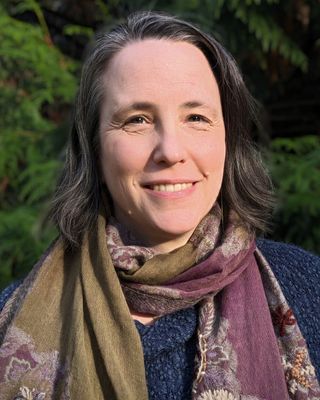
Hosted by Emily Firman
Clinical Social Work/Therapist, LICSW, MSW, MPH
You may benefit from Project UPLIFT (Using Practice and Learning to Increase Favorable Thoughts) if you are an adult living with Epilepsy and experience low mood, sadness, or depression; feel socially isolated or disconnected from others; find themselves easily irritated with others; and/or have low energy and difficulty sleeping and remembering things. The program consists of eight weekly sessions, each lasting one hour. They are held by phone or video call, facilitated by a trained epilepsy professional and a peer. All enrolled will recieve a treatment workbook and supplies for completing activities.
Supervision for LMHCA's and others. Consultation for professionals. Format includes online and/or in-person.

Hosted by Laura Stone
Counselor, LMHC WA, LPC OR, LPC CO
Supervision for LMHCA's and others. Consultation for professionals. Format includes online and/or in-person.
The Scrambled Minds Club is a 10-week group for men who are tired of skimming the surface and want to actually understand what’s going on underneath — especially in their relationships. This isn’t a lecture or a place to just vent and bounce. It’s a small, consistent group where things get real in real time. You’ll start to notice your patterns as they show up — how you handle stress, where you shut down, what you avoid, how you relate to other people — and actually work with them instead of just thinking about them.

Hosted by Garret Patterson
Marriage & Family Therapist, MS, LMFT
The Scrambled Minds Club is a 10-week group for men who are tired of skimming the surface and want to actually understand what’s going on underneath — especially in their relationships. This isn’t a lecture or a place to just vent and bounce. It’s a small, consistent group where things get real in real time. You’ll start to notice your patterns as they show up — how you handle stress, where you shut down, what you avoid, how you relate to other people — and actually work with them instead of just thinking about them.
An experiential group exploring Enneagram, spirituality, healing, and becoming whole.

Hosted by Wilder Heath
Marriage & Family Therapist, MA, LMFT, CMHS
An experiential group exploring Enneagram, spirituality, healing, and becoming whole.
Connection with Self, Connection with Others: This group is a virtual space for adults in transition who are experiencing an increased amount of stress. With all that is going on in the world right now, we need art and connection more than ever. Zero art skills are necessary, and this is a group about the *process* of making art, and is not about making things pretty, though pretty art is welcome. No requirement to show your art, either. **Group starts April 20, 2023!** There are a few spots available.

Hosted by Kristin Otten
Mental Health Counselor, MA, LMHC
Connection with Self, Connection with Others: This group is a virtual space for adults in transition who are experiencing an increased amount of stress. With all that is going on in the world right now, we need art and connection more than ever. Zero art skills are necessary, and this is a group about the *process* of making art, and is not about making things pretty, though pretty art is welcome. No requirement to show your art, either. **Group starts April 20, 2023!** There are a few spots available.
billing and scheduling company

Hosted by Dimensions of healing
Clinical Social Work/Therapist, LMSW, LSWAIC
billing and scheduling company
Does dating feel like it takes over your nervous system — the waiting, the overanalyzing, the anxiety that won't quit? Single & Secure is a 12-week virtual group for women who want to feel calm, confident, and grounded while dating. We'll work on understanding your attachment style, regulating dating anxiety, strengthening self-worth, and learning to date from a secure, grounded place. This group will start in April once we have enough women enrolled!

Hosted by Kaleigh Pettis
Marriage & Family Therapist, MS, LMFT
Does dating feel like it takes over your nervous system — the waiting, the overanalyzing, the anxiety that won't quit? Single & Secure is a 12-week virtual group for women who want to feel calm, confident, and grounded while dating. We'll work on understanding your attachment style, regulating dating anxiety, strengthening self-worth, and learning to date from a secure, grounded place. This group will start in April once we have enough women enrolled!
I facilitate regular planned OCD support groups that meet in north Seattle. They are closed eight week sessions for current clients and others, require pre-registration, and are not drop in. There is a fee to attend. They are generally offered quarterly. We cover mindfulness, disclosure of OCD, (under what circumstances would you share your condition with others?), myths and misunderstandings in the community, guilt, shame, ERP, uncertainty, obsessions, compulsions, mental rituals, relationships, reassurance seeking and more! The groups are educational, supportive and lots of fun! Ask me about pizza night and OCD Jeopardy.
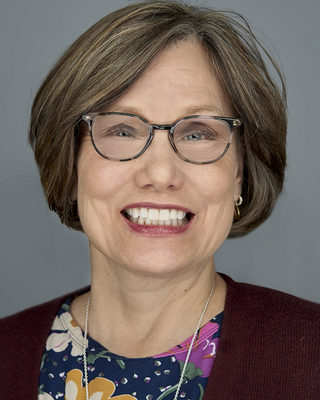
Hosted by Carol J Lundemo
I facilitate regular planned OCD support groups that meet in north Seattle. They are closed eight week sessions for current clients and others, require pre-registration, and are not drop in. There is a fee to attend. They are generally offered quarterly. We cover mindfulness, disclosure of OCD, (under what circumstances would you share your condition with others?), myths and misunderstandings in the community, guilt, shame, ERP, uncertainty, obsessions, compulsions, mental rituals, relationships, reassurance seeking and more! The groups are educational, supportive and lots of fun! Ask me about pizza night and OCD Jeopardy.
This online group is for men struggling with compulsive or self-medicating behaviors who are tired of facing them alone. Common struggles include pornography, sex, alcohol, drugs, food, gaming, work,, technology, gambling, etc. Groups are limited to 8–10 men and meet weekly to build practical tools, emotional awareness, and relational strength that support lasting change. Participation includes access to one weekly connection group, plus unlimited content groups and community resources for daily support. The focus is not just sobriety, but connection. Men heal in community, not isolation.

Hosted by Chris Chandler
Counselor, LPC, LPCC, CSAT-S
This online group is for men struggling with compulsive or self-medicating behaviors who are tired of facing them alone. Common struggles include pornography, sex, alcohol, drugs, food, gaming, work,, technology, gambling, etc. Groups are limited to 8–10 men and meet weekly to build practical tools, emotional awareness, and relational strength that support lasting change. Participation includes access to one weekly connection group, plus unlimited content groups and community resources for daily support. The focus is not just sobriety, but connection. Men heal in community, not isolation.
During times of challenge and change we understand the stress, confusion, isolation, grief and perhaps even joy that may arise. As trained therapists, Nancy Kessler and I are committed to facilitating a safe space to process what is happening, share cultural traditions and rituals for coping, and develop individualized tools to cope and maybe even thrive going forward. Additionally, the group will serve as a mutual resource with the option to continue as a self-facilitated group after our 8 weeks online together. For now the group is on pause, we welcome you to reach out with any questions or with any future interest.

Hosted by Kristen Moss
Counselor, DMin, LMHC, CPC
During times of challenge and change we understand the stress, confusion, isolation, grief and perhaps even joy that may arise. As trained therapists, Nancy Kessler and I are committed to facilitating a safe space to process what is happening, share cultural traditions and rituals for coping, and develop individualized tools to cope and maybe even thrive going forward. Additionally, the group will serve as a mutual resource with the option to continue as a self-facilitated group after our 8 weeks online together. For now the group is on pause, we welcome you to reach out with any questions or with any future interest.
Are you feeling lonely, despairing, overwhelmed, terrified? Are you longing for more community, connection, and love? Join us. I believe we are in great need of love, for ourselves, each other, all living beings, and our planet. In spite of forces that want to keep us separate and afraid of each other, we can gather and see how much we are in this together. Let’s support each other, experience true connection, and nurture all that we love most in life. "For small creatures such as we the vastness is bearable only through love." ~Carl Sagan

Hosted by Alexandra Gobeille
Are you feeling lonely, despairing, overwhelmed, terrified? Are you longing for more community, connection, and love? Join us. I believe we are in great need of love, for ourselves, each other, all living beings, and our planet. In spite of forces that want to keep us separate and afraid of each other, we can gather and see how much we are in this together. Let’s support each other, experience true connection, and nurture all that we love most in life. "For small creatures such as we the vastness is bearable only through love." ~Carl Sagan
This group is currently on hiatus: Couples work is a significant part of my practice and I have trained extensively in this area. I provide a twice monthly consultation group for experienced therapists who want to further hone and support their couples work. We explore and incorporate these different modalities of working with couples: Objection Relations, Attachment theory, Relational Psychoanalytic theory, the Psychobiological Approach to Couples Therapy (PACT), and Emotionally Focused Couples Therapy (EFT).
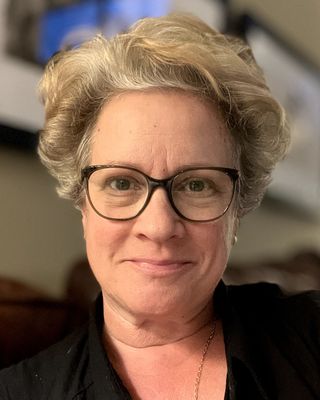
This group is currently on hiatus: Couples work is a significant part of my practice and I have trained extensively in this area. I provide a twice monthly consultation group for experienced therapists who want to further hone and support their couples work. We explore and incorporate these different modalities of working with couples: Objection Relations, Attachment theory, Relational Psychoanalytic theory, the Psychobiological Approach to Couples Therapy (PACT), and Emotionally Focused Couples Therapy (EFT).
ONLINE for anyone in Washington: Register on our website at https://www.TalkHealThrive.com. Join our virtual 8-week DBT Skills Group Starting February 25th. This group is designed for adults looking to move from emotional overwhelm to balanced living. This structured program teaches evidence-based tools in Mindfulness, Distress Tolerance, and Emotional Regulation. Whether you struggle with intense anxiety or relationship hurdles, our "rolling" format provides continuous growth in a safe, shared community. Gain practical "skills of the week" to handle crises without making them worse and communicate your needs. We accept most major Washington insurance plans, including Medicaid.

Hosted by Talk. Heal. Thrive. Psychotherapy
Marriage & Family Therapist
ONLINE for anyone in Washington: Register on our website at https://www.TalkHealThrive.com. Join our virtual 8-week DBT Skills Group Starting February 25th. This group is designed for adults looking to move from emotional overwhelm to balanced living. This structured program teaches evidence-based tools in Mindfulness, Distress Tolerance, and Emotional Regulation. Whether you struggle with intense anxiety or relationship hurdles, our "rolling" format provides continuous growth in a safe, shared community. Gain practical "skills of the week" to handle crises without making them worse and communicate your needs. We accept most major Washington insurance plans, including Medicaid.
Are you navigating challenges with addiction on your own? Our free, virtual group therapy sessions provide a safe, nonjudgmental space to receive support and explore the trials and tribulations that come along with an addiction. Held Thursdays from 6–7:30 PM, each session begins with a brief mindfulness practice, followed by voluntary member check-ins, and ends with a discussion on topics such as managing triggers, coping strategies, and building positive habits. Whether you want to share, listen, or reflect, this group is here to support you at your own pace.

Hosted by Sighlin Wesley
Pre-Licensed Professional, BA, AAC
Are you navigating challenges with addiction on your own? Our free, virtual group therapy sessions provide a safe, nonjudgmental space to receive support and explore the trials and tribulations that come along with an addiction. Held Thursdays from 6–7:30 PM, each session begins with a brief mindfulness practice, followed by voluntary member check-ins, and ends with a discussion on topics such as managing triggers, coping strategies, and building positive habits. Whether you want to share, listen, or reflect, this group is here to support you at your own pace.
Women's Intimacy Support Group In-person small group, held in West Seattle, for women who face challenges with intimacy and relationship conflict. Through group discussions and experiments we will enhance connection to our personal power while reducing feelings of isolation and loneliness. We use body-centered mindfulness-based psychotherapy to: Cultivate self-compassion and self-respect - Enhance capacity for loving connections - Practice kind curiosity towards ourselves - Promote acceptance of ourselves. The group meets 4 times for 1.5 hours $500 registration at www.kellylross.com, email kelly@kellylross.com, or call 206.723.3402
Women's Intimacy Support Group In-person small group, held in West Seattle, for women who face challenges with intimacy and relationship conflict. Through group discussions and experiments we will enhance connection to our personal power while reducing feelings of isolation and loneliness. We use body-centered mindfulness-based psychotherapy to: Cultivate self-compassion and self-respect - Enhance capacity for loving connections - Practice kind curiosity towards ourselves - Promote acceptance of ourselves. The group meets 4 times for 1.5 hours $500 registration at www.kellylross.com, email kelly@kellylross.com, or call 206.723.3402
See more therapy options for Seattle
FAQs - About Group Therapy and Support Groups
How can I find a support group in Seattle?
To find a support group in your area, start by entering your city, zip code, or the name of the group into the search bar at the top of the page. When searching, consider whether you prefer an in-person or virtual group. This can help you decide how broad your geographic search should be. If you are open to virtual groups, you might want to search by state instead of just your city, especially if there are limited options nearby.
Once you complete your search, you can use the filters to narrow the results by selecting specialties (such as grief, trauma, or eating disorders), therapeutic approaches, age groups, and other criteria to find a group that best fits your needs.
How does group therapy work?
Group therapy is led by one or more trained therapists and provides a space where participants can process their experiences and learn from others facing similar challenges. Groups may focus on a specific issue—such as addiction, grief, physical illnesses, parenting, or caregiving—or they may center around a particular therapeutic approach, such as Cognitive Behavioral Therapy (CBT), social skill development, or Exposure Therapy. Some groups are also designed for specific populations, such as teens, veterans, or LGBTQ+ individuals.
It’s also important to distinguish group therapy from peer-led support groups, like Alcoholics Anonymous. While both can offer valuable support, therapy groups are typically led by licensed professionals and follow a more structured format. Therapy groups often meet for a fixed length of time with a consistent group of members, while many peer support groups meet for an indefinite period of time with members coming and going.
What are the benefits of group therapy?
Group therapy offers several important benefits. It brings together people facing similar challenges—whether related to mental health, physical health, or life transitions—and creates a supportive environment where participants can exchange feedback, share experiences, and learn from one another. Hearing different perspectives can help individuals discover new coping strategies and practical tools they may not have encountered on their own. Sharing personal experiences, such as coping with a serious illness or navigating family struggles, can also reduce feelings of isolation and foster a sense of connection and understanding. In addition to emotional support, group members often gain useful, real-world advice from peers who have faced similar situations.
Group therapy is typically more affordable than individual therapy and, for certain conditions, can be equally effective. Many groups also include structured activities—such as guided journaling, cognitive-behavioral exercises, or role-playing—to help participants develop concrete skills they can apply in daily life.
Is group therapy as effective as individual therapy?
It is difficult to make a blanket statement about the effectiveness of support groups, as they vary widely in focus and the conditions they address. However, support groups can be highly valuable in helping individuals gain emotional support and achieve meaningful treatment outcomes. For certain conditions, such as substance use, research has shown that group therapy can be particularly effective—sometimes just as effective as individual therapy—in supporting long-term recovery.
Many professionals attribute the effectiveness of group therapy to the unique benefits of the group setting, which fosters peer-to-peer learning and a sense of connection through shared experiences. Group settings also offer accountability and encouragement from both facilitators and fellow participants, which helps sustain motivation and supports continued progress. These factors together play a key role in promoting the overall effectiveness of group therapy.
How much does group therapy cost?
Group therapy is typically less expensive than individual therapy, with sessions typically costing between 50and50 and 50and75 each. In comparison, individual therapy can cost anywhere from 100to100 to 100to200 or more per session, even with insurance. Some therapists or organizations offer low-cost or free group therapy options, particularly through community centers or nonprofit organizations. In some cases, groups may require payment upfront for a set number of sessions, such as paying for six weekly sessions at the first meeting. However, many providers offer payment plans to help make participation more accessible if this upfront payment is required.
Does insurance cover group therapy?
As with individual therapy, insurance coverage for group therapy varies based on factors such as your specific insurance plan, the purpose of the group, your diagnosis, and whether the group provider is in-network. Many insurance plans cover group therapy sessions that address diagnosable mental health conditions, such as substance use disorders, anxiety, or depression.
However, groups that focus on topics not directly tied to a mental health diagnosis—such as parenting support or divorce recovery—are less likely to be covered. Because coverage can vary widely, it’s important to check with your insurance provider before joining a group to confirm whether the sessions will be covered and what out-of-pocket costs you may be responsible for.
How long does group therapy last?
The length of each group therapy session typically ranges from 45 minutes to two hours, depending on the therapy approach, the group’s goals, and how often the group meets. In some cases, group therapy is part of a larger treatment program, such as an Intensive Outpatient Program (IOP), where group sessions complement individual therapy and are scheduled as part of the program’s overall structure.
The duration of participation in a group also varies. Some groups are designed to be short-term, lasting anywhere from 6 to 24 weeks—for example, bereavement groups or skills-based groups like those using Dialectical Behavioral Therapy (DBT). Other groups may be longer-term, lasting a year or more, and some ongoing support groups meet indefinitely, allowing participants to stay as long as they find the group helpful.
What are the limitations of support groups?
Support groups offer many benefits, but they also have certain limitations. Unlike therapy groups, many support groups do not provide formal therapeutic treatment and are not led by licensed mental health professionals. For individuals seeking clinical treatment for specific mental health diagnoses—such as depression, eating disorders, or substance use—individual therapy or group therapy led by a licensed professional may offer more personalized and specialized care.
The effectiveness of a support group also depends heavily on the group’s participants and the overall group dynamic. When members engage respectfully and offer constructive support, the group can foster valuable peer-to-peer learning. However, if certain participants dominate discussions, provide inaccurate advice, or create conflict, it can disrupt the group’s sense of safety and reduce its effectiveness. Confidentiality can also be harder to maintain in support groups, particularly in open groups where participants can join or leave at any time. With new members regularly entering the group, it can be more difficult to build and sustain a consistent sense of trust and privacy.